

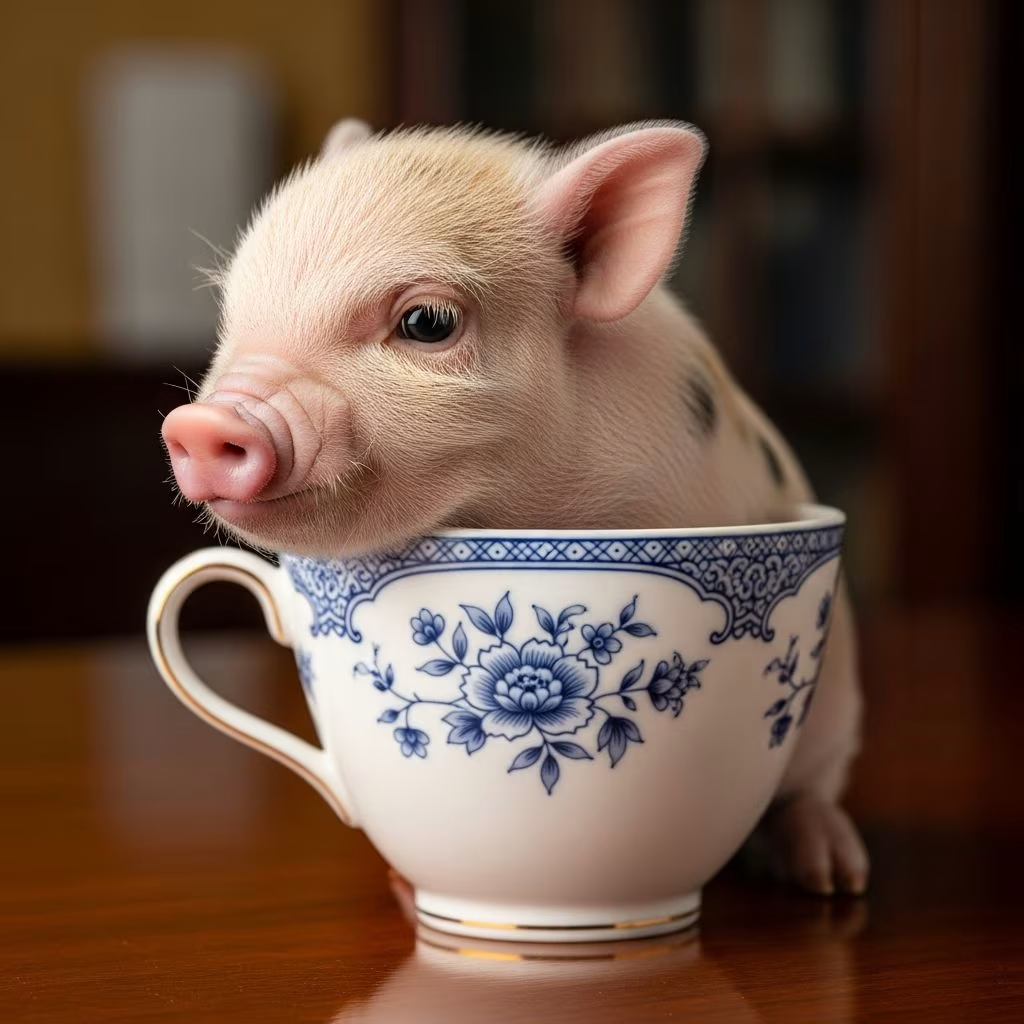
The Truth About Teacup Pigs
Teacup pigs have become a trending topic in recent years, with social media and celebrity culture fueling the myth that these tiny, adorable pigs can fit in a teacup or a designer handbag. However, the reality is far different from the marketing hype. There is no such thing as a teacup pig. So-called teacup pigs are actually potbellied pigs, often underfed or bred unethically to keep them small. This article explores the myths, risks, and realities behind teacup pigs, helping potential owners make informed decisions.
What Are Teacup Pigs?
The term “teacup pig” is a marketing gimmick used by breeders to sell piglets at a premium price. These pigs are not a distinct breed but are typically potbellied pigs or crossbreeds of smaller pig breeds. Breeders may claim that these pigs will remain small and cute forever, but this is a falsehood. Even the smallest breeds of pigs will grow to be the height of a Labrador and often twice as wide. The American Mini Pig Association recognizes “mini” pigs as a mix of over 12 different pig breeds, but there is no guarantee of size.
Myths About Teacup Pigs
- Teacup pigs are a specific breed: There is no breed called “teacup pig.” The term is used to describe pigs of various sizes, often potbellied pigs or crossbreeds.
- Teacup pigs stay small forever: All pigs grow, and even the smallest breeds will reach a significant size. Potbellied pigs can grow until they are five years old and reach well over 100 pounds.
- Teacup pigs are healthy and easy to care for: Pigs sold as teacup pigs are often underfed or bred unethically, leading to health issues and a shorter lifespan.
The Reality of Teacup Pigs
So-called teacup pigs are often the result of unethical breeding practices. Breeders may underfeed piglets to stunt their growth, leading to malnutrition, weak bones, and a host of other health problems. These pigs may also be the result of forced inbreeding, which can cause deformities and a shorter lifespan. The lack of ethics in the teacup pig industry extends beyond the treatment of the pigs. Breeders may mislead buyers, charging hundreds or even thousands of dollars for piglets that will grow much larger than promised.
Health Risks of Teacup Pigs
Pigs sold as teacup pigs are at a higher risk of health issues due to unethical breeding and feeding practices. Common health problems include:
- Malnutrition and stunted growth
- Weak immune systems
- Sensitive skin
- Hoof problems
- Organ damage due to stunted skeletal growth
The average life expectancy for a potbellied pig is 20 years, but most teacup pigs don’t make it past five due to the health issues caused by unethical breeding and feeding practices.
Case Studies: Rosie and Joanna
Two well-meaning couples paid several thousand dollars for sweet little piglets named Rosie and Joanna. Despite following the breeder’s feeding instructions, both pigs became malnourished. Rosie’s bone density is extremely low, making her prone to fractures, and she will need specialized medical care for the rest of her life. Joanna, at two years old, weighs around 50 pounds, which is half the size she should be. Both pigs were surrendered to rescues due to their health and behavioral issues.
Adoption vs. Buying from Breeders
Adoption is the best option for anyone considering adding a pig to their family. There are thousands of pigs in rescues and sanctuaries looking for good homes. Adopting a pig ensures that you are not supporting unethical breeding practices and that the pig has been properly cared for. Research is essential for anyone considering adding a potbellied pig to their family, as providing proper nutrition, an appropriate living environment, and good veterinary care can be very expensive.
FAQs About Teacup Pigs
Are teacup pigs a real breed?
No, teacup pigs are not a real breed. The term is used to describe pigs of various sizes, often potbellied pigs or crossbreeds.
Do teacup pigs stay small forever?
No, all pigs grow, and even the smallest breeds will reach a significant size. Potbellied pigs can grow until they are five years old and reach well over 100 pounds.
Are teacup pigs healthy?
Pigs sold as teacup pigs are often underfed or bred unethically, leading to health issues and a shorter lifespan.
Is it ethical to buy a teacup pig?
No, buying a teacup pig supports unethical breeding practices and can lead to health issues for the pig.
What should I do if I want a pig?
Adoption is the best option. There are thousands of pigs in rescues and sanctuaries looking for good homes.
References
References
- Teacup Pig Myths – Every Pig Rescue Service — Every Pig Rescue Service. 2023. https://everypigrescue.org.uk/teacup-pig-myths/
- The Truth About Teacup Pigs – Best Friends Animal Society — Best Friends Animal Society. 2023. https://bestfriends.org/stories/features/truth-about-teacup-pigs
- Micro Pig Myth – Central Texas Pig Rescue — Central Texas Pig Rescue. 2023. https://www.centraltexaspigs.org/micro-pig-myth
- The Teacup Myth – Blind Spot Animal Sanctuary — Blind Spot Animal Sanctuary. 2023. https://blindspotanimals.com/the-teacup-myth/
- Debunking Myths About Mini Pigs & Their Size – Maddie’s Pet Forum — Maddie’s Pet Forum. 2023. https://forum.maddiesfund.org/discussion/debunking-myths-about-mini-pigs-their-size
- Mini Pig Facts and Myths – American Mini Pig Association — American Mini Pig Association. 2023. https://americanminipigassociation.com/owners/ready-mini-pig-owner/mini-pig-facts-myths/



