

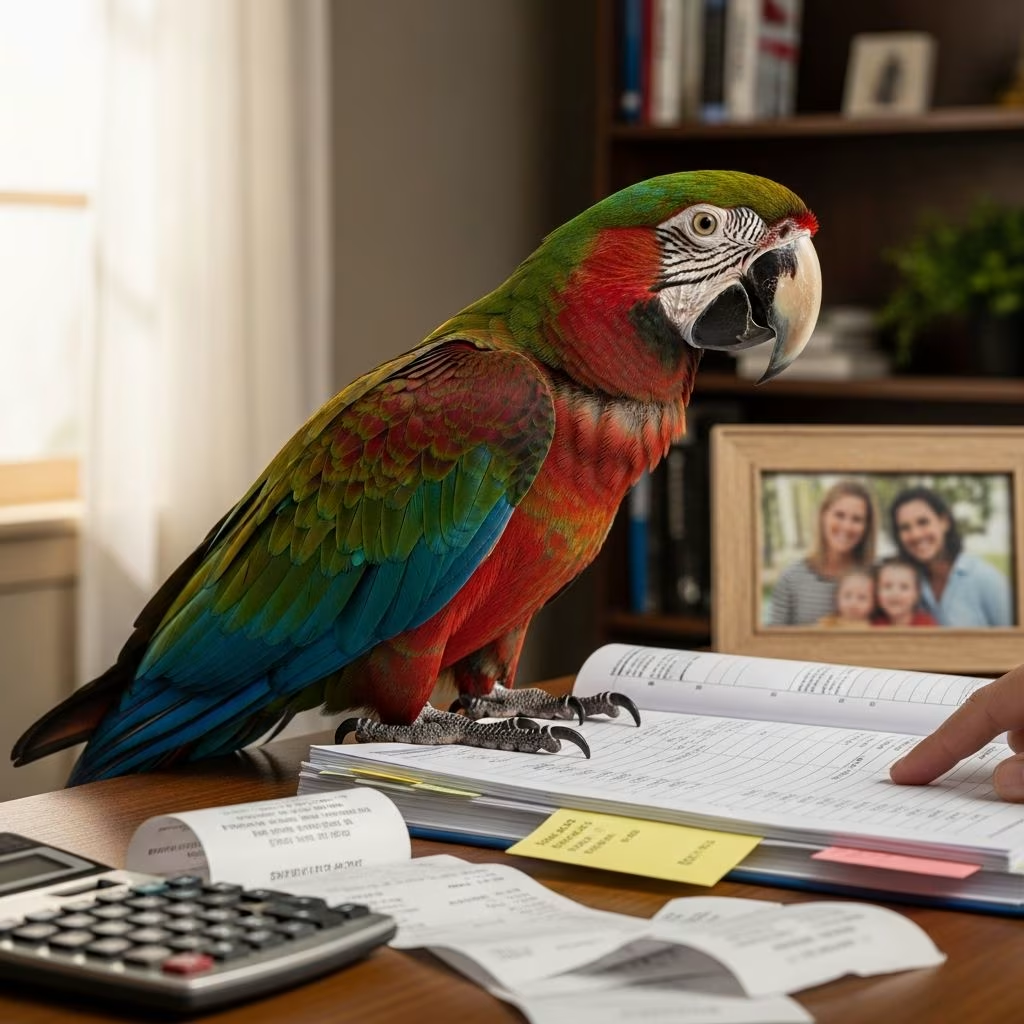
Do You Know The True Cost Of Your Parrot?
Bringing home a parrot is an exciting decision that comes with significant responsibility and financial commitment. While parrots make wonderful companions and can live for decades, potential owners must understand that owning a parrot involves substantial upfront investments and ongoing expenses. Before making the leap into parrot parenthood, it’s crucial to evaluate whether you can afford not just the initial purchase price, but the complete financial picture of parrot care.
Understanding Parrot Ownership Costs
Many people focus solely on the purchase price of a parrot, but this represents only a fraction of the total cost of ownership. Parrots require specialized housing, nutritious food, veterinary care, toys, and enrichment activities. Unlike some other pets, parrots have complex needs that translate directly into expenses. Understanding these costs helps you make an informed decision about whether a parrot is the right pet for your lifestyle and budget.
Initial Setup Costs
The initial investment in setting up your parrot’s home is substantial and cannot be overlooked. These are one-time purchases that you’ll make before or immediately after bringing your feathered friend home.
Housing and Cage Requirements
The parrot cage is one of the most significant initial expenses. Parrots require large, sturdy cages that provide adequate space for movement and flight. Depending on the species and size of your parrot, cage costs can range from several hundred to thousands of dollars. A quality cage must be escape-proof, easy to clean, and constructed from safe, non-toxic materials. Many bird experts recommend purchasing the largest cage your space allows, as parrots need room to spread their wings and exercise.
Essential Accessories and Furnishings
Beyond the cage itself, you’ll need to invest in several accessories:
- Perches of varying sizes and materials
- Food and water dishes designed specifically for birds
- Cage liners and cleaning supplies
- A travel cage or carrier for veterinary visits and transportation
- Heated perches or heating elements for temperature regulation
- UV lamps for birds without access to natural sunlight
- Multiple enrichment toys for mental stimulation
Initial Bird Purchase
The cost of purchasing a parrot varies considerably depending on the species. Small parakeets may cost $20 to $100, while larger parrots like macaws or African grey parrots can cost $500 to $3,000 or more. Adoption through bird rescues is often more affordable, with fees typically ranging from $50 to $500 depending on the organization and the bird’s age and condition. Adopting not only saves money but also gives a bird in need a second chance at a loving home.
Annual Operating Expenses
Once your parrot is home and settled, you’ll face ongoing annual expenses that must be budgeted carefully. These recurring costs are essential for maintaining your bird’s health and happiness.
Food and Nutrition
Parrots require a varied diet consisting of high-quality pellets, fresh fruits, vegetables, nuts, and seeds. Annual food costs typically range from $200 to $500, depending on the species size and your commitment to providing variety. Premium or organic bird food costs more but may contribute to better health outcomes. You should never rely on a single type of food, as parrots need nutritional variety to thrive. Some owners also invest in specialty supplements and nutritional supplements, which add to annual food expenses.
Veterinary Care
Annual wellness exams are crucial for detecting health issues early. Expect to budget $150 to $300 annually for routine veterinary care, including annual check-ups. Emergency veterinary services can be significantly more expensive, sometimes costing $500 to $2,000 or more for serious health conditions. Many bird owners recommend setting aside an emergency fund specifically for unexpected veterinary expenses. Avian veterinarians are specialists who charge premium rates, but their expertise is invaluable for your bird’s health.
Toys and Enrichment
Parrots are highly intelligent and require constant mental stimulation through toys and enrichment activities. Quality toys designed for parrots range from $10 to $50 each, and experts recommend rotating toys monthly to maintain interest. A comprehensive enrichment budget should include at least $150 to $300 annually. While commercial toys can be expensive, you can supplement with homemade options like untreated wood branches, cardboard tubes, and paper-based toys to reduce costs.
Cage Maintenance and Supplies
Regular maintenance of your parrot’s living space requires ongoing supplies such as cage liners, perches that need replacement, toys that wear out, and cleaning products. Budget approximately $100 to $200 annually for these maintenance items.
Yearly Budget Breakdown
Here’s a comprehensive overview of typical annual parrot care expenses:
| Expense Category | Annual Cost Range |
|---|---|
| Food and Nutrition | $200 – $500 |
| Veterinary Care (Routine) | $150 – $300 |
| Toys and Enrichment | $150 – $300 |
| Cage Maintenance and Supplies | $100 – $200 |
| Treats and Supplements | $50 – $150 |
| Total Annual Estimate | $650 – $1,450 |
Hidden and Unexpected Costs
Beyond the standard recurring expenses, several hidden costs can arise during parrot ownership:
Emergency Medical Expenses
Unexpected health issues can result in expensive emergency veterinary visits. Avian emergency clinics often charge premium rates, and procedures like surgery can easily exceed $1,000. Pet insurance for birds is available but typically covers only 70-90% of costs after deductibles.
Boarding and Pet Sitting
When you travel, parrots require specialized care from someone knowledgeable about their needs. Professional bird sitters charge $15 to $40 per visit, or boarding facilities may charge $20 to $50 per day. For frequent travelers, this can add $200 to $500 annually.
Home Modifications
Creating a safe environment for your parrot may require modifications such as installing air purifiers, adjusting lighting, or pet-proofing your home. These one-time costs can range from $50 to $500.
Training and Behavioral Support
Professional bird trainers who specialize in parrot behavior may charge $50 to $200 per hour. While not always necessary, behavioral issues can make this investment worthwhile.
Species-Specific Cost Variations
The true cost of parrot ownership varies significantly by species. Small parakeets and budgies have modest requirements and lower annual costs, ranging from $300 to $500 annually. Medium-sized parrots like African greys and macaws require larger cages, more food, and more extensive enrichment, bringing annual costs to $1,000 to $2,000. Larger, long-lived species often require even greater investments, with lifetime costs potentially reaching $15,000 to $30,000 or more.
Budgeting Tips for Parrot Owners
To manage parrot ownership costs effectively, consider these budgeting strategies:
- Create a separate savings account specifically for bird expenses
- Set aside 5-10% of your monthly income for parrot care
- Compare prices for food and supplies among reputable retailers
- Buy toys and supplies in bulk when possible
- Build relationships with avian veterinarians for potentially discounted rates
- Make homemade toys from safe, untreated materials
- Purchase pet insurance to help manage unexpected medical costs
- Join online parrot owner communities to share tips and resources
Long-Term Financial Commitment
Parrots live exceptionally long lives. Small parakeets may live 5-10 years, while larger parrots can live 40-80 years or more. This means you’re committing to decades of expenses. Over a 50-year lifespan with average annual costs of $1,000, you could spend $50,000 on parrot care alone. This long-term financial commitment should be carefully considered before bringing a parrot home.
Is Parrot Ownership Worth the Cost?
For many people, the emotional rewards of parrot ownership justify the financial investment. Parrots provide companionship, entertainment, and affection. They can learn to speak, perform tricks, and form deep bonds with their owners. However, this decision must be made with clear eyes about the true financial commitment involved. Prospective owners should ask themselves whether they can comfortably afford these expenses without compromising their own financial security.
Making an Informed Decision
Before purchasing or adopting a parrot, create a detailed budget that accounts for all potential expenses. Research the specific requirements of the species you’re considering. Talk to experienced parrot owners about their actual costs. Consider adopting an adult parrot rather than purchasing a young bird, as this reduces the initial investment and helps an already-socialized bird find a home. Visit avian veterinarians to understand their fee structures and ask about available services.
Frequently Asked Questions
Q: What is the most expensive part of parrot ownership?
A: The initial cage setup is typically the most expensive single purchase, followed by ongoing veterinary care and quality food. However, across a parrot’s lifetime, all expenses combined represent the true cost of ownership.
Q: Can I reduce parrot ownership costs?
A: Yes, you can reduce costs by adopting instead of purchasing, making homemade toys, buying food in bulk, and maintaining preventive health care to avoid expensive emergency visits. However, you should never compromise on essential care to save money.
Q: Is pet insurance worth it for parrots?
A: Pet insurance can be valuable for managing unexpected medical costs, though premiums and deductibles vary. Calculate whether the insurance premium is worth the peace of mind for your specific situation.
Q: How much should I budget monthly for parrot care?
A: Budget $50 to $120 monthly for routine expenses like food, supplies, and toys. Additionally, save $30 to $50 monthly for unexpected veterinary costs and emergency care.
Q: Are smaller parrots cheaper to own than larger ones?
A: Yes, smaller species like parakeets typically have lower food costs and require smaller cages, making them more affordable overall. However, all parrots require quality care regardless of size.
Q: What happens if I cannot afford my parrot’s medical care?
A: Many veterinary clinics offer payment plans, and some organizations provide financial assistance for pet medical care. Always discuss payment options with your veterinarian rather than delaying necessary treatment.
References
- Parakeet Care 101: How To Take Care of a Parakeet — Chewy. 2024. https://www.chewy.com/education/bird/parakeet/parakeet-care
- How to Budget for a Happy, Healthy Pet — Chewy. 2024. https://www.chewy.com/education/cat/pet-parenting/budgeting-for-a-dog-or-cat
- Top 5 Small Pet Birds — Chewy. 2024. https://www.chewy.com/education/bird/general/top-5-small-pet-birds
- The Unique Caique — Chewy. 2024. https://www.chewy.com/education/bird/general/the-unique-caique
- 8 Important Questions to Ask When Adopting a Pet Bird — Chewy. 2024. https://www.chewy.com/education/bird/general/8-questions-to-ask-when-adopting-a-pet-bird



