

Tropical Fish: A Complete Guide to Freshwater Species
Tropical fish bring vibrant colors, fascinating behaviors, and dynamic movement to freshwater aquariums. Whether you’re setting up your first tank or expanding your aquarium collection, understanding the different tropical fish species and their specific needs is essential for creating a thriving aquatic environment. This comprehensive guide explores the most popular tropical fish species, their characteristics, care requirements, and compatibility with other tank inhabitants.
What Are Tropical Fish?
Tropical fish are species that naturally inhabit warm freshwater environments, typically found in regions near the equator. These fish have evolved to thrive in temperatures ranging from 74°F to 82°F (23°C to 28°C), which is why maintaining proper water temperature through heating equipment is crucial for their survival in home aquariums. Tropical fish species originate from diverse geographic locations including South America, Africa, and Southeast Asia, each bringing unique characteristics and requirements to the aquarium hobby.
What makes tropical fish particularly appealing to aquarists is their incredible diversity in appearance, size, and behavior. From the flowing fins of Siamese fighting fish to the schools of shimmering tetras, tropical fish offer something for every aquarium enthusiast. Many tropical species are also relatively hardy and adaptable, making them suitable for both beginners and advanced hobbyists.
Popular Tropical Fish Species for Beginners
Tetras
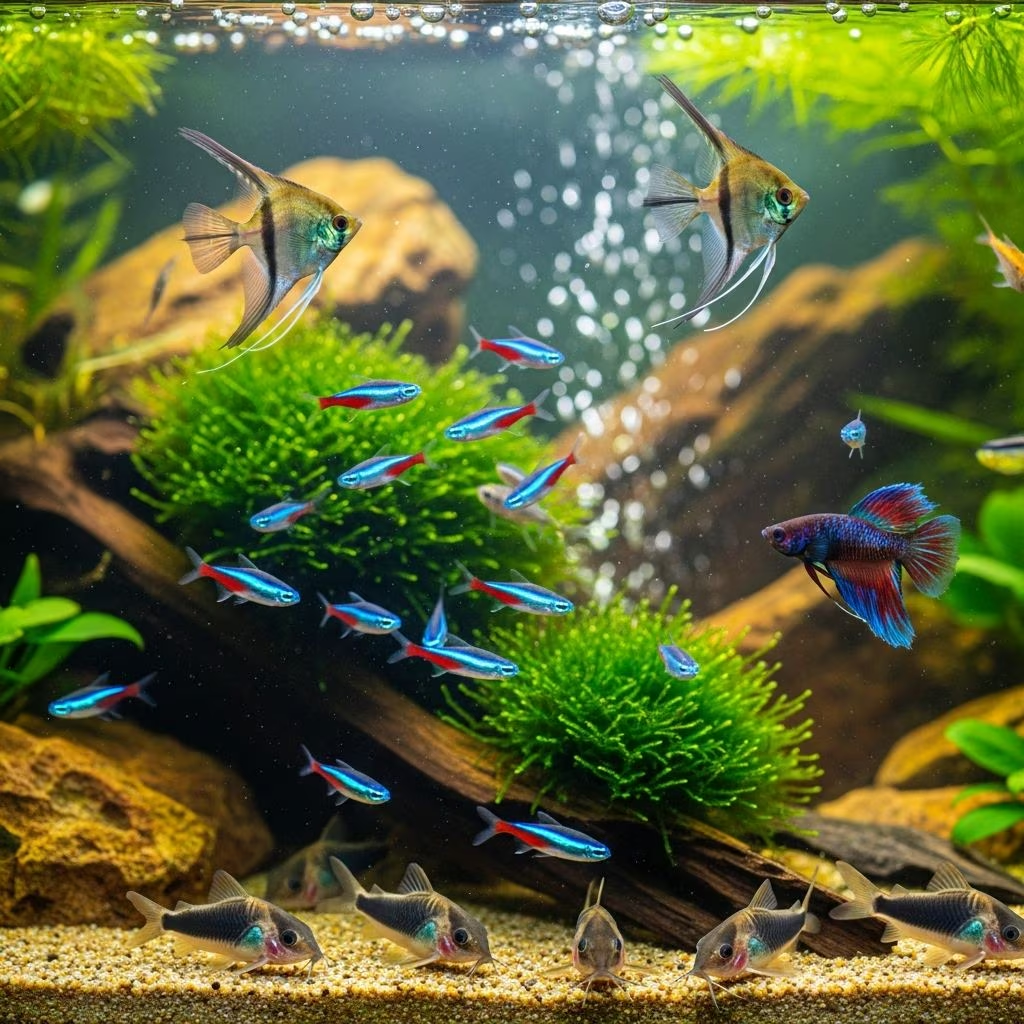
Tetras represent one of the most popular choices for tropical aquariums, and for good reason. These small, colorful fish are perfect for planted aquascapes and peaceful community tanks. The neon tetra remains one of the most recognizable tropical fish in the hobby, with its striking red and blue coloration. Other popular tetra varieties include the cardinal tetra, which is slightly larger than the neon tetra, and the Congo tetra from tropical Africa, which offers a more substantial presence in larger tanks.
Tetras are schooling fish that thrive when kept in groups, exhibiting their most impressive behavior when swimming together. They typically range from 0.75 to 3 inches in size, making them ideal for various aquarium dimensions. Their peaceful temperament and relatively easy care requirements make them an excellent choice for beginner aquarists.
Siamese Fighting Fish (Bettas)
The Siamese fighting fish, scientifically known as Betta splendens, is perhaps the most iconic tropical fish species. These magnificent fish are perfect for small aquariums and can be found in nearly every pet store. Males are known for their aggressive territorial behavior toward other males, which is why they’re typically housed individually. However, careful tank arrangements can allow them to coexist with certain other species in larger aquariums.
Bettas are celebrated for their elaborate fins and vibrant coloration, ranging from solid colors to elaborate patterns. Their ability to survive in smaller aquarium setups has made them incredibly popular among hobbyists with limited space. Despite their aggressive reputation, bettas display remarkable intelligence and can recognize their owners.
Freshwater Angelfish
Freshwater angelfish are peaceful South American cichlids that bring elegance to any aquarium with their distinctive round, flattened bodies and large triangular fins. These centerpiece fish typically grow to about 6 inches long and 8 inches tall, making them suitable for medium-sized tanks. The great advantage of angelfish is their ability to thrive in community aquariums and coexist peacefully with smaller schooling fish like tetras and rainbow fish.
Angelfish come in a variety of color patterns and breeds, from the classic silver with black stripes to the stunning marble and gold variations. Their easy care level and peaceful temperament make them ideal for intermediate aquarists looking to add visual interest to their tanks.
Schooling and Community Fish
Rasboras
Rasboras are a diverse group of tropical fish that includes some of the smallest and most popular species in the aquarium hobby. These peaceful fish are excellent for nano and community aquariums, with size ranges typically between 0.7 to 3 inches. Their beautiful appearance and calm temperament make them perfect additions to planted tanks or community setups where they can exhibit their natural schooling behavior.
Danios
Danios are active tropical fish that should be kept in small schools to bring out their vibrant personalities. The most popular varieties include assorted danios and zebra danios, which thrive in temperatures between 22-26°C. These energetic fish add constant movement and excitement to any tropical aquarium, though they prefer moderate to large tank spaces to accommodate their active swimming patterns.
Cichlids: Diverse and Colorful
Dwarf Cichlids
Dwarf cichlids represent some of the most captivating tropical fish species available to aquarists. This group includes the Ramirezi, Apistogrammas, Kribensis, and other fascinating species that bring both color and personality to aquariums. These shy yet colorful fish typically range from 2 to 4 inches, making them suitable for medium-sized tanks. Dwarf cichlids are generally peaceful and can be kept in community settings with careful species selection and adequate space.
New World Cichlids
New World cichlids are a diverse group originating from Texas through Central and South America. This category includes species with varying temperaments, from peaceful to aggressive, and care levels ranging from easy to advanced. Some varieties, like the dwarf cichlids mentioned above, are community-friendly, while others require more aggressive or specialized tank arrangements. These fish showcase great colors and distinctive personalities that make them popular centerpiece fish.
Specialty Tropical Fish
Freshwater Sharks
Freshwater sharks are a group of popular tropical fish that don’t live up to their saltwater shark namesakes. While they feature shark-like body shapes, these fish lack the sharp teeth and leathery skin of true sharks. The most popular freshwater shark varieties include rainbow sharks, bala sharks, and red-tail sharks, each bringing unique characteristics to aquariums. For those seeking something more striking, Glofish sharks offer naturally fluorescent colors that really stand out under specialized lighting.
Livebearers
Livebearers are tropical fish species that bear live young rather than laying eggs. Swordtails represent one of the larger livebearer species and make excellent community tankmates. These active freshwater fish come in various shades of orange, yellow, and pink with diverse tail shapes, adding a flash of color and constant movement to any aquarium. Swordtails breed readily in home aquariums, so aquarists should be prepared for population growth if males and females are kept together.
Catfish
Freshwater catfish species play important roles in tropical aquariums as bottom feeders and algae controllers. Various catfish species require different temperature ranges and tank conditions, from temperate to tropical environments. Popular varieties range from small sucking catfish to larger plecos, each offering unique benefits to aquarium ecosystems.
Aquarium Setup Considerations
Water Temperature and Conditions
Tropical fish require consistent water temperatures typically between 74°F and 82°F (23°C to 28°C). An aquarium heater is essential equipment for maintaining these temperatures, especially in homes without consistent ambient warmth. Water pH levels and hardness also vary by species, with most tropical fish preferring slightly acidic to neutral conditions. Regular testing and water changes help maintain optimal water chemistry for your specific fish species.
Tank Size and Space
While some tropical fish, like bettas, can tolerate smaller aquariums, most species benefit from adequate space for swimming and establishing territories. Schooling fish require enough room to exhibit natural behaviors, while cichlids need space to establish and defend territories. Generally, larger tanks provide better water stability and allow for more diverse species combinations.
Compatibility and Social Structure
Understanding the temperament and social needs of different tropical fish species is crucial for creating harmonious community tanks. Peaceful species like tetras and rasboras generally coexist well together, while some cichlids and aggressive fish require careful planning or individual housing. Research each species’ compatibility requirements before combining fish in your aquarium.
Setting Up Your Tropical Aquarium
Equipment Essentials
Successfully maintaining tropical fish requires several key pieces of equipment. An aquarium heater maintains proper water temperature, while a filtration system removes waste and maintains water quality. Lighting equipment not only showcases your fish but also supports plant growth in planted aquariums. Air stones or filters provide oxygenation and water circulation necessary for fish health.
Substrate and Decorations
Different tropical fish species have varying substrate preferences. While some species prefer sand or fine gravel, others thrive with larger substrate particles. Live plants benefit many tropical fish species by providing shelter, reducing stress, and improving water quality. Driftwood, rocks, and caves offer hiding places and territorial boundaries, particularly important for cichlids and other territorial species.
Feeding Your Tropical Fish
Tropical fish have diverse dietary requirements depending on species. Most tropical fish eat high-quality flake foods or pellets formulated for their specific nutritional needs. Supplementing with live or frozen foods like brine shrimp, bloodworms, or daphnia provides variety and essential nutrients. Bottom feeders like catfish often benefit from sinking pellets designed for their specific feeding habits. Establishing a consistent feeding schedule and avoiding overfeeding helps maintain water quality and fish health.
Common Tropical Fish Species Comparison
| Species | Size | Temperament | Care Level | Tank Type |
|---|---|---|---|---|
| Neon Tetra | 0.75-1 inch | Peaceful | Easy | Community |
| Siamese Fighting Fish | 2-3 inches | Aggressive (males) | Easy | Individual/Community |
| Freshwater Angelfish | 6 inches | Peaceful | Easy | Community |
| Rainbow Shark | 4-6 inches | Aggressive | Intermediate | Specialized |
| Dwarf Cichlid | 2-4 inches | Peaceful | Easy-Intermediate | Community |
| Rasbora | 0.7-3 inches | Peaceful | Easy | Community/Nano |
Frequently Asked Questions
Q: What is the best tropical fish for beginners?
A: Tetras, bettas, and freshwater angelfish are excellent choices for beginners. These species are hardy, relatively easy to care for, and widely available. Tetras are particularly good for community tanks, while bettas are perfect for those with limited space. Start with peaceful species and gradually expand your knowledge of more advanced tropical fish.
Q: How do I maintain the correct water temperature for tropical fish?
A: Install an aquarium heater appropriate for your tank size and set it to maintain temperatures between 74-82°F (23-28°C). Use an aquarium thermometer to monitor temperatures daily. Choose a heater with a thermostat for automatic temperature regulation, and consider backup heating if you live in a cold climate.
Q: Can different tropical fish species live together?
A: Many tropical fish species can coexist in community tanks when properly selected. Peaceful schooling fish like tetras and rasboras generally mix well. However, aggressive species and territorial fish like certain cichlids or male bettas may require individual housing or carefully planned community arrangements. Always research compatibility before combining species.
Q: How often should I feed tropical fish?
A: Most tropical fish should be fed once or twice daily, with portions they can consume within 2-3 minutes. Overfeeding is a common mistake that degrades water quality. Different species have varying dietary needs, so feed appropriate foods for your specific fish species.
Q: What size aquarium do I need for tropical fish?
A: Tank size depends on the species and number of fish. Bettas can survive in smaller tanks of 5-10 gallons, while community tanks with multiple species typically need 20-40 gallons or larger. Larger tanks provide better water stability and accommodate more fish. Research your specific species’ requirements to determine appropriate tank dimensions.
Q: How do I know if my tropical fish are healthy?
A: Healthy tropical fish display active swimming behavior, eat regularly, and maintain vibrant coloration. Signs of illness include lethargy, loss of appetite, faded colors, torn fins, or unusual behavior. Maintain proper water conditions, provide appropriate diet, and perform regular water changes to keep your tropical fish healthy.
References
- Tropical Fish Species – 30 Popular Types (With Pictures!) — Aquarium Store Depot. 2025. https://aquariumstoredepot.com/blogs/news/tropical-fish-species
- Basic Guide to Freshwater Fish — Aquarium Industries. 2015. https://www.aquariumindustries.com.au/wp-content/uploads/2015/05/Basic-Guide-to-Freshwater-Fish.pdf
- Guide to Freshwater Fish Tanks — LiveAquaria. 2025. https://www.liveaquaria.com/category/830/



