

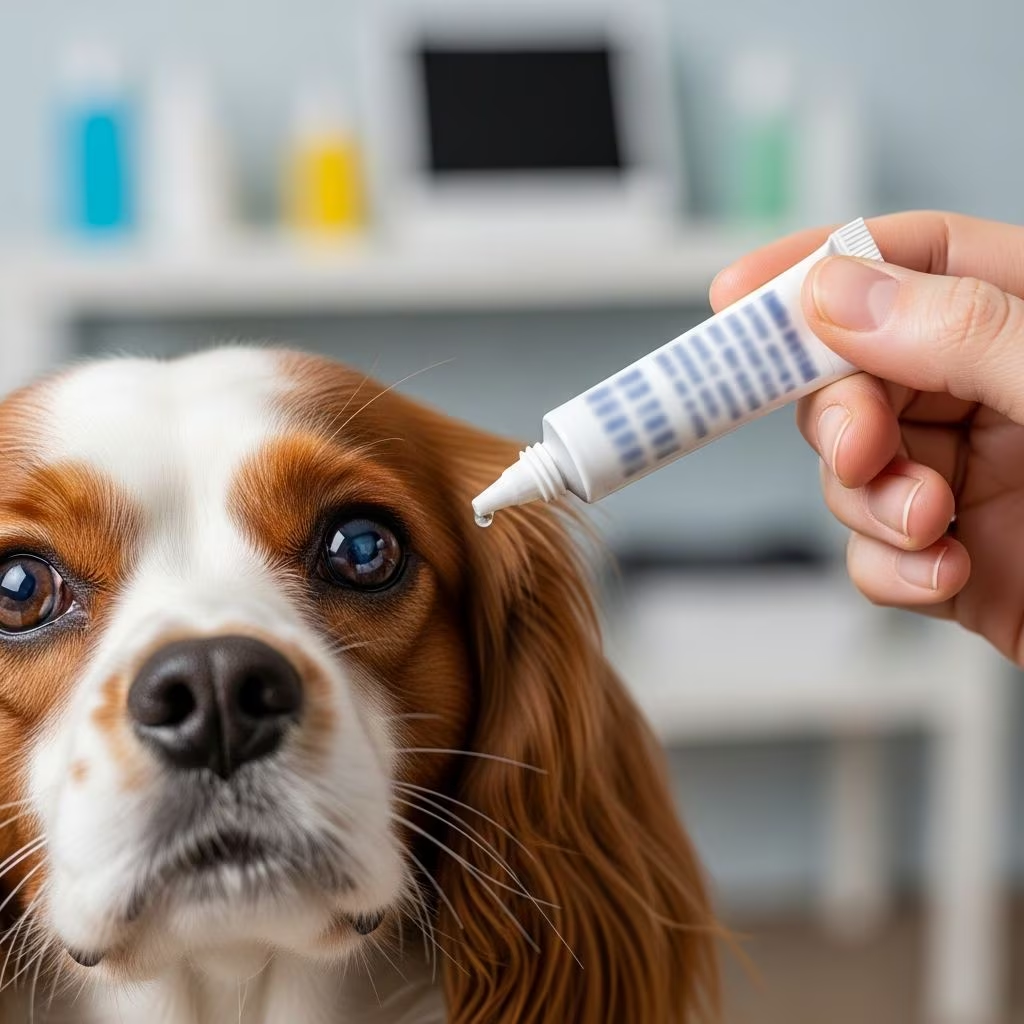
Understanding Triple Antibiotic Ophthalmic Ointment for Pets
Triple antibiotic ophthalmic ointment, commonly known by brand names such as Trioptic-P® and Vetropolycin®, is a specialized combination antimicrobial medication designed to combat bacterial eye infections in companion animals. This medication represents a critical tool in veterinary ophthalmology, combining three distinct antibiotic agents to provide broad-spectrum coverage against both gram-positive and gram-negative bacteria. The formulation combines neomycin, polymyxin B, and bacitracin—each contributing unique antimicrobial properties to create an effective topical treatment for ocular infections in various animal species.
What is Triple Antibiotic Ophthalmic Ointment?
Triple antibiotic ophthalmic ointment is a combination medication containing three powerful antibiotic components that work synergistically to eliminate bacterial pathogens affecting the eyes. The three active ingredients—neomycin, polymyxin B, and bacitracin—are specifically formulated for topical ophthalmic use, meaning they are applied directly to the affected eye tissue.
Active Ingredients and Their Functions
Each component of triple antibiotic ophthalmic ointment plays a distinct role in fighting bacterial infections. Neomycin operates by inhibiting bacterial protein synthesis, effectively stopping bacteria from growing and multiplying. Polymyxin B works by disrupting bacterial cell membranes, causing cell death and preventing further infection spread. Bacitracin functions by inhibiting bacterial cell wall synthesis, making it impossible for bacteria to maintain structural integrity. Together, these three antibiotics create a comprehensive defense against multiple bacterial species.
Indications for Use in Pets
Veterinarians prescribe triple antibiotic ophthalmic ointment to treat several types of eye-related conditions in cats and dogs. The medication is particularly effective for managing bacterial eye infections that affect different ocular structures.
Primary Treatment Areas
Triple antibiotic ophthalmic ointment addresses infections in three main ocular regions:
– Eye infections affecting the cornea and conjunctiva- Eyelid infections caused by susceptible bacterial species- Infections of the conjunctiva, the delicate tissue surrounding the eye
Beyond traditional companion animals, veterinarians use this medication off-label to treat eye infections in various exotic pet species. Off-label use, also known as extra-label use, is common in veterinary medicine and refers to prescribing medications for species or conditions not specifically listed on the product label. Pet owners may encounter this medication prescribed for avian species such as birds and parrots, as well as small mammals including ferrets, hedgehogs, rats, mice, gerbils, and hamsters. When prescribed off-label, it is essential to follow veterinary directions with extreme care and attention.
How to Administer Triple Antibiotic Ophthalmic Ointment
Proper administration technique is crucial for ensuring the medication’s effectiveness and preventing complications. Triple antibiotic ophthalmic ointment is administered topically, meaning it is applied directly into the eye.
Administration Guidelines
Follow these essential steps when administering triple antibiotic ophthalmic ointment to your pet:
– Wash your hands thoroughly with soap and water before touching your pet’s eye or medication- Avoid allowing the dropper tip or ointment applicator to contact your pet’s eye surface or any other surface to prevent contamination- If administering multiple eye medications simultaneously, maintain a 5 to 10-minute interval between each application- Apply eye drops before eye ointments when using combined treatments- Complete the entire prescribed course of medication, even if your pet appears to be feeling better and symptoms seem to have resolved- Store the ointment according to package directions, typically at room temperature away from direct sunlight
Completing the Full Treatment Course
One of the most critical aspects of using triple antibiotic ophthalmic ointment is adhering to the complete treatment duration prescribed by your veterinarian. Pet owners frequently make the mistake of discontinuing medication prematurely once visible symptoms improve. This practice can result in incomplete infection eradication, allowing resistant bacterial strains to persist and potentially causing recurrent infections that are more difficult to treat.
Potential Side Effects and Allergic Reactions
While triple antibiotic ophthalmic ointment is generally well-tolerated, pet owners should remain vigilant for potential adverse reactions throughout the treatment period.
Recognizing Allergic Reactions
Allergic reactions to triple antibiotic ophthalmic ointment may manifest with several warning signs requiring immediate veterinary attention:
– Irregular or labored breathing patterns- Skin rash development on the eye area or surrounding facial regions- Fever elevation- Puffiness and swelling around the face, particularly around the eyes and muzzle
Drug Sensitivity Development
An important consideration is that drug sensitivities can develop over time with repeated exposure to the medication. Your pet may tolerate the initial doses without any adverse reaction, but sensitivity may emerge later in the treatment course. This delayed hypersensitivity reaction makes continuous monitoring essential throughout the entire medication period. If you notice anything unusual during treatment, contact your veterinarian immediately for guidance.
Duration of Medication Effect
Triple antibiotic ophthalmic ointment is classified as a short-acting medication. Once treatment is discontinued, the medication should stop working within approximately 24 hours, making it relatively safe if discontinuation becomes necessary due to adverse effects.
Risk Factors and Precautions
Certain patient populations and situations require special consideration when using triple antibiotic ophthalmic ointment.
Cats and Hypersensitivity Concerns
Cats represent a particularly vulnerable population for this medication. Use extreme caution when administering triple antibiotic ophthalmic ointment to feline patients, as allergic reactions specifically to the neomycin and polymyxin B components have been well-documented in veterinary literature. Cats should be monitored closely for signs of allergic reaction each time this medication is administered. Pet owners of cats with known hypersensitivity to aminoglycoside antibiotics or polymyxin-based products should inform their veterinarian before starting treatment.
Conditions Requiring Avoidance
Triple antibiotic ophthalmic ointment should be avoided in specific clinical situations. Veterinarians will typically avoid this medication in patients with perforated corneas or suspected corneal perforation, as the ointment could enter the anterior chamber and cause severe intraocular inflammation. Additionally, patients with known hypersensitivity to any of the three antibiotic components should not receive this medication.
Drug Interactions and Medication Considerations
One significant advantage of triple antibiotic ophthalmic ointment is its excellent safety profile regarding drug interactions. No known drug interactions have been reported for this medication when used as prescribed.
However, pet owners must inform their veterinarian about all medications their pet is currently receiving before starting triple antibiotic ophthalmic treatment. This disclosure should include prescription medications, over-the-counter products, vitamins, dietary supplements, and herbal therapies. While formal drug interactions are not documented, comprehensive awareness of the complete medication profile ensures optimal safety and efficacy.
Monitoring Requirements During Treatment
Proper monitoring throughout the treatment course ensures the medication is working effectively and safely for your pet.
Follow-Up Care
Your veterinarian may schedule a follow-up examination after the complete medication course concludes. During this appointment, the veterinarian will assess whether the infection has been completely cleared and may perform additional diagnostic testing to confirm that triple antibiotic ophthalmic ointment was appropriate for the specific bacterial species causing the infection. Follow your veterinarian’s recommendations regarding follow-up visits and any additional testing.
Feline-Specific Monitoring
In cats specifically, close monitoring for allergic reaction signs is essential each time the medication is administered. Pet owners of cats should watch carefully for any changes in behavior, appetite, or physical appearance during treatment and report concerns to their veterinarian promptly.
Frequently Asked Questions About Triple Antibiotic Ophthalmic Ointment
Q: Can triple antibiotic ophthalmic ointment be used in human patients?
A: While veterinary formulations exist for pets, similar triple antibiotic ophthalmic combinations are also available for human use under veterinary supervision. However, products should only be used as specifically prescribed by a healthcare professional. Never share your pet’s medication with family members or use pet medication for yourself.
Q: How long does it typically take to see improvement in my pet’s eye infection?
A: Many pets show noticeable improvement within the first few days of treatment. However, the complete treatment course must be completed as prescribed, even if symptoms resolve quickly, to ensure complete bacterial eradication and prevent recurrence.
Q: Can I use triple antibiotic ophthalmic ointment in both my dog’s eyes simultaneously?
A: Yes, if both eyes are infected, you can apply the ointment to both eyes. However, use separate applicators or a clean applicator for each eye to prevent cross-contamination between eyes. Wash your hands between applications.
Q: What should I do if I accidentally miss a dose of triple antibiotic ophthalmic ointment?
A: If you miss a dose, apply it as soon as you remember. However, if it is nearly time for the next scheduled dose, skip the missed dose and continue with the regular dosing schedule. Do not apply extra ointment to make up for a missed dose.
Q: Is triple antibiotic ophthalmic ointment effective against viral eye infections?
A: No, triple antibiotic ophthalmic ointment is specifically formulated to treat bacterial eye infections. It will not be effective against viral infections such as feline herpesvirus. Your veterinarian will perform appropriate diagnostic testing to determine whether your pet’s infection is bacterial or viral before prescribing this medication.
Q: Can I purchase triple antibiotic ophthalmic ointment without a veterinary prescription?
A: No, triple antibiotic ophthalmic ointment requires a veterinary prescription. Your veterinarian must diagnose the eye infection and determine that this specific medication is appropriate for your pet’s condition before dispensing it.
Q: How should I store triple antibiotic ophthalmic ointment?
A: Store the ointment at room temperature, typically between 59-86°F (15-30°C), away from direct sunlight and heat sources. Keep the container tightly closed when not in use. Do not refrigerate unless specifically directed on the product label.
Mechanism of Action Against Bacterial Pathogens
Triple antibiotic ophthalmic ointment works through multiple mechanisms to eliminate bacterial eye infections. The three antibiotic components attack bacteria through different pathways, preventing the development of antibiotic resistance. By targeting bacterial protein synthesis, cell membrane integrity, and cell wall formation simultaneously, the combination formulation provides superior efficacy compared to single-agent antibiotic therapy.
Conclusion
Triple antibiotic ophthalmic ointment represents an important therapeutic option for treating bacterial eye infections in pets. Its broad-spectrum antimicrobial activity, combined with excellent topical penetration, makes it an effective choice for veterinarians managing ocular bacterial infections in cats, dogs, and selected exotic pet species. However, successful treatment requires careful adherence to administration guidelines, complete completion of the prescribed treatment course, and vigilant monitoring for adverse reactions. By understanding how to properly use triple antibiotic ophthalmic ointment and recognizing potential complications, pet owners can effectively support their veterinarian in treating their pet’s eye infection and promoting rapid recovery.
References
- Triple Antibiotic Ophthalmic: Neomycin, Polymyxin B, Bacitracin — VCA Hospitals. 2025-11-28. https://vcahospitals.com/know-your-pet/triple-antibiotic-ophthalmic-neomycinpolymyxin-bbacitracin-neomycinpolymyxin-bgramicidin
- Neomycin, Polymyxin B, and Bacitracin (Ophthalmic Route) — Mayo Clinic. 2025-11-28. https://www.mayoclinic.org/drugs-supplements/neomycin-polymyxin-b-and-bacitracin-ophthalmic-route/description/drg-20062302
- Neomycin; Polymyxin B; Bacitracin Eye Ointment — Cleveland Clinic. 2025-11-28. https://my.clevelandclinic.org/health/drugs/21433-neomycin-polymyxin-b-bacitracin-eye-ointment
- Bacitracin Topical — StatPearls, National Center for Biotechnology Information (NCBI). 2025-11-28. https://www.ncbi.nlm.nih.gov/books/NBK536993/
- Neomycin/Polymyxin B/Bacitracin Ophthalmic – Uses, Side Effects — WebMD. 2025-11-28. https://www.webmd.com/drugs/2/drug-60509/ophthalmic-ophthalmic-eye/details
- Neomycin, Polymyxin, Bacitracin, and Hydrocortisone Ophthalmic — Saint Luke’s Health System. 2025-11-28. https://www.saintlukeskc.org/health-library/neomycin-polymyxin-bacitracin-and-hydrocortisone-ophthalmic
- Neomycin, Polymyxin, and Bacitracin Topical — Columbia Doctors. 2025-11-28. https://www.columbiadoctors.org/health-library/drug-info/neomycin-polymyxin-bacitracin-topical/



