

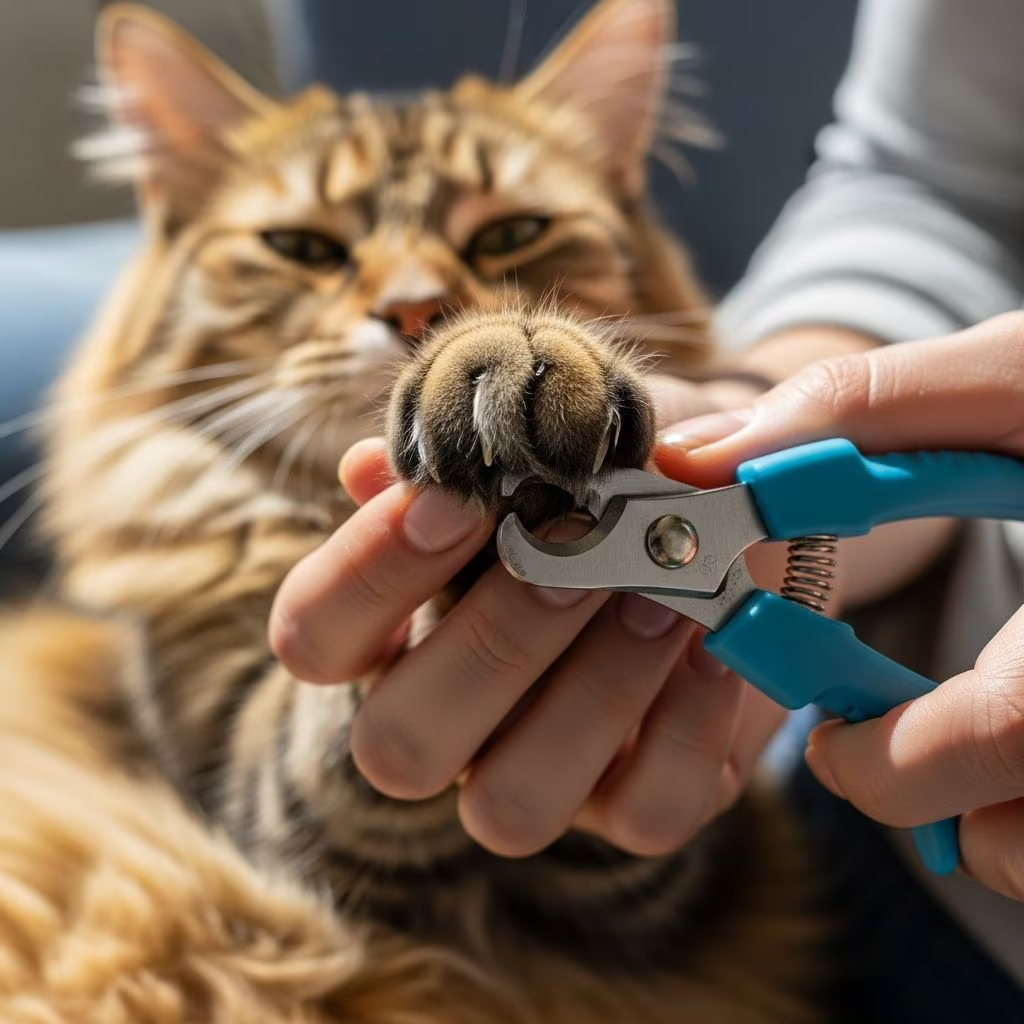
Regularly trimming your cat’s claws is a vital part of responsible pet ownership. Like human fingernails, cat claws grow continuously and can become sharp or overgrown if not maintained, potentially leading to injury for your cat or damage to your furniture. By learning to trim them safely at home, you can prevent painful issues like ingrown nails, reduce scratching damage, and keep your cat comfortable. This guide covers everything from tools and techniques to troubleshooting common problems, drawing on expert advice to make the process stress-free for both you and your feline friend.
Why Trim Your Cat’s Claws?
Cats use their claws for scratching, which is a natural behavior essential for marking territory, relieving stress, and maintaining claw health. Scratching removes the outer sheath of the claw, keeping it sharp and thin. However, indoor cats often lack sufficient scratching opportunities, leading to overgrown claws that can curl into the paw pad, causing pain, infection, or lameness—especially in older or less active cats.
Trimming reduces the sharpness without eliminating the cat’s ability to scratch instinctively. Benefits include:
- Preventing injury: Overlong claws can pierce paw pads, requiring veterinary intervention.
- Protecting your home: Blunt claws cause less damage to upholstery and carpets.
- Health monitoring: Regular checks allow early detection of issues like thick nails or infections.
- Behavioral support: Complements scratching posts to satisfy natural urges.
Even cats with scratching posts need trims, as posts shed dead nail layers but don’t shorten the claw fully. Experts recommend checking paws monthly.
How Often Should You Trim?
Frequency varies by cat. Active cats using posts may need trims every 3-4 weeks, while sedentary ones require it every few weeks or months. Kittens grow faster, needing weekly checks initially. Aim for every 2-4 weeks on average; trim just the tip when it sharpens. Signs it’s time: claws snagging on fabrics or visible curve.
| Cat Type | Recommended Frequency | Notes |
|---|---|---|
| Indoor/Active | Every 3-4 weeks | Uses posts regularly |
| Sedentary/Older | Every 2 weeks | Monitor for thickening |
| Kittens | Weekly checks | Grows quickly |
| Long-haired | Every 3 weeks | Fur may hide growth |
Tools You’ll Need
Invest in cat-specific tools for safety and ease:
- Guillotine or scissor clippers: Small sizes for cats; guillotine style (e.g., like Resco) offers precision. Avoid human nail clippers—they crush the claw.
- Styptic powder or cornstarch: Stops bleeding if you nick the quick. Available at pet stores or use flour.
- Treats and distractions: High-value foods like baby food or wet treats for positive reinforcement.
- Good lighting: Magnifying lamp helps see the quick.
- Nail file: Optional for smoothing edges post-trim.
Have everything ready in a calm, well-lit area.
Preparing Your Cat
Desensitization is key—cats who fear paw handling resist trims. Start young if possible, but adults can learn too.
Daily paw massages: Gently touch paws during relaxed moments like petting or feeding. Progress from light touches to pressing toes to extend claws. Reward heavily. Over weeks, cats associate paws with positivity.
Acclimate to tools: Let your cat sniff clippers. Make a snipping sound near treats. Practice ‘fake trims’ without cutting.
Choose naptime or post-meal calm; avoid playtime energy. For multi-cat homes, isolate first.
Step-by-Step Guide to Trimming
Follow these steps for safe clipping. Enlist a helper for restraint.
- Clean paws: Wipe dirt for clear view. Cats self-groom, but check.
- Extend claw: Hold paw, squeeze top/bottom of toe gently behind nail. Claw pops out.
- Position for light: Hold paw between light source and you to backlight the quick (pink vein inside nail).
- Identify quick: White nail base; cut 1/8 inch (2-3mm) before pink part. Dark nails? Trim tiny bits frequently.
- Clip perpendicular: Snip straight across tip only. One paw at a time if needed.
- File if desired: Smooth rough edges.
- Reward immediately: Treats, pets, play.
Start with front paws (18 claws total: 5 per front, 4 per back). Back claws grow slower.

Tips for a Stress-Free Trim
- Team up: One holds (scruff gently if needed), other clips. Vet demo recommended.
- Breaks: Do 2-3 claws, treat, repeat. Full trim later.
- Distractions: Helper feeds tasty food.
- Burrito wrap: Towel body, expose one paw for wiggly cats.
- Positive reinforcement: Clicker training for advanced cats.
- Practice holds: During TV time, extend claws without clipping.
If your cat panics, stop and retry later. Persistence builds tolerance.
What If You Cut the Quick?
Accidents happen, especially first times. The quick is sensitive; cutting it causes pain and bleeding.
Signs: Cat yelps, pulls away; blood droplet appears.
First aid:
- Wipe blood with tissue.
- Apply styptic powder, flour, or cornstarch to tip. Press 30-60 seconds until clots.
- Wet cotton ball, press firmly.
- Monitor for infection (swelling, limping); vet if persists.
Prevention: Trim less next time, err far from quick. Frequent small trims shrink the quick over time.
Common Mistakes to Avoid
- Over-trimming: Stay 2mm from quick.
- Wrong tools: No human clippers— they split nails.
- Forcing it: Builds fear; session short.
- Ignoring back paws: They overgrow too.
- Declawing: Inhumane; amputates toe bones. Use trims/posts.
Alternatives and Professional Help
Can’t trim? Vets/groomers do it cheaply. Behavioral protocols improve tolerance in shelters. Provide sisal posts, soft claws covers as supplements.
Frequently Asked Questions (FAQs)
What if my cat won’t let me trim their nails?
Desensitize with daily massages, use distractions, helper. Start slow, one claw daily. Consult vet for tips.
Do outdoor cats need claw trims?
Yes, trees/posts wear them, but indoors vary. Check monthly.
Black nails—how to see quick?
Backlight, trim tiny bits often. Shine light through.
Is filing better than clipping?
Clipping faster; file for polish. Both safe.
Kitten nails too sharp?
Trim weekly; they’re tolerant.
This 1678-word guide empowers safe home grooming. Consistent care keeps claws healthy, cat happy.
References
- Cat Claw Clipping — San Francisco SPCA. Accessed 2026. https://www.catcenter.org/Pages/KnowledgeBase/Documents/17_claws_declawing_scratching/pdf%201702%20sfspca%20catclawclipping.pdf
- Cat Claw Clipping – San Francisco SPCA — San Francisco SPCA. Accessed 2026. https://www.sfspca.org/resource/claw-clipping/
- ASPCA Grooming 101 – Nail Trimming for Cats — ASPCA (YouTube). 2024. https://www.youtube.com/watch?v=MnQjdTWku5U
- Caring for Your Cat’s Nails — ASPCA Pet Health Insurance. Accessed 2026. https://www.aspcapetinsurance.com/resources/caring-for-cats-nails/



