

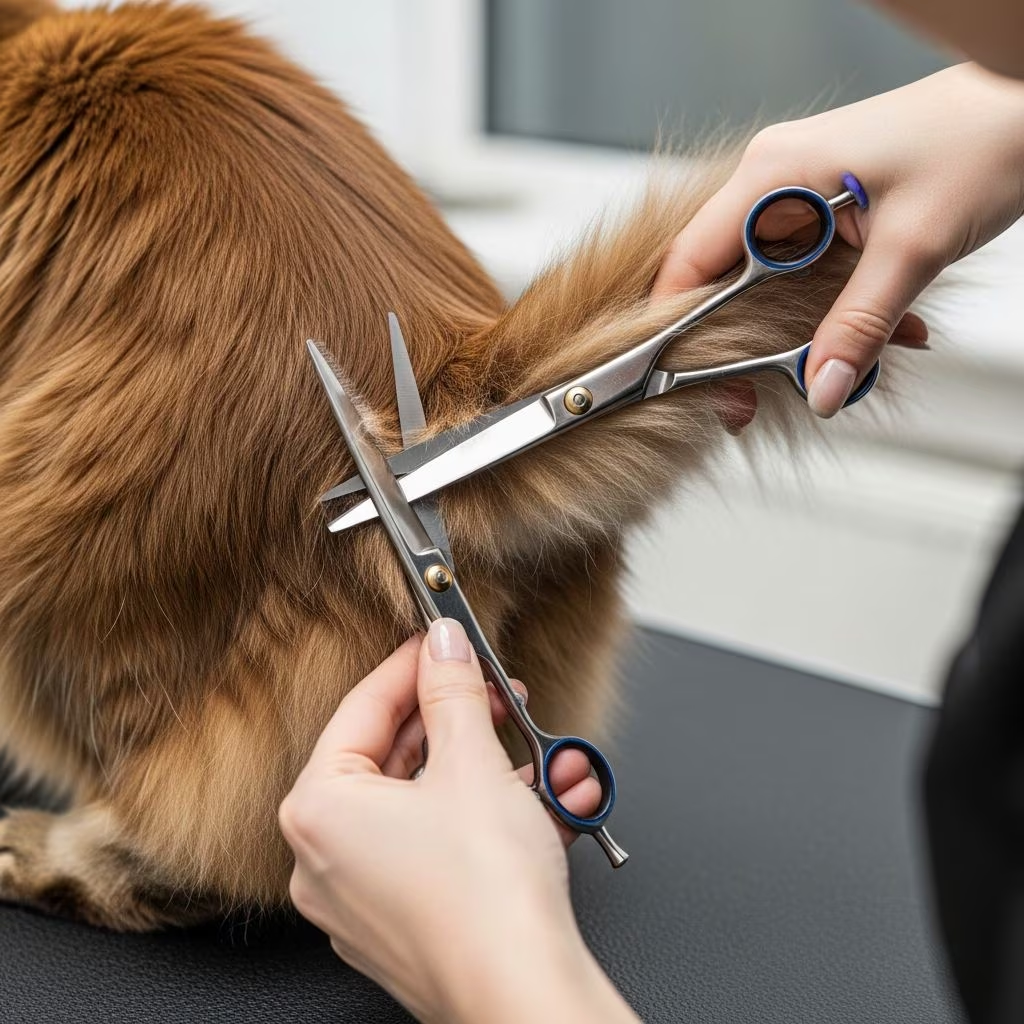
Long-haired cats often struggle with matted fur around their bottom due to litter, feces, and poor self-grooming, leading to hygiene issues, discomfort, and even infections. Regular trimming, known as a sanitary or hygiene trim, keeps the area clean and prevents painful mats. This guide provides **7 vet-verified tips** for safe at-home grooming, drawing from professional techniques to ensure your cat stays healthy and happy.
Why Trim a Long-Haired Cat’s Bottom?
Breeds like Persians, Maine Coons, and Ragdolls have luxurious coats that trap debris around the anus and genitals. According to the ASPCA, long-haired cats shed continuously indoors and require frequent grooming to prevent tangles. Without intervention, dried poop forms ‘dingleberries,’ causing irritation, skin infections, or reluctance to defecate. A sanitary trim shortens fur in this sensitive area, making self-cleaning easier and reducing odor. Vets recommend starting trims early, especially for seniors, obese cats, or those with mobility issues who can’t groom effectively.
The 7 Tips on How to Trim a Long-Haired Cat’s Bottom
Follow these steps in order for a stress-free experience. Always prioritize calm handling—pet and offer treats to build trust. Perform trims every 2-4 weeks or as needed.
1. Use a Detangling Brush First
Begin by gently brushing the area with a **detangling brush or wide-toothed comb** to remove loose mats, dried feces, and debris. Hold the fur base to avoid pulling skin, working from the surface inward as recommended for long-haired cats. Choose a washable tool dedicated to the bottom area for hygiene—sanitize with pet-safe disinfectant between uses. This step prevents clipper jams and ensures even trimming. Wide-toothed brushes ease initial detangling, followed by finer tools.
2. Clean the Area Beforehand
A clean surface is crucial for visibility and safety. Use **pet-friendly wipes** or a warm, damp cloth to remove fresh poop or urine residue before trimming. Work gently around the anus and genitals, avoiding harsh chemicals. Cleaning softens debris, making it easier to cut and reducing mess. For stubborn spots, soak with wipes first—natural, hypoallergenic options prevent skin irritation. Bathe the area if heavily soiled, but dry thoroughly to avoid chills.
3. Use Silent Clippers
Cats hate loud clippers, which trigger flight responses. Opt for **cordless, silent clippers** like those designed for pets, which operate quietly under 50 decibels. Pair with a stainless steel comb for guidance—position the comb behind the fur and clip above it. Start on a longer guard setting (e.g., #1 or #2) to shorten gradually. Videos demonstrate scooping motions around the anus to expose and clear hair without nicks. These tools cut through poop mats effortlessly.
4. Switch to Sharp, Curved-End Scissors
For precision, use **sharp, curved-end grooming scissors** with safety tips. Blunt blades tug hair painfully, causing stress. Insert a fine-toothed comb between skin and mat, leaving 1/2-inch clearance, then snip parallel to the skin. Pry hair gently with fingers for access, cutting downward from tail base. This method is ideal for small areas or finishing clipper work, ensuring even lengths without shaving bald spots.
5. Position Your Cat Correctly
Secure positioning minimizes movement. Place on a non-slip table or your lap, aligning your forearm along the spine for stability. Gently lift the tail 80-90 degrees with one hand while trimming with the other. For squirmy cats, wrap in a towel ‘burrito’ exposing only the bottom, or use a grooming bag. Videos show pinning the tail with a leg for underside access. Reward heavily post-trim.
6. Trim in Sections: Anus, Genitals, and Legs
Divide into zones: Start under the tail, scooping outward around the anus to expose it fully. Move to genitals, clearing mats from legs’ backs where litter sticks. Trim 1/4-1/2 inch shorter than surrounding fur for a natural look. Use gravity—trim downward from tail to vent area. Avoid over-shaving; aim for hygiene, not aesthetics.
7. Finish with Wipes and Check
Post-trim, wipe again to remove loose hairs and residue. Inspect for nicks, uneven spots, or remaining mats. Apply pet-safe balm if irritated. Brush lightly to blend edges. Monitor for 24 hours—redness warrants a vet visit.
Tools You’ll Need for the Perfect Sanitary Trim
Invest in quality gear:
- Detangling brush/comb: Wide-toothed, washable (e.g., rubber for short undercoat buildup)
- Pet wipes: Hypoallergenic, flushable
- Silent clippers: Rechargeable, with guards and comb attachments
- Curved scissors: 5-6 inch, pet-specific
- Stainless comb: Fine-toothed for guidance
- Treats and towel: For calm and containment
| Tool | Purpose | Tip |
|---|---|---|
| Detangling Brush | Remove initial mats | Dedicated to bottom only |
| Silent Clippers | Bulk removal | Use #1 guard first |
| Curved Scissors | Precision shaping | Comb behind fur |
Trimming vs. Shaving a Long-Haired Cat’s Bottom
Trimming maintains length while preventing issues; shaving removes fur entirely for severe cases. Trimming suits most cats—shorten to 1/2 inch for easy cleaning without altering appearance. Shaving is for elderly, arthritic, or obese cats unable to groom, or extreme matting. Pros use shavers on shortest settings, focusing on anus/genitals. Risks include ingrown hairs, sunburn, or chill—grow back takes 4-6 weeks. Professional groomers handle shaves, including nail trims and baths. If DIY shaving, go slow and monitor skin.
Tips for Stress-Free Grooming Sessions
Desensitize gradually: Touch the area daily, introduce tools with treats. Groom post-meal when relaxed. For aggressive cats, use pheromone sprays or vet sedation. Regular full-body brushing prevents future mats—start abdomen/legs upward. Choose high-sides litter boxes and litter attractants to minimize tracking.
Frequently Asked Questions (FAQs)
How often should I trim my long-haired cat’s bottom?
Every 2-4 weeks, or when soiled/matted. Adjust based on breed, diet, and litter habits.
Is it safe to trim at home?
Yes, with proper tools and calm handling. Seek pros for difficult cats.
What if my cat hates grooming?
Use burrito wrap, distractions, short sessions. Consult vet for anxiety aids.
Can I bathe before trimming?
Yes, but dry fully. Use cat shampoo sparingly.
Does shaving hurt my cat?
No, if done carefully. Clippers shouldn’t touch skin directly.
Conclusion
Incorporating a sanitary trim into your long-haired cat’s routine promotes hygiene, comfort, and bonding. With these **7 vet-verified tips**, you’ll master at-home grooming, saving time and money. For complex cases, visit a groomer. Consistent care keeps your feline pristine.
References
- Trimming a Long-Haired Cat’s Bottom: 7 Vet-Verified Tips & Tricks — Catster. 2023. https://www.catster.com/lifestyle/trimming-a-long-haired-cats-bottom/
- Tutorial: Sanitary Butt Trim for your Cat — YouTube (Ragdolls Pixie and Bluebell). 2023. https://www.youtube.com/watch?v=b9Nl28Ihueg
- Grooming Tips for Your Long Haired Cat — AvoDerm Natural. 2024. https://avodermnatural.com/blog/long-haired-cat-grooming/
- Tips For Grooming Long-Haired Cats — Pets Doctors of America. 2024-07-15. https://www.petdoctorsofamerica.com/site/blog/2024/07/15/tips-grooming-long-haired-cats
- How to HYGIENE TRIM for long haired cats — YouTube. 2023. https://www.youtube.com/watch?v=9RErXdkAESE
- Cat Grooming Tips — ASPCA. 2025. https://www.aspca.org/pet-care/cat-care/cat-grooming-tips
- Cat Sanitary Trim — YouTube. 2023. https://www.youtube.com/watch?v=TmrAoU-UDgE



