

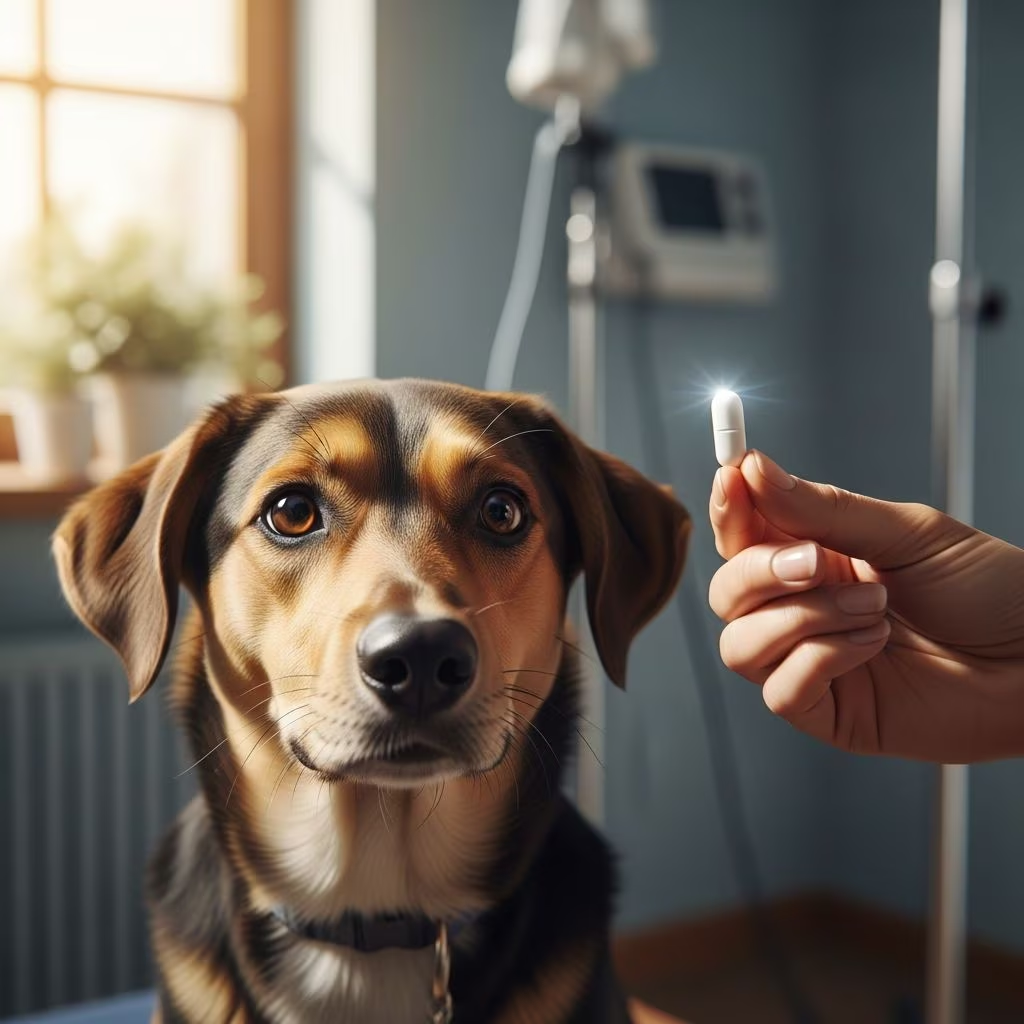
Trimethoprim-based antibiotics are widely prescribed in veterinary medicine to treat bacterial infections in dogs. When combined with sulfonamides such as sulfamethoxazole or sulfadiazine, these medications form effective antimicrobial agents known by brand names like Tribrissen. While generally considered safe when used appropriately, trimethoprim combinations can produce unwanted side effects ranging from mild gastrointestinal disturbances to serious systemic complications. Understanding these potential reactions helps pet owners recognize warning signs early and work effectively with their veterinarian to optimize treatment outcomes.
Recognizing Mild to Moderate Adverse Effects
The most frequently encountered side effects of trimethoprim medications in dogs are gastrointestinal in nature and typically resolve without intervention once the medication course concludes. These common reactions reflect the medication’s effects on the digestive system and do not usually indicate a serious condition requiring immediate medical attention.
- Reduced appetite or anorexia: Dogs may show decreased interest in food during treatment, ranging from mild pickiness to complete refusal of meals
- Vomiting: Regurgitation of stomach contents may occur shortly after medication administration, though not in every dosing
- Diarrhea: Loose or watery stools represent another common digestive manifestation
- Increased salivation: Some dogs, particularly cats, may drool excessively after receiving doses
- Lethargy and weakness: Reduced energy levels and general sluggishness may accompany gastrointestinal symptoms
Owners should maintain communication with their veterinarian about these symptoms but generally need not panic. The medication typically remains in the dog’s system for approximately 24 hours after the final dose, meaning these effects usually diminish quickly once treatment concludes. However, persistent or worsening gastrointestinal symptoms warrant immediate veterinary evaluation to rule out other complications.
Serious Complications Requiring Immediate Attention
Beyond the mild side effects commonly experienced, trimethoprim medications can trigger serious adverse reactions that demand prompt veterinary intervention. These complications, while less frequent than gastrointestinal upset, represent potentially life-threatening conditions requiring emergency care.
Dry Eye Disease (Keratoconjunctivitis Sicca)
One of the most significant concerns with trimethoprim use in dogs involves the development of dry eye syndrome, medically termed keratoconjunctivitis sicca or KCS. This condition occurs when the medication reduces tear production, compromising the eye’s protective mechanisms. The cornea and conjunctiva depend on adequate tear film to maintain health, and deficiency can lead to permanent vision damage if left untreated.
Signs of developing dry eye include crusty or yellowish-green discharge from the eyes, excessive squinting, noticeable redness of the conjunctiva, and apparent eye pain or discomfort. Dogs may also display increased blinking or reluctance to keep eyes open in bright light. Veterinarians can diagnose KCS through the Schirmer tear test, which quantifies tear production objectively.
This side effect typically develops during prolonged medication courses rather than short-term treatment. Immediate reporting of eye symptoms to the veterinarian is essential, as treatment with tear replacement products or medications that stimulate tear production can prevent permanent damage.
Blood and Bone Marrow Disorders
Trimethoprim compounds can suppress bone marrow function, leading to dangerous reductions in blood cell populations. These hematologic complications manifest through various mechanisms and clinical presentations:
- Anemia: Low red blood cell counts result in pale mucous membranes (gums, tongue, eye conjunctiva), lethargy, and weakness that exceed normal medication side effects
- Thrombocytopenia: Reduced platelet counts impair blood clotting, leading to unexplained bruising, bleeding gums, blood in urine or stool, and nosebleeds
- Leukopenia: Low white blood cell counts compromise immune function, increasing susceptibility to secondary infections
- Immune-mediated hemolytic anemia: In rare cases, the medication triggers an immune response that destroys the dog’s own red blood cells, causing acute and severe anemia
Dogs presenting with pale gums, unusual bleeding, or severe lethargy during trimethoprim treatment require immediate veterinary evaluation including complete blood count testing.
Hepatic and Renal Dysfunction
The liver and kidneys bear responsibility for metabolizing and eliminating trimethoprim medications from the body. Damage to these organs represents a serious adverse effect that may not become apparent until significant organ injury has occurred.
Liver damage can range from mild transient enzyme elevation detected only on blood work to severe hepatotoxicity causing jaundice, abdominal pain, and systemic illness. Kidney damage similarly may present as subtle increases in creatinine and urea on laboratory tests or as overt kidney failure with increased drinking and urination, vomiting, and loss of appetite.
Allergic and Hypersensitivity Reactions
Some dogs develop allergic reactions to trimethoprim or sulfonamide components ranging from mild skin manifestations to life-threatening anaphylaxis. Skin rashes, hives, facial swelling, and itching represent less severe presentations that still warrant veterinary evaluation and possible medication discontinuation.
Severe allergic reactions manifest as difficulty breathing, collapse, pale gums, or signs of shock and constitute veterinary emergencies requiring immediate hospitalization and emergency treatment. Histological studies in dogs and cats have documented specific reaction patterns including toxic epidermal necrolysis, erythema multiforme, and pemphigus foliaceus, with most adverse reactions occurring within 7-14 days of starting treatment.
Systemic and Long-Term Complications
Beyond acute adverse reactions, prolonged trimethoprim use can trigger systemic complications affecting multiple organ systems with delayed onset.
Thyroid Dysfunction
Extended trimethoprim administration has been associated with abnormal thyroid function tests and the development of hypothyroidism in dogs. This condition develops gradually and may not produce obvious clinical signs until substantial thyroid damage has occurred. Weight gain, lethargy, hair loss, and cold intolerance can indicate underlying hypothyroidism that developed during medication use.
Joint Inflammation
Polyarthritis or arthritis affecting multiple joints represents another less common but significant side effect. Dogs may develop lameness, joint swelling, pain with movement, and reluctance to exercise. This condition can persist even after discontinuing the medication, potentially causing chronic mobility issues.
Urinary Complications
Trimethoprim medications can precipitate crystalline material in urine, elevating the risk of urinary obstructions, hematuria (blood in urine), and recurrent urinary tract infections. While some crystalluria (crystals in urine) without symptoms occurs commonly and resolves with adequate hydration, stone formation can create life-threatening blockages requiring surgical intervention.
Breed-Specific Risk Factors
Certain dog breeds demonstrate heightened susceptibility to trimethoprim adverse effects and may require additional monitoring or alternative medications. Doberman Pinschers show particularly elevated risk of serious complications, while Samoyeds and Miniature Schnauzers also display increased sensitivity. Owners of these breeds should communicate this predisposition to their veterinarian before trimethoprim treatment begins, allowing for informed decision-making regarding benefits versus risks.
Critical Contraindications and Caution States
Trimethoprim medications should be avoided entirely in dogs with certain pre-existing conditions, while requiring careful monitoring in others. Understanding these distinctions helps prevent serious complications.
| Condition | Status | Rationale |
|---|---|---|
| Liver disease | Contraindicated | Cannot safely metabolize medication |
| Blood cell disorders | Contraindicated | Risk of severe bone marrow suppression |
| Sulfonamide allergy | Contraindicated | Prior hypersensitivity reaction likely to recur |
| Dehydration | Contraindicated | Increases urinary crystal formation and toxicity |
| Urinary stone history | Contraindicated | High risk of recurrent stone formation |
| Kidney disease | Use with caution | Impaired medication elimination |
| Pregnancy/nursing | Use with caution | Safety not established; potential fetal effects |
| Folate deficiency | Use with caution | Medication interferes with folate metabolism |
Managing Hydration and Medication Interactions
Maintaining adequate hydration during trimethoprim treatment helps prevent urinary crystal formation and reduces toxicity risk. Dogs receiving this medication should have constant access to fresh drinking water. Similarly, certain medications interact dangerously with trimethoprim, including methotrexate, phenylbutazone, salicylates, and anticoagulants, requiring veterinary awareness of all concurrent medications and supplements.
Recognizing Overdose Symptoms
Accidental overdose of trimethoprim medications can produce severe symptoms including severe gastrointestinal upset, depression and lethargy, facial swelling, bone marrow suppression, and elevated liver enzymes. Dogs displaying these symptoms require immediate veterinary attention or poison control consultation.
Frequently Asked Questions
How common are trimethoprim side effects in dogs?
Research indicates an incidence of approximately 0.25% for serious adverse reactions to trimethoprim-sulfonamide combinations, though mild gastrointestinal upset occurs more frequently. Most dogs tolerate the medication well when appropriate precautions are taken.
Can I give my dog trimethoprim if it has had a previous allergic reaction?
No. Prior allergic or hypersensitivity reactions to trimethoprim or sulfonamides represent absolute contraindications, as recurrence of the reaction is likely and potentially more severe.
How long does trimethoprim stay in a dog’s system?
Trimethoprim is a short-acting medication that should stop working within 24 hours of the final dose in dogs with normal liver and kidney function. However, pets with hepatic or renal disease may metabolize it more slowly, prolonging effects.
Should I be concerned about crystals in my dog’s urine during treatment?
Sulfa crystals in urine during trimethoprim treatment do not necessarily indicate a problem, particularly if the dog is well hydrated. However, veterinary monitoring through urinalysis helps ensure that stone formation is not developing.
What should I do if my dog refuses to eat while taking trimethoprim?
Mild appetite reduction is expected and typically resolves after treatment concludes. However, complete anorexia or persistent refusal to eat warrants veterinary evaluation to rule out liver damage or other serious complications.
References
- Sulfamethoxazole and Trimethoprim (Generic) Rx – VetRxDirect — VetRxDirect. https://www.vetrxdirect.com/product/view/sulfamethoxazole-and-trimethoprim-for-dogs-and-cats-rx
- Trimethoprim/Sulfadiazine (Tribrissen®) for Dogs and Cats — PetPlace. https://www.petplace.com/article/drug-library/drug-library/library/trimethoprimsulfadiazine-tribrissen-for-dogs-and-cats
- Sulfamethoxazole/Trimethoprim Antibiotics, Oral – PetCareRx — PetCareRx. https://www.petcarerx.com/sulfamethoxazole-and-trimethoprim/11762
- A retrospective evaluation of adverse reactions to trimethoprim-sulphonamide combinations in dogs and cats — PubMed/NCBI. 1996. https://pubmed.ncbi.nlm.nih.gov/8751272/
- SMZ-TMP for Dogs – Pet Medications — PetMD. https://www.petmd.com/pet-medication/smz-tmp-for-dogs
- Sulfamethoxazole & Trimethoprim 800mg/160mg (per tablet) — Entirely Pets Pharmacy. https://entirelypetspharmacy.com/smz-tmp-960-mg-per-tablet.html
- Sulfamethoxazole/Trimethoprim — VCA Animal Hospitals. https://vcahospitals.com/know-your-pet/sulfamethoxazole-trimethoprim



