

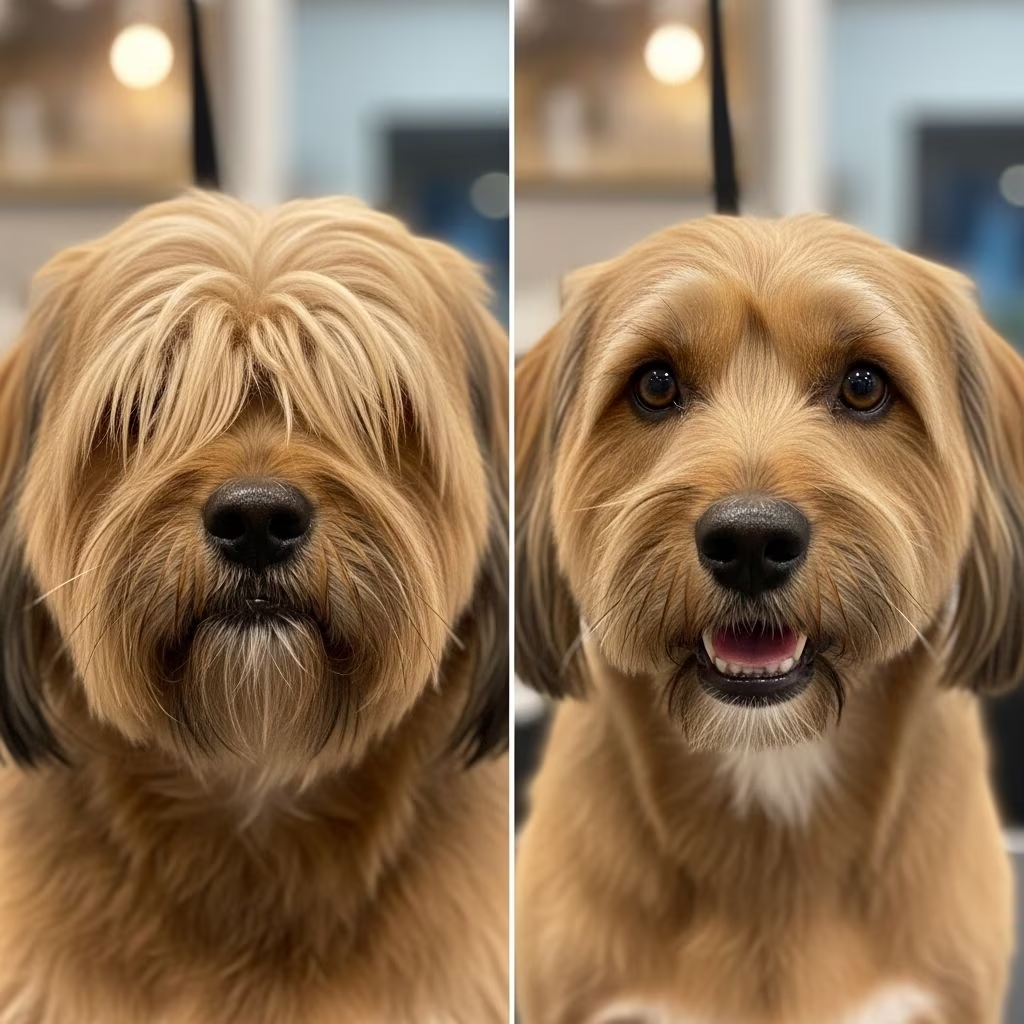
Why You Should Trim Your Dog’s Bangs
Many dog breeds naturally grow long hair that cascades over their eyes, creating an adorable appearance that has become synonymous with certain breed standards. Breeds such as the Old English Sheepdog, Afghan Hound, Bearded Collie, Havanese, Komondor, Lhasa Apso, Poodle, Puli, and Skye Terrier are known for their flowing facial locks. While these thick bangs may look enviable and cutting them might feel like a violation of their natural beauty, the reality is quite different: these dogs cannot see through their fur-covered eyes, and this impacts their quality of life in several significant ways.
As much as we admire their aesthetic appeal, your dog’s wellbeing should always take priority over breed standards or fashion. Here’s the truth that every dog owner should understand: just like humans, dogs cannot see through thick hair covering their eyes. While they can compensate to some degree using their nose and ears, other senses cannot fully replace the critical information that vision provides. So much important information about their environment is only available through visual perception, making clear eyesight essential for their safety, behavior, and overall quality of life.
1. They Can’t See Anything
The most obvious reason to trim fur covering your dog’s eyes is straightforward: they cannot see clearly. When hair hangs over their eyes, it obstructs their vision significantly, making it difficult for them to navigate their surroundings confidently. This impaired vision can lead to frequent collisions with furniture, doorways, and other obstacles around your home. Your dog will bump into things, stumble, and generally move through the world with confusion and uncertainty.
Beyond simple navigation, clear vision is crucial for dog-to-dog communication. Much of how dogs interact with each other relies heavily on visual cues. They read facial expressions, body language, and eye contact from other dogs to understand intentions, establish hierarchy, and engage in appropriate social behavior. When their own eyes are hidden or when they cannot see the eyes of other dogs clearly, their ability to communicate effectively becomes compromised. This can lead to misunderstandings and missed social cues that are essential for positive interactions.
2. It Can Be Stressful
Living with obstructed vision creates chronic stress for dogs, particularly those with anxious or fearful temperaments. When a dog cannot see their surroundings clearly, they are more likely to be caught off guard by sudden movements, unfamiliar people, or unexpected events. Being startled repeatedly throughout the day takes an emotional toll on your pet.
For fearful dogs especially, the inability to see what’s happening around them makes the world feel more threatening and unpredictable. They cannot prepare themselves for what’s coming because they cannot see it approaching. This constant state of mild anxiety or hypervigilance can negatively affect their overall wellbeing and behavior. Additionally, the stress of poor vision can lead to increased miscommunications with other animals and people, further heightening their anxiety. By trimming the fur away from their eyes, you provide them with a sense of security that comes from being able to see their full environment clearly.
3. Can Cause Eye Irritation
Beyond vision concerns, the physical presence of fur hanging over a dog’s eyes creates direct irritation problems. When long hair constantly touches and rubs against the eyeballs, it causes discomfort that many dogs experience daily. The hair can scratch the delicate surface of the cornea, irritate the conjunctiva, and cause general inflammation around the eyes.
This chronic irritation often leads to excessive tearing, eye discharge, and visible tear staining on the face. Dogs with fur covering their eyes frequently develop conditions such as chronic conjunctivitis, which is inflammation of the conjunctiva that lines the inner eyelid. The hair can trap moisture and debris against the eye surface, creating an ideal environment for irritation and discomfort. Your dog may constantly rub their eyes with their paws or their face on the ground, trying to relieve the irritation, which only makes the problem worse.
4. Even Worse, Potential Eye Damage
The most serious consequence of leaving fur to hang over your dog’s eyes is the risk of permanent eye damage. The constant friction of hair against the eyeballs can cause corneal ulcers—erosions in the clear outer layer of the eye that are extremely painful and can affect vision permanently if not treated promptly.
Additionally, the warm, moist environment created when fur covers the eyes encourages bacterial growth and infections. Unclean fur constantly touching the eye surface can introduce bacteria that cause serious infections requiring veterinary treatment and potentially leaving lasting damage. Infections can also spread deeper into the eye structure, leading to conditions that threaten your dog’s vision. Furthermore, persistent minor scratches from the fur can accumulate damage over time, making the cornea weak and prone to further injury.
Beyond the physical damage, the constant irritation and inflammation can lead to changes in the eye’s structure and function that reduce your dog’s visual acuity. Some dogs may eventually develop scarring on the cornea, which creates permanent vision loss even if the fur is eventually trimmed back.
Common Dog Breeds That Need Eye Grooming
Several breeds are particularly prone to having fur grow over their eyes as part of their natural coat development. Understanding which breeds need regular eye grooming helps owners stay proactive about their dog’s eye health:
- Afghan Hound – Known for exceptionally long facial hair that requires regular grooming
- Bearded Collie – Naturally grows long hair across the face and eyes
- Old English Sheepdog – Breed standard actually specifies a “full skull of fur,” though trimming is recommended for health
- English Sheepdog – Similar to Old English Sheepdog with extensive facial hair
- Havanese – Grows long silky hair that frequently covers eyes
- Komondor – Features unique corded coat that can obscure the face
- Lhasa Apso – Small breed with long hair that grows directly over the eyes
- Poodle – Various cuts exist, but many styles leave face hair intact
- Puli – Similar corded coat to Komondor that requires management
- Skye Terrier – Has long hair that naturally grows over the face
- Briard – French breed with long facial hair covering eyes
- Soft Coated Wheaten Terrier – Grows abundant facial hair that needs regular trimming
Debunking Common Myths About Fur Over Dogs’ Eyes
Myth #1: Fur Over the Eyes Provides Protection
One persistent belief is that hair covering a dog’s eyes protects them from sun exposure and other environmental hazards. However, this is a misconception. While it’s true that a dog’s eyes may initially blink or tear when exposed to bright light after having fur lifted away, this is simply a natural physiological response—the same way human eyes react when sunglasses are removed on a bright day. The eye quickly adjusts, and tearing actually cleans and protects the eye.
In reality, the fur constantly rubbing against the eye causes more damage than protection. Hair regularly touching the eyeballs creates micro-abrasions that can accumulate into serious problems. The fur traps moisture, debris, and bacteria against the eye surface, increasing rather than decreasing the risk of eye damage and infection.
Myth #2: Dogs Don’t Need Clear Vision Because They Rely on Other Senses
Another common argument is that since dogs have an excellent sense of smell, they don’t truly need clear vision to navigate the world. While it’s absolutely true that dogs possess remarkable olfactory abilities, this argument fundamentally misses the point: dogs have eyes because they are meant to use them.
Blind dogs do indeed rely heavily on their other senses, but they only do so out of necessity. A dog with functional vision should be able to use all of their senses in combination—smell, hearing, touch, and vision working together to create a complete picture of their environment. Deliberately obstructing working eyes is neither necessary nor beneficial. When vision is clear and available, it provides information that no other sense can replicate, such as facial expressions, color, and distant objects.
Safe Grooming Tips for Eye Area Trimming
If you decide to trim your dog’s facial hair yourself, safety must be your primary concern. Working near a dog’s eyes requires extra caution, patience, and the right equipment:
- Use proper grooming scissors or clippers designed for pet grooming, never regular scissors
- Have another person help hold your dog gently in place if possible
- Work in good lighting so you can see exactly what you’re trimming
- Introduce your dog to grooming tools slowly before attempting any trimming
- Cover your dog’s eyes gently with your hand from below the hair you’re cutting to help keep them calm
- Trim slowly and carefully, removing only the hair that actually covers the eyes
- Never pull the hair away from the eye while trimming, as this can cause injury
- Keep one hand positioned to prevent your dog from suddenly moving into the scissors
- If your dog resists or becomes anxious, stop and try again another day
- If you’re uncomfortable or your dog is particularly anxious, consult a professional groomer
Professional Grooming vs. DIY Trimming
While some dog owners successfully trim their dog’s eye area at home with practice, professional groomers have the training, experience, and proper tools to do this safely and effectively. If you’ve trimmed your own bangs at home or feel confident with grooming tasks, you may want to attempt this yourself. However, if you have any doubts about your ability to work safely around your dog’s eyes, professional help is worth the investment for your dog’s safety.
Professional groomers know how to position dogs safely, work efficiently around sensitive areas, and handle anxious pets with calming techniques. They also have experience recognizing signs of eye problems that might require veterinary attention.
Alternative Solutions: The Topknot
If you want to maintain the traditional breed appearance for show purposes or simply prefer the look, you don’t have to leave hair hanging in your dog’s eyes every day. A topknot—gathering the hair on top of the head and securing it with a clip or hair tie—keeps the hair off the eyes while still maintaining your dog’s appearance.
This solution is perfect for show dogs, as you can keep the hair long but secure it out of the eyes when your dog isn’t competing. Between show days, you can let the topknot down. For everyday living, using a topknot allows your dog to benefit from clear vision and eye health while preserving the traditional long-haired appearance when desired.
Frequently Asked Questions
Q: How often should I trim my dog’s eye area?
A: Most dogs need eye area trimming every 4-8 weeks, depending on their hair growth rate. Some fast-growing coats may need more frequent attention. Regular trimming prevents hair from causing irritation.
Q: Will trimming my dog’s eye hair change their appearance permanently?
A: No, hair will grow back. Trimming is not permanent, and the hair will return to its full length if you stop grooming. This makes it a reversible decision if you’re concerned about appearance.
Q: Can I use regular scissors to trim my dog’s eye area?
A: No, you should only use proper grooming scissors or clippers designed for pet use. Regular scissors can be dull, unsafe around the eyes, and may pull hair rather than cut cleanly.
Q: What if my dog is very anxious about having their face touched?
A: Start with gradual desensitization by letting your dog get used to having their face handled without grooming. Use positive reinforcement and take breaks. A professional groomer experienced with anxious dogs may be your best option.
Q: Are there medical eye conditions related to fur covering eyes?
A: Yes, prolonged hair coverage can cause chronic conjunctivitis, corneal ulcers, and infections. If your dog shows excessive tearing, discharge, redness, or eye rubbing, consult your veterinarian.
Q: Will my dog’s eyes be sensitive to light after trimming?
A: Your dog may initially blink or tear more in bright light due to sudden exposure, but this is a temporary natural response and doesn’t indicate a problem. Their eyes will adjust within minutes.
Q: Is breed standard more important than eye health?
A: Your dog’s health and wellbeing should always be the priority. While breed standards exist, no appearance is worth compromising your dog’s vision, comfort, and safety. Consider using a topknot for show purposes.
The Bottom Line
Trimming the fur that covers your dog’s eyes is one of the most important health decisions you can make for them. It improves their vision, reduces stress, prevents eye irritation and damage, and allows them to interact more effectively with their environment and other dogs. While certain breeds have long facial hair as part of their traditional appearance, your dog’s health must come first.
Whether you choose to trim carefully at home or seek professional grooming help, the key is ensuring your dog can see clearly. Your dog deserves to experience the world fully with all their senses working together. By trimming that facial hair, you’re not just improving their appearance—you’re dramatically improving their quality of life.
References
- Reasons to Trim Fur Over A Dog’s Eyes — Kinship. 2024. https://www.kinship.com/dog-health/reasons-trim-fur-over-dogs-eyes
- Let Dogs See: Issues with Hair Covering Their Eyes — Healthy Paws Pet Insurance. 2024. https://www.healthypawspetinsurance.com/blog/dog-care/problems-dogs-with-hair-over-their-eyes.html
- How to Groom a Dog Around the Eyes — Wag!. 2024. https://wagwalking.com/grooming/groom-a-dog-around-the-eyes



