

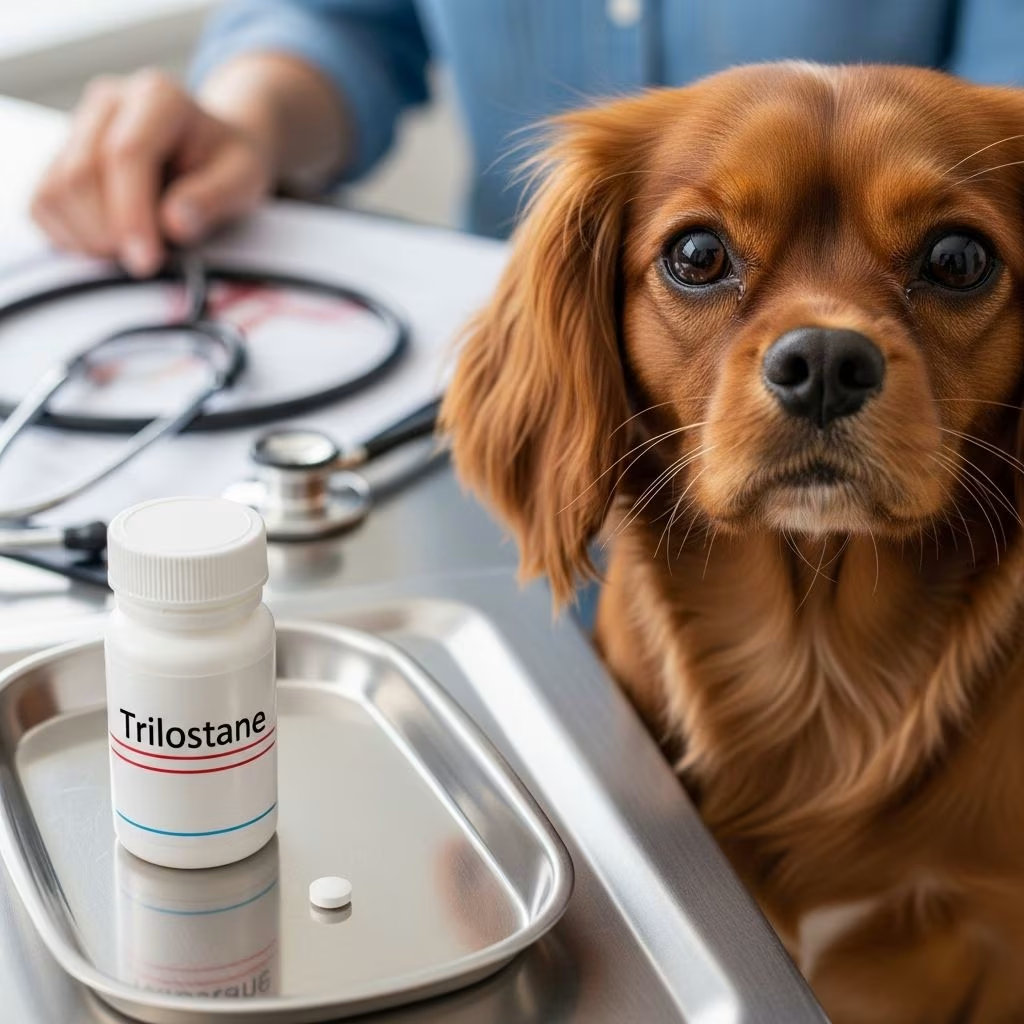
What is Trilostane?
Trilostane is a medication used to treat hyperadrenocorticism, commonly known as Cushing’s disease, in both dogs and cats. Available under multiple brand names including Vetoryl®, Desopan®, Modrastane®, and Modrenal®, trilostane works as an adrenosuppressant drug by blocking an enzyme required for hormone synthesis. This reversible inhibitor of 3ß-hydroxysteroid dehydrogenase helps regulate cortisol production in pets suffering from this condition. Additionally, trilostane is used off-label to treat alopecia X in dogs, a condition characterized by hair loss. The medication is approved for use in dogs and is commonly prescribed off-label for cats and alopecia X cases.
Trilostane has gained recognition as a safer alternative to older treatments like mitotane, which can be cytotoxic to the adrenal gland. The drug’s mechanism of action allows for more controlled suppression of cortisol without permanently damaging the adrenal tissue, making it a preferred choice for veterinarians managing Cushing’s disease in their patients.
How is Trilostane Administered?
Proper administration of trilostane is essential for treatment effectiveness and pet safety. Understanding the correct method of giving this medication ensures optimal therapeutic outcomes.
Oral Administration Guidelines
Trilostane is administered orally to your pet in capsule form. The following administration guidelines should be followed carefully:
- Give trilostane with food, preferably in the morning if dosing once daily
- Do not empty the capsule or attempt to divide the capsules
- Take precautions by washing your hands thoroughly after administering the medication
- Pregnant individuals or those trying to become pregnant should not handle this medication
- Never stop this drug without consulting your veterinarian first
The medication typically takes effect within 1 to 2 days of starting treatment. However, veterinarians may recommend different dosing schedules based on individual pet needs and response to therapy. Some dogs may benefit from twice-daily dosing protocols, particularly when cortisol suppression duration is shorter than anticipated.
Potential Side Effects
While trilostane is generally well-tolerated, pet owners should be aware of potential side effects that may occur, particularly during the initial phase of treatment.
Common Side Effects in Dogs
During the first few days of therapy, dogs may experience:
- Lethargy or reduced energy levels
- Vomiting
- Diarrhea
- Loss of appetite
Side Effects in Cats
Cats taking trilostane may develop:
- Lethargy
- Anorexia (loss of appetite)
- Dulled mental activity
Serious Adverse Reactions
More serious adverse reactions can occur without warning and may, in rare cases, be life-threatening. If your pet develops any of the following symptoms, stop administration immediately and contact your veterinarian:
- Vomiting
- Diarrhea
- Lethargy
- Shaking or tremors
- Increased drinking or urination
- Weakness
- Collapse
These symptoms may indicate an Addisonian crisis, a serious condition requiring immediate veterinary attention. The short-acting nature of trilostane means effects typically stop within 24 hours, though pets with liver or kidney disease may experience prolonged effects. In rare cases, prolonged adrenocortical suppression or even permanent hypoadrenocorticism can occur after extended treatment.
Risk Factors and Contraindications
Certain pets should not receive trilostane, and others require careful monitoring during therapy.
Do Not Use Trilostane If
Trilostane is contraindicated in pets that:
- Are hypersensitive or allergic to trilostane
- Are pregnant
Use With Caution In
Trilostane should be used cautiously in pets with:
- Kidney or liver impairment
- Nursing status
- Male dogs used for breeding (safe use has not been established)
These precautions ensure that the medication benefits outweigh potential risks for vulnerable populations of pets.
Drug Interactions
Several medications can interact with trilostane and should be used cautiously or avoided when possible. Inform your veterinarian about all medications, vitamins, supplements, and herbal therapies your pet is taking before starting trilostane treatment.
Medications requiring caution when used with trilostane include:
- ACE inhibitors such as benazepril or enalapril
- Ketoconazole
- Mitotane
- Potassium-sparing diuretics like spironolactone
- Potassium supplements
These interactions may potentiate or reduce the effectiveness of trilostane or lead to adverse effects. Your veterinarian will determine the safest medication combination for your pet’s specific health situation.
Monitoring and Follow-Up Care
Regular monitoring is crucial for successful trilostane therapy. Appropriate monitoring ensures the medication is working effectively and not causing harmful side effects.
At-Home Monitoring
Pet owners should closely monitor their pets for any adverse effects mentioned above. If any concerning symptoms develop, stop the medication and contact your veterinarian immediately. Keep a record of your pet’s behavior, appetite, water intake, and any unusual symptoms to share with your veterinarian during follow-up visits.
Veterinary Monitoring
Frequent and regular rechecks with your veterinarian are essential components of trilostane therapy. Your veterinarian will determine the appropriate monitoring schedule and may recommend:
- Adrenocorticotropic hormone (ACTH) stimulation tests
- Laboratory work to assess liver and kidney function
- Baseline cortisol measurements
- Post-trilostane cortisol measurements
These tests help ensure the medication is working properly, the dose is appropriate, and adverse effects are not occurring. Research has shown that measuring pre-trilostane cortisol concentrations and 3-hour post-trilostane cortisol levels better reflect clinical control in dogs with uncontrolled hyperadrenocorticism compared to traditional ACTH stimulation test results.
Emergency Protocols
In the event of an Addisonian crisis, immediate action is necessary. Glucocorticoids should be administered immediately, followed by emergency veterinary care. Your veterinarian should provide you with an emergency supply of glucocorticoids as a precautionary measure before beginning trilostane therapy.
If you suspect an overdose or adverse reaction to trilostane, call your veterinary office immediately. If they are unavailable, follow their emergency contact instructions. Be prepared to provide information about the medication, your pet’s weight, and the symptoms your pet is experiencing to ensure appropriate treatment.
Efficacy and Treatment Outcomes
Trilostane has demonstrated significant efficacy in treating both pituitary-dependent hyperadrenocorticism (PDH) and adrenal-dependent hyperadrenocorticism (ADH). The medication successfully controls most clinical signs associated with Cushing’s disease, and laboratory abnormalities typically improve with treatment, including decreased liver enzymes, improved cholesterol levels, and normalized urine specific gravity.
For alopecia X cases, trilostane offers a medical management option that may help restore hair growth and improve coat quality. Treatment response varies among individual pets, and some may require dose adjustments to achieve optimal results.
Frequently Asked Questions
Q: How quickly does trilostane start working?
A: Trilostane typically takes effect within 1 to 2 days of starting treatment, though individual response times may vary depending on the pet and dosage prescribed.
Q: Can trilostane be used in cats?
A: Yes, trilostane can be used off-label in cats to treat hyperadrenocorticism. It appears more effective than alternative treatments in feline patients.
Q: How long does the effect of trilostane last?
A: Trilostane effects typically last less than 12 hours in most dogs, though this can vary. The medication should stop working within 24 hours in pets with normal liver and kidney function.
Q: What should I do if I miss a dose?
A: Contact your veterinarian for guidance. Do not double up on doses. Your veterinarian will advise whether to skip the missed dose or administer it later.
Q: Is trilostane safer than mitotane?
A: Yes, trilostane is considered safer than mitotane because it is a reversible enzyme inhibitor, while mitotane is cytotoxic to adrenal tissue. Similar efficacy with fewer adverse effects has been reported with trilostane.
Q: What happens if trilostane is discontinued suddenly?
A: Never stop trilostane without consulting your veterinarian. Abrupt discontinuation could lead to a return of Cushing’s disease symptoms. Your veterinarian will provide guidance on proper discontinuation if needed.
References
- Update on the use of trilostane in dogs — National Center for Biotechnology Information (NCBI), National Library of Medicine. 2018-03-09. https://pmc.ncbi.nlm.nih.gov/articles/PMC5855282/
- Trilostane — VCA Animal Hospitals. 2024-11-28. https://vcahospitals.com/know-your-pet/trilostane
- Monitoring strategies for trilostane therapy in dogs with Cushing’s syndrome — American Animal Hospital Association (AAHA). 2024-11-28. https://www.aaha.org/newstat/publications/monitoring-strategies-for-trilostane-therapy-in-dogs-with-cushings-syndrome/



