

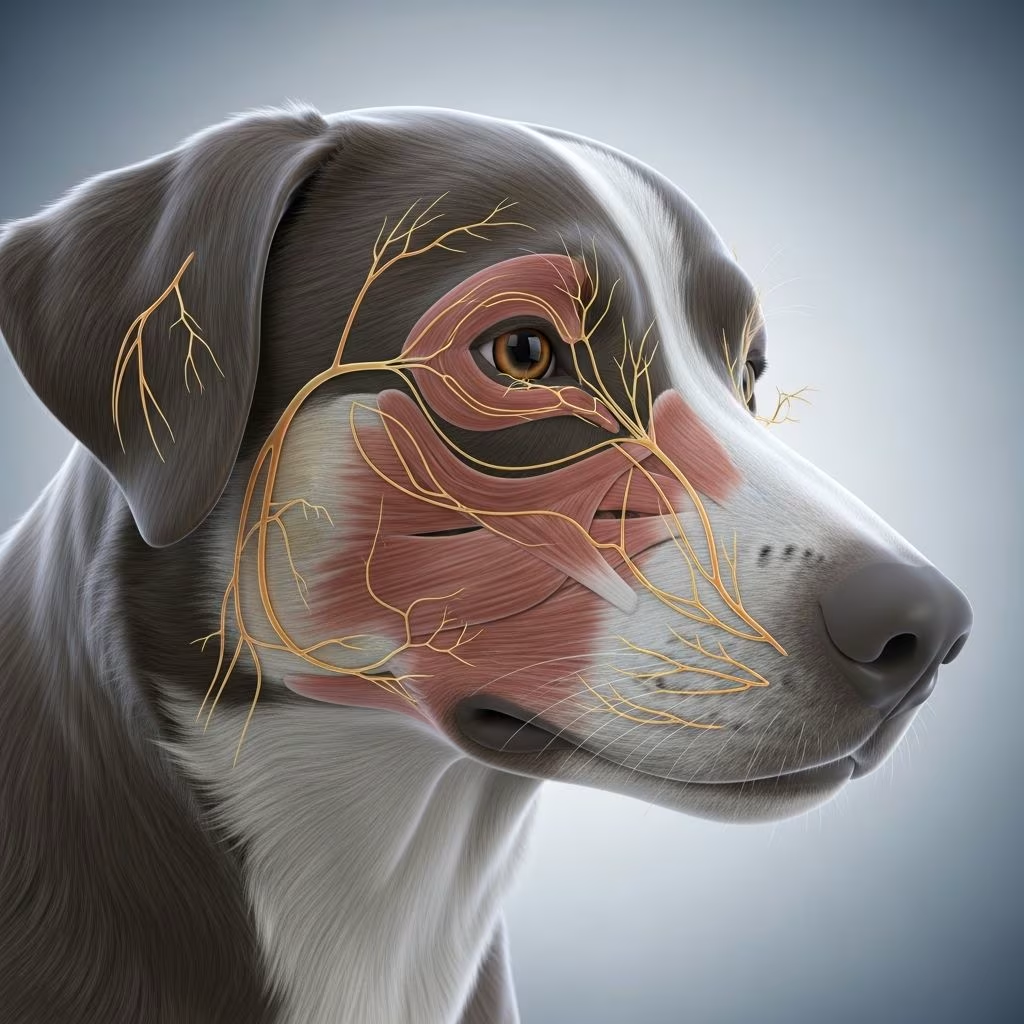
Trigeminal neuralgia, also known as trigeminal neuropathy or neuritis in veterinary contexts, is a debilitating condition affecting the trigeminal nerve in dogs. This nerve controls facial sensations and jaw movements, leading to severe pain episodes or jaw dysfunction that can significantly impact a dog’s daily life. Early recognition and proper management are crucial for alleviating discomfort and promoting recovery.
Understanding the Trigeminal Nerve and Its Role
The trigeminal nerve, or cranial nerve V, is vital for dogs. It has three main branches: the ophthalmic branch for eye sensation, the maxillary branch for the upper jaw and muzzle, and the mandibular branch for the lower jaw, teeth, and chewing muscles. When inflamed or irritated, it disrupts normal functions like eating, drinking, and facial expression.
In dogs, trigeminal issues often manifest as acute onset problems rather than chronic human-like neuralgia. Inflammation leads to nerve malfunction, causing dropped jaws or pain signals. Breeds like Golden Retrievers and Labrador Retrievers may show higher susceptibility, though any dog can be affected.
Common Symptoms and Signs to Watch For
Owners often notice sudden changes in their dog’s behavior. Key symptoms include:
- A dropped or dangling lower jaw, making it hard to close the mouth.
- Difficulty eating or drinking, leading to drooling or weight loss.
- Facial twitching, rubbing the face on objects, or yelping in pain.
- Excessive salivation or reluctance to chew hard food.
- Muscle weakness in the jaw, with the head held low to compensate.
Unlike constant pain, episodes may come in flares triggered by touch, cold, or movement. Distinguish this from masticatory muscle myositis, where muscles swell, or nerve sheath tumors causing progressive weakness.
Causes and Risk Factors
Idiopathic trigeminal neuritis is most common, with no clear cause—likely immune-mediated inflammation resolving spontaneously. Other triggers include:
- Trauma to the face or skull.
- Infections like Lyme disease or fungal issues.
- Neoplasia, such as trigeminal nerve sheath tumors in older dogs.
- Autoimmune conditions mimicking neuralgia.
Young to middle-aged dogs are typically affected by acute neuritis, recovering fully, while chronic cases in seniors may signal tumors needing radiation.
Diagnostic Approaches in Veterinary Practice
Veterinarians start with a physical exam, checking jaw tone and facial reflexes. Key diagnostics:
| Test | Purpose | Findings in Trigeminal Issues |
|---|---|---|
| Neurological Exam | Assess cranial nerves | Absent jaw tone, reduced facial sensation |
| Bloodwork | Rule out infections/autoimmunity | Elevated inflammatory markers |
| Advanced Imaging (MRI/CT) | Visualize nerve/brain | Nerve swelling or masses |
| CSF Tap | Check spinal fluid | Normal in idiopathic cases |
No single test confirms it; diagnosis is often by exclusion. Pain assessment uses behavior scales, as dogs can’t verbalize.
Primary Treatment Options: Medications That Work
For painful neuralgia variants, medications target nerve stabilization and inflammation. Proven options include:
- Gabapentin: Calms overexcited nerves; common first-line, with mild sedation.
- Carbamazepine: Stabilizes membranes; gold standard from human use, requires blood monitoring.
- Pregabalin: Potent gabapentin alternative for refractory pain.
- Prednisone: Short-term anti-inflammatory; not always effective for neuritis but useful in flares.
- Baclofen: Relaxes associated muscle spasms.
- Amitriptyline/Phenytoin: Tricyclic antidepressant or anticonvulsant for chronic cases.
Doses are tailored; multi-drug therapy often needed. Steroids don’t speed neuritis recovery but may help inflammatory components.
Supportive Care: Essential for Recovery
Supportive measures are cornerstone, especially for neuritis where jaws drop:
- Soft, warmed food fed by hand or elevated bowls.
- Syringe water carefully to prevent aspiration.
- Tape muzzles to support jaw gently.
- Passive jaw exercises to prevent atrophy.
Nutrition is critical—use high-calorie gruels if needed. Most recover eating independently in 2-3 weeks.
Holistic and Adjunctive Therapies
Beyond meds, integrate:
- Acupuncture: Reduces pain signals; well-tolerated.
- Physical Therapy: Maintains jaw strength.
- Massage: Neck/shoulder relief, avoiding face.
- Environmental Mods: Ramps, calm routines, weather awareness for barometric triggers.
Stress reduction via routines enhances outcomes.
Prognosis and Long-Term Outlook
Idiopathic cases recover in 3-4 weeks, up to 10 weeks max; full function returns in 90%+. Chronic neuralgia or tumors have guarded prognoses, with radiation for masses. Monitor for recurrence; quality of life remains good with management.
Preventive Measures and When to See a Vet
No true prevention, but prompt vet visits for facial changes are key. Annual checkups catch early signs. Avoid face trauma during play.
Frequently Asked Questions (FAQs)
Is trigeminal neuralgia painful for dogs?
Acute neuritis is often not painful due to nerve paralysis, but neuralgia variants cause sharp flares.
How long does recovery take?
Typically 2-4 weeks for neuritis; full in 3 weeks average.
Do steroids help?
Not proven to speed recovery in idiopathic cases; supportive care suffices.
Can it affect hearing or eyes?
No, trigeminal spares those; broader issues suggest other problems.
Is surgery an option?
Rarely; radiation for tumors.
Consult a veterinary neurologist for persistent cases. With diligence, dogs thrive post-diagnosis.
References
- Trigeminal Neuralgia in Dogs: 7 Proven Medications for Relief — ThePetVet.com. 2023. https://thepetvet.com/trigeminal-neuralgia-in-dogs/
- Trigeminal Neuritis – Veterinary Neurology — Brewer Neuro Vet. 2024. https://brewerneurovet.com/trigeminal-neuropathy/
- Trigeminal Neuritis in Dogs: Dropped Jaw Symptoms, Treatment — ToeGrips.com. 2023. https://toegrips.com/trigeminal-neuritis-dogs/
- Masticatory Muscle Myositis, Trigeminal Neuritis, and Trigeminal Nerve Sheath Tumor — Southeast Veterinary Neurology. 2024. https://sevneurology.com/blog/masticatory-muscle-myositis-trigeminal-neuritis-trigeminal-nerve-sheath-tumor
- Trigeminal Neuritis — Metropolitan Veterinary Associates. 2023. https://metro-vet.com/trigeminal-neuritis/
- Idiopathic Trigeminal Neuropathy Fact Sheet — Vet Specialists. 2024. https://www.vetspecialists.co.uk/fact-sheets-post/idiopathic-trigeminal-neuropathy-fact-sheet/



