

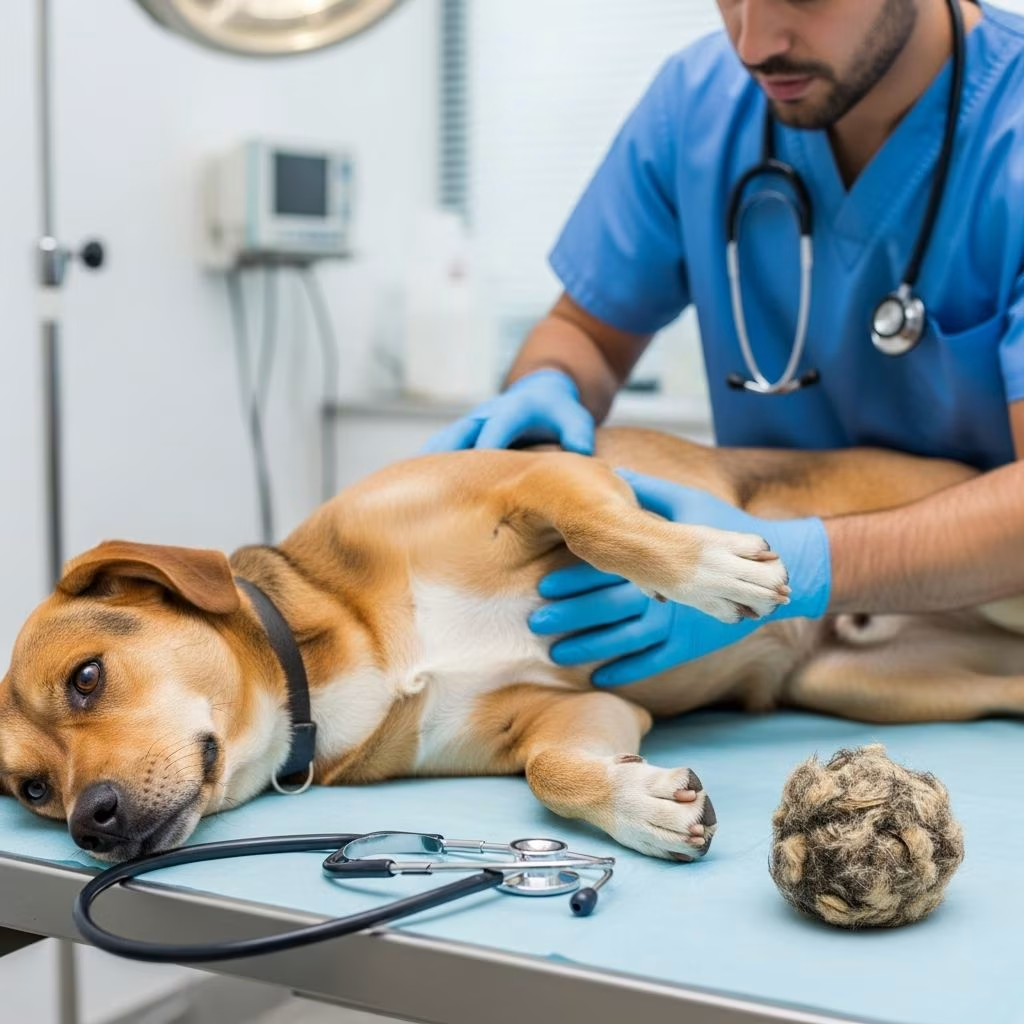
Understanding Trichobezoars in Dogs
Trichobezoars, commonly known as hairballs in dogs, are collections of hair that accumulate in the stomach or intestines. The term “trichobezoar” comes from two parts: “trich” meaning hair, and “bezoar” referring to any foreign material that becomes lodged in the gastrointestinal (GI) tract. While many pet owners associate hairballs primarily with cats, dogs can develop this condition as well, though it occurs less frequently. When a trichobezoar forms, it creates a dense mass of hair that can either be vomited up by the dog or, in more serious cases, become stuck in the digestive tract, causing a potentially life-threatening obstruction.
What Exactly Is a Trichobezoar?
A trichobezoar is essentially a matted clump of hair that accumulates within a dog’s stomach or intestines. Unlike what the name might suggest, these hairballs are not always spherical in shape. When vomited up, they typically appear as long, tubular masses with bits of hair protruding from the surface, resembling the shape of a cigar or sausage more than an actual ball. Larger trichobezoars that become obstructive develop into dense, compressed balls of hair that cannot move forward through the intestines or backward up through the esophagus.
Hair itself is composed primarily of a protein called keratin, which is non-digestible by dogs. When dogs ingest small amounts of their own hair or that of other animals through grooming or environmental exposure, these tiny strands normally pass through the digestive system and exit in the stool. However, when excessive amounts of hair are swallowed, or when hair becomes tangled around other foreign objects like plant matter or animal hide, the accumulated mass can form a trichobezoar.
Who Is at Risk for Developing Trichobezoars?
While any dog that engages in licking and grooming behavior can develop a trichobezoar, certain dogs face higher risk levels than others. The primary risk factors include:
– Dogs with skin conditions that cause chronic itching, leading to habitual overgrooming and excessive licking of their haircoat- Dogs with medium to long haircoats, as longer hair matts together more easily- Dogs that hunt or scavenge and consume whole animals or carcasses, including their feathers and fur- Dogs that frequently lick other dogs or objects in their environment
Trichobezoars are most commonly observed in dogs with underlying skin conditions that trigger excessive grooming behaviors. The continuous licking and chewing of their coat leads to swallowing far greater quantities of hair than a normal dog would consume. Dogs with longer coats are particularly susceptible because their longer strands are more prone to matting together into larger, more problematic masses.
Causes of Trichobezoars in Dogs
The development of trichobezoars in dogs stems from excessive hair ingestion, which occurs through several different mechanisms. The most common cause is overgrooming related to skin conditions such as allergies, parasites, or dermatitis. When a dog’s skin is itchy or uncomfortable, the dog will lick and chew its coat more frequently, ingesting significantly more hair than normal.
Predatory behavior also contributes to trichobezoar formation in some dogs. Dogs with strong prey drives that eat whole animals or carcasses may ingest large pieces of haired hide that cannot move easily through the gastrointestinal tract. For this reason, keeping your dog on a leash or under direct supervision is important to prevent them from consuming things they shouldn’t.
Additionally, some dogs may develop trichobezoars simply from their normal grooming routine combined with shedding, particularly if they have medium or long haircoats. Environmental factors, such as access to other animals’ fur or excessive contact with loose hair, can also increase the risk. The key difference between normal hair ingestion and problematic accumulation lies in the quantity and whether the hair becomes tangled or matted.
Recognizing the Signs and Symptoms
The symptoms of trichobezoars in dogs vary depending on whether the hairball is causing an obstruction or simply passing through the digestive system naturally.
Non-Obstructive Trichobezoars
In many cases, the primary sign that a dog has a trichobezoar is discovering the actual vomited hairball on your floor. The hairball typically appears as a cylindrical or tubular mass, similar to what you might see in a cat. It may be wet and soggy or dry and compact, depending on how recently it was vomited. If your dog has vomited up a hairball and is otherwise acting normally, eating well, and has no further vomiting episodes, the situation is generally less concerning.
Another indicator of hair passage through the digestive system is the appearance of stringy, elongated material in your dog’s stool. When large amounts of hair are passing through the intestines, they exit the body in a distinctive stringy pattern rather than in normal stool consistency.
Obstructive Trichobezoars
When a trichobezoar becomes lodged in the intestinal tract, it creates a medical emergency that requires immediate veterinary attention. Signs of an obstructive trichobezoar include:
– Chronic or repeated vomiting, particularly vomiting that occurs without the hairball being expelled- Decreased appetite or refusal to eat- Abdominal pain or discomfort (the dog may appear uncomfortable when their abdomen is touched)- Lack of bowel movements or constipation- Lethargy or depression- Inability to keep down food or water
Obstructive trichobezoars are particularly dangerous because they reduce blood flow to the gastrointestinal tract and increase the risk of aspiration—where stomach contents are inadvertently breathed into the lungs. These complications can lead to serious health consequences if not treated promptly.
How Veterinarians Diagnose Trichobezoars
Diagnosis of trichobezoars depends on the clinical presentation and severity of the condition.
Visual Evidence
The most straightforward diagnosis occurs when a pet parent witnesses their dog vomiting up a hairball and brings evidence of this to their veterinarian. Simply showing your vet what your dog expelled often confirms the diagnosis without the need for additional testing.
Diagnostic Workup for Suspected Obstruction
If your dog presents with signs of gastrointestinal obstruction or has a history of chronic, intermittent vomiting, your veterinarian will likely recommend diagnostic testing. Radiographs (X-rays) are typically the first imaging study performed to look for unusual gas patterns in the gastrointestinal tract that might indicate an obstruction.
However, trichobezoars present a diagnostic challenge because hair does not readily show up on standard X-rays. This makes identification difficult when relying on radiographic imaging alone. Your veterinarian may recommend additional testing, such as contrast studies, where the dog swallows a special dye that helps visualize the digestive tract more clearly on X-rays.
In some cases, your veterinarian may also recommend food trials using hypoallergenic or high-fiber diets, particularly if an underlying skin condition is suspected as the cause of excessive grooming.
Exploratory Surgery
When other diagnostic methods cannot definitively identify a foreign object in the gastrointestinal tract, but your veterinarian still suspects an obstruction, an abdominal exploratory surgery may be recommended. This surgical procedure involves making an incision into the abdomen and systematically examining all the organs, including the stomach and intestines, to locate any abnormalities. While exploratory surgery is more invasive, it remains one of the most reliable ways to diagnose and treat obstructive trichobezoars.
Treatment Options for Trichobezoars
Treatment for trichobezoars depends on the severity and whether the hairball is causing an obstruction.
Non-Obstructive Cases
If your dog vomits up the trichobezoar and continues eating normally with no further vomiting, medical intervention may not be necessary beyond close monitoring. Some dogs pass hair through their system without incident when mild cases are supported with dietary adjustments or laxatives to promote normal bowel movements.
Surgical and Endoscopic Removal
When a trichobezoar causes an obstruction, it must be removed. In some cases, particularly when the hairball is located in the stomach, removal may be possible using an endoscope—a thin, flexible tube that is passed down the dog’s esophagus into the stomach, allowing the veterinarian to visualize and potentially remove the trichobezoar without making a surgical incision.
For many obstructive trichobezoars, particularly those that have become wire-like from twisted strands of hair or those located deeper in the intestinal tract, surgical removal becomes necessary. The twisted strands of hair can potentially perforate the stomach or intestines, making surgical intervention critical.
Recovery and Post-Treatment Management
Recovery from a trichobezoar depends largely on the severity of the condition and the treatment required.
Post-Vomiting Recovery
If your dog has vomited up a hairball without complications, recovery is usually straightforward, requiring only monitoring at home.
Post-Surgical Recovery
For dogs requiring surgery to remove an obstructive trichobezoar, recovery typically takes approximately 10 to 14 days. During this period, it’s crucial to:
– Keep your pet’s activity level very low to allow proper healing- Use a dog recovery collar (such as an Elizabethan cone) at all times when your dog is not under direct supervision- Follow your veterinarian’s specific post-operative care instructions- Administer any prescribed medications as directed- Attend follow-up appointments to ensure proper healing
Post-operative dogs may require intravenous fluids to maintain blood pressure and intensive nursing care, particularly during the initial recovery phase.
Prevention Strategies
Preventing trichobezoars is significantly easier than treating them. Key prevention strategies include:
– Regular grooming to reduce loose hair and prevent matting- Prompt treatment of any skin conditions that cause itching or excessive grooming- Supervision during outdoor time to prevent your dog from consuming animal carcasses or other inappropriate materials- Maintaining a healthy diet to support skin and coat health- Keeping your dog on a leash during walks and outdoor activities- Monitoring your dog’s licking and grooming behaviors for signs of excessive activity
Frequently Asked Questions About Trichobezoars
Q: Can all dogs develop trichobezoars?
A: Any dog that licks and grooms themselves or other dogs is at risk for developing a trichobezoar, though dogs with skin conditions and longer coats are at higher risk.
Q: What should I do if my dog vomits up a hairball?
A: If your dog vomits up a hairball and continues eating normally without further vomiting and appears otherwise healthy, monitor them closely. Contact your veterinarian if vomiting continues or your dog shows signs of obstruction.
Q: Are trichobezoars always surgical emergencies?
A: No. While obstructive trichobezoars are medical emergencies requiring immediate treatment, non-obstructive hairballs that are vomited up typically resolve without surgery.
Q: How long does recovery take after trichobezoar surgery?
A: Recovery from surgical removal of a trichobezoar typically takes 10 to 14 days, during which activity should be minimized and a recovery collar should be worn.
Q: Can I prevent trichobezoars in my dog?
A: Yes, regular grooming, treatment of skin conditions, supervision outdoors, and preventing your dog from consuming inappropriate materials can help prevent trichobezoar formation.
Q: Why are trichobezoars harder to diagnose than cat hairballs?
A: Hair does not readily show up on X-rays, making trichobezoars in the stomach particularly challenging to visualize through standard radiographic imaging alone.
References
- Can Dogs Get Hairballs? Everything To Know About Trichobezoars — PetMD. 2024. https://www.petmd.com/dog/conditions/digestive/dog-hairballs
- Hairballs in Dogs — Dog News. https://dognews.com/merry-fitzgerald-dvm-explains-how-hairballs-form-in-dogs-how-to-treat-them
- Cody and the Curious Case of the Trichobezoar — McDowall Vets. https://mcdowallvets.com.au/cody-and-the-curious-case-of-the-trichobezoar/
- The Danger of Hairballs — Cornell University College of Veterinary Medicine. https://www.vet.cornell.edu/departments-centers-and-institutes/cornell-feline-health-center/health-information/feline-health-topics/danger-hairballs
- Hairballs: Myths and Realities behind some Medical Curiosities — U.S. National Library of Medicine. https://medicalmuseum.health.mil/index.cfm?p=visit.exhibits.virtual.hairball.index
- Hairballs in Dogs — Joii Pet Care. https://www.joiipetcare.com/blogs/health-conditions/hairballs-in-dogs



