

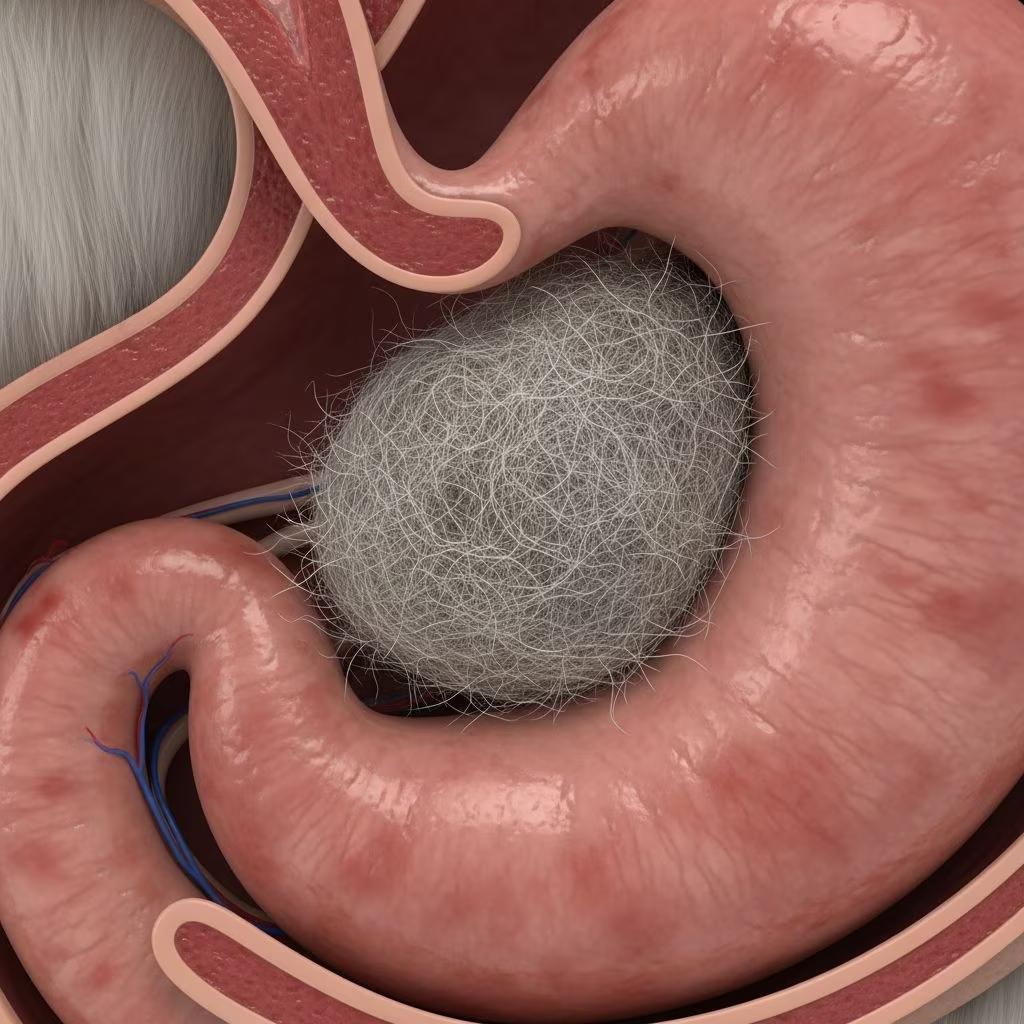
Understanding Trichobezoars in Cats
Trichobezoars, commonly known as hairballs, are cylindrical masses of ingested hair that accumulate in a cat’s digestive system. The term “trichobezoar” comes from the Greek word “tricho,” meaning hair, and “bezoar,” which refers to any foreign material that forms clumps within the gastrointestinal tract. While occasional hairballs are a normal part of feline life, understanding their causes, symptoms, and treatment options is essential for cat owners who want to maintain their pet’s health and comfort.
Trichobezoars form as a direct result of a cat’s natural grooming behavior. As cats groom themselves using their rough tongues with tiny hook-like barbs, they ingest varying quantities of loose hair and other materials from their coat. Much of this ingested hair passes through the digestive tract normally and is eliminated in the feces. However, when hair accumulates in the stomach or intestines faster than it can be moved along, it becomes enmeshed in the gastric mucosa and eventually conglomerates into solid masses. While cats typically vomit up hairballs to expel them naturally, complications can arise when these masses become too large or cause obstructions.
How Trichobezoars Form in Cats
The formation of trichobezoars is a complex process that begins with the simple act of grooming. Single strands of ingested hair are too small to be moved by peristalsis (the wave-like muscle contractions that move food through the digestive tract), so they become enmeshed in the stomach’s lining. Over time, as a cat ingests more hair during grooming sessions, these individual strands conglomerate into increasingly larger masses.
Long-haired breeds such as Persians and Maine Coons are at significantly higher risk of developing problematic trichobezoars because short hair passes more readily through the pylorus (the valve between the stomach and small intestine) and intestines. Additionally, cats with excessive grooming behaviors—whether due to pruritus (itching) from skin allergies or other underlying conditions—may accumulate larger amounts of hair in their gastrointestinal tract.
Gastric motility disorders also play a crucial role in trichobezoar formation. Some cats have retention pockets in their digestive tract or conditions that impair normal gastrointestinal movement, causing hair to accumulate rather than progress through the system. When hair or hair combined with plant material is chronically retained in the stomach, it can cause pyloric outflow obstruction and may even form calcified concretions over time.
Recognizing Symptoms of Trichobezoars
The clinical signs of trichobezoars vary depending on whether the hairball is causing a partial blockage, moving through the digestive system, or creating a complete obstruction. Understanding these symptoms is vital for determining when veterinary intervention is necessary.
Common Symptoms
The most frequent signs of trichobezoar problems include:
- Vomiting of food, mucus, and/or hairballs
- Retching, gagging, or hacking prior to vomiting
- Reduction of appetite or anorexia
- Abdominal pain and discomfort
- Constipation
These symptoms typically indicate that the hairball is either in the stomach or beginning to cause minor obstruction. Most cats will successfully expel the trichobezoar through vomiting, after which symptoms resolve completely.
Severe Obstruction Symptoms
When a trichobezoar becomes too large to pass or causes significant obstruction, more severe symptoms emerge:
- Repeated vomiting lasting more than 24 hours
- Ongoing retching without producing a trichobezoar
- Severe abdominal pain and distension
- Lethargy and depression
- Diarrhea or constipation
- Weight loss or failure to gain weight
Physical examination may reveal dilated loops of small intestine proximal to the obstruction, and if the hairball is large enough, a veterinarian may palpate a mass within the abdomen. It is important to note that gastrointestinal masses in cats are most commonly neoplastic (cancerous), so appropriate investigations are essential to avoid giving the owner an erroneously poor prognosis based on misdiagnosis.
Potential Complications of Trichobezoars
While many trichobezoars resolve on their own, serious complications can develop if the hairball becomes large or lodges in specific locations within the digestive tract.
Intestinal Obstruction
When a trichobezoar passes into the small intestine, it may cause partial or complete intestinal obstruction, leading to vomiting and significant abdominal discomfort. This condition requires immediate veterinary attention and may necessitate surgical intervention.
Esophageal Obstruction
In rare cases, a hairball may become entrapped in the esophagus (food tube), producing signs of esophageal obstruction and potentially leading to esophagitis and esophageal stricture. When published reports of esophageal hairballs are examined, co-existing esophageal disease is frequently found, making it difficult to determine whether the hairball caused the damage or became trapped because of pre-existing disease.
Nasopharyngeal Complications
In unusual situations, a cat may vomit a trichobezoar into the nasopharynx (the space above the soft palate), producing sudden-onset sneezing, retching, and subsequent halitosis (bad breath) as well as nasal discharge. This complication resolves once the trichobezoar is cleared.
Diagnosing Trichobezoars
Occasional trichobezoars vomited up by a cat are normal and usually do not require further diagnostics. However, when trichobezoars occur frequently, persistently for more than 24 hours, or suddenly appear in an older cat, diagnostic investigation is warranted to rule out underlying conditions.
Diagnostic Tests
When a veterinarian suspects trichobezoar complications or underlying disease, the following diagnostic approaches may be employed:
- Routine blood screens, including complete blood cell count to evaluate red and white blood cell counts and morphology
- Blood chemistry profile to assess kidney and liver function, serum electrolytes, blood protein levels, and blood glucose levels
- Thyroid screening through a total T4 test
- Urinalysis to further evaluate kidney function and urinary tract health
- Fecal examination to check for intestinal parasites
- Gastric endoscopy to visualize the stomach directly
- Radiographic imaging (X-rays) to identify obstructions or other gastrointestinal abnormalities
- Ultrasound to evaluate abdominal organs and identify hairballs or other masses
These diagnostic tools help veterinarians differentiate between simple hairballs and more serious underlying conditions such as inflammatory bowel disease, motility disorders, or gastrointestinal neoplasia.
Prevention Strategies for Trichobezoars
Preventing trichobezoar formation is far more effective and less stressful than treating complications. Several strategies can significantly reduce the incidence of problematic hairballs in cats.
Regular Grooming
Daily brushing or combing removes loose hair from a cat’s coat before it can be ingested during grooming. This preventive measure is particularly important for long-haired breeds. Regular grooming sessions also provide an opportunity to monitor skin health and detect early signs of excessive shedding or pruritus.
Environmental Management
Providing cats with access to natural ballast—materials that stimulate intestinal movement—can help prevent trichobezoar accumulation. Some cats benefit from grass or specially designed pet plants that aid in normal gastrointestinal function. Ensuring cats have adequate opportunities to engage in natural behaviors and maintain appropriate activity levels supports overall digestive health.
Dietary Modifications
Nutrition plays a crucial role in hairball prevention. Special commercial cat foods and treats that are high in fiber are designed to help bind hair and stimulate the gastrointestinal tract to move trichobezoars along naturally. Additionally, a grain-free diet may be beneficial for cats that vomit frequently, as grain-based foods are high in carbohydrates, which can alter gut flora and affect a cat’s ability to pass hair normally through the intestinal tract.
Addressing Underlying Conditions
Effective flea control and treatment of any skin allergies or pruritus can significantly reduce excessive grooming and subsequent hair ingestion. Regular veterinary check-ups should include questions about hairball elimination to identify cats at risk for chronic gastrointestinal disease.
Treatment Options for Trichobezoars
Treatment approaches depend on whether the trichobezoar is causing simple vomiting or serious obstruction. Most cats successfully expel hairballs naturally through vomiting, but medical and surgical interventions are available when complications arise.
Medical Management
For cats experiencing recurrent trichobezoars or those at risk for complications, prokinetic medications—drugs that enhance gastrointestinal muscle contractions—can be highly effective.
Metoclopramide: This medication has a prokinetic effect on the stomach, resulting in increased antral contractility. The typical dosage is 0.2–0.4 mg/kg administered orally every six hours. While effective, its practical utility as a long-term preventive treatment may be limited by its short half-life, which requires oral dosing every six hours to maintain its effect. However, less frequent dosing may be effective in some cases.
Cisapride: Although not licensed for use in cats, cisapride is an effective prokinetic agent in this species, with effects at all levels of the gastrointestinal tract from the lower esophageal sphincter through the colon. The typical dosage is 1.5 mg/kg administered orally every twelve hours. In dogs, cisapride has been shown to be a more effective gastric prokinetic than metoclopramide, and evidence suggests similar efficacy in cats.
Surgical Intervention
When a trichobezoar causes complete intestinal obstruction or cannot be managed medically, surgical removal may be necessary. Gastrotomy (surgical opening of the stomach) or enterotomy (surgical opening of the intestine) allows the veterinarian to remove the hairball directly. It is worth noting that recurrence after surgical removal has been reported in cats despite regular grooming, flea control, and administration of laxatives, highlighting the importance of addressing underlying causes.
Laxatives and Lubricants
Certain lubricating laxatives can help ease the passage of hairballs through the gastrointestinal tract. These products work by reducing friction and facilitating normal bowel movements, though they are generally most effective for prevention rather than treatment of existing obstructions.
When to Seek Veterinary Care
Cat owners should contact their veterinarian urgently in the following situations:
- Trichobezoars are occurring frequently in a previously healthy cat
- Trichobezoars are occurring repeatedly for more than 24 hours
- A cat is vomiting and coughing without bringing up a trichobezoar
- A cat is in obvious pain and discomfort
- A new occurrence of hairballs in an older cat
- Signs of intestinal obstruction such as severe lethargy, abdominal distension, or inability to defecate
Frequently Asked Questions About Trichobezoars
Q: Is it normal for cats to vomit hairballs?
A: Occasional vomiting of hairballs is normal, particularly in long-haired cats. However, if this occurs frequently or suddenly starts in an older cat, it may indicate an underlying problem that requires veterinary investigation.
Q: Are short-haired cats less likely to develop trichobezoars?
A: Yes, short-haired cats are generally at lower risk because short hair passes more readily through the pylorus and intestines compared to long hair. However, short-haired cats can still develop problematic trichobezoars if they have excessive grooming behaviors or underlying gastrointestinal motility disorders.
Q: Can diet help prevent trichobezoars?
A: Yes, special high-fiber commercial cat foods designed for hairball prevention can help bind hair and stimulate gastrointestinal movement. Additionally, grain-free diets may be beneficial for cats prone to frequent vomiting.
Q: What is the difference between metoclopramide and cisapride?
A: Both are prokinetic medications that enhance gastrointestinal contractions. Metoclopramide acts primarily on the stomach with a shorter half-life requiring dosing every six hours, while cisapride acts throughout the entire gastrointestinal tract and requires dosing every twelve hours.
Q: Can trichobezoars cause life-threatening complications?
A: Yes, when a trichobezoar causes complete intestinal obstruction, it can become a serious medical emergency requiring surgical intervention. Large clumps of ingested hair can block a cat’s intestinal tract and pose a deadly threat if not treated promptly.
Q: How often should I groom my long-haired cat?
A: Daily brushing or combing is recommended for long-haired cats to remove loose hair before ingestion during grooming. This preventive measure significantly reduces trichobezoar formation and helps maintain coat health.
Q: What underlying conditions can increase trichobezoar risk?
A: Excessive grooming secondary to pruritus (itching) from flea infestations or skin allergies, gastrointestinal motility disorders, and conditions affecting normal intestinal movement all increase the risk of problematic trichobezoar formation.
References
- Feline Trichobezoars: Technical Information — Vemedim. Accessed 2025-11-28. https://vemedim.com/en/3/specialized-in-pets/technical/1223/feline-trichobezoars
- Cat Hairball (Trichobezoar) Causes, Symptoms & Signs — BowWow Insurance Australia. Accessed 2025-11-28. https://bowwowinsurance.com.au/pet-care/diseases-conditions/trichobezoar-hairball-obstruction/
- The Danger of Hairballs — Cornell University College of Veterinary Medicine. Accessed 2025-11-28. https://www.vet.cornell.edu/departments-centers-and-institutes/cornell-feline-health-center/health-information/feline-health-topics/danger-hairballs
- Debunking Cat Hairball Myths — Phoenix Veterinary Center. Accessed 2025-11-28. https://phoenixvetcenter.com/blog/285301-debunking-cat-hairball-myths
- Hair Balls in Cats: A Normal Nuisance or a Sign that Something is Wrong — National Center for Biotechnology Information (NIH). Accessed 2025-11-28. https://pmc.ncbi.nlm.nih.gov/articles/PMC10816490/
- Managing Hairballs in Cats — MSD Veterinary Manual. Accessed 2025-11-28. https://www.msdvetmanual.com/multimedia/table/managing-hairballs-in-cats



