

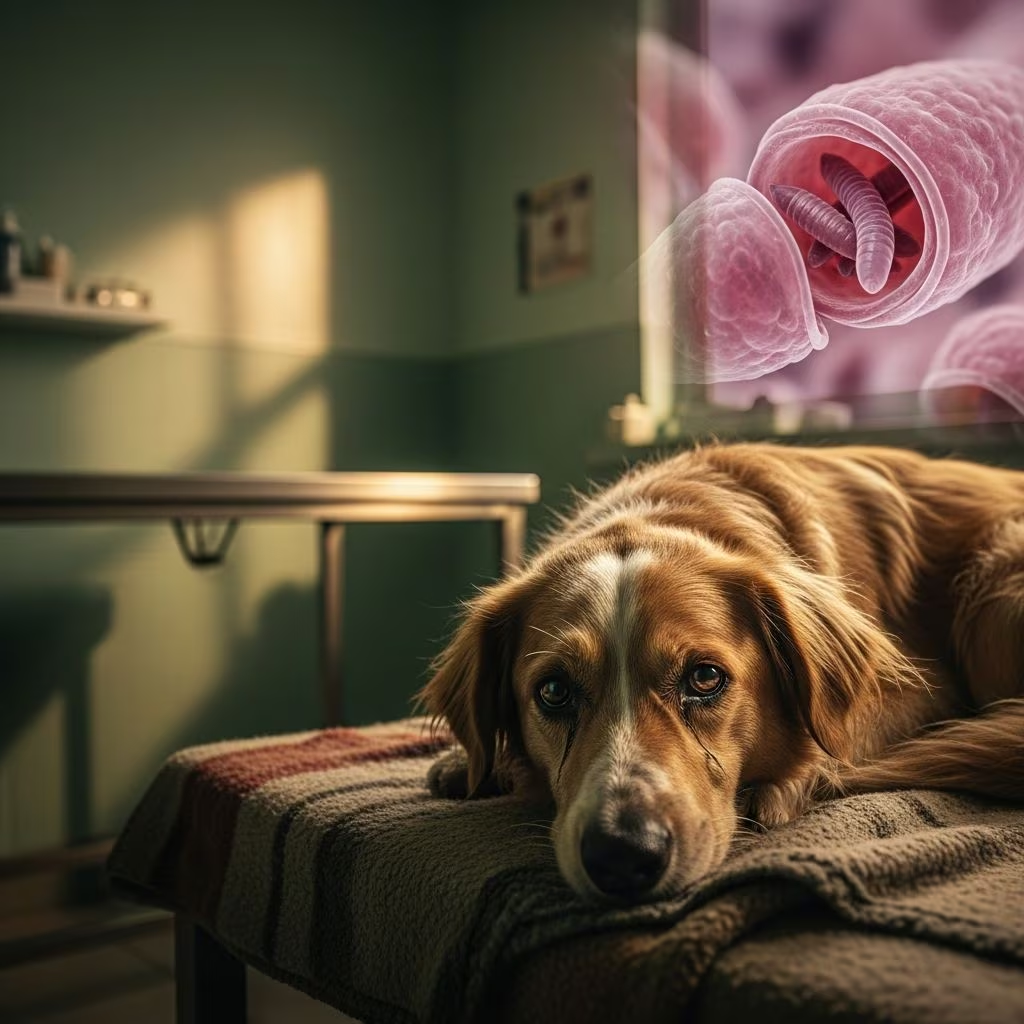
Trichinosis, also known as trichinellosis, represents a significant parasitic threat to dogs, stemming from the nematode Trichinella spiralis and related species found in contaminated raw or undercooked meat. Dogs typically contract this zoonotic disease by consuming infected pork, wild game like bear or boar, or scavenged remains harboring larval cysts. Once ingested, the larvae mature in the gut before migrating to muscles, triggering inflammation and potentially life-threatening complications.
The Parasite Lifecycle and Transmission Pathways
The lifecycle of Trichinella begins when a dog ingests meat containing encysted larvae. Within the intestines, these larvae mature into adults in 1-2 days, producing new larvae that penetrate the gut wall and travel via bloodstream to skeletal muscles, where they encyst. This process can persist for years in host tissues. Transmission occurs primarily through raw feeding diets, hunting dogs accessing carcasses, or exposure to farm waste. Unlike some parasites, dogs do not typically shed eggs in feces, complicating detection.
- Primary sources: Undercooked pork or wild game meat.
- Risk groups: Hunting breeds, raw-fed pets, scavengers.
- Zoonotic risk: Humans can contract it similarly, emphasizing household prevention.
Recognizing Early and Advanced Symptoms
Symptoms unfold in two distinct phases. The initial enteral phase, 2-7 days post-ingestion, features gastrointestinal disturbances like vomiting, diarrhea, anorexia, and lethargy as adults develop in the intestines. The subsequent parenteral phase, starting 2-8 weeks later, involves larval migration causing muscle stiffness, pain (myalgia), lameness, fever, facial or limb swelling, and conjunctivitis.
Severe manifestations include myocarditis, encephalitis, respiratory distress, or pneumonitis, appearing 4-6 weeks in. Mild infections may self-resolve, but monitoring is crucial as symptoms like fatigue or mild pain can linger months.
| Phase | Timeline | Common Symptoms |
|---|---|---|
| Enteral | 2-7 days | Vomiting, diarrhea, lethargy, appetite loss |
| Parenteral | 2-8 weeks | Muscle pain/stiffness, fever, swelling, lameness |
| Severe | 4-6 weeks | Heart issues, breathing problems, neuro signs |
Diagnostic Approaches in Veterinary Practice
Diagnosis hinges on exposure history (raw meat consumption) combined with clinical signs. Fecal exams rarely detect parasites since larvae migrate quickly, but muscle biopsies reveal cysts definitively. Blood tests for eosinophilia, elevated muscle enzymes (CK, LDH), and serology (ELISA for antibodies) confirm infection. Imaging like ultrasound may show muscle inflammation, while in rare cases, ECG monitors cardiac involvement. Prompt testing is vital, as early intervention improves outcomes.
- Serology: Detects antibodies post-3 weeks.
- Biopsy: Gold standard for encysted larvae.
- Bloodwork: Eosinophils >10% suggestive.
Effective Treatment Strategies
Treatment targets both phases: antiparasitics kill adults/larvae, while supportive care manages symptoms. Early use of benzimidazoles like albendazole or mebendazole (10-50 mg/kg BID for 10-14 days) is most effective before encystment. Ivermectin or other macrocyclic lactones aid in some protocols. For inflammation, NSAIDs (e.g., carprofen) or corticosteroids reduce myalgia and swelling; IV fluids combat dehydration.
Severe cases require hospitalization for cardiac/respiratory support. Course duration: 2-4 weeks, with follow-up serology/biopsy. Mild cases may need only dewormers.
| Treatment Type | Examples | Purpose |
|---|---|---|
| Antiparasitic | Albendazole, Mebendazole, Ivermectin | Kill worms/larvae |
| Anti-inflammatory | NSAIDs, Steroids | Reduce pain/swelling |
| Supportive | Fluids, Rest, Monitoring | Manage dehydration/symptoms |
Prognosis and Long-Term Management
Prognosis excels in mild, early-treated cases, with full recovery in weeks to months. Severe infections risk permanent muscle damage, heart issues, or death. Survivors need ongoing checks for myocarditis or neurological deficits. Home monitoring includes tracking mobility, appetite, and breathing; alert vets to relapses. Monthly heartworm preventives may offer ancillary protection. Recovery timeline: mild (1-3 months), severe (6+ months).
Prevention: Key Steps for Dog Owners
Prevention centers on dietary control: cook meat to 160°F (71°C) internal for ground, 145°F (63°C) for roasts; freeze pork <-5°C for 20 days kills cysts (not reliable for wild game). Avoid raw diets, secure trash from pork/game scraps, and use commercial feeds. Hunters: inspect/test game. Regular deworming aids but doesn’t fully prevent. Educate households on zoonotic risks.
- Cooking: Minimum safe temps.
- Freezing: Pork-specific.
- Habitat: No scavenging access.
FAQs on Canine Trichinosis
Q: Can my dog get trichinosis from commercial kibble?
A: Extremely unlikely; risk is from raw/undercooked meats only.
Q: Is trichinosis contagious dog-to-dog?
A: No, requires ingestion of infected meat.
Q: How soon after raw meat exposure do symptoms appear?
A: GI signs in days, muscle issues in weeks.
Q: Can trichinosis be fatal in dogs?
A: Yes, in untreated severe cases affecting heart/brain.
Q: What’s the best home prevention?
A: Never feed raw pork/game; cook thoroughly.
Monitoring Your Dog Post-Exposure or Treatment
Post-treatment, log daily activity: note stiffness, swelling, or breathing changes. Use apps for reminders on meds/follow-ups. Re-test serology at 1, 3, 6 months. Maintain vet checkups for vulnerable dogs (seniors, hunters). Nutrition supports recovery: high-protein diets minus raw risks.
References
- Vet’s 2025 Guide to Canine Trichinosis (Trichinellosis) — AskAVet.com/Dr. Duncan Houston BVSc. 2025. https://askavet.com/blogs/news/vet-s-2025-guide-to-canine-trichinosis-trichinellosis-%F0%9F%90%B6
- What to Know About Trichinosis (Trichinellosis) — WebMD. 2023-10-15. https://www.webmd.com/food-recipes/food-poisoning/what-to-know-about-trichinosis-trichinellosis
- Pork Roundworm Infection in Dogs — PetMD. 2024. https://www.petmd.com/dog/conditions/infectious-parasitic/c_dg_trichinosis
- About Trichinellosis — CDC (Centers for Disease Control and Prevention). 2024-05-06. https://www.cdc.gov/trichinellosis/about/index.html
- Trichinellosis (Trichinosis) in Dogs – Dog Owners — Merck Veterinary Manual. 2024. https://www.merckvetmanual.com/dog-owners/disorders-affecting-multiple-body-systems-of-dogs/trichinellosis-trichinosis-in-dogs



