

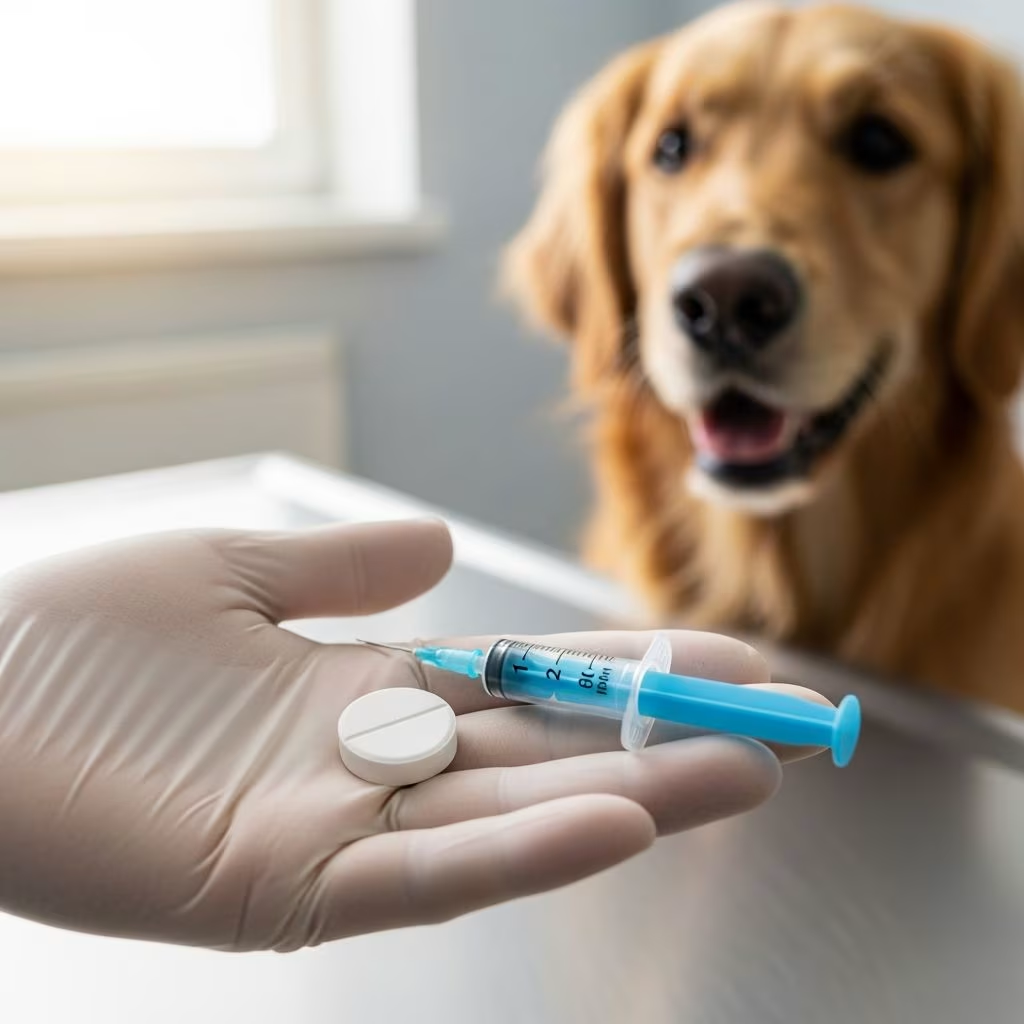
Triamcinolone is a widely prescribed pharmaceutical agent in veterinary medicine that serves as a potent tool for managing inflammatory conditions in canine patients. As a synthetic glucocorticoid steroid, this medication addresses various health challenges that dogs encounter throughout their lives, from allergic reactions to joint inflammation. Understanding how this medication works, its appropriate applications, and the precautions surrounding its use is essential for dog owners seeking to provide optimal healthcare for their pets.
Understanding Triamcinolone’s Role in Canine Medicine
Triamcinolone belongs to a category of medications known as corticosteroids, which function by suppressing the body’s inflammatory response. When a dog’s immune system overreacts to allergens, injuries, or other triggers, inflammation can become excessive and cause tissue damage. This medication works by blocking the harmful cascade of inflammatory processes, providing relief from discomfort and preventing further deterioration of affected tissues.
The pharmaceutical landscape for treating inflammation in dogs includes two primary approaches: steroid-based treatments and non-steroidal anti-inflammatory drugs. Triamcinolone represents the steroid classification and is significantly more potent than over-the-counter cortisone preparations available to humans. Its intermediate duration of action means that therapeutic effects persist for several days to weeks after administration, making it suitable for certain treatment protocols where prolonged relief is desired.
This medication is exclusively available through veterinary prescription and is marketed under several brand names including Vetalog® and Panalog®. The regulatory framework ensures that only licensed veterinarians can prescribe triamcinolone, maintaining quality control and appropriate clinical oversight of its use.
Therapeutic Applications in Canine Practice
Veterinarians employ triamcinolone to address a diverse range of conditions affecting the skin, joints, eyes, ears, and systemic inflammatory processes. The medication’s versatility makes it a valuable component of the therapeutic toolkit for managing chronic and acute inflammatory disorders in dogs.
Dermatological and Allergic Conditions
One of the most common applications involves treating inflammatory skin disorders. Dogs suffering from contact allergic dermatitis—a condition where the skin reacts adversely to external irritants—often benefit from triamcinolone therapy. Additionally, atopic dermatitis, a genetically predisposed allergic inflammation affecting the skin, responds well to this medication. The drug reduces histamine-driven inflammatory responses, alleviating itching, redness, and secondary skin damage that frequently accompanies allergic reactions.
Triamcinolone is also utilized in managing lick granulomas, self-inflicted skin lesions that result from excessive licking behavior. In these cases, the medication can be injected directly into the affected lesion, delivering concentrated anti-inflammatory action to the problem area while minimizing systemic absorption.
Musculoskeletal and Rheumatological Disorders
Arthritis represents a significant concern in aging dog populations. Triamcinolone effectively reduces inflammation within arthritic joints, providing symptomatic relief from pain and stiffness. The drug’s intermediate duration makes it particularly useful for dogs experiencing acute arthritic flare-ups or as a bridge therapy while other long-term management strategies are implemented.
Ocular Inflammatory Conditions
Eye diseases characterized by inflammation respond favorably to triamcinolone administered through multiple routes. The medication can be applied topically as drops or ointment, allowing direct contact with inflamed ocular tissues. For more severe conditions, veterinarians may administer subconjunctival injections, placing the medication directly beneath the conjunctival tissue surrounding the eyeball. This approach delivers potent anti-inflammatory action while minimizing systemic effects.
Otological Applications
Ear infections and inflammatory ear conditions benefit from triamcinolone’s anti-inflammatory properties. The medication may be incorporated into otic preparations or administered systemically, depending on the underlying etiology and severity of the ear disease. When combined with antimicrobial agents, triamcinolone reduces inflammation while simultaneous medications address infectious components.
Available Formulations and Delivery Methods
Triamcinolone exists in multiple pharmaceutical formulations, each designed for specific therapeutic applications and routes of administration. Understanding these variations helps owners and veterinarians select the most appropriate treatment modality for individual cases.
Injectable Formulations
Injectable triamcinolone suspensions are available in concentrations of 2 mg/ml and 6 mg/ml, administered under veterinary supervision. These formulations provide systemic distribution, making them suitable for conditions requiring body-wide anti-inflammatory action. Injectable preparations are particularly valuable for dogs unable to tolerate oral medications or requiring rapid therapeutic onset.
Topical Preparations
Topical formulations represent the most frequently prescribed format in veterinary practice. Panalog® ointment combines triamcinolone with additional antimicrobial agents including nystatin, neomycin, and thiostrepton, creating a multi-action preparation addressing inflammatory, fungal, and bacterial components simultaneously. These topical products are applied directly to affected skin areas, providing localized treatment with minimal systemic absorption.
A topical spray formulation (GENESIS®) is specifically labeled for managing itching associated with allergic skin conditions in dogs, offering convenient application for larger body surface areas.
Oral Formulations
Tablets are manufactured in strengths of 1 mg, 2 mg, 4 mg, and 8 mg, accommodating various dosage requirements. An oral syrup formulation (4 mg/5 ml) provides flexibility for dogs requiring intermediate doses or those with difficulty swallowing tablets. Compounded oral formulations may be prepared when commercial preparations don’t meet specific patient requirements, such as unusual dosage strengths or alternative flavoring for palatability.
Dosage Considerations and Administration Guidelines
Triamcinolone dosing varies considerably depending on the condition being treated, the species of animal, the specific formulation employed, and individual patient factors. The veterinarian’s clinical judgment determines appropriate dosing for each unique situation.
Typical systemic doses range from 0.05 to 1 mg per pound of body weight, administered once daily to once weekly depending on the clinical context. A 50-pound dog might therefore receive anywhere from 2.5 to 50 mg per dose, illustrating the wide therapeutic window required for different applications.
Oral tablets should be administered with food to minimize gastrointestinal upset, and dogs should maintain consistent access to fresh water throughout treatment. The veterinarian determines the duration of therapy based on the condition’s nature and the dog’s response to treatment. Extended courses require periodic reassessment to ensure continued therapeutic benefit without unwarranted side effect accumulation.
When discontinuing therapy, especially after prolonged use, veterinarians typically implement gradual dose reduction under supervision. Abruptly stopping triamcinolone can precipitate serious adverse effects, as the body’s natural cortisol production requires time to resume normal function after prolonged suppression by exogenous steroid administration.
Important Safety Considerations and Contraindications
While triamcinolone is generally safe when prescribed and monitored appropriately by veterinary professionals, specific situations contraindicate its use or require modified protocols.
Absolute Contraindications
Dogs with known hypersensitivity or allergic reactions to triamcinolone should never receive the medication. Active viral or fungal infections represent absolute contraindications, as corticosteroids suppress immune function and allow infectious agents to proliferate unchecked. Dogs scheduled for surgical procedures should avoid triamcinolone, as the medication delays wound healing and increases infection risk during the perioperative period.
Animals with corneal ulcers should not receive triamcinolone through ocular routes, as the medication impairs healing mechanisms essential for corneal restoration. Nursing mothers require avoidance of this medication, as triamcinolone concentrations in milk may suppress growth and development in nursing litters.
Conditional Use with Caution
Several conditions warrant careful consideration before initiating triamcinolone therapy. Dogs with glaucoma require modified treatment approaches, as corticosteroids may elevate intraocular pressure. Diabetic patients need heightened monitoring, since corticosteroids can elevate blood glucose levels and complicate diabetes management. Dogs with Cushing’s syndrome, a condition involving excessive endogenous cortisol production, contraindicate exogenous corticosteroid administration.
Cardiac conditions including congestive heart failure, systemic hypertension, and kidney disease necessitate cautious use with appropriate monitoring. Gastrointestinal ulcers may worsen under corticosteroid therapy, and triamcinolone should be avoided in patients with such conditions. Pregnancy represents a relative contraindication due to potential effects on fetal development.
Potential Adverse Effects and Monitoring Requirements
Although triamcinolone provides significant therapeutic benefits, it can produce undesirable side effects, particularly with prolonged use or at excessive doses.
Common Mild Side Effects
Many dogs experience increased appetite, thirst, and urination while receiving triamcinolone. These effects typically resolve following medication discontinuation. Some dogs exhibit behavioral changes or excessive panting, which generally represents temporary adaptations to the medication rather than serious complications.
Serious Adverse Effects
Gastrointestinal complications represent potentially serious concerns. Triamcinolone can precipitate or exacerbate stomach and intestinal ulcers, with rare cases progressing to perforation and internal bleeding. Dogs exhibiting appetite loss, high fever, tarry black stools, or bloody vomit require immediate veterinary evaluation.
The prolonged duration of steroid effects presents a clinical challenge: if adverse effects develop, the medication cannot be rapidly “recalled” from the system as would be possible with shorter-acting corticosteroids. This intermediate duration means therapeutic effects—and any adverse effects—persist for days after the final dose.
Drug Interactions and Concurrent Medication Considerations
Triamcinolone may interact with other medications, potentially reducing efficacy or increasing adverse effect risks. Concurrent administration with non-steroidal anti-inflammatory drugs (NSAIDs) increases gastrointestinal ulceration risk and should generally be avoided. Combining triamcinolone with other corticosteroids amplifies side effect potential and lacks therapeutic advantage.
Veterinarians must review all medications a dog receives before prescribing triamcinolone. Owners should maintain current medication lists and communicate openly with their veterinarian about all supplements, over-the-counter preparations, and prescription medications their dog receives.
Immune Function and Vaccination Implications
Corticosteroids suppress immune function, potentially impairing vaccination responses. Dogs undergoing triamcinolone therapy should not receive vaccinations during treatment, as the immune suppression may prevent adequate antibody development. Vaccination should be postponed until appropriate intervals after completing corticosteroid therapy, as determined by the veterinarian.
Frequently Asked Questions
How quickly does triamcinolone work in dogs?
Injectable and oral formulations typically demonstrate therapeutic effects within hours to days of administration. Topical applications may require several days of consistent use before optimal results become apparent. The individual dog’s condition, severity, and overall health status influence the timeline for observable improvement.
Can triamcinolone be used long-term in dogs?
While triamcinolone can be administered for extended periods under veterinary supervision, chronic use increases adverse effect risks. Veterinarians typically attempt to use the lowest effective dose for the shortest duration necessary to achieve therapeutic goals. Periodic reassessment determines whether continued therapy remains justified.
What should I do if my dog misses a dose?
Owners should administer the missed dose as soon as they remember, unless the next scheduled dose approaches. Doubling doses to compensate for missed medication should be avoided. Veterinarians should be contacted for specific guidance regarding missed doses and adjusted schedules.
Are there natural alternatives to triamcinolone?
Several complementary approaches may support conventional triamcinolone therapy, though they should not replace prescribed treatment without veterinary guidance. Omega-3 fatty acids, joint supplements containing glucosamine and chondroitin, and allergen avoidance strategies may provide adjunctive benefit. Veterinarians can recommend evidence-based alternatives appropriate for individual situations.
Working with Your Veterinarian
Successful triamcinolone therapy requires collaborative communication between dog owners and veterinary professionals. Owners should provide complete medical histories, disclose all medications and supplements, and report any adverse effects promptly. Regular follow-up appointments allow veterinarians to assess therapeutic response, monitor for complications, and adjust treatment protocols as needed.
Dogs receiving triamcinolone benefit from baseline laboratory testing before therapy initiation, with periodic rechecks during extended treatment. These assessments detect early signs of medication-related complications, allowing preventive intervention before serious problems develop.
Understanding triamcinolone’s benefits, limitations, and risks empowers dog owners to make informed decisions about their pet’s healthcare. When prescribed appropriately and used under proper veterinary supervision, triamcinolone remains an invaluable therapeutic option for managing inflammatory conditions that significantly impact canine quality of life and comfort.
References
- Triamcinolone Acetonide (Vetalog®, Panalog®) for Dogs and Cats — PetPlace. https://www.petplace.com/article/drug-library/drug-library/library/triamcinolone-acetonide-vetalog-panalog-for-dogs-and-cats
- Triamcinolone Acetonide for Dogs and Cats – PetMD — PetMD. https://www.petmd.com/pet-medication/triamcinolone-acetonide-dogs-and-cats
- Triamcinolone Acetonide — VCA Animal Hospitals. https://vcahospitals.com/know-your-pet/triamcinolone-acetonide
- Triamcinolone Acetonide Oral Liquid — Northwest Compounders. https://www.northwestcompounders.com/product/triamcinolone-acetonide-oral-liquid/



