

Treeing Walker Coonhound: Complete Breed Guide
The Treeing Walker Coonhound is a distinctive medium to large-sized hound breed that combines exceptional hunting ability with a friendly, affectionate family disposition. Descended from American and English Foxhounds, as well as Virginia hounds, this breed was developed specifically for tracking and treeing wild raccoons. The breed’s name derives from its remarkable ability to chase prey up into trees and keep them cornered until hunters arrive. Today, while still prized by hunters for their outstanding field performance, Treeing Walker Coonhounds have become increasingly popular as family companions for those who can meet their substantial exercise and mental stimulation needs.
Breed History and Origins
The Treeing Walker Coonhound emerged in the United States, developed by crossing Walker Foxhounds with Virginia hounds and the earliest English Foxhounds brought to America. The breed was specifically engineered for the task of hunting raccoons, particularly in the southern United States. The development of this breed reflects a purposeful selection for traits that would make them exceptional hunters: speed, endurance, scent-tracking ability, and the distinctive vocalization that allows hunters to track their dogs across vast distances. The breed has maintained these hunting characteristics while also developing into a versatile companion dog that adapts well to family living when properly socialized and exercised.
Physical Characteristics and Appearance
Treeing Walker Coonhounds are built with remarkable athleticism, featuring a well-muscled body that reflects their hunting heritage. Understanding their physical attributes is essential for prospective owners to ensure they can provide appropriate care and exercise for this energetic breed.
Size and Build
These dogs are classified as medium to large hounds, typically standing 20 to 27 inches tall at the shoulder and weighing between 48 to 76 pounds when fully grown. Their bodies are characterized by excellent muscular development combined with solid bone structure. The breed’s chest extends down to approximately the elbows, providing ample capacity for lung expansion during extended hunting pursuits. Straight forelegs paired with powerful hind legs enable explosive movement and sustained endurance, essential qualities for their original hunting purpose.
Head and Facial Features
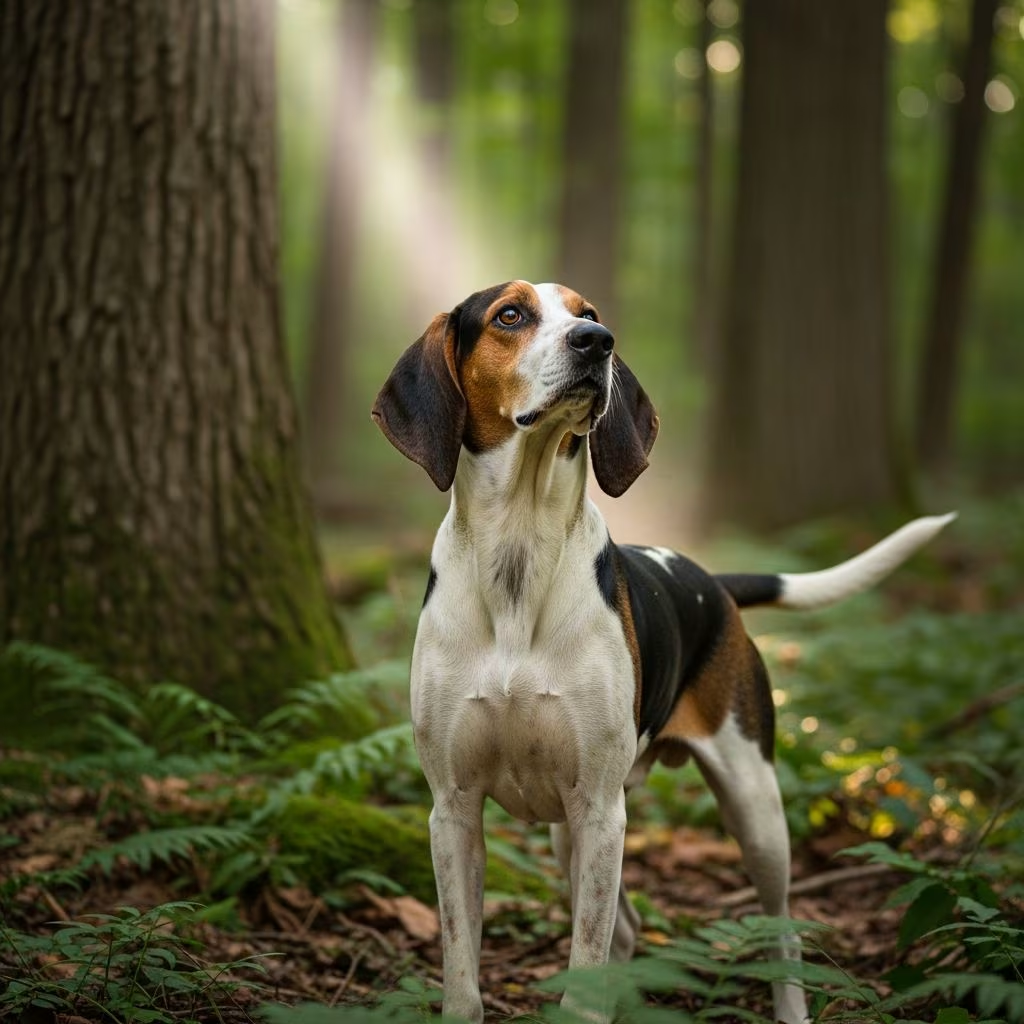
Treeing Walker Coonhounds possess medium-length skulls with broad, full craniums that house their keen intelligence. Their muzzles are proportionally medium in length and square in shape, featuring large black nostrils that facilitate their exceptional scent-tracking abilities. Large brown eyes with a soft, pleading expression give these dogs an endearing appearance that belies their intense hunting drive. Their ears are set moderately low on the head and reach nearly to the tip of their nose, providing both practical function in scent collection and distinctive appearance.
Coat and Coloring
The breed features a short, dense, and glossy coat that is smooth to the touch. This coat provides excellent protection against brush and brambles encountered during hunts while remaining practical for maintenance. The smooth texture repels dirt and mud, allowing these active dogs to maintain a relatively clean appearance despite their outdoor pursuits. Treeing Walker Coonhounds are typically tri-colored, displaying combinations of white, black, and tan. Common patterns include mostly white backgrounds with black and tan markings, or predominantly black coats with tan trim and white accents.
Distinctive Physical Traits
Their feet display a distinctive cat-like appearance, with well-arched toes and thick pads that provide traction and protection during movement across varied terrain. These physical attributes combine to create a dog specifically engineered for function, with form following the demands of their hunting heritage.
Temperament and Personality
The temperament of the Treeing Walker Coonhound makes them uniquely suited to both hunting and family life, though understanding their personality is crucial for successful ownership.
Hunting Drive and Intelligence
At their core, Treeing Walker Coonhounds are driven by an intense hunting instinct and remarkable intelligence. These dogs exhibit a brave but courteous demeanor, combining confidence with sensibility. Their competitive spirit fuels the extreme endurance they demonstrate in the field, and they are equally adept at following commands and taking initiative when situations demand it. This intelligence translates into excellent trainability for owners who understand how to work with the breed’s independent nature.
Family and Social Characteristics
Despite their hunting heritage, Treeing Walker Coonhounds are highly affectionate and playful dogs that form strong bonds with their human companions. They are known to be excellent with children when properly socialized and introduced. With other dogs, particularly when raised together or properly introduced, they typically display friendly and cooperative behavior. However, their prey drive means they should be introduced carefully to cats and other small animals, as they may perceive smaller creatures as quarry to pursue.
Barking and Vocalization
One significant personality trait is their tendency toward excessive barking with minimal provocation. This vocalization characteristic stems directly from their hunting purpose: they possess a distinctive, clear, ringing bay that changes to a steady chop when prey is treed. This bugle-like bark carries for miles, allowing hunters to track their dogs across vast distances. In a home environment, this means owners should be prepared for vocal dogs who will alert to approaching mail carriers, passing neighborhood squirrels, and other stimuli.
Exercise and Activity Requirements
Treeing Walker Coonhounds are energetic hunting breeds that demand substantial daily exercise to maintain physical and mental health. Without adequate activity outlets, these intelligent, active dogs can develop destructive behaviors or become anxious.
Daily Exercise Needs
These dogs thrive with vigorous daily exercise that engages both body and mind. Long walks, runs, hikes, and outdoor activities are essential components of their care routine. They love participating in physical activities with their owners but must always remain on leash during off-property exercise due to their strong prey drive and tendency to follow scents across long distances. A securely fenced yard is preferable for owners who cannot closely monitor their exercise, as Treeing Walker Coonhounds will follow their strong nose and track quarry over considerable distances if given the opportunity.
Mental Stimulation
Beyond physical exercise, these intelligent dogs require mental stimulation through training, interactive games, and puzzle toys. Their natural hunting instinct translates into a highly focused mind that benefits from mentally challenging activities. Engaging them in obedience training, scent games, and problem-solving tasks helps channel their intelligence productively.
Training and Socialization
Training a Treeing Walker Coonhound requires understanding the breed’s independent nature, inherited from generations of breeding for autonomous decision-making in the field.
Training Approach
While Treeing Walker Coonhounds are very intelligent and eager to learn, they possess a stubborn, independent streak that can make training challenging if approached incorrectly. These dogs respond exceptionally well to positive reinforcement methods that acknowledge their intelligence and desire to please. Harsh corrections or overly rigid training approaches often backfire with this independent-minded breed. Instead, using rewards, praise, and motivation-based training produces better results.
Early Socialization
Early socialization is critical for all dogs, and particularly important for Treeing Walker Coonhounds. Exposure to various people, environments, sounds, and experiences during puppyhood helps them develop into well-rounded adult dogs. Proper introductions to cats and other small animals during socialization periods can help mitigate prey-drive challenges, though complete prevention is not guaranteed given the strength of their hunting instincts.
Grooming and Coat Care
Treeing Walker Coonhounds are relatively low-maintenance regarding grooming needs, with minimal requirements for coat care. Their short, glossy coat requires occasional brushing to remove loose hair and maintain coat health. They shed a moderate amount, with the American Kennel Club rating them a three out of five for shedding.
Shedding and Drooling
In addition to moderate shedding, these dogs drool a moderate amount, also rated three out of five by the AKC. Owners should be prepared for both characteristics and keep cleaning supplies readily available. Regular bathing is not excessive; these dogs typically only require baths when dirty, and the smooth coat sheds dirt naturally.
Health and Lifespan
Treeing Walker Coonhounds typically have a lifespan of 10 to 14 years, with some sources indicating an average of 12 to 13 years. This is a relatively healthy breed, though prospective owners should discuss breed-specific health concerns with veterinarians and reputable breeders. Hip dysplasia can occur in the breed, as with many larger dogs, making health screening of breeding stock important.
Compatibility with Family Living
Treeing Walker Coonhounds can make excellent family dogs for owners who understand the breed’s characteristics and commit to meeting their substantial needs.
Good with Children
These dogs are rated five out of five by the American Kennel Club for their affection with families and their compatibility with children. Their playful nature (rated four out of five) makes them engaging companions for active families. Their size and strength mean supervision is necessary with young children to prevent accidental knockdowns.
Good with Other Pets
Treeing Walker Coonhounds are typically good with other dogs, particularly when socialized from an early age. However, their prey drive requires careful management around cats and other small animals. Homes with established multi-pet dynamics should introduce Treeing Walker Coonhounds carefully and monitor interactions until the dogs’ prey drive can be safely managed.
Breed-Specific Considerations
Several breed-specific traits should influence the decision to bring a Treeing Walker Coonhound into your home:
– High Energy: These dogs require committed owners who can provide substantial daily exercise and mental stimulation- Prey Drive: Strong hunting instincts mean they should not be trusted off-leash in unsecured areas- Vocalization: Their natural barking tendency means they may not be ideal for apartment living or noise-sensitive environments- Hunting Background: Even as family pets, their independent nature and hunting instincts require experienced dog owners- Trainability: Rated five out of five for trainability, they respond well to consistent, positive reinforcement
Ideal Living Situations
Treeing Walker Coonhounds thrive best in homes where owners can provide:
– Ample outdoor space with secure fencing- Commitment to daily vigorous exercise- Understanding of and respect for their hunting heritage- Positive reinforcement-based training approaches- Mental stimulation through games, training, and interactive activities- Tolerance for their vocalization and moderate shedding
Frequently Asked Questions
Q: Are Treeing Walker Coonhounds good apartment dogs?
A: Not ideally. Their high energy levels, vocalization tendency, and need for substantial outdoor space make them better suited to homes with yards. They can adapt to apartment living if owners commit to extensive daily exercise, but their barking may be challenging for neighbors.
Q: How long do Treeing Walker Coonhounds live?
A: The breed typically lives 10 to 14 years, with an average lifespan of 12 to 13 years. Proper care, exercise, and veterinary attention can support longevity within this range.
Q: Can Treeing Walker Coonhounds be kept as indoor pets?
A: Yes, they can be indoor pets, but they require outdoor access for exercise and a secure yard. They should not be confined indoors for extended periods without substantial daily exercise and mental stimulation.
Q: Do Treeing Walker Coonhounds require special training?
A: While highly trainable, they benefit from owners who understand their independent nature and use positive reinforcement. Early socialization and consistent training are important for managing their prey drive and barking tendencies.
Q: How much do Treeing Walker Coonhounds shed?
A: They shed moderately, rated three out of five by the AKC. Regular brushing helps manage loose hair, and they typically only require baths when visibly dirty.
Q: Are Treeing Walker Coonhounds good with cats?
A: Their strong prey drive means they should be introduced carefully to cats. Early socialization can help, but their hunting instincts may persist. Careful management and monitoring are essential in multi-pet households.
Q: What is the origin of the breed’s name?
A: “Treeing” refers to their unique ability to chase prey up into trees and keep it cornered until the hunter arrives. “Walker” comes from their Walker Foxhound heritage, and “Coonhound” indicates their primary purpose of hunting raccoons.
References
- What To Know About a Treeing Walker Coonhound — WebMD. 2024. https://www.webmd.com/pets/dogs/what-to-know-treeing-walker-coonhound
- Treeing Walker Coonhound — Breed Information — American Kennel Club. 2024. https://www.akc.org/dog-breeds/treeing-walker-coonhound/
- Treeing Walker Coonhound Dog Breed Health and Care — PetMD. 2024. https://www.petmd.com/dog/breeds/treeing-walker-coonhound
- Treeing Walker Coonhound Facts — Wisdom Panel. 2024. https://www.wisdompanel.com/en-us/dog-breeds/treeing-walker-coonhound
- Treeing Walker Coonhound Dog Breed Information — DogTime. 2024. https://dogtime.com/dog-breeds/treeing-walker-coonhound
- Treeing Walker Coonhound Breed Guide — Westminster Kennel Club. 2024. https://www.westminsterkennelclub.org/breed/treeing-walker-coonhound/



