

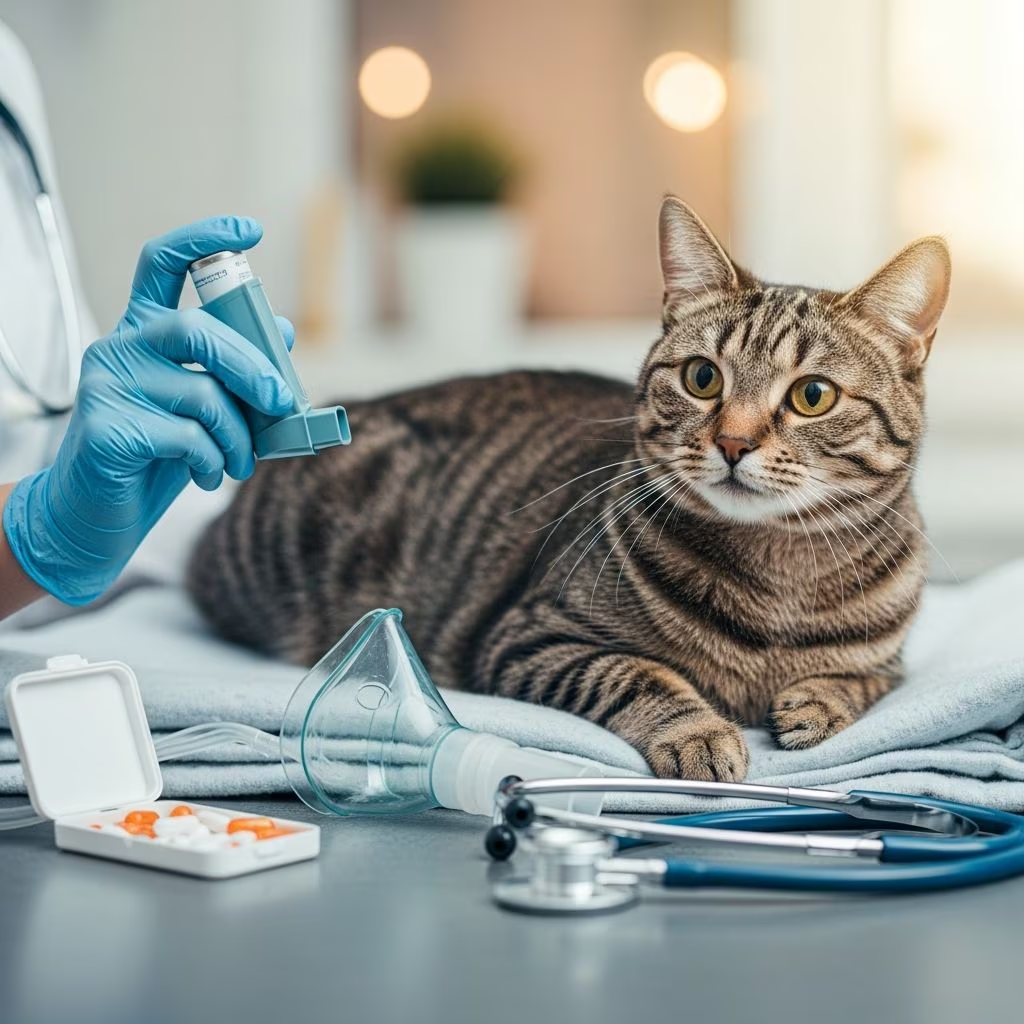
Treatment Instructions for Asthma and Bronchitis in Cats
Asthma and chronic bronchitis are common respiratory conditions affecting cats that cause inflammation of the airways, leading to coughing, wheezing, and difficulty breathing. While these conditions are chronic and require ongoing management, they can be effectively controlled with proper treatment and environmental modifications. Understanding the various treatment options available and how to properly administer them is essential for maintaining your cat’s respiratory health and quality of life.
Understanding Feline Lower Airway Disease
Feline lower airway disease encompasses both asthma and chronic bronchitis in cats. These conditions are characterized by inflammation of the airways, which causes the smooth muscles surrounding the bronchi to constrict, narrowing the passage for air. The inflammation also triggers increased mucus production, further obstructing airflow. While the exact cause of feline asthma remains unknown in most cases, allergies and environmental triggers are suspected contributors. Chronic bronchitis, on the other hand, is often associated with ongoing inflammation and may be related to bacterial or parasitic infections.
The key to successful management lies in addressing both the acute symptoms and the underlying chronic inflammation. Many cat owners make the mistake of treating only the acute symptoms with bronchodilators, but comprehensive treatment requires addressing the inflammatory component with corticosteroids.
Acute Management and Emergency Treatment
When your cat experiences an acute asthma or bronchitis attack, immediate management focuses on alleviating respiratory distress and opening the airways. The following emergency measures should be implemented:
Oxygen Supplementation
Oxygen therapy is the cornerstone of acute respiratory distress management. Oxygen is typically provided in an oxygen cage or through alternative oxygen delivery methods. This ensures your cat receives adequate oxygen while minimizing stress from handling. The oxygen cage environment maintains consistent oxygen levels and allows your veterinarian to monitor your cat’s breathing without frequent disturbances.
Stress Reduction and Minimal Handling
During an acute episode, excessive handling and environmental stress can worsen respiratory distress. Keep your cat in a calm, quiet environment and minimize veterinary examinations to only those that are absolutely necessary. Stress itself can trigger or exacerbate bronchospasm, so a peaceful environment is therapeutic.
Beta-2 Receptor Agonist Bronchodilators
Bronchodilators are medications that relax the smooth muscles surrounding the airways, allowing them to dilate and permit easier breathing. Beta-2 receptor agonists are the most commonly used bronchodilators in cats and provide rapid relief during acute episodes. The most frequently prescribed medication in this class is albuterol (salbutamol).
Albuterol can be administered through multiple routes, including intravenously, orally, or via inhalation. The most common delivery method in cats is through a metered-dose inhaler (MDI) using a spacer and mask. A single dose of 90 micrograms administered via MDI is appropriate for most cats. The onset of action is rapid, typically occurring within minutes, with maximal effect achieved within 5 to 20 minutes. The duration of action is typically 4 to 6 hours.
Anti-inflammatory Corticosteroids
When asthma or chronic bronchitis is highly suspected, an anti-inflammatory dose of dexamethasone (equivalent to 3 mg/mL) should be administered during the acute phase. This helps reduce the underlying airway inflammation that contributes to the emergency presentation. Corticosteroids work by suppressing the immune response and reducing inflammation in the airways.
Chronic Management and Long-Term Treatment
Long-term management of feline asthma and bronchitis requires consistent therapy aimed at reducing airway inflammation and preventing acute exacerbations. The following components form the foundation of chronic management:
Glucocorticoid Administration
Glucocorticoids are the cornerstone of long-term treatment for feline asthma and chronic bronchitis. These anti-inflammatory medications reduce airway inflammation and prevent the progression of chronic disease. Unlike bronchodilators, which provide temporary symptom relief, glucocorticoids address the underlying pathology.
Glucocorticoids are available in multiple formulations:
Oral Corticosteroids: Prednisolone is the most commonly prescribed oral corticosteroid in cats. Typical dosing is 1 to 2 mg/kg orally every 12 hours for 5 to 7 days during initial treatment or acute flare-ups. Long-term oral corticosteroids can lead to side effects including increased appetite, increased thirst, increased urination, and potential immunosuppression.
Inhaled Corticosteroids: Inhaled steroids, such as fluticasone, are now considered the standard of care for chronic management of feline asthma and bronchitis. These medications are delivered directly to the lungs where they reduce inflammation with minimal systemic absorption and side effects. Fluticasone is typically administered twice daily using an MDI with an Aerokat chamber and mask.
Injectable Corticosteroids: For cats that are difficult to medicate, injectable corticosteroids may be administered by veterinarians. These provide extended anti-inflammatory effects lasting several weeks.
Bronchodilator Therapy for Symptomatic Control
While corticosteroids address inflammation, bronchodilators provide symptomatic relief by opening the airways. Bronchodilators are particularly valuable during acute episodes but can also be used as part of chronic management in some cats.
Albuterol Administration: A 90 mcg dose of albuterol delivered via MDI with an Aerokat spacer and mask is the standard approach. This medication can be administered when your cat shows signs of respiratory distress such as increased respiratory rate, wheezing, or difficulty breathing. However, it’s important to note that in cats with active bronchoconstriction, delivery of inhaled bronchodilators to the lower airways may be impaired, and efficacy cannot be guaranteed.
Duration and Frequency: Albuterol’s effects typically last 4 to 6 hours, so it may need to be administered multiple times daily during acute flare-ups. For chronic management, scheduled twice-daily administration may be recommended by your veterinarian.
Medication Administration Methods
Understanding how to properly administer medications is crucial for successful treatment outcomes. The choice of administration route depends on your cat’s tolerance, your ability to administer medications, and your veterinarian’s recommendations.
Inhaler Therapy with Spacer and Mask
Inhaler therapy represents a significant advancement in feline respiratory medicine. This approach delivers medication directly to the lungs, avoiding systemic side effects associated with oral or injectable medications.
Equipment Needed:
– Metered-dose inhaler (MDI) with the prescribed medication
– Aerokat chamber or similar spacer device
– Face mask appropriately sized for your cat
– Optional: small treats or rewards for positive reinforcement
Step-by-Step Administration:
Step 1: Shake the MDI canister well to ensure the internal valve opens and medication is properly mixed.
Step 2: Attach the MDI to the spacer chamber at the designated port.
Step 3: Hold the spacer chamber at a slight angle and press the MDI to release one puff of medication into the chamber. Allow 3-5 seconds between puffs if multiple doses are prescribed.
Step 4: Attach the appropriately sized face mask to the opposite end of the spacer chamber.
Step 5: Gently place the mask over your cat’s nose and muzzle, ensuring a snug fit without causing discomfort.
Step 6: Allow your cat to breathe naturally for approximately 10-15 seconds, ensuring they inhale the medication. It’s important to observe your cat actually breathing during this time, as some cats may initially hold their breath.
Step 7: Remove the mask and allow your cat to return to their normal environment.
Training Your Cat: Most cats tolerate inhaler therapy very well with proper introduction. Begin by allowing your cat to acclimate to the mask without medication for several sessions. Reward your cat with treats and praise to create positive associations. This gradual introduction significantly improves compliance and makes future treatments much easier.
Oral Medications
For cats that cannot tolerate inhaler therapy or as an alternative, oral medications are available. Prednisolone tablets or liquids can be mixed with food, though some cats may refuse food with added medication. Oral administration requires twice-daily dosing and may be associated with more systemic side effects than inhaled therapy.
Injectable Medications
Injectable corticosteroids and bronchodilators may be administered by veterinarians. Injectable corticosteroids offer extended effects, sometimes lasting weeks, making them useful for cats whose owners struggle with medication compliance.
Environmental Management and Trigger Avoidance
Environmental modifications are equally important as medications in managing feline asthma and bronchitis. Many cats with these conditions have sensitive airways that react to airborne irritants and allergens.
Avoiding Aerosol Products
Eliminate or significantly minimize your cat’s exposure to aerosolized products including:
– Hair spray and personal care products
– Perfumes and fragrances
– Household cleaning products
– Insecticide sprays and flea treatments
– Air fresheners and scented candles
– Fireplace or cigarette smoke
Reducing Dust and Particulate Matter
Dust and fine particles can trigger respiratory symptoms. Implement these measures:
– Use unscented, low-dust cat litter (paper-based or pelleted litters are preferable)
– Avoid flea powder products
– Minimize carpet use, especially in areas where your cat spends time
– Use HEPA air filters in your home to trap fine particles
– Avoid carpet fresheners and powdered products
Controlling Other Environmental Factors
– Maintain a smoke-free environment
– Avoid burning candles or incense
– Control humidity levels (use a humidifier if air is too dry)
– Keep your cat indoors to limit exposure to outdoor allergens and pollens
– Use unscented detergents and avoid fabric softeners
Supportive Care at Home
Beyond medications and environmental modifications, supportive care plays an important role in managing your cat’s condition.
Humidity and Steam Therapy
Moist air helps loosen respiratory secretions and makes them easier for your cat to cough up. You can provide humidity through:
– Running a humidifier in your cat’s living space
– Allowing your cat in the bathroom during a hot shower (without direct exposure to the shower)
– Using warm steam from a bowl of hot water placed safely nearby
Rest and Warmth
Adequate rest is essential during recovery from acute episodes. Provide your cat with a warm, comfortable resting area away from household activity and stress.
Proper Hygiene and Parasite Control
If parasitic infection is suspected, particularly lungworm infection in young or outdoor cats, fenbendazole treatment is indicated. Parasitic infections can contribute to chronic bronchitis and must be addressed as part of comprehensive treatment.
Treatment Response and Monitoring
Response to treatment is an important diagnostic indicator. Cats with asthma or chronic bronchitis typically show improvement in respiratory signs within days to weeks of starting appropriate therapy. Signs of improvement include:
– Decreased frequency of coughing
– Reduced or absent wheezing
– Improved respiratory effort and breathing patterns
– Increased activity and playfulness
– Better appetite
Regular veterinary evaluations help ensure your cat’s condition is well-controlled and medication adjustments can be made as needed. Your veterinarian may recommend periodic chest radiographs to monitor progression or resolution of bronchial changes.
Important Considerations and Side Effects
While corticosteroids are essential for managing feline asthma and bronchitis, prolonged use of systemic corticosteroids (oral or injectable) can cause side effects including increased appetite, increased thirst, increased urination, and potential immunosuppression. This is one of the primary advantages of inhaled corticosteroids, which deliver medication directly to the lungs with minimal systemic absorption.
If your cat is prescribed oral corticosteroids for long-term use, your veterinarian will monitor for these side effects and adjust dosing accordingly. Many cats can be successfully transitioned from oral medications to inhaled therapy as their condition stabilizes.
When to Seek Emergency Care
Contact your veterinarian immediately or visit an emergency clinic if your cat experiences:
– Severe respiratory distress or rapid, labored breathing
– Open-mouth breathing or gasping
– Lethargy or unresponsiveness
– Pale or blue-tinged gums
– Collapse or loss of consciousness
These signs indicate a life-threatening emergency requiring immediate veterinary intervention.
Frequently Asked Questions (FAQs)
Q: Is feline asthma curable?
A: Feline asthma is a chronic condition that cannot be cured, but it can be effectively managed with appropriate medications and environmental controls. Many cats live comfortably for years with proper treatment.
Q: How long does it take to see improvement after starting treatment?
A: Most cats show improvement in respiratory signs within days to weeks of starting appropriate therapy. However, individual responses vary, and your veterinarian may need to adjust medications to optimize results.
Q: Can I use a human asthma inhaler for my cat?
A: No, you should never use human inhalers for your cat. Cats require specific medications in appropriate dosages, and a feline-specific spacer and mask system is necessary for proper medication delivery.
Q: What is the difference between asthma and bronchitis in cats?
A: While the exact distinction can be difficult to make, asthma typically involves reversible airway narrowing from smooth muscle contraction, while bronchitis involves inflammation of the bronchial tubes. Both conditions are treated similarly with corticosteroids and bronchodilators.
Q: How often should my cat receive inhaler treatments?
A: Typical dosing is twice daily, but this may vary based on your cat’s individual condition and your veterinarian’s recommendations. Your vet will determine the appropriate frequency.
Q: Are there side effects to inhaled medications?
A: Inhaled medications have minimal systemic side effects since they deliver medication directly to the lungs. However, some cats may experience mild local effects or become stressed during administration. Oral corticosteroids are more likely to cause systemic side effects.
Q: Can stress trigger asthma attacks in cats?
A: Yes, stress and anxiety can trigger or worsen asthma symptoms in cats. Maintaining a calm home environment and minimizing stressful situations can help prevent exacerbations.
Q: What should I do if my cat misses a dose of medication?
A: If a dose is missed, administer it as soon as you remember unless it’s close to the next scheduled dose. Never double-dose to make up for a missed treatment. Discuss missed doses with your veterinarian if they become frequent.
References
- Treatment of Feline Lower Airway Disease — Today’s Veterinary Practice. 2024. https://todaysveterinarypractice.com/respiratory-medicine/treatment-of-feline-lower-airway-disease/
- Bronchitis in Cats: Symptoms, Treatment & Prognosis — Lake Cross Veterinary Hospital. 2020. https://www.lakecross.com/site/blog-huntersville-vet/2020/11/27/bronchitis-cats-symptoms-treatment-diagnosis
- Asthma and Chronic Bronchitis in Cats — International Cat Care. https://icatcare.org/articles/asthma-and-chronic-bronchitis-in-cats
- Tracheobronchitis (Bronchitis, Bronchial Asthma) in Cats – Cat Owners — Merck Veterinary Manual. 2024. https://www.merckvetmanual.com/cat-owners/lung-and-airway-disorders-of-cats/tracheobronchitis-bronchitis-bronchial-asthma-in-cats
- Feline Asthma in Cats: Symptoms, Treatment & Care — Bliss Animal Hospital. https://blissanimalhospital.com/blog/feline-asthma-treatment-orange-county-ca/
- Treating Feline Bronchial Disease — DVM360. https://www.dvm360.com/view/treating-feline-bronchial-disease
- Using an Inhalation Chamber for Medications — Cat Specialist Services. https://www.catspecialists.com.au/using-an-inhalation-chamber-for-medications/



