Treatment Instructions for Asthma and Bronchitis in Cats
Complete guide to managing feline asthma and bronchitis with proven treatment strategies.
Feline asthma and chronic bronchitis are common respiratory conditions affecting cats of all ages. These lower airway diseases can significantly impact your cat’s quality of life, causing chronic coughing, wheezing, and breathing difficulties. Understanding the proper treatment approach is essential for managing these conditions effectively and ensuring your cat receives the best possible care. This comprehensive guide covers everything you need to know about treating feline asthma and bronchitis, from acute management during flare-ups to long-term maintenance therapy.
Understanding Feline Lower Airway Disease
Feline lower airway disease (LAD) encompasses both asthma and chronic bronchitis, conditions that primarily affect the airways in the lungs. While these conditions have different underlying causes, they present similarly and are often treated using comparable therapeutic approaches. Asthma is typically an allergic condition characterized by reversible airway constriction, whereas chronic bronchitis involves persistent inflammation and mucus production. Both conditions require ongoing management to prevent serious complications and maintain your cat’s respiratory health.
Acute Management of Respiratory Distress
When your cat experiences an acute asthma or bronchitis attack, immediate action is necessary to stabilize their condition and restore normal breathing.
Oxygen Supplementation
Oxygen therapy is the first-line treatment for cats experiencing acute respiratory distress. Your cat should be placed in an oxygen cage or oxygen tent to provide supplemental oxygen without causing additional stress. Minimize handling during this period, as stress can worsen bronchoconstriction and increase oxygen consumption. Allow your cat to rest quietly in the oxygen environment while being monitored by veterinary professionals.
Bronchodilator Therapy
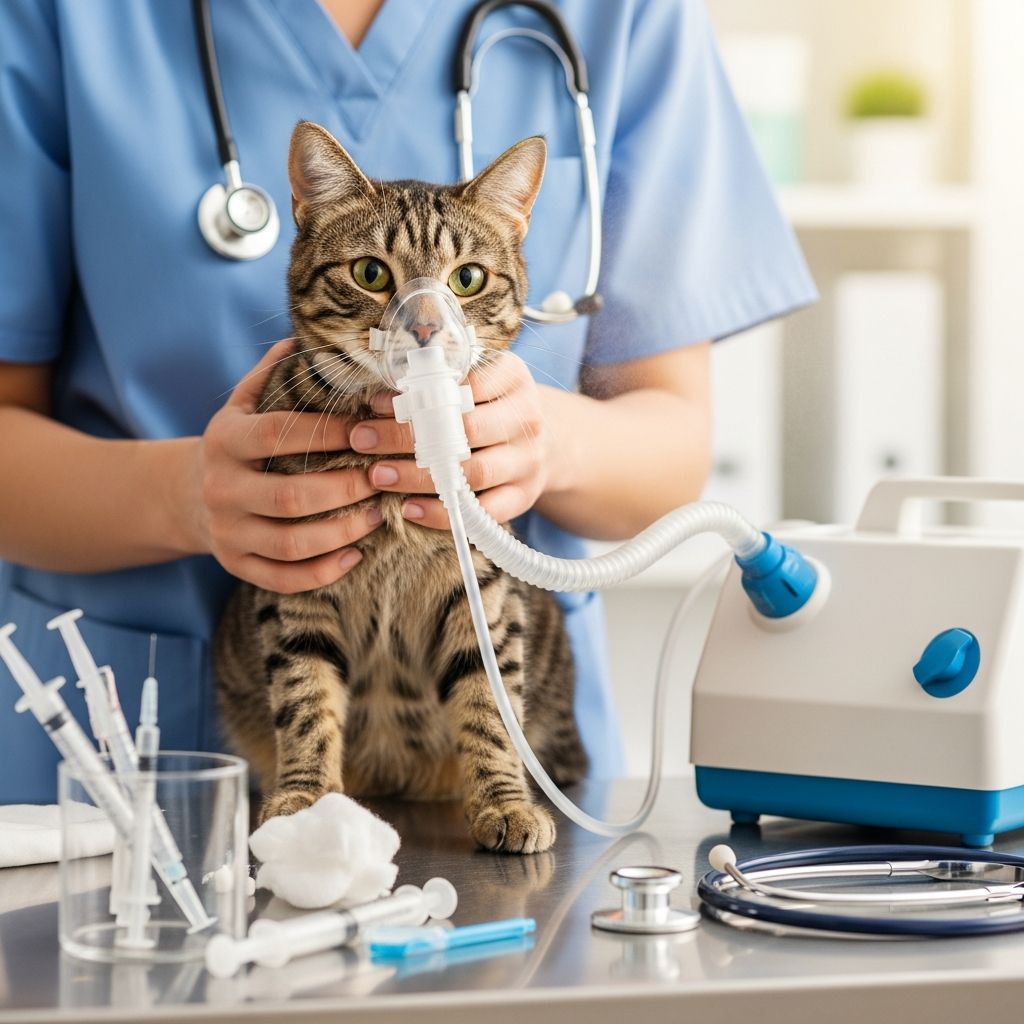
Beta-2 receptor agonist bronchodilators are essential medications used during acute asthma attacks to rapidly open constricted airways. These medications work quickly, typically within minutes to 20 minutes, providing relief during a crisis. Albuterol is commonly administered via metered-dose inhaler (MDI) with a specially designed spacer and mask at a dose of 90 micrograms per administration. This rapid-acting medication helps your cat breathe more easily and may prevent the need for emergency hospitalization in mild to moderate cases.
Anti-inflammatory Corticosteroids
An anti-inflammatory dose of dexamethasone sodium phosphate (equivalent to 3 mg/mL dexamethasone) should be administered when asthma or chronic bronchitis is highly suspected. Corticosteroids reduce airway inflammation and swelling, addressing the underlying cause of the respiratory distress rather than just treating symptoms. This combination of bronchodilators and corticosteroids provides comprehensive acute management and typically results in significant improvement within 30 minutes of administration.
Chronic Management and Long-Term Treatment
Managing asthma and chronic bronchitis in cats requires ongoing therapy to prevent flare-ups and maintain respiratory function.
Corticosteroid Administration
Glucocorticoids are the cornerstone of chronic asthma and bronchitis management in cats. These anti-inflammatory medications reduce airway inflammation, mucus production, and the frequency of respiratory episodes. Multiple delivery routes exist for corticosteroid administration:
Inhaled Corticosteroids: Inhaled steroids such as fluticasone are increasingly preferred because they deliver medication directly to the lungs with minimal systemic side effects. Using an inhalation chamber with a face mask, one to two puffs are administered according to your veterinarian’s instructions, typically twice daily. Most cats tolerate this method well with proper training and introduction to the device.
Oral Corticosteroids: Oral medications in tablet or liquid form provide another option for cats that cannot use inhalers. While effective, long-term oral corticosteroid use may result in side effects including increased appetite, increased thirst, increased urination, and anxiety.
Injectable Corticosteroids: Repository glucocorticoid injections (10–20 mg total dose administered intramuscularly or subcutaneously every 4–12 weeks as needed) are reserved as a last resort for cats that cannot be medicated by other routes. However, long-term injectable steroid use carries significant risks including weight gain, diabetes mellitus, and reduced immunity, making this option appropriate only when other routes have failed.
Bronchodilator Therapy for Chronic Management
While bronchodilators are essential for acute attacks, they also play a role in chronic management when corticosteroids alone are insufficient. Bronchodilators help relax the muscles surrounding the airways, making breathing easier. However, it is important to note that bronchodilators should not be used alone without corticosteroids, as they do not address the underlying inflammation. These medications typically require administration up to three times daily, compared to once or twice daily dosing for most corticosteroid protocols.
Environmental Management and Trigger Avoidance
Reducing your cat’s exposure to respiratory irritants and known triggers is a crucial component of asthma and bronchitis management that is often overlooked but highly effective.
Eliminating Aerosol Triggers
Cats with sensitive airways should avoid exposure to aerosol sprays including hair spray, perfume, cleaning products, and pesticide sprays. These products can irritate the airways and trigger acute respiratory episodes. Choose unscented household products when possible, and spray them in areas where your cat is not present.
Dust Reduction
Dust and particulate matter can aggravate feline respiratory conditions significantly. Minimize your cat’s exposure to flea powder, dust from conventional kitty litter, carpet fresheners, and other dusty materials. Consider switching to low-dust, unscented cat litter as a practical environmental modification.
Smoke and Air Quality
Maintain a smoke-free environment for your cat, avoiding exposure to cigarette smoke and fireplace smoke. These irritants can trigger coughing and respiratory distress. Additionally, use HEAP air filters in your home to improve overall air quality and reduce airborne allergens and irritants that may trigger asthma attacks.
Supportive Care Measures
Nebulization and Humidification Therapy
Therapy with mist through nebulization or steam from a hot shower can help loosen secretions, making them easier for your cat to cough up. This supportive therapy is particularly helpful during periods of active coughing and can provide comfort. You may create a humid environment by running a hot shower and allowing your cat to breathe the steam, or your veterinarian may recommend a home nebulizer for more controlled therapy.
Rest and Comfort
Rest is fundamental to recovery during and after respiratory episodes. Provide your cat with a quiet, comfortable space away from household stress and activity. Warmth, proper hygiene, and minimal stress all contribute to better respiratory function and faster recovery from acute episodes.
Treatment Route Comparison
| Treatment Route | Advantages | Disadvantages | Frequency |
|---|---|---|---|
| Inhaled (MDI with chamber) | Delivers medication directly to lungs, minimal systemic side effects, well-tolerated with training | Requires proper technique and equipment, may be challenging initially | 1-2 times daily |
| Oral tablets or liquid | Easy to administer, no special equipment needed | Higher risk of systemic side effects with long-term use, must be given multiple times daily | 1-3 times daily |
| Injectable (repository) | Long-lasting effect, no daily administration required | Significant risk of weight gain, diabetes, immunosuppression; last resort option | Every 4-12 weeks |
Special Considerations and Additional Treatments
Antibiotic Therapy
If bacterial infection is suspected or confirmed in your cat with bronchitis, broad-spectrum antibiotics may be prescribed by your veterinarian. Treatment of any underlying infectious disease is essential for complete resolution of respiratory symptoms.
Parasitic Infection Treatment
In young outdoor cats, lungworm infection should be considered as a potential cause of lower airway disease. If lungworm is suspected, treatment with fenbendazole is indicated to eliminate the parasitic infection.
Using Inhalation Chambers Correctly
Proper technique is essential for effective inhaled medication delivery. The correct procedure involves attaching the inhaler to an aerosol chamber, puffing one dose of medication into the chamber at a time, and then placing the face mask gently over your cat’s nose and mouth. Your cat should breathe normally for approximately 10-15 seconds, allowing the medication to reach the lower airways. With practice and proper introduction to the device, most cats tolerate this method well, making it significantly easier than administering tablets or liquids.
When to Seek Emergency Care
Certain signs indicate that your cat requires immediate veterinary attention. Seek emergency care if your cat exhibits severe respiratory distress, open-mouth breathing, inability to move due to breathing difficulty, collapse, or failure to respond to routine bronchodilator therapy. Cats that fail to respond to standard acute management protocols may have conditions such as pleural effusion, pneumothorax, or underlying heart disease that require different treatment approaches and possibly diagnostic imaging or advanced procedures.
Monitoring Treatment Response
Regular monitoring is essential to determine whether your cat’s treatment plan is effective. Keep a record of coughing episodes, breathing difficulties, activity levels, and appetite. Most cats show significant improvement within 30 minutes of acute treatment administration. If your cat is not responding as expected, contact your veterinarian promptly for evaluation and potential medication adjustments. Treatment plans may need to be modified based on your individual cat’s response and tolerance.
Medication Side Effects and Management
Understanding potential side effects helps you recognize problems early and work with your veterinarian to adjust treatment if necessary. Oral and injectable corticosteroids may cause increased appetite, increased thirst, increased urination, and behavioral changes like anxiety. Monitor your cat’s weight and blood glucose levels when using long-term corticosteroid therapy, as diabetes mellitus can develop with prolonged use. Inhaled corticosteroids typically have minimal side effects because they deliver medication directly to the lungs rather than affecting the entire body systemically.
Frequently Asked Questions
Q: How long does it take for treatment to work?
A: Acute treatment with bronchodilators and corticosteroids typically produces significant improvement within 30 minutes. Chronic management takes longer, with improvements often seen over days to weeks as inflammation gradually decreases with consistent medication use.
Q: Can my cat’s asthma be cured?
A: Asthma and chronic bronchitis are chronic conditions that cannot be cured but can be effectively managed with proper treatment, environmental control, and ongoing medication. Many cats live normal, comfortable lives with appropriate management.
Q: Is the inhaler method really effective in cats?
A: Yes, inhaled medications are highly effective in cats when delivered using a properly fitted aerosol chamber and face mask. With practice and proper introduction to the device, most cats tolerate this method well and benefit from direct lung delivery of medication.
Q: What if my cat won’t take oral medication?
A: If your cat resists oral medication, discuss alternative delivery methods with your veterinarian, including inhaled medications, injectable corticosteroids, or transdermal patches. The inhalation chamber method is often easier than forcing pills and is well-tolerated by most cats.
Q: How often should my cat receive treatment?
A: Chronic management typically involves daily or twice-daily inhaled corticosteroids, or oral medications given 1-3 times daily depending on the specific medication and your cat’s needs. Your veterinarian will determine the appropriate frequency based on your cat’s response and condition severity.
Q: Are there any natural remedies for feline asthma?
A: While environmental management and reducing triggers are essential supportive measures, prescription medications including corticosteroids and bronchodilators are the primary effective treatments. Always consult with your veterinarian before attempting any alternative treatments to ensure they are safe and appropriate for your cat.
References
- Treatment of Feline Lower Airway Disease — Today’s Veterinary Practice. 2024. https://todaysveterinarypractice.com/respiratory-medicine/treatment-of-feline-lower-airway-disease/
- Bronchitis in Cats: Symptoms, Treatment & Prognosis — Lake Cross Veterinary Hospital. 2020. https://www.lakecross.com/site/blog-huntersville-vet/2020/11/27/bronchitis-cats-symptoms-treatment-diagnosis
- Asthma and Chronic Bronchitis in Cats — International Cat Care. https://icatcare.org/articles/asthma-and-chronic-bronchitis-in-cats
- Tracheobronchitis (Bronchitis, Bronchial Asthma) in Cats – Cat Owners — Merck Veterinary Manual. https://www.merckvetmanual.com/cat-owners/lung-and-airway-disorders-of-cats/tracheobronchitis-bronchitis-bronchial-asthma-in-cats
- Feline Asthma in Cats: Symptoms, Treatment & Care — Bliss Animal Hospital. 2024. https://blissanimalhospital.com/blog/feline-asthma-treatment-orange-county-ca/
- Understanding and Treating Feline Asthma — DVM360. https://www.dvm360.com/view/understanding-and-treating-feline-asthma-proceedings
- Using an Inhalation Chamber for Medications — Cat Specialist Services. https://www.catspecialists.com.au/using-an-inhalation-chamber-for-medications/
Similar Articles







Read full bio of Sneha Tete