
Treating Urinary Stones In Pets: Pharmacotherapy Protocols
Comprehensive guide to pharmacological strategies for managing and preventing urolithiasis in dogs and cats effectively.
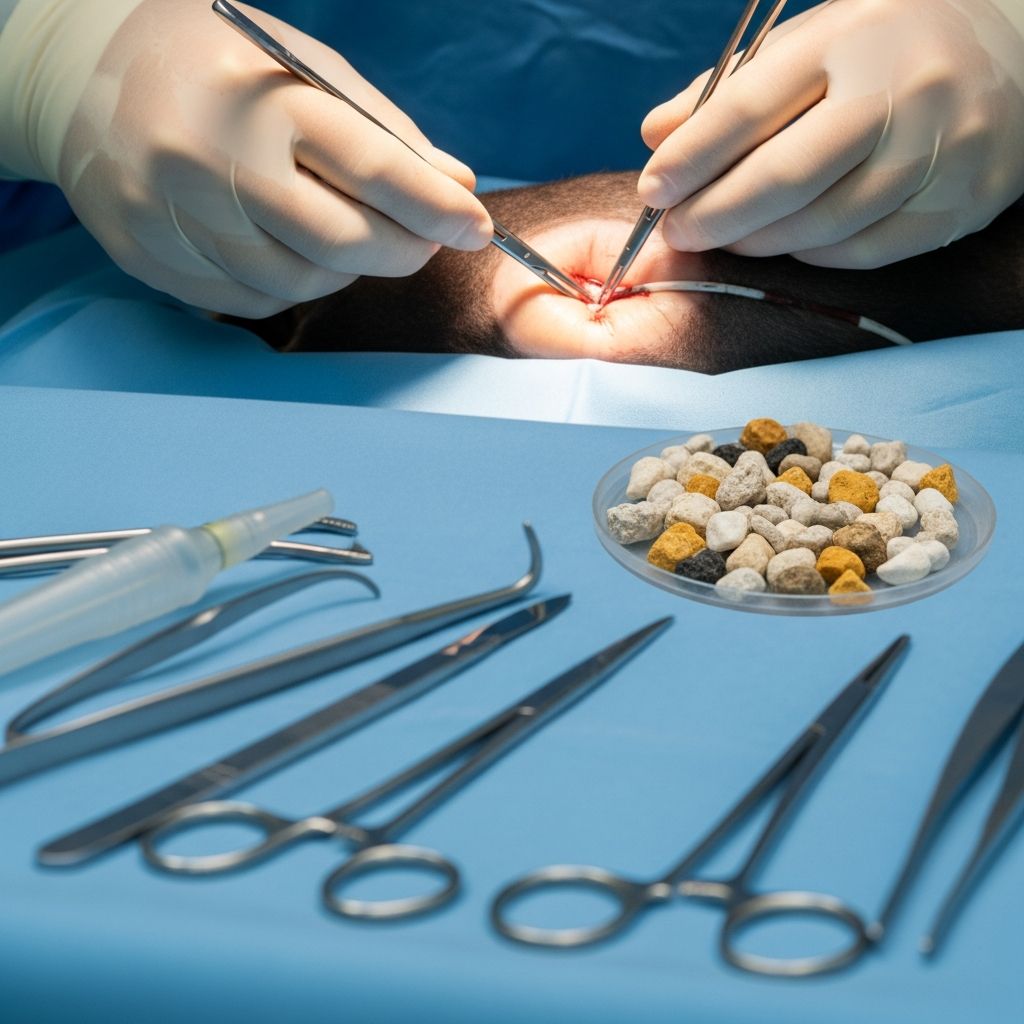
Urinary stones, or uroliths, represent a frequent challenge in veterinary medicine, particularly among dogs and cats. These mineral aggregates form within the urinary tract, leading to pain, obstruction, and potential kidney damage if untreated. Effective management hinges on accurate identification of stone type, targeted pharmacological interventions, and preventive measures to reduce recurrence. This article delves into the core principles of pharmacotherapy for urolithiasis, emphasizing dissolution strategies, supportive medications, and long-term care plans grounded in clinical consensus.
Understanding the Formation and Risks of Urinary Stones
Uroliths develop when urine becomes supersaturated with minerals, influenced by factors like diet, pH, infection, and genetics. In dogs, common types include struvite, calcium oxalate (CaOx), urate, and cystine stones, while cats often face CaOx and struvite varieties. Obstructions, especially ureteral ones, demand urgent action to preserve renal function. Risk factors encompass breed predispositions—such as Dalmatians for urates—and urinary tract infections (UTIs) that promote struvite growth via urease-producing bacteria.
Clinical signs vary from hematuria and dysuria to life-threatening anuria. Diagnosis involves imaging (radiography, ultrasound), urinalysis, and stone analysis post-removal, crucial for tailoring therapy since treatments differ by composition.
Diagnostic Approaches for Precise Stone Identification
Initial evaluation includes signalment, history, physical exam, and bloodwork to assess azotemia or electrolyte imbalances. Radiographs detect radiopaque stones like struvite and CaOx, while ultrasound identifies ureteral obstructions. Urine culture is essential to rule out infection-induced struvite, as sediment alone lacks sensitivity.
- Urinalysis: Checks pH, crystalluria, and specific gravity (USG).
- Imaging: Radiographs for location/size; ultrasound for soft tissue detail.
- Stone Analysis: Submit fragments to labs like the Minnesota Urolith Center for mineral composition.
Predicting composition aids in selecting dissolution over surgery; for instance, sterile struvite suggests dietary management, while infection-linked ones require antimicrobials.
Pharmacological Strategies for Acute Management
Stable obstructions may undergo medical trials for 24-72 hours, using fluid diuresis, mannitol infusion, alpha-blockers, or tricyclic antidepressants to relax ureters. However, persistent oliguria, hyperkalemia, or worsening azotemia necessitate intervention like stenting or surgery. Broad-spectrum IV antimicrobials precede procedures in dogs.
Post-cystotomy care features maintenance crystalloids, opioids like methadone (0.1-0.2 mg/kg IV q6-8h), and oral analgesics such as gabapentin (10 mg/kg PO q8h). Avoid NSAIDs in obstructed cases; monitor electrolytes.
Dissolution Protocols by Stone Type
Dissolution prioritizes medical over surgical options when feasible, especially in cats. Protocols adjust urine pH, dilute solutes, and inhibit crystal formation.
Struvite Stones: Combating Infection and Promoting Dissolution
Infection-induced struvite dissolves with appropriate antimicrobials (culture-guided) plus struvite dissolution diets low in magnesium/phosphorus that acidify urine (pH <6.5). No treats allowed; ensure water access. Urease inhibitors like acetohydroxamic acid are rarely first-line. For sterile struvite, acidifying diets suffice. Recheck via imaging every 4 weeks.
Urate Stones: Alkalinization and Purine Control
Promote diuresis (USG <1.020), urine pH ≥7, and low-purine diets. In high-risk breeds (e.g., Dalmatians with SLC2A9 mutation), add allopurinol (5-7 mg/kg PO q12-24h), but pair strictly with purine restriction to avoid xanthine stones. Dissolution succeeds in ~50% of cases within 1 month. Avoid xanthine oxidase inhibitors in shunt cases without investigation.
Cystine Stones: Thiol Drugs and Alkaline Diets
Employ low-protein, alkalinizing canned diets (pH >7.5) with tiopronin (15-20 mg/kg PO q12h) for 1-3 months. This thiol drug enhances cystine solubility, achieving dissolution in 60% and preventing recurrence in 86%. Neutering and low-sodium intake aid prevention.
Calcium Oxalate Stones: Supportive Measures
CaOx resists dissolution; focus on prevention via USG reduction, neutral pH, and thiazides (hydrochlorothiazide 2 mg/kg PO q12h) or potassium citrate to boost citrate. Increase moisture intake; canned diets preferred.
| Stone Type | Target pH | Key Diet | Medications |
|---|---|---|---|
| Struvite | <6.5 | Low Mg/P, acidifying | Antimicrobials |
| Urate | ≥7 | Low purine | Allopurinol (dogs) |
| Cystine | >7.5 | Low protein, alkalinizing | Tiopronin |
| CaOx | 6.5-7.5 | High moisture | Thiazides, citrate |
Minimally Invasive and Surgical Interventions
Ureteral stenting is preferred for canine ureteroliths by skilled operators, potentially combined with lithotripsy. In felines, prioritize dissolution and minimally invasive cystotomy over open surgery. Post-procedure, adhere to dissolution diets and monitor via serial radiographs/urinalyses.
Prevention: Long-Term Pharmacotherapeutics
Recurrence prevention mirrors dissolution but lifelong: target USG <1.020 via wet foods or water additives; adjust pH per type. For struvite, eradicate UTIs via cultures; investigate recurrent cases for anomalies. Urate-prone dogs benefit from allopurinol; cystine from tiopronin. Regular monitoring (q3-6 months) includes imaging and cultures.
- Increase water intake: Canned diets, fountains, slurry feeding.
- Diet compliance: Prescription only; no table food.
- Neutering: Reduces cystine/urate risk in predisposed breeds.
Monitoring Progress and Troubleshooting
Track dissolution with monthly abdominal radiographs/ultrasound, urinalysis, and bloodwork. Failure signs: unchanged stone size after 4-6 weeks, rising azotemia, or off-target pH/USG. Switch strategies or intervene surgically. Client education on compliance is vital.
FAQs on Pet Urolithiasis Treatment
What is the first step after diagnosing a urinary stone?
Perform urine culture, imaging, and stone analysis to guide type-specific therapy.
Can all stones be dissolved medically?
No; struvite, urate, and cystine often respond, but CaOx typically requires removal.
How long does dissolution take?
Struvite: 4-12 weeks; urate/cystine: 1-3 months, with monitoring.
Is surgery always needed for obstructions?
Medical management trials for stable cases; stenting preferred for ureteroliths.
How to prevent recurrence in high-risk pets?
Lifelong prescription diets, pH control, medications, and regular check-ups.
This comprehensive pharmacotherapeutic framework empowers veterinarians to manage urolithiasis effectively, minimizing recurrence and enhancing pet quality of life.
References
- ACVIM Small Animal Consensus Recommendations on the Treatment and Prevention of Uroliths in Dogs and Cats — Lulich JP et al. 2016-09-15. https://pmc.ncbi.nlm.nih.gov/articles/PMC5032870/
- Identifying and treating canine and feline urolithiasis — dvm360. 2023-01-01. https://www.dvm360.com/view/identifying-and-treating-canine-and-feline-urolithiasis
- Summary of the ACVIM Consensus Recommendations on the Treatment and Prevention of Uroliths in Dogs and Cats — MSPCA-Angell. 2022-05-10. https://www.mspca.org/angell_services/summary-acvim-consensus-recommendations-treatment-prevention-uroliths-dogs-cats/
- AAFP releases consensus statement on treatment of urolithiasis — AVMA. 2024-08-01. https://www.avma.org/news/aafp-releases-consensus-statement-treatment-urolithiasis
- Urolithiasis in Dogs — Merck Veterinary Manual. 2023-11-20. https://www.merckvetmanual.com/urinary-system/urolithiasis-in-small-animals/urolithiasis-in-dogs
- Managing Urolithiasis in Dogs — Today’s Veterinary Practice. 2022-07-12. https://todaysveterinarypractice.com/urology-renal-medicine/managing-urolithiasis-in-dogs/
- Treatment recommendations — University of Minnesota Urolith Center. 2024-02-01. https://urolithcenter.org/recommendations
Similar Articles








Read full bio of medha deb


