
Undefined Expert Guide To Treating Unique Injuries In Pets
Expert strategies for handling bite wounds, burns, fractures, and other specialized injuries in dogs and cats to promote rapid recovery.
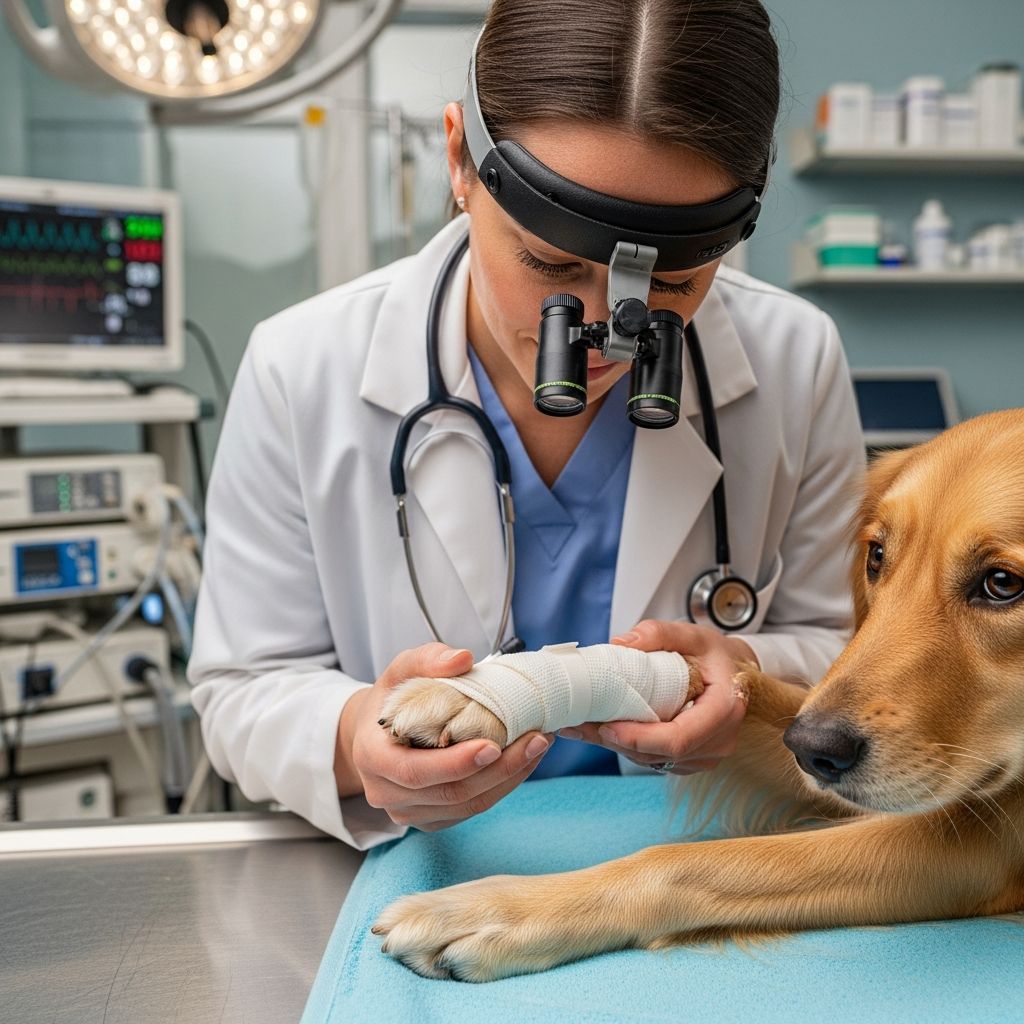
Small animals like dogs and cats often suffer from specialized injuries that demand tailored veterinary responses. These range from aggressive bite marks to thermal burns and severe skin avulsions. Proper intervention minimizes infection risks, speeds tissue repair, and restores function, drawing on principles of decontamination, tissue preservation, and progressive healing.
Understanding Injury Types in Companion Animals
Injuries in pets vary widely based on cause and location.
Bite wounds
from fights introduce deep bacterial contamination due to teeth penetration.Puncture injuries
similarly trap pathogens beneath the skin.Burns
damage layers through heat, chemicals, or electricity, whiledegloving
strips skin from underlying structures, often in limbs. Recognizing these distinctions guides immediate actions and long-term care.Common Causes and Initial Signs
- Bites: Tooth-shaped punctures with swelling and pus discharge.
- Punctures: Small entry holes hiding extensive internal damage.
- Burns: Reddened, blistered, or charred skin with pain or numbness.
- Degloving: Skin shears off, exposing muscle and bone.
Early detection through visual checks and palpation prevents escalation. Stabilize the pet first, addressing shock or pain before focusing on the site.
Emergency Response Protocols
The foundation of care begins with systemic stabilization. Administer analgesics and fluids, then clip fur around the area using sterile lubricant for precision. Apply direct pressure to staunch bleeding, preferring pressure wraps over tourniquets to safeguard circulation.
Decontamination Techniques
**Copious lavage** remains critical, using large volumes of balanced electrolyte solutions at moderate pressure to flush debris and bacteria without embedding contaminants deeper. Follow with sharp debridement under sedation to excise necrotic tissue—viable areas appear pink and bleed when cut.
| Injury Type | Lavage Solution | Pressure Level | Volume Guideline |
|---|---|---|---|
| Bites/Punctures | 0.9% saline or lactated Ringer’s | 8-12 PSI | 200 mL per 10 cm² |
| Burns | Cool sterile water initially | Low (4-7 PSI) | Continuous until cooled |
| Degloving | Saline with antiseptics | Moderate | High volume, repeated |
This table outlines optimized lavage parameters, ensuring mechanical cleansing while preserving healthy cells.
Managing Bite and Puncture Wounds
These injuries pose high infection risks from oral flora. After lavage, explore tracts with probes or imaging to map damage. Culture deep samples for targeted antibiotics—start broad-spectrum like cephalosporins empirically.
Avoid immediate closure; opt for open management or delayed primary closure after 3-5 days of drainage. Use drains if pockets form, and apply antimicrobial dressings to control bioburden.
Advanced Infection Control
Monitor for abscesses via ultrasound. Systemic antibiotics pair with topicals like silver sulfadiazine. In refractory cases, consider biofilm disruptors or honey-based barriers, which promote autolysis without harming granulation.
Handling Burn Injuries in Pets
Burns classify by depth: superficial (epidermis only), partial-thickness (dermis involved), or full-thickness (subcutaneous exposure). Cool immediately with running water for 20 minutes to halt progression, avoiding ice to prevent vasoconstriction.
Debride blisters cautiously; apply non-adherent films to prevent sticking. For full-thickness burns, surgical excision and grafting may be needed once infection clears. Nutritional support with high-protein diets accelerates re-epithelialization.
Pain Management Strategies
- Multimodal opioids, NSAIDs, and locals like lidocaine infusions.
- Bandages with hydrogel layers to soothe and hydrate.
- Regular assessments using grimace scales tailored for species.
Addressing Degloving and Avulsion Injuries
Degloving occurs when skin detaches from fascia, common in road trauma to legs. Preserve viable skin flaps by wrapping in saline-moistened gauze and refrigerating if grafting is planned. Expose bone promptly for coverage planning.
Open management excels here: repeated debridements with moist dressings foster granulation. Tie-over bandages secure grafts or promote contraction. Negative pressure therapy draws edges together, reducing edema and stimulating vascularity.
Reconstructive Options
- Undermine edges for tension-free closure.
- Axial pattern flaps for distal limb defects.
- Skin grafts (meshed or sheet) over healthy beds.
Success hinges on vascular supply; Doppler ultrasound confirms perfusion preoperatively.
Bandaging and Dressing Innovations
Bandages protect, absorb, and modulate the environment. Wet-to-dry for initial debridement shifts to moist-to-moist for proliferation. Hydrocolloids maintain humidity, alginates handle exudate, and foams cushion high-movement areas.
Tie-over designs suit irregular sites, while vacuum-assisted closure applies subatmospheric pressure for faster closure in select cases.
Dressing Change Protocols
- Assess for strike-through or odor.
- Gently remove with saline soak if adherent.
- Re-lavage and re-debride as needed.
- Reapply based on healing phase.
Monitoring Healing Progress
Track via serial photos, measurements, and biopsies if stalled. Phases include inflammation (days 1-4), proliferation (weeks 1-3), and remodeling (months). Complications like dehiscence or proud flesh demand prompt revision.
Support with omega-3s, zinc, and arginine to bolster collagen synthesis. Exercise restriction prevents shear forces.
FAQ: Pet Wound Care Essentials
What should I do first for a bleeding pet wound?
Apply firm, direct pressure with clean gauze for 5-10 minutes without peeking. Elevate if possible, then seek veterinary care.
Can I clean a bite wound at home?
Gently flush with saline, but avoid hydrogen peroxide. Professional evaluation is crucial due to hidden damage.
How long do pet wounds take to heal?
Superficial: 7-14 days; deep or surgical: 3-6 weeks, varying by health and care.
When is surgery needed for wounds?
For large defects, tendon exposure, or joint involvement post-debridement.
Are antibiotics always required?
Not for clean, closed wounds; yes for contaminated or punctures pending cultures.
Preventing Wound Complications
Client education on e-collars, clean environments, and med adherence cuts readmissions. Early mobility aids lymphatic drainage without overload. Holistic monitoring ensures timely interventions, optimizing outcomes in these challenging cases.
References
- Initial Wound Management in Small Animals — Merck Veterinary Manual. 2023. https://www.merckvetmanual.com/emergency-medicine-and-critical-care/wound-management-in-small-animals/initial-wound-management-in-small-animals
- Care of Open Wounds in Dogs — VCA Animal Hospitals. 2023. https://vcahospitals.com/know-your-pet/care-of-open-wounds-in-dogs
- Principles of Wound Management and Wound Healing in the Exotic — PMC (NCBI). 2015-10-01. https://pmc.ncbi.nlm.nih.gov/articles/PMC4663678/
- Wound Management for Veterinary Technicians — AAHA Trends Magazine. 2022-06. https://www.aaha.org/trends-magazine/june-2022/f1-wound-care/
- Helpful Tips for Managing Wounds in Veterinary Patients — Today’s Veterinary Practice. 2023. https://todaysveterinarypractice.com/wound-management/helpful-tips-for-managing-wounds-in-veterinary-patients/
- Techniques in Small Animal Wound Management — Wiley Online Library. 2023. https://onlinelibrary.wiley.com/doi/book/10.1002/9781119933861
Similar Articles








Read full bio of Sneha Tete


