

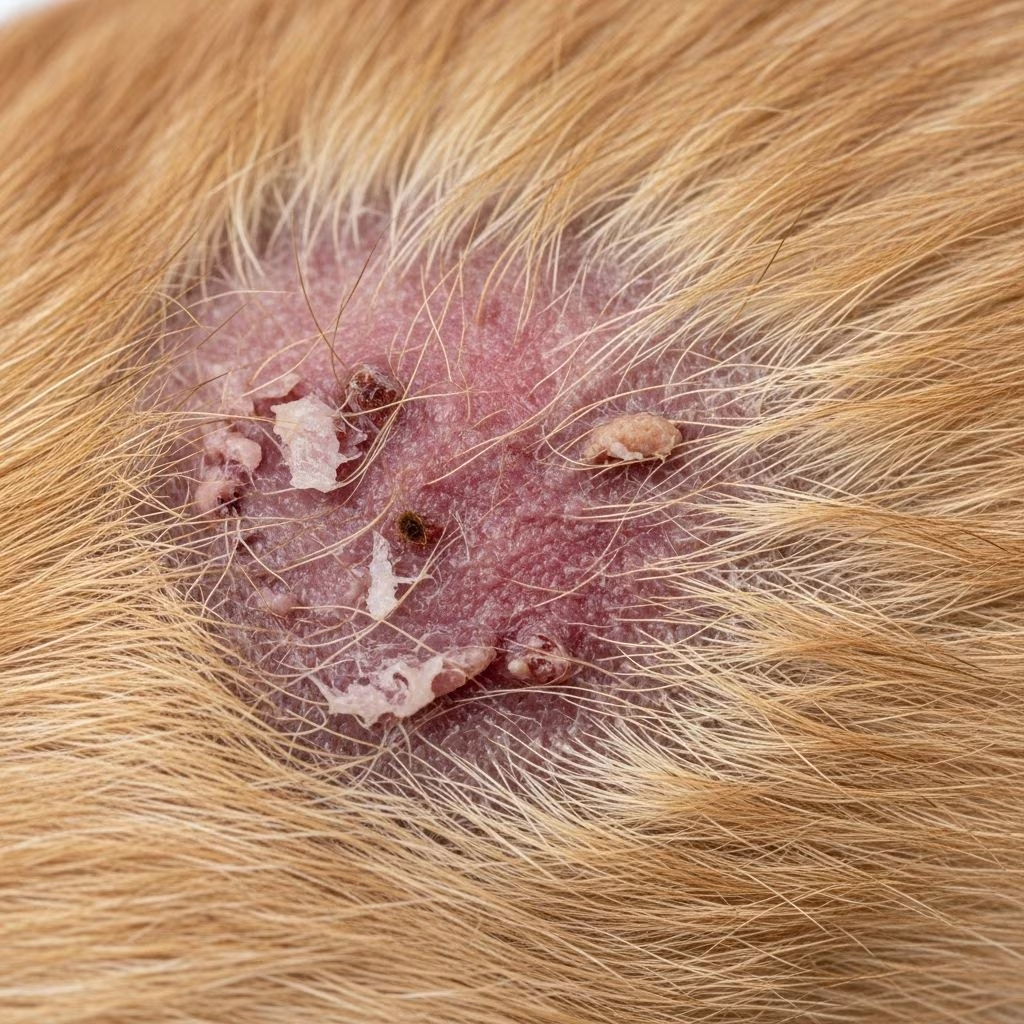
Sarcoptic mange, caused by the mite Sarcoptes scabiei var. canis, is a highly contagious skin condition affecting dogs, leading to intense itching, hair loss, and skin lesions. Effective treatment relies on antiparasitic medications, often combined with supportive therapies to manage symptoms and prevent reinfestation.
Understanding Sarcoptic Mange: Causes and Transmission
This parasitic infestation burrows into a dog’s skin, triggering severe allergic reactions. Mites spread through direct contact with infected animals or contaminated environments like bedding or soil. Puppies, immunocompromised dogs, and those in crowded settings such as shelters face higher risks. Early intervention is crucial as untreated cases can lead to secondary bacterial infections and widespread dermatitis.
Key transmission factors include:
- Direct skin-to-skin contact with infested dogs.
- Shared bedding, toys, or grooming tools.
- Exposure in kennels, dog parks, or multi-pet households.
Recognizing the Signs: Symptoms of Sarcoptic Mange
Dogs exhibit relentless scratching, particularly around ears, elbows, hocks, and abdomen. Common symptoms progress as follows:
| Stage | Symptoms |
|---|---|
| Early | Intense pruritus (itching), mild redness. |
| Moderate | Hair loss in patches, crusty skin, papules. |
| Advanced | Thickened skin, foul odor from infections, lethargy. |
Pruritus remains the hallmark, often worsening at night. Owners may notice self-trauma from biting and rubbing.
Diagnostic Approaches for Accurate Identification
Diagnosis starts with clinical history and physical exam. Skin scrapings are standard but yield false negatives in up to 50% of cases due to low mite numbers. Veterinarians may recommend:
- Deep skin scrapings examined microscopically.
- Response to trial antiparasitic therapy.
- Exclusion of differentials like demodicosis or allergies via biopsy or bloodwork.
In challenging cases, multiple scrapings or acetate tape preps improve detection.
Primary Treatment Options: Antiparasitic Therapies
Modern treatments prioritize systemic isoxazolines for high efficacy and convenience. These oral or topical drugs target the parasite’s nervous system, achieving near-100% cure rates.
Isoxazoline Class Medications
Afoxolaner (NexGard), fluralaner (Bravecto), and sarolaner (Simparica) dominate protocols. Studies show:
- Single oral fluralaner dose (25 mg/kg) yields parasitological cure by day 28.
- Sarolaner (2 mg/kg monthly for two doses): 100% efficacy vs. placebo.
- Afoxolaner (2.5 mg/kg monthly): 99.7-100% cure in two months.
These are safe for most breeds, with minimal side effects.
Macrocyclic Lactones: Established Alternatives
Selamectin (Revolution, 6-12 mg/kg spot-on, one or two doses), imidacloprid-moxidectin (Advantage Multi, monthly), and milbemycin oxime (2 mg/kg weekly for 3-4 weeks) offer reliable options. Ivermectin (0.2-0.6 mg/kg SC/PO, 2-4 doses) works but risks toxicity in herding breeds with MDR1 mutation.
A study combining ivermectin with vitamin E/selenium boosted efficacy to 100%.
Topical and Supportive Treatments
Lime-sulfur dips (weekly) provide relief but are messy and rarely first-line today. Fipronil sprays or selamectin spot-ons complement systemic therapy. All in-contact dogs and environmental cleaning are essential.
Supportive Care: Managing Symptoms and Complications
Treatment extends beyond killing mites:
- Antibiotics: For secondary pyoderma (e.g., cephalexin 22 mg/kg BID for 3-4 weeks).
- Anti-itch meds: Oclacitinib (0.4-0.6 mg/kg BID tapering) or antihistamines.
- Baths: Medicated shampoos (benzoyl peroxide or chlorhexidine) soothe skin.
- Nutrition: High-quality diets with omega-3s promote healing.
Monitor for 4-8 weeks post-treatment to confirm cure via negative scrapings.
Environmental Control: Preventing Reinfection
Mites survive off-host for days. Strategies include:
- Machine-wash bedding in hot water; discard irreparable items.
- Vacuum carpets, floors; use flea sprays labeled for mites.
- Treat all household pets, even asymptomatics.
- Isolate infested dogs until two negative scrapings.
Shelters emphasize short-term isoxazolines for quick quarantine release.
Special Considerations for High-Risk Dogs
Breeds like Collies require MDR1 testing before macrocyclic lactones. Puppies under 8 weeks or pregnant dogs favor topical selamectin. Immunosuppressed patients may need extended protocols.
Prognosis and Long-Term Management
With prompt treatment, 95-100% recovery occurs within 4-8 weeks. Recurrence is rare if environment is sanitized. Annual preventives like isoxazolines reduce risk in endemic areas.
Frequently Asked Questions (FAQs)
Can humans catch sarcoptic mange from dogs?
Temporary itching possible, but human strains differ; resolves without treatment.
How long does treatment take?
Typically 4-8 weeks, with follow-up scrapings.
Is lime-sulfur dip still used?
Infrequently; isoxazolines are preferred for efficacy and ease.
What if my dog has MDR1 mutation?
Avoid ivermectin; use isoxazolines or selamectin.
Can sarcoptic mange be prevented?
Regular flea preventives (many cover mites) and hygiene in multi-dog homes.
References
- The most effective systemic treatment in dogs with sarcoptic mange — PMC/NCBI. 2023-10-01. https://pmc.ncbi.nlm.nih.gov/articles/PMC10552383/
- Sarcoptic Mange in Dogs — Small Door Veterinary. 2024-01-15. https://www.smalldoorvet.com/learning-center/medical/sarcoptic-mange-in-dogs
- What to do if your dog has mange — Vetster. 2023-11-20. https://vetster.com/en/wellness/what-to-do-if-your-dog-has-mange
- Mange in Dogs and Cats — MSD Veterinary Manual. 2025-02-01. https://www.msdvetmanual.com/integumentary-system/mange/mange-in-dogs-and-cats
- GPs: Don’t Forget About Sarcoptic Mange! — Mountain Star Veterinary. 2024-05-10. https://mountainstarvs.vet/blog/gps-dont-forget-about-sarcoptic-mange
- Mange (sarcoptes mite) in dogs — PDSA. 2024-08-05. https://www.pdsa.org.uk/pet-help-and-advice/pet-health-hub/conditions/mange-sarcoptes-mite-in-dogs
- Treatment and management of canine mange in a shelter — Shelter Medicine, University of Wisconsin. 2023-09-12. https://sheltermedicine.wisc.edu/library/resources/treatment-and-management-of-canine-mange-in-a-shelter



