

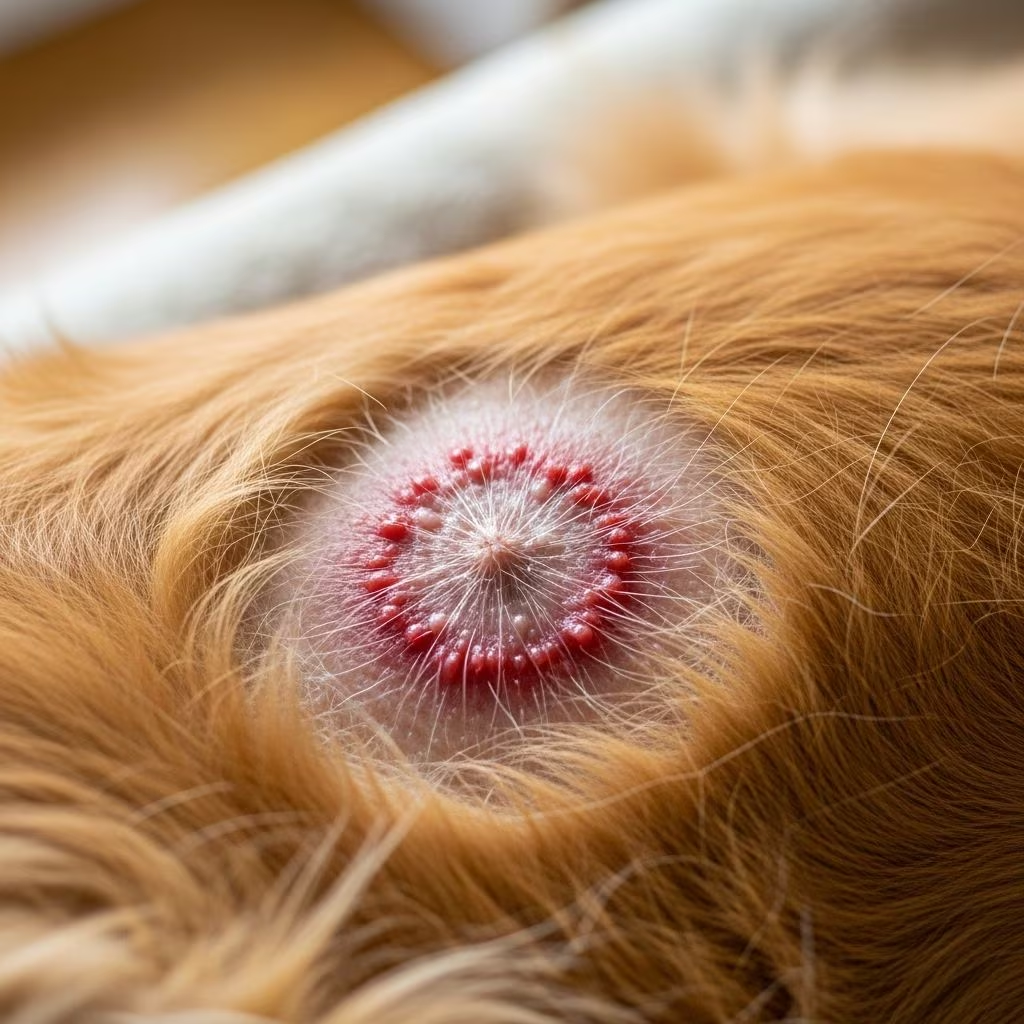
Ringworm, a common fungal infection affecting a dog’s skin, hair, and nails, can be managed at home with over-the-counter (OTC) products in mild cases. These treatments target the dermatophyte fungi like Microsporum canis, helping restore your pet’s skin health while minimizing spread to humans and other animals.
Understanding the Nature of Ringworm in Canines
Ringworm, medically known as dermatophytosis, is not caused by worms but by fungi that thrive on keratin in hair, skin, and nails. In dogs, it often stems from exposure to infected animals, contaminated soil, or shared grooming tools. Puppies, long-haired breeds, and immunocompromised dogs are particularly susceptible. The infection spreads via spores that linger in environments, making hygiene crucial during treatment.
Unlike bacterial infections, ringworm fluoresces under certain lights and requires prolonged antifungal exposure to eradicate. Early intervention with OTC options can resolve superficial cases, but persistent or widespread infections demand veterinary oversight.
Spotting Early Signs of Fungal Skin Issues
Recognizing symptoms promptly allows for swift OTC action. Common indicators include:
- **Patchy bald spots:** Circular areas of hair loss, often on the head, legs, tail, or trunk, with raised, red edges.
- **Scaly, flaky skin:** Resembling dandruff, with crusty or greasy patches that may darken over time.
- **Mild inflammation:** Red, swollen areas without severe pain, though scratching can lead to secondary issues.
- **Nail changes:** Brittle, deformed claws that break easily, signaling deeper involvement.
- **Itchiness variability:** Some dogs groom excessively; others show little discomfort.
Lesions start small, expanding outward while centers may heal, forming the classic “ring.” Incubation lasts 1-3 weeks post-exposure, so monitor after kennel stays or animal contacts.
Diagnostic Steps You Can Take at Home
While vets use Wood’s lamps, fungal cultures, and microscopy for confirmation, home checks include inspecting under blacklight (available OTC) for apple-green glow on hairs. Pluck affected hairs for closer view under a magnifying glass—spores appear as chains around shafts. These aid suspicion but aren’t definitive; combine with symptom tracking.
| Method | How to Use | Accuracy |
|---|---|---|
| Wood’s Lamp | Dark room, shine on lesions | 50-70% for M. canis |
| Hair Pluck Exam | Magnifier or phone macro lens | Supportive, not confirmatory |
| Symptom Log | Photo progress daily | Tracks spread |
If no improvement in 7-10 days, seek professional fungal culture, which takes 1-4 weeks but identifies the strain.
Top Over-the-Counter Antifungal Treatments
OTC products mimic prescription topicals, focusing on miconazole, clotrimazole, terbinafine, and chlorhexidine. Apply to clean, clipped areas twice daily for 4-6 weeks, even post-healing to kill lingering spores.
- Antifungal Creams/Ointments: Miconazole or clotrimazole (e.g., Monistat derivatives safe for pets). Spread thinly on lesions; effective for localized spots.
- Medicated Shampoos: Chlorhexidine or miconazole-based (e.g., Malaseb alternatives). Bathe 2-3 times weekly, lather 10 minutes before rinsing to penetrate follicles.
- Lime Sulfur Dips: Classic OTC choice; dilute per label, sponge or dip weekly. Smelly but highly effective against spores; safe for all ages.
- Spray Solutions: Terbinafine or ketoconazole sprays for hard-to-reach areas like nails and ears.
Rotate shampoos if irritation occurs. Clip fur around lesions for better absorption, but avoid nicking skin.
Building a Comprehensive Home Treatment Plan
Success hinges on consistency:
- Isolate the Dog: Separate from other pets/humans; use baby gates.
- Daily Cleaning: Vacuum daily, wash bedding in hot water with bleach (1:30 ratio).
- Topical Routine: Cleanse, apply OTC, cover if licked.
- Bathing Schedule: Full baths twice weekly; spot cleans daily.
- Monitor Progress: New hair growth signals recovery; full course prevents relapse.
For multi-pet homes, treat all contacts preventively with shampoos. Expect 4-8 weeks for clearance; spores persist 18+ months in environments.
Natural Supports and Adjunct Therapies
Complement OTC with gentle aids:
- Apple Cider Vinegar Rinse: 1:1 water dilution post-bath; antifungal properties soothe scaling.
- Coconut Oil: Apply sparingly; caprylic acid fights fungi, moisturizes.
- Tea Tree Oil Dilute: 1 drop per ounce carrier oil; potent but test patch first—toxic if overused.
- Probiotics: Oral supplements boost immunity against fungal overgrowth.
These lack robust trials but anecdotally aid mild cases when paired with antifungals.
Environmental Decontamination Essentials
Spores survive on fabrics, floors, and furniture:
- Discard heavily contaminated items.
- Mop with 1:10 bleach solution or accelerated hydrogen peroxide cleaners.
- Wash hands post-handling; vacuum with HEPA filters, seal/dispose bags.
- Enzymatic sprays on crates/kennels kill spores.
Focus on high-touch zones: bedding, toys, collars. Re-clean weekly until cultures negative.
Preventing Future Fungal Outbreaks
Proactive steps reduce recurrence:
- Grooming Hygiene: Regular baths, clean brushes between uses.
- Quarantine New Pets: 2-week observation period.
- Boost Nutrition: Omega-3s, zinc for skin resilience.
- Boarding Caution: Vet-check before/after group stays.
Annual fungal screenings for at-risk breeds maintain vigilance.
When Home Remedies Fall Short
Escalate to vet if:
- Lesions spread rapidly or cover >25% body.
- Systemic signs: lethargy, fever.
- No improvement after 2 weeks OTC.
- Immunocompromised household members.
Vets prescribe oral itraconazole/fluconazole for severe cases, plus cultures for monitoring.
Frequently Asked Questions
Can humans catch ringworm from dogs?
Yes, Microsporum canis transmits via contact; wash hands, avoid lesions.
How long is ringworm contagious in dogs?
Until two negative cultures 2-4 weeks apart; treat environment simultaneously.
Is lime sulfur safe for puppies?
Yes, diluted properly; rinse eyes/mouth if contact.
Can diet help ringworm recovery?
Immune-supporting foods with antioxidants speed healing alongside topicals.
What’s the success rate of OTC treatments?
70-90% for mild cases with diligent 4-6 week use; vet combo for rest.
References
- Ringworm in Dogs: Signs, Symptoms, Treatment — UrgentVet. 2023. https://urgentvet.com/ringworm-in-dogs/
- Dog Ringworm – Signs to Look For & How It’s Treated — Guilford Jamestown Vet. 2024-05-15. https://www.guilfordjamestownvet.com/site/blog-greensboro-vet/2024/05/15/dog-ringworm
- What Does Ringworm Look Like On a Dog? — Bruceville Pharmacy. 2023-04-30. https://www.brucevilleph.com/site/blog/2023/04/30/what-ringworm-look-like-dog
- Ringworm in Dogs — PetMD. 2024. https://www.petmd.com/dog/conditions/skin/c_dg_dermatophytosis
- Ringworm (Dermatophytosis) in Dogs – Dog Owners — Merck Veterinary Manual. 2024. https://www.merckvetmanual.com/dog-owners/skin-disorders-of-dogs/ringworm-dermatophytosis-in-dogs
- Ringworm – signs, diagnosis and treatment — Vetwest. 2024. https://www.vetwest.com.au/pet-library/ringworm-signs-diagnosis-and-treatment/
- Ringworm in Dogs: Signs, Symptoms, Treatment — AKC. 2024. https://www.akc.org/expert-advice/health/ringworm-in-dogs/



