

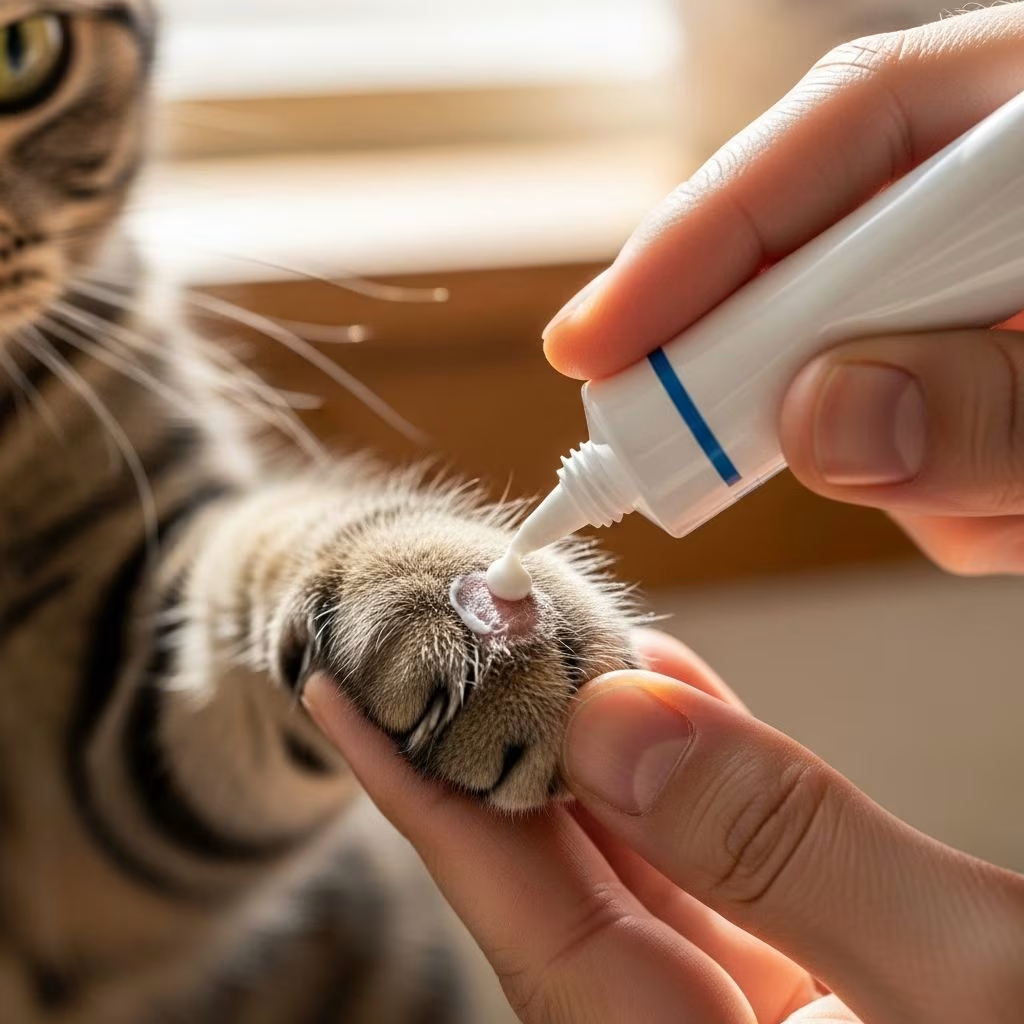
Ringworm is a common fungal infection affecting cats’ skin, causing circular patches of hair loss, redness, and scaling. While prescription medications offer comprehensive solutions, several over-the-counter (OTC) products can help manage mild cases when used correctly under veterinary guidance.
Understanding Ringworm: A Fungal Foe in Felines
Ringworm, despite its name, stems from dermatophyte fungi like Microsporum canis, not worms. It spreads through direct contact with infected animals, contaminated environments, or spores in soil. Cats, especially kittens, longhaired breeds, and those with weakened immunity, are highly susceptible. Symptoms include bald spots with broken hairs, scaly skin, and sometimes itching or crusting. Early detection via Wood’s lamp fluorescence or fungal cultures is key to preventing spread to other pets or humans.
In multi-cat homes or shelters, outbreaks can be challenging. The fungus thrives in warm, humid conditions and can persist in bedding or grooming tools for months. Proper diagnosis confirms ringworm over similar issues like allergies or mites.
Why OTC Treatments Matter for Cat Owners
OTC options provide accessible first-line defense for superficial infections, buying time for vet visits. They target fungi topically, reducing spore load without systemic effects. However, ringworm often requires combined approaches; OTC alone suits mild, localized cases. Always consult a vet to rule out severe infections needing oral drugs.
Top OTC Antifungal Products for Cats
Several vet-recommended OTC antifungals combat ringworm effectively. Focus on cat-safe formulations avoiding toxic ingredients like tea tree oil.
- Miconazole Cream or Spray: This azole antifungal, akin to human Monistat, disrupts fungal cell membranes. Apply thinly to lesions twice daily for 2-4 weeks. Safe for cats when used sparingly; covers ringworm and yeast issues.
- Clotrimazole Cream: Another topical azole, it inhibits ergosterol synthesis essential for fungi. Ideal for small patches; use as directed on clean, dry skin.
- Lime Sulfur Dips: A traditional veterinary staple, this solution kills fungi on contact. Dilute and apply via spray or sponge twice weekly, avoiding eyes and mouth. It imparts a yellow tint and sulfur smell but excels in multi-pet settings.
- Ketohex or Antifungal Shampoos: Medicated baths with ketoconazole cleanse and treat. Lather, leave 5-10 minutes, rinse. Use biweekly alongside topicals for better penetration.
| Product Type | Active Ingredient | Application Frequency | Best For |
|---|---|---|---|
| Cream/Spray | Miconazole/Clotrimazole | 2x daily | Localized lesions |
| Dip | Lime Sulfur | 2x weekly | Whole body treatment |
| Shampoo | Ketoconazole | 2x weekly | General cleansing |
Step-by-Step Guide to OTC Ringworm Treatment
- Confirm Diagnosis: Observe symptoms; seek vet for culture if unsure. Isolate affected cat.
- Prepare Environment: Vacuum daily, wash fabrics in hot water, disinfect with 1:10 bleach. Discard heavily contaminated items.
- Clean the Cat: Clip hair around lesions (wear gloves). Bathe with antifungal shampoo first.
- Apply Topical: Use gloves; part fur, rub in cream thinly. Cover large areas with spray.
- Dip or Bath: Follow product instructions; ensure full coverage, especially paws and tail base.
- Monitor Progress: Expect hair regrowth in 2-3 weeks. Retest if no improvement.
Treatment spans 4-6 weeks minimum, continuing 2 weeks post-negative culture.
Safety Precautions and Common Mistakes to Avoid
OTC products are potent; misuse risks irritation or resistance. Never use human products with added steroids on cats—they thin skin. Limit miconazole to small areas; overuse causes dryness. Lime sulfur stings broken skin—dilute properly. Watch for allergies: redness, swelling means stop and call vet.
Humans can catch ringworm; wash hands rigorously. Pregnant owners or immunocompromised individuals should minimize contact. Avoid essential oils; many are toxic to cats.
Enhancing OTC Treatment with Home Care
Boost efficacy through supportive measures:
- Boost immunity with balanced diet rich in omega-3s.
- Reduce stress via quiet spaces, pheromone diffusers.
- Daily grooming removes spores; use shedding tools.
- UV light or fungal test kits monitor environment.
In shelters, protocols combine OTC topicals with isolation for 3 weeks.
When to Escalate to Prescription Therapies
OTC fails in widespread, persistent, or kitten cases. Vets prescribe oral itraconazole (FDA-approved for feline ringworm), fluconazole, or terbinafine. These systemically eradicate fungi, dosed by weight for 4-8 weeks. Side effects like vomiting are rare but monitored via bloodwork. Combine with topicals for 90%+ cure rates.
Preventing Ringworm Recurrence in Your Household
Prevention trumps treatment:
- Quarantine new cats 2-4 weeks.
- Regular vet checkups for at-risk felines.
- Disinfect grooming tools, litter boxes weekly.
- Avoid strays or wooded areas during outbreaks.
Vaccines exist experimentally but aren’t standard.
Real-World Success Stories and Vet Insights
Owners report 70-80% resolution with consistent OTC use in mild cases. A shelter protocol using miconazole plus lime dips cleared outbreaks in 4 weeks. Vets stress compliance: skipping doses prolongs infection.
Frequently Asked Questions (FAQs)
Can I use human antifungal cream on my cat?
Yes, miconazole or clotrimazole from brands like Lotrimin, but confirm cat-safe and avoid faces/eyes.
How long does ringworm last in cats with OTC treatment?
2-4 weeks for mild cases; full clearance needs 6 weeks minimum.
Is ringworm contagious to dogs or kids?
Highly; isolate cat and practice hygiene.
What if my cat licks the treatment?
Small amounts safe, but use cone collar if excessive. Rinse after dips.
Can ringworm heal without treatment?
Rarely; most cats shed spores 1-3 months untreated, risking spread.
Choosing the Right OTC Product: Quick Comparison
| Factor | Miconazole Spray | Lime Sulfur Dip | Keto Shampoo |
|---|---|---|---|
| Ease of Use | High | Medium (messy) | Medium (bath needed) |
| Cost | Low | Low | Moderate |
| Effectiveness | Localized | Whole body | Supportive |
| Side Effects | Dryness | Odor/Stain | Minimal |
Long-Term Management for Chronic Cases
Persisters may need environmental decontamination pros. Repeat cultures guide therapy end. Boosted immunity via nutrition aids resistance.
References
- Cat Ringworm Medicine & Cat Ringworm Treatment — Medi-Vet. Accessed 2026. https://www.medi-vet.com/cat-ringworm-treatment-s/1855.htm
- Ringworm Medicine for Cats — Chewy. Accessed 2026. https://www.chewy.com/f/cat-ringworm-medicine_c11589_f87v385281
- How to Help Kittens with Ringworm — Kitten Lady. Accessed 2026. http://www.kittenlady.org/ringworm
- Itraconazole Antifungal for Cats With Ringworm — GoodRx. 2023-10-15. https://www.goodrx.com/pet-health/cat/itraconazole
- Ringworm in Cats — PetMD. Accessed 2026. https://www.petmd.com/cat/conditions/skin/ringworm-in-cats



