

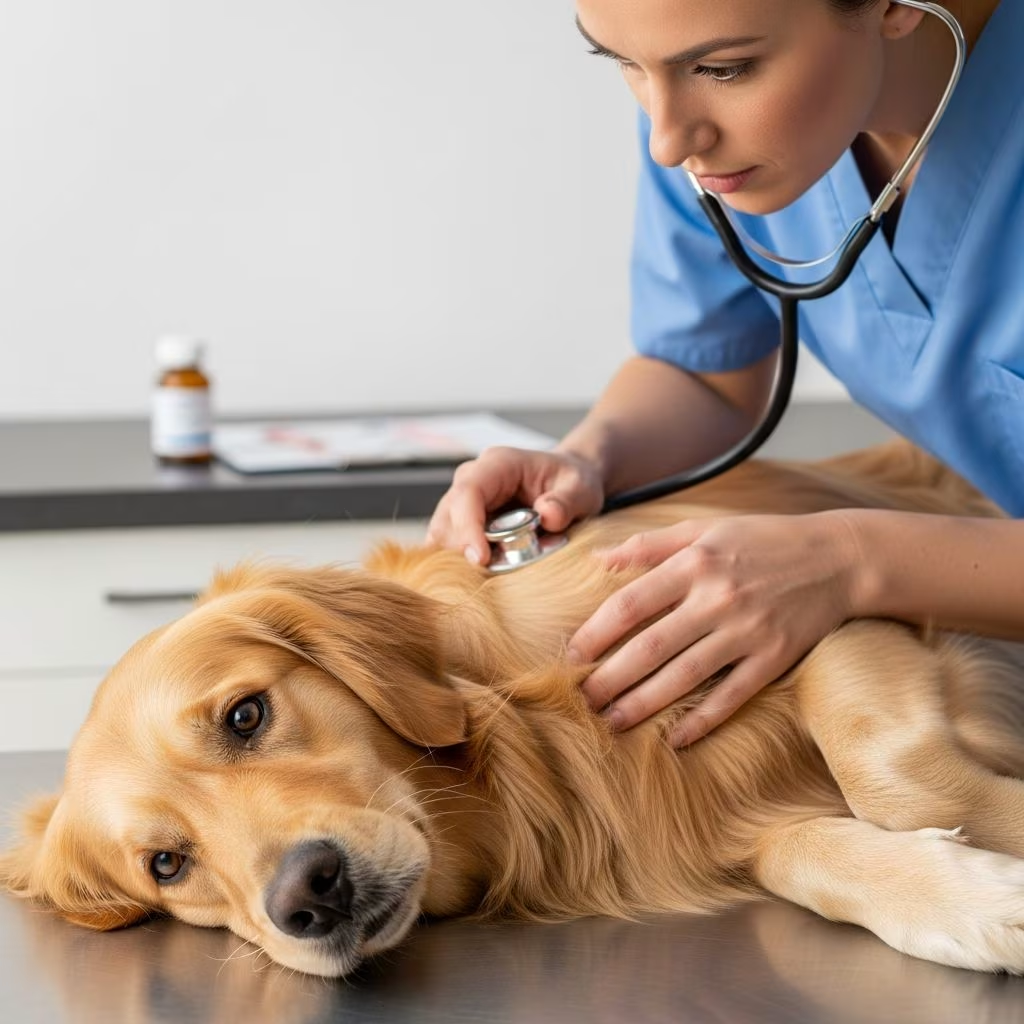
Pancreatitis in dogs is a serious inflammation of the pancreas that requires prompt veterinary attention to prevent complications like dehydration, organ damage, or chronic issues. Early diagnosis and treatment can lead to full recovery, involving supportive care, medications, and dietary management.
What Is Pancreatitis in Dogs?
The pancreas is a vital organ located near the stomach that produces digestive enzymes and hormones like insulin. In healthy dogs, these enzymes activate only in the small intestine to break down food. Pancreatitis occurs when enzymes activate prematurely within the pancreas itself, causing it to ‘digest’ its own tissue, leading to inflammation, pain, and potential damage to surrounding organs.
This condition can be acute (sudden and severe) or chronic (ongoing and milder). Acute cases demand immediate hospitalization, while chronic pancreatitis may develop gradually, often from repeated mild episodes. Breeds like Miniature Schnauzers, Yorkshire Terriers, and toy poodles are predisposed, but any dog can be affected.
Symptoms of Pancreatitis in Dogs
Recognizing symptoms early is crucial for timely treatment. Common signs include:
- Vomiting, often repeated and containing bile
- Loss of appetite or refusal to eat
- Abdominal pain, shown by a hunched ‘prayer position’ (rear end up, head down), tensing, or whining
- Lethargy and weakness
- Diarrhea, sometimes bloody
- Dehydration, indicated by dry gums, sunken eyes, or skin tenting
- Fever and panting
- Weight loss in chronic cases
Symptoms vary by severity; mild cases may mimic upset stomach, while severe ones cause shock-like states. If your dog shows these signs, especially after fatty foods, seek vet care immediately.
Causes and Risk Factors of Pancreatitis in Dogs
The exact trigger is often unknown, but several risk factors contribute:
- High-fat diets: The leading cause; even one fatty meal like table scraps, bacon, or holiday leftovers can overload the pancreas.
- Obesity and endocrine disorders: Conditions like hypothyroidism, diabetes, or Cushing’s disease increase susceptibility.
- Medications and toxins: Corticosteroids, certain antibiotics, chemotherapy drugs (e.g., potassium bromide, phenobarbital), or insecticides.
- Trauma or surgery: Blunt abdominal injury or post-operative complications.
- Other factors: Infections, hyperlipidemia (high blood fats), or genetic predisposition in certain breeds.
Dogs that scavenge garbage or receive fatty treats are at higher risk. Middle-aged to older dogs and females may be more prone.
Diagnosing Pancreatitis in Dogs
Vets diagnose based on history, symptoms, and tests. Key diagnostics include:
- Physical exam for abdominal pain
- Blood tests: Elevated enzymes (amylase, lipase), though not always specific; also check for dehydration, organ function.
- Ultrasound: Visualizes pancreatic inflammation, swelling, or fluid.
- Other tests: X-rays to rule out other issues, SPEC-CPL test (specific canine pancreatic lipase) for high accuracy.
Chronic cases may require repeat testing as symptoms are subtler. Early diagnosis improves outcomes.
Treatment Options for Pancreatitis in Dogs
Treatment focuses on supportive care to rest the pancreas, manage pain, and prevent complications. Hospitalization is common for moderate to severe cases.
Acute Pancreatitis Treatment
Severe cases require:
- IV fluids and electrolytes to combat dehydration and support organs.
- Pain relief: Opioids or other vet-approved medications.
- Anti-nausea drugs: Maropitant (Cerenia), ondansetron to stop vomiting.
- Nutritional support: Initially NPO (nothing by mouth), then gradual feeding or tube feeding with low-fat liquids.
- Antibiotics if infection suspected; plasma transfusions for severe clotting issues.
Newer treatments like Fuzapladib sodium (Panoquell-CA1) target inflammation directly via IV. Most dogs improve in 48-72 hours with aggressive care.
Chronic Pancreatitis Treatment
Management includes:
- Long-term low-fat diets
- Appetite stimulants and digestive enzyme supplements
- Immunosuppressants if autoimmune-related
- Regular vet monitoring.
Prognosis is good with compliance; untreated chronic cases can lead to diabetes or exocrine pancreatic insufficiency.
Recovery and Home Care for Dogs with Pancreatitis
Once stable, home care is essential:
- Rest: Limit activity for 1-2 weeks; short leash walks only.
- Diet transition: Start with bland, small frequent meals (boiled chicken/rice, then prescription low-fat food like Hill’s i/d Low Fat).
- Monitor for relapse: Watch appetite, stool, energy.
- Medications: Continue as prescribed; avoid NSAIDs without vet approval.
- Follow-up: Bloodwork in 2-4 weeks.
Full recovery takes 1-2 weeks for mild cases, longer for severe.
Preventing Pancreatitis in Dogs
Prevention is key:
- Feed a consistent low-fat diet; avoid table scraps, fatty treats.
- Maintain healthy weight through exercise and portion control.
- Secure trash; use puzzle feeders to prevent scavenging.
- Regular vet check-ups for at-risk breeds or dogs with endocrine issues.
- Discuss medications: Inform vet of pancreatitis history before new prescriptions.
Owners report fewer recurrences with strict diet adherence.
Pancreatitis Diet for Dogs: What to Feed and Avoid
| Recommended Foods | Foods to Avoid |
|---|---|
| Prescription low-fat kibble (e.g., Royal Canin Gastrointestinal Low Fat) | High-fat meats (bacon, sausage, pork) |
| Boiled skinless chicken, turkey, white fish | Table scraps, butter, oils |
| White rice, sweet potatoes, oatmeal | Dairy products, fried foods |
| Low-fat yogurt or cottage cheese (small amounts) | Chocolate, nuts, avocado |
Feed 4-6 small meals daily initially. Transition slowly over 7 days. Consult a vet nutritionist for homemade diets.
When to See a Vet for Suspected Pancreatitis
Emergency signs: Persistent vomiting (>24 hours), bloody stool, severe lethargy, collapse. Routine signs warrant same-day visit. Never give human pain meds like ibuprofen, which are toxic.
Frequently Asked Questions (FAQs)
Can pancreatitis in dogs be fatal?
Yes, severe untreated cases can lead to multi-organ failure, but with prompt care, most dogs recover fully (80-90% survival).
How long does it take for a dog to recover from pancreatitis?
Mild cases: 2-3 days; severe: 1-2 weeks hospitalization plus 2-4 weeks home recovery.
Is pancreatitis in dogs contagious?
No, it’s not contagious to other dogs or humans; it’s typically dietary or medical.
What is the cost of treating pancreatitis in dogs?
Varies: $500-$2,000+ for hospitalization; milder cases $200-$500. Pet insurance helps.
Can dogs eat pumpkin with pancreatitis?
Yes, plain canned pumpkin (low-fat fiber source) in small amounts aids digestion.
References
- Pancreatitis in Dogs: Symptoms, Causes, and Treatment — Paoli Vetcare. 2023. https://www.paolivet.com/health/dog-pancreatitis/
- Pancreatitis in Dogs: Signs, Causes and Treatment — Veteris. 2024. https://veteris.co.uk/petcare-advice/pancreatitis-in-dogs-signs-causes-and-treatment
- Pancreatitis in Dogs: Symptoms, Causes and Treatment — American Kennel Club (AKC). 2024-01-10. https://www.akc.org/expert-advice/health/pancreatitis-in-dogs/
- Pancreatitis in Dogs: Symptoms and Treatment — GoodRx. 2024. https://www.goodrx.com/pet-health/dog/pancreatitis-in-dogs
- Pancreatitis in Dogs: How to Spot It and Get It Treated — WebMD. 2024. https://www.webmd.com/pets/dogs/dog-pancreatitis-symptoms-and-treatment
- Pancreatitis in Dogs and Cats: Causes, Symptoms, and Treatment — Uintah Veterinary Clinic. 2023. https://www.uintavet.com/pancreatitis-in-dogs-and-cats-causes-symptoms-and-treatment/
- Pancreatitis in Dogs: Signs, Causes and Treatment — PetMD. 2024-06-12. https://www.petmd.com/dog/conditions/endocrine/pancreatitis-in-dogs



