
Treating Inflammatory Airway Conditions in Animals
Comprehensive guide to managing respiratory inflammation across species with targeted therapies and best practices.
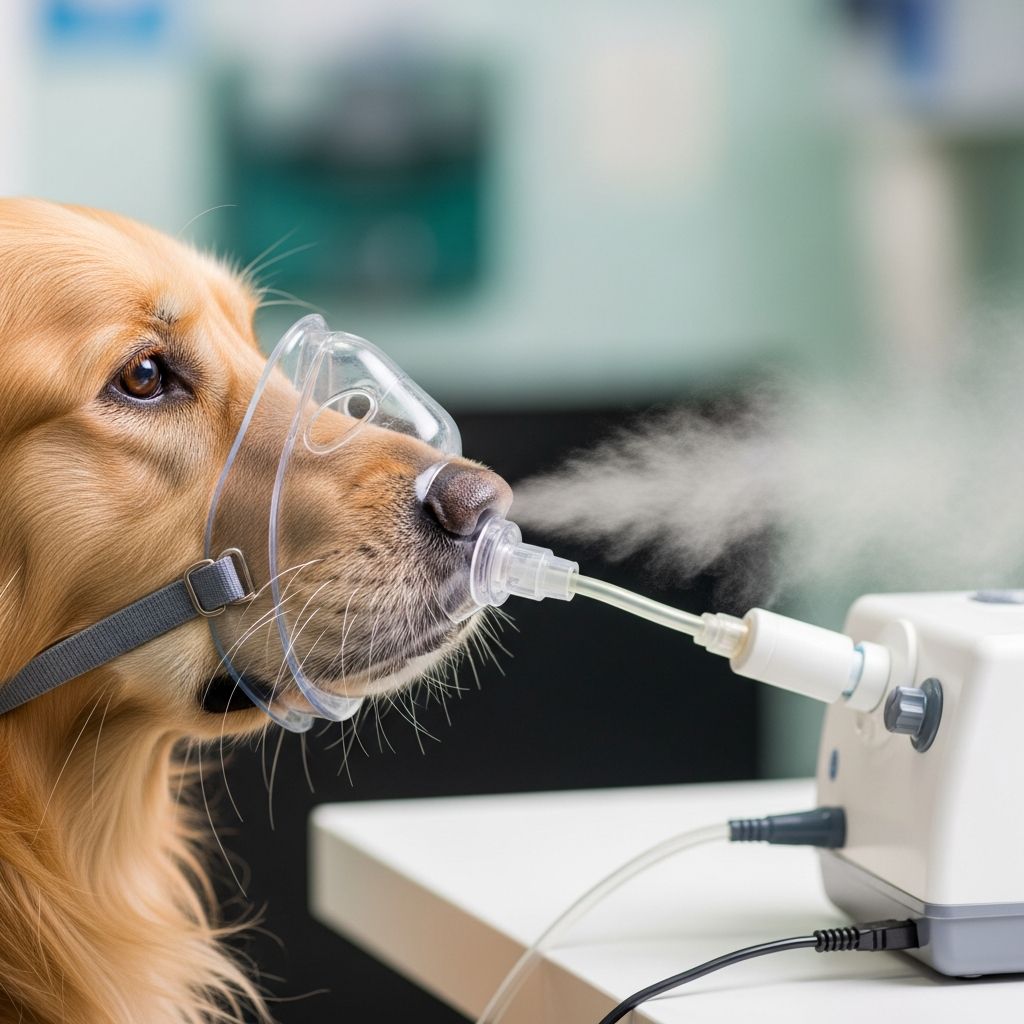
Inflammatory airway diseases represent a common challenge in veterinary medicine, affecting various species from companion animals to performance horses. These conditions, characterized by chronic inflammation, bronchoconstriction, and mucus accumulation, demand tailored pharmacotherapeutic approaches to alleviate symptoms, prevent exacerbations, and preserve lung function. This article delves into species-specific management strategies, emphasizing systemic and inhaled therapies that balance efficacy with minimal side effects.
Understanding the Pathophysiology Across Species
Airway inflammation disrupts normal respiratory mechanics, leading to coughing, dyspnea, and reduced exercise tolerance. In cats, feline lower airway disease often manifests as asthma-like episodes with eosinophilic infiltration. Dogs experience chronic bronchitis, marked by neutrophilic responses and airway remodeling. Horses suffer from equine asthma, previously termed inflammatory airway disease (IAD) or recurrent airway obstruction (RAO), triggered by environmental allergens. Ruminants and swine rarely receive targeted treatment due to economic considerations, focusing instead on herd management.
Key pathological features include bronchial smooth muscle hyperactivity, edema, and excessive mucus production. Early intervention with anti-inflammatory agents can halt progression, normalizing pulmonary function and averting irreversible damage.
Core Therapeutic Principles
Management prioritizes reducing inflammation, relieving bronchospasm, and addressing environmental triggers. Glucocorticoids form the backbone of therapy, suppressing inflammatory cascades, while bronchodilators provide rapid symptom relief. Inhalation delivery excels by concentrating drugs at the site of action, bypassing systemic circulation to limit adverse effects like immunosuppression or metabolic disturbances.
- Environmental Control: Essential first step; remove dust, hay, and allergens through pelleted feeds and stabling adjustments.
- Pharmacologic Intervention: Stepwise approach starting with rescue therapies, tapering to maintenance.
- Monitoring: Regular assessment via clinical signs, lung function tests, and bronchoalveolar lavage (BAL).
Management Strategies for Cats
Feline inflammatory airway disease requires lifelong management, with inhaled therapies preferred for chronic cases. Acute dyspnea demands immediate stabilization in an oxygen-enriched environment, minimizing stress.
Acute Crisis Response
For cats in respiratory distress, administer oxygen supplementation alongside a beta2-agonist like albuterol (90 mcg via metered-dose inhaler with spacer) every 5 minutes until improvement. Follow with injectable dexamethasone (0.15-1 mg/kg IV/IM) to curb inflammation. Terbutaline (0.01 mg/kg SC/IM) offers an alternative for quick bronchodilation, with effects peaking in 15-30 minutes.
Chronic Control Protocols
Transition to inhaled fluticasone (44-110 mcg q12h via spacer) as the mainstay, delivering potent local anti-inflammatory action without hypothalamic-pituitary-adrenal axis suppression. Oral prednisolone (1 mg/kg daily for 5 days, then every other day) aids initial flare-ups but risks diabetes and weight gain long-term. Injectable methylprednisolone acetate (10-20 mg/cat q4-12 weeks) is a last resort for non-compliant patients.
| Therapy Type | Dosage | Route/Frequency | Indications |
|---|---|---|---|
| Albuterol | 90 mcg/puff | MDI q5min acute; as needed | Bronchospasm relief |
| Fluticasone | 44-110 mcg | MDI q12h | Chronic inflammation |
| Dexamethasone | 0.15-1 mg/kg | IV/IM once acute | Emergency anti-inflammatory |
Owner education on spacer devices like AeroKat ensures compliance, with twice-daily dosing critical for efficacy.
Approaches for Dogs
Canine chronic bronchitis benefits from similar inhaled regimens. Albuterol MDI (2-4 puffs q5min) addresses acute exacerbations, paired with fluticasone q12h for maintenance. Oral prednisone (1 mg/kg q48h) supplements severe cases, but inhalation minimizes polyuria and polydipsia.
Severely affected dogs may require adjunctive therapies like ipratropium bromide for additional anticholinergic bronchodilation. Individualize based on response, aiming for cough elimination and normal activity.
Equine Asthma Management
Horses with mild-moderate equine asthma (formerly IAD) respond best to environmental overhaul: pasture access, pelleted feeds, and dust-free bedding achieve remission in many without drugs. Severe RAO cases necessitate inhaled fluticasone propionate, starting high-dose frequently and tapering.
Bronchodilators like clenbuterol (oral) or albuterol (nebulized) complement corticosteroids. Seasonal protocols begin two weeks pre-allergen exposure. Long-term low-dust housing sustains remission for years.
- Pelleted feed + outdoors: Near-complete remission per PFTs and BAL.
- Inhaled fluticasone: Added for persistent cases.
Options for Other Species
Ruminants and swine with airway inflammation prioritize ventilation and antibiotics over specifics, as pharmacotherapy yields poor cost-benefit. Pigs may benefit from bronchodilators in outbreaks, but herd-level interventions dominate.
Advanced Delivery Methods: Inhalation Advantages
Metered-dose inhalers (MDIs), nebulizers, and spacers revolutionize therapy by achieving lung drug levels 10-100 times higher than systemic routes. Beta2-agonists act in minutes, glucocorticoids reduce inflammation within hours.
Challenges include patient cooperation; spacers with masks facilitate feline and small canine use. Nebulization suits equine and critical care settings.
Potential Complications and Monitoring
Systemic glucocorticoids risk iatrogenic Cushing’s, diabetes, and immunosuppression. Inhaled forms rarely cause these, though oral thrush warrants spacer hygiene. Monitor via serial exams, radiographs, and cytology. Taper doses to lowest effective to prevent rebound.
FAQs
What is the first step in treating animal airway inflammation?
Environmental modification to eliminate triggers, followed by pharmacotherapy.
Are inhaled steroids safe for long-term use in cats?
Yes, they provide high local efficacy with negligible systemic effects when used correctly.
How do you manage acute dyspnea in dogs?
Albuterol puffs q5min, oxygen, and glucocorticoids until stabilization.
Can horses outgrow inflammatory airway disease?
With strict management, many achieve clinical remission, though monitoring is lifelong.
What devices aid inhalation therapy?
Spacers like AeroKat for cats, nebulizers for horses.
Emerging Therapies and Future Directions
Ongoing research explores mast cell stabilizers like cromolyn and biologics targeting cytokines. Airway remodeling therapies remain elusive but promising. Personalized medicine, guided by BAL cytology, optimizes outcomes.
In summary, integrating environmental control, inhaled bronchodilators, and corticosteroids yields superior results across species, enhancing quality of life and performance. Veterinary collaboration with owners ensures success.
References
- Inhalation Treatment of Airway Disease in Animals — MSD Veterinary Manual. 2023. https://www.msdvetmanual.com/pharmacology/systemic-pharmacotherapeutics-of-the-respiratory-system/inhalation-treatment-of-airway-disease-in-animals
- Treatment of Feline Lower Airway Disease — Today’s Veterinary Practice. 2023. https://todaysveterinarypractice.com/respiratory-medicine/treatment-of-feline-lower-airway-disease/
- Rational treatment of inflammatory airway diseases (Proceedings) — dvm360. 2023. https://www.dvm360.com/view/rational-treatment-inflammatory-airway-diseases-proceedings
- Breathe easy: inhalational therapy for feline inflammatory airway disease — PMC (PubMed Central). 2024-01-15. https://pmc.ncbi.nlm.nih.gov/articles/PMC10812033/
- Species Approach to Inflammatory Airway Disease in Animals — Merck Veterinary Manual. 2023. https://www.merckvetmanual.com/pharmacology/systemic-pharmacotherapeutics-of-the-respiratory-system/species-approach-to-inflammatory-airway-disease-in-animals
Similar Articles








Read full bio of Sneha Tete


