

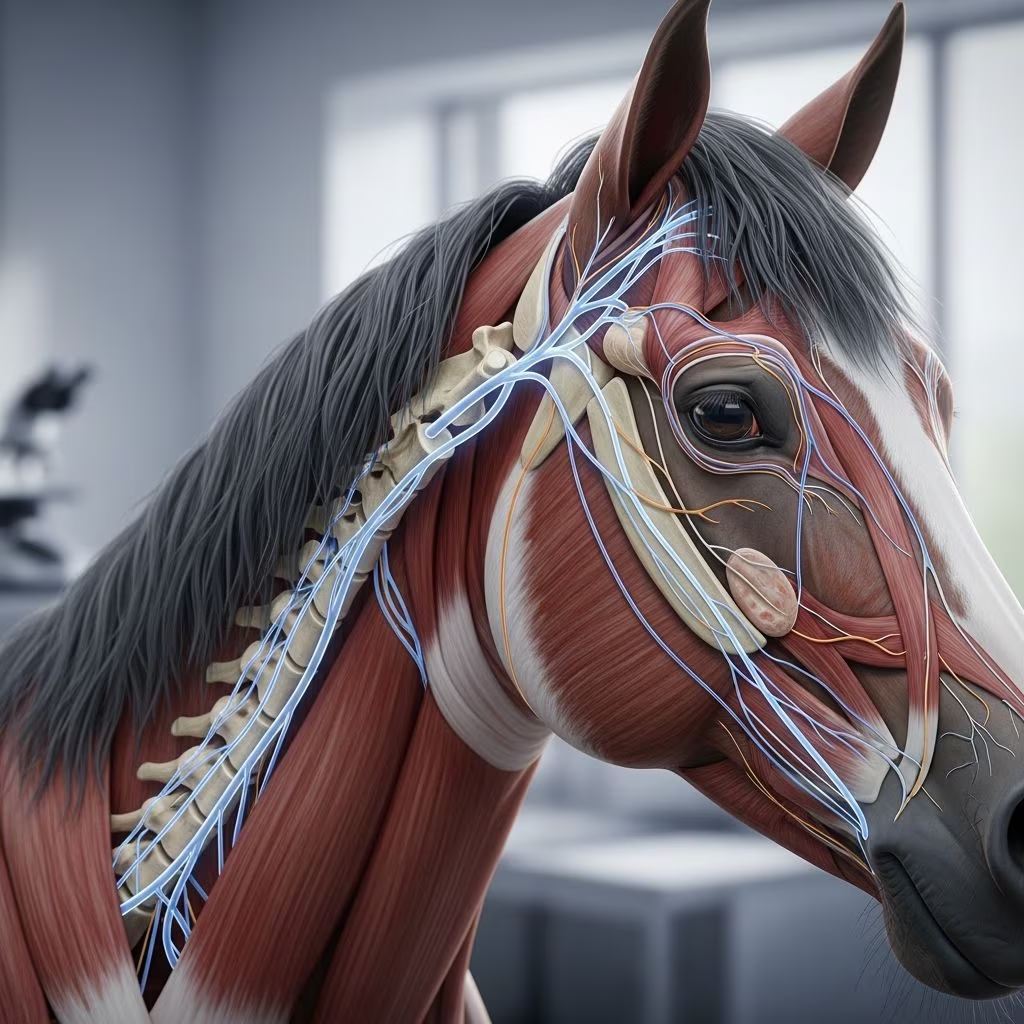
Horses suffering from nervous system disorders require prompt and targeted interventions to minimize damage and promote recovery. These conditions, affecting the brain, spinal cord, or peripheral nerves, demand a multifaceted approach combining medications, supportive care, and sometimes surgery.
Understanding Equine Neurological Challenges
Neurological issues in horses manifest as ataxia, weakness, seizures, or inability to stand, often stemming from trauma, infections, or developmental problems. Early diagnosis through veterinary exams, including cerebrospinal fluid analysis, is crucial for tailoring treatments that address the root cause while supporting overall recovery.
Common culprits include equine protozoal myeloencephalitis (EPM), cervical vertebral stenotic myelopathy (CVSM), trauma, and infections like tetanus. Each demands specific strategies, but overarching principles involve reducing inflammation, controlling symptoms, and preventing secondary complications.
Core Pharmacological Interventions
Medications form the backbone of therapy, targeting inflammation, infection, and muscle spasms. Anti-inflammatory drugs are universally applied to curb swelling around damaged nerves.
- Corticosteroids and NSAIDs: These reduce edema in acute spinal injuries or EPM cases. For severe brain involvement, short-term use alongside dimethyl sulfoxide (DMSO) helps manage inflammation.
- Anticonvulsants: Essential for seizure control in epileptic or traumatic cases, with drugs like diazepam administered intravenously as needed.
- Antimicrobials: For infectious causes, such as tetanus, antibiotics like metronidazole provide support, combined with sedatives for muscle relaxation.
Specialized Treatments for Protozoal Infections
EPM, caused by Sarcocystis neurona, responds to FDA-approved antiprotozoals. Options include:
| Drug | Dosage | Duration | Success Rate |
|---|---|---|---|
| Sulfadiazine/Pyrimethamine (ReBalance) | 20 mg/kg sulfadiazine + 1 mg/kg pyrimethamine PO daily | Minimum 90 days | 61.5% |
| Ponazuril | Standard dose per label | 28 days, extendable | ~67% |
| Diclazuril | Standard dose per label | 28 days, extendable | Similar efficacy |
Ancillary therapies like NSAIDs (phenylbutazone or flunixin meglumine) during the first week prevent worsening from parasite die-off. Vitamin E supplementation acts as an antioxidant, potentially aiding nerve repair, though evidence remains preliminary.
Surgical Options for Structural Issues
When medical management falls short, surgery addresses compressive lesions like CVSM, where narrowed spinal canals pinch the cord.
- Medical First-Line: Rest, reduced exercise, and anti-inflammatories offer temporary relief, especially in young horses via growth-restricted diets. Joint injections with corticosteroids or hyaluronan target arthritic necks.
- Surgical Stabilization: Fixes affected vertebrae, allowing atrophy and remodeling for canal enlargement. Studies show 75% improvement, with 45-60% returning to athletic use. Pursue early to limit cord damage.
Surgery carries short-term risks but superior long-term outcomes over perpetual medical therapy, which rarely resolves incoordination permanently.
Critical Nursing and Supportive Care
Beyond drugs, hands-on care prevents complications in recumbent or ataxic horses.
- Positioning and Mobility: Rotate down horses every 2-4 hours or use slings to avoid pressure sores. Deep bedding and padded stalls protect against self-injury.
- Ocular and Urinary Support: Lubricate unblinking eyes with ointment; catheterize if urination fails.
- Nutrition and Hydration: IV fluids for dehydrated patients; soft feeds for weak swallowers. Helmets and leg wraps safeguard during seizures or poor coordination.
- Monitoring: Frequent neuro exams track progress; rechecks for EPM include CSF analysis for treatment success.
Prognosis and Long-Term Management
Outcomes vary by condition severity, treatment timing, and lesion location. EPM yields fair-to-good prognosis with aggressive therapy, though 10-20% relapse and deficits may linger. CVSM surgery boosts athletic return chances significantly.
Post-treatment, gradual reintroduction to work monitors stability. Vitamin E and controlled exercise support ongoing nerve health. Euthanasia considers welfare if quality of life plummets or response stalls.
Prevention Strategies for Horse Owners
Proactive measures reduce risk:
- Vaccinate against tetanus in endemic areas.
- Limit opossum exposure for EPM via feed storage and bird baths.
- Monitor growing horses for rapid development signaling CVSM risk.
- Regular vet checks catch subtle neuro changes early.
Frequently Asked Questions (FAQs)
What are the first signs of nerve problems in horses?
Look for stumbling, circling, head tilt, or muscle tremors. Prompt vet evaluation is key.
How long does EPM treatment take?
Typically 1-9 months, based on response and drug choice, with rechecks essential.
Is surgery always needed for spinal issues?
No, medical therapy trials first, but surgery offers best long-term results for static compressions.
Can horses fully recover from neuro disorders?
Many do with timely care, but some retain mild deficits. Prognosis depends on damage extent.
What supportive care is vital for recumbent horses?
Padding, rotation, eye lube, and fluid therapy prevent sores and dehydration.
Emerging Therapies and Research Directions
Ongoing studies explore better antiprotozoals and regenerative options like stem cells for cord repair. Antioxidant protocols gain traction, warranting owner awareness of trials.
References
- Neurologic conditions in the sport horse — PMC – NIH. 2022. https://pmc.ncbi.nlm.nih.gov/articles/PMC9197298/
- Principles of Therapy of the Nervous System in Horses — Merck Veterinary Manual. 2023-10-17. https://www.merckvetmanual.com/horse-owners/brain-spinal-cord-and-nerve-disorders-of-horses/principles-of-therapy-of-the-nervous-system-in-horses
- Equine Protozoal Myeloencephalitis (EPM) — UC Davis CEH. 2024. https://ceh.vetmed.ucdavis.edu/health-topics/equine-protozoal-myeloencephalitis-epm
- What Horse Owners Should Know About Equine Protozoal Myeloencephalitis — Leatherstocking Veterinary Group. 2023. https://leatherstockingvetgroup.com/what-horse-owners-should-know-about-equine-protozoal-myeloencephalitis/
- The neurological system — The Brooke. 2020. https://www.thebrooke.org/sites/default/files/Professionals/Working%20Equid%20Veterinary%20Manual/WEVM-chapter-16.pdf
- Equine Protozoal Myeloencephalitis — Vetster. 2024. https://vetster.com/en/conditions/horse/equine-protozoal-myeloencephalitis



