

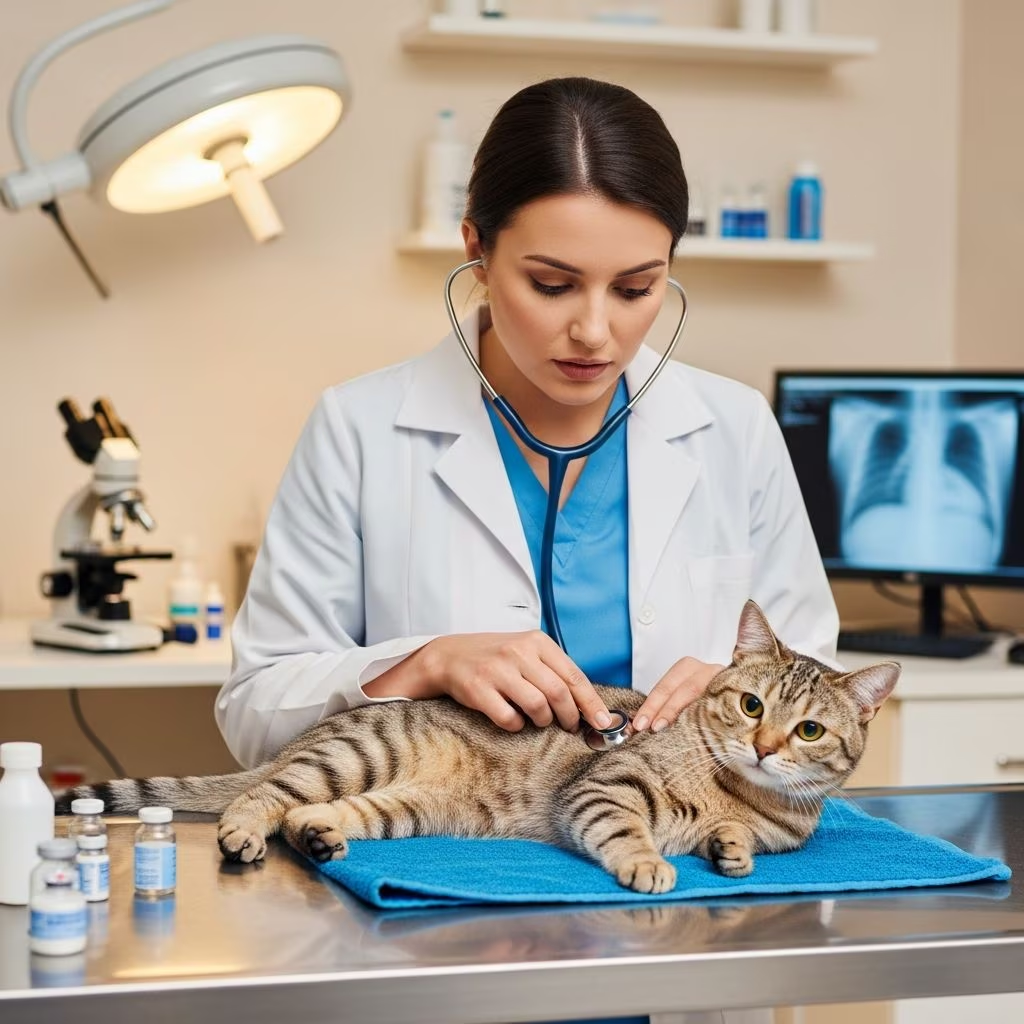
Heartworm disease poses a serious threat to cats, caused by the parasitic worm Dirofilaria immitis transmitted via mosquito bites. Unlike in dogs, treatment options for cats are limited and risky, emphasizing the critical role of prevention. This comprehensive guide explores symptoms, treatment challenges, supportive care, surgical options, recovery, and prevention strategies based on veterinary consensus.
What Is Heartworm Disease in Cats?
Heartworm disease in cats occurs when immature or adult heartworms reside primarily in the pulmonary arteries and lungs, rather than the heart as in dogs. Cats typically harbor 1-3 worms, but even a single worm can trigger severe inflammation known as Heartworm Associated Respiratory Disease (HARD). The disease manifests in stages: acute death from larval migration, subacute respiratory signs, chronic lung damage, or sudden death from worm clots.
Symptoms vary widely, including vomiting (often mistaken for hairballs), coughing, difficulty breathing, weight loss, lethargy, and neurological issues like seizures or blindness in severe cases. Indoor cats are not immune, as mosquitoes can access homes.
Challenges in Treating Heartworm in Cats
Treating heartworm disease in cats is far more complex than in dogs due to the lack of approved adulticide drugs. Melarsomine (Immiticide®), effective for dogs, is toxic to cats and can cause acute pulmonary failure or death as dying worms provoke fatal lung reactions.
The American Heartworm Society (AHS) explicitly does not recommend adulticide therapy for cats. Instead, management focuses on supportive care, as the cat’s immune system may naturally clear the infection over 2-3 years, since heartworms live shorter lifespans in felines (2-3 years vs. 5-7 in dogs).
- No FDA-approved treatment: Unlike dogs, no safe drug kills adult heartworms without severe risks.
- Risk of worm death: Dying worms fragment and lodge in lungs, causing thromboembolism and acute respiratory distress.
- Variable outcomes: Some cats achieve spontaneous cure; others face chronic issues or sudden death.
Treatment Options for Heartworm-Positive Cats
Veterinarians tailor treatment to the cat’s clinical status, prioritizing stabilization over worm elimination. Options include watchful waiting for asymptomatic cats, medical supportive therapy for symptomatic ones, and surgery for critical cases.
Supportive Medical Therapy (Slow-Kill Method)
The primary approach is the “slow-kill” method, using medications to manage symptoms and reduce worm burden gradually without rapid adulticide action. This buys time for the cat to outlive the worms.
- Corticosteroids (e.g., Prednisolone/Prednisone): Reduce inflammation in lungs and airways. Initial dose: 2 mg/kg/day, tapered over time. Effective for coughing and radiographic lung changes.
- Doxycycline: Targets Wolbachia bacteria inside heartworms, weakening parasites and curbing inflammation. Given for 30 days or longer.
- Ivermectin: Monthly doses (24 µg/kg) slowly kill larvae and immature worms over 2+ years. Risk of allergic reactions; monitor closely.
- Bronchodilators (e.g., Terbutaline, Theophylline, Albuterol): Relieve respiratory distress by opening airways.
- Diuretics: Remove lung fluid in crisis cases.
In acute crises, oxygen therapy and strict rest are essential. Many cats stabilize with these measures, improving quality of life despite ongoing infection.
Surgical Removal of Heartworms
For cats with severe, life-threatening signs and poor prognosis, surgical extraction is considered. Performed by specialists (often at veterinary colleges), it involves thoracotomy to access pulmonary arteries and manually remove worms using forceps.
Success rates vary; studies report up to 40% mortality during or post-procedure due to circulatory collapse or complications. Reserved only for dire cases where supportive care fails.
| Treatment Method | Pros | Cons | Suitability |
|---|---|---|---|
| Supportive/Slow-Kill | Safer, manages symptoms, allows natural clearance | Prolonged (2-3 years), no guaranteed cure | Mild-moderate cases |
| Surgical Removal | Potentially curative, rapid relief | High risk (up to 40% mortality), invasive | Severe, crisis cases only |
| Watchful Waiting | Non-invasive, spontaneous cure possible | Risk of sudden deterioration | Asymptomatic cats |
Monitoring and Recovery in Heartworm-Positive Cats
Regular monitoring is crucial for all heartworm-positive cats, treated or not. Schedule serologic tests (antigen/antibody), echocardiograms, and chest radiographs every 6-12 months.
Recovery is declared when tests turn negative and clinical/radiographic signs resolve. Median survival without aggressive intervention: 1.5-4 years. Success hinges on vigilant vet follow-ups and owner compliance.
- Diagnostic follow-up: Repeat antigen/antibody tests; imaging for lung recovery.
- Lifestyle adjustments: Indoor living, stress reduction, consistent medication.
- Prognosis factors: Fewer worms, early detection, and responsive therapy improve outcomes.
- Topical/Oral Medications: Revolution Plus (selamectin/sarolaner), covering heartworms, fleas, etc.
- Dosing Schedule: Year-round where mosquitoes persist; at least 6 months in seasonal areas, starting at 8 weeks old.
- Testing Before Prevention: Baseline antigen/antibody tests for adults.
- How to Treat Heartworm Disease in Cats — VCA Animal Hospitals. 2023. https://vcahospitals.com/know-your-pet/heartworm-disease-in-cats—treatment
- Heartworm Disease in Cats: Symptoms, Treatment, and Prevention — PetMD. 2024. https://www.petmd.com/cat/conditions/infectious-parasitic/c_ct_heartworm_disease
- Heartworm Disease in Cats — Merck Veterinary Manual. 2025. https://www.merckvetmanual.com/cat-owners/heart-and-blood-vessel-disorders-of-cats/heartworm-disease-in-cats
- Heartworm Disease — American Veterinary Medical Association (AVMA). 2024. https://www.avma.org/resources-tools/pet-owners/petcare/heartworm-disease
- Prevention, Diagnosis, and Management of Heartworm Infection in Cats — American Heartworm Society. 2014 (updated guidelines referenced 2025). https://heartwormsociety.org/images/pdf/2014-AHS-Feline-Guidelines.pdf
- A Veterinarian’s Breakdown of Cat Heartworm — Allied Animal Hospital. 2024. https://www.alliedervet.com/blog/a-veterinarians-breakdown-of-cat-heartworm/
Prevention: The Best Defense Against Heartworm
Prevention is straightforward, safe, and highly effective—recommended year-round for all cats in endemic areas, including indoors-only felines. Monthly preventives kill larvae before maturity.
No natural remedies are proven effective; rely on vet-prescribed products. Annual vet checks ensure compliance.
Frequently Asked Questions (FAQs)
What is the success rate of heartworm treatment in cats?
Treatment success varies; supportive care stabilizes 70-80% of cats, but cure rates depend on natural worm die-off. Surgery has high risks.
Can indoor cats get heartworms?
Yes, mosquitoes enter homes, so all cats need prevention.
How long do heartworms live in cats?
2-3 years, shorter than in dogs, allowing potential spontaneous clearance.
Is melarsomine safe for cats?
No, it’s toxic and not recommended by AHS due to fatal side effects.
When is surgery recommended for cat heartworms?
Only in severe cases with imminent death risk, by specialists.
Key Takeaways for Cat Owners
Heartworm disease demands proactive prevention and cautious management. Consult your veterinarian immediately for testing if symptoms appear. With proper care, many cats thrive despite infection.



