
Treating GI Ulcers In Monogastric Pets: Expert Protocols
Comprehensive guide to pharmacological management of gastrointestinal ulcers in dogs, cats, and other monogastric animals using proven therapies.
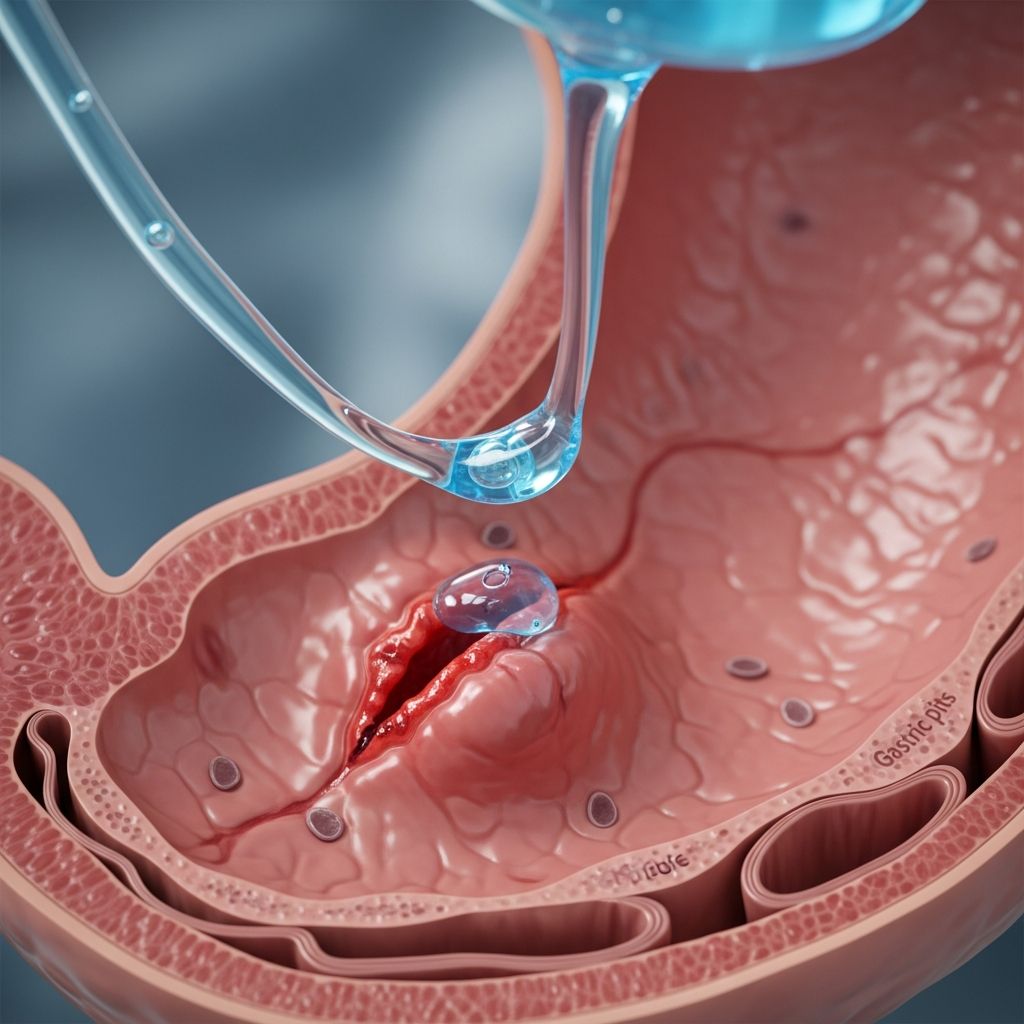
Gastrointestinal ulcers represent a serious challenge in monogastric animals like dogs and cats, often stemming from factors such as non-steroidal anti-inflammatory drugs (NSAIDs), underlying diseases, or stress. Effective management hinges on reducing gastric acid, safeguarding the mucosal lining, and tackling root causes. This article delves into key pharmacological options, their mechanisms, dosages, and clinical applications, drawing from veterinary consensus and research.
Understanding the Pathology of GI Ulcers
In monogastric species, the stomach lining faces constant assault from hydrochloric acid, pepsin, and bile. When protective mechanisms falter—due to NSAID-induced prostaglandin inhibition, hepatic failure, neoplasia, or hypoadrenocorticism—erosions progress to ulcers. Dogs appear more prone than cats, with NSAIDs as a leading culprit via COX-1 blockade, which curtails mucus and bicarbonate production. Perforation risks escalate without prompt intervention, necessitating a multifaceted therapeutic approach.
Primary Strategies for Ulcer Resolution
Treatment prioritizes identifying and mitigating etiologies, such as halting NSAIDs or stabilizing metabolic imbalances via fluids. Pharmacotherapy targets acid suppression and mucosal defense, typically spanning 4-6 weeks for healing, mirroring human protocols adapted for veterinary use. Supportive measures like gastroprotectants form the cornerstone, often combined for synergy.
Proton Pump Inhibitors: The Gold Standard
Proton pump inhibitors (PPIs) like omeprazole excel by irreversibly blocking the H+/K+-ATPase enzyme in parietal cells, achieving profound, sustained acid reduction. Administered twice daily, they outperform H2 receptor antagonists (H2RAs) in healing acid-related gastroduodenal ulcers (GUE). In dogs, omeprazole at 0.5-1 mg/kg PO q12-24h elevates intragastric pH effectively, with similar efficacy in cats.
- Dog dosing: Omeprazole 1 mg/kg PO q24h or 0.5 mg/kg q12h.
- Cat dosing: 0.7-1 mg/kg PO q24h.
- Key benefit: Superior to once-daily H2RAs; taper after 3-4 weeks to avert rebound acid hypersecretion.
Clinical studies affirm PPIs’ role in refractory cases, including gastrinomas, with minimal side effects like transient diarrhea. For prevention in high-risk scenarios (e.g., sled dogs), they show promise.
H2 Receptor Antagonists: Reliable Alternatives
H2RAs such as famotidine, ranitidine, and cimetidine competitively inhibit histamine at parietal cell receptors, curbing acid output. Though less potent than PPIs, they suit milder cases or cost-sensitive scenarios. Famotidine (0.5-1 mg/kg PO/IV q12-24h) is favored for its cleaner profile, avoiding cimetidine’s cytochrome P450 interactions.
| Drug | Dog Dose | Cat Dose | Frequency | Notes |
|---|---|---|---|---|
| Famotidine | 0.5-1 mg/kg | 0.5-1 mg/kg | q12-24h PO/IV | Preferred; minimal drug interactions |
| Ranitidine | 2 mg/kg | 2.5 mg/kg | q8-12h PO/IV | Prokinetic effects aid motility |
| Cimetidine | 5-10 mg/kg | 5 mg/kg | q6-8h PO/IV | Avoid in polypharmacy due to metabolism inhibition |
Consensus cautions against once-daily dosing, as it fails to sustain pH control; twice-daily monotherapy lags behind PPIs. No additive benefit with PPIs exists, and combinations may blunt PPI efficacy.
Mucosal Protectants: Shielding the Barrier
Sucralfate, a sucrose-aluminum complex, polymerizes in acidic milieux to form a viscous paste adhering to ulcer craters. It shields against pepsin, stimulates prostaglandin release, boosts mucus/bicarbonate, and curbs apoptosis—ideal for all ulcer patients. Dosing: Dogs 0.5-1 g q8-12h PO; cats 0.25-0.5 g q8-12h PO, ideally on an empty stomach. Rare constipation occurs; it may chelate co-administered drugs, so space by 2 hours.
Prostaglandin Analogs for NSAID Cases
Misoprostol, a PGE1 analog, replaces NSAID-suppressed prostaglandins, enhancing mucosal blood flow, mucus, and bicarbonate. Crucial for NSAID-induced ulcers (3-5 mcg/kg PO q8-24h), it prevents lesions in at-risk dogs. Caution: Diarrhea/abdominal pain in 10-20%; contraindicated in pregnancy.
Antacids: Limited Role
Aluminum/magnesium hydroxide antacids neutralize acid briefly but demand frequent dosing (q2-4h), rendering them impractical versus longer-acting agents. Insufficient evidence supports routine use in GUE; reserve for adjunctive symptom relief.
Combination Protocols and Duration
Optimal regimens blend PPIs/H2RAs with sucralfate ± misoprostol. Example for severe canine ulcers: Omeprazole 1 mg/kg q24h + sucralfate 1 g q8h + discontinue NSAIDs. Monitor via endoscopy or fecal occult blood; treat 4-8 weeks, tapering PPIs gradually (50% dose reduction weekly).
- Week 1-4: Full acid suppression + protectant.
- Week 5+: Taper while assessing healing.
Prevention in At-Risk Populations
Prophylaxis targets NSAID users, critical patients, or those with hepatic/renal disease. PPIs or misoprostol shine for NSAIDs; H2RAs aid mast cell tumor cases. Glucocorticoids pose unresolved risks, with unproven H2RA prevention.
Prognosis and Monitoring
Outcomes excel with reversible causes (e.g., drug cessation: >90% heal); dire for neoplasia or end-stage organ failure. Track via clinical signs, hematology, and repeat scoping. Complications like perforation demand surgery.
Frequently Asked Questions (FAQs)
What causes GI ulcers in dogs and cats?
Common triggers: NSAIDs, liver disease, cancer, shock, or hypoadrenocorticism.
Is omeprazole safe long-term for pets?
Short-term yes; taper after 3-4 weeks to prevent rebound acidity.
Can sucralfate be given with food?
No—administer 1 hour before or 2 hours after meals for optimal adherence.
How do I know if treatment works?
Resolution of vomiting, melena, and pain; confirm via endoscopy.
Are home remedies effective?
No validated options; focus on vet-prescribed drugs and bland diets.
Species-Specific Considerations
Dogs tolerate higher sucralfate doses; cats require adjustment for size. Equine data (omeprazole q24h for 28 days) informs but isn’t directly applicable. Always tailor to patient.
References
- Gastrointestinal Ulcers in Small Animals — MSD Veterinary Manual. 2023. https://www.msdvetmanual.com/digestive-system/diseases-of-the-stomach-in-small-animals/gastrointestinal-ulcers-in-small-animals
- Gastric ulcer disease in dogs and cats (Proceedings) — dvm360. 2022-10-01. https://www.dvm360.com/view/gastric-ulcer-disease-dogs-and-cats-proceedings
- Stomach ulcers in dogs — Joii Pet Care. 2024. https://www.joiipetcare.com/blogs/health-conditions/stomach-ulcers-in-dogs
- Gastric ulcers — Veterinary Medical Centre, University of Saskatchewan. 2023. https://vmc.usask.ca/care/equine-health/resources/gastric-ulcers.php
- ACVIM consensus statement: Support for rational administration of gastrointestinal protectants to dogs and cats — PMC (PubMed Central). 2018-10-09. https://pmc.ncbi.nlm.nih.gov/articles/PMC6271318/
Similar Articles








Read full bio of Sneha Tete


