

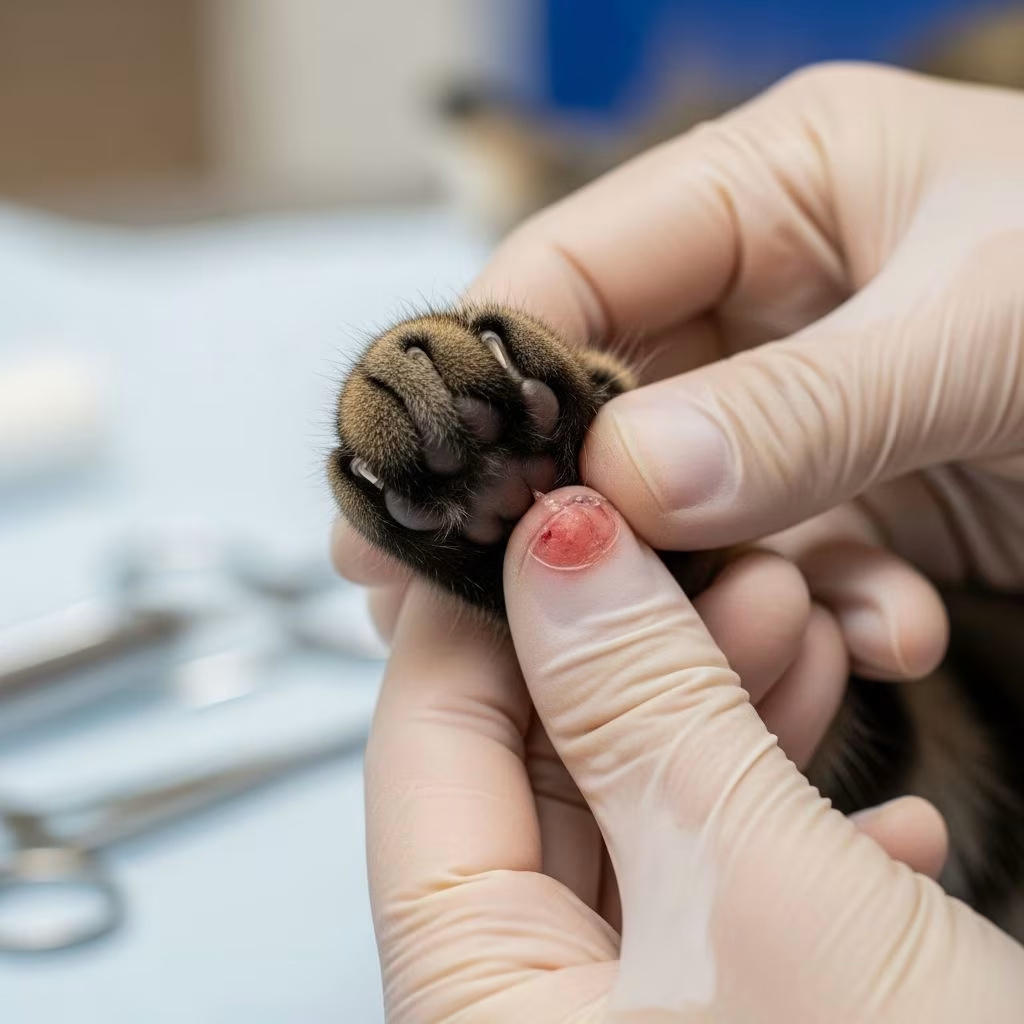
Cat toe infections, often manifesting as swelling, redness, or pain in the paws, require prompt attention to prevent complications. These issues stem from bacterial invasions, immune responses, or trauma, affecting mobility and comfort.
Understanding Common Paw and Toe Problems in Cats
Feline paws endure daily stress, making them prone to infections. Conditions like pododermatitis, also known as pillow foot, involve immune-mediated inflammation where lymphocytes accumulate in foot pads, leading to mushy swelling and ulceration. Bacterial staph infections frequently target the skin, causing crusting and itching, especially in superficial layers. Nail bed disorders add another layer, with symptoms including brittle nails or separation from the bed due to fungi, bacteria, or trauma.
Swollen toes signal deeper problems such as allergies, tumors, or infections, often accompanied by excessive licking or lameness. These manifestations highlight the need for early detection to avoid systemic spread.
Key Symptoms to Watch For
Observing your cat’s behavior and paw appearance is crucial. Common indicators include:
- Swelling and discoloration: Pads appear mushy, bruised, or purplish.
- Pain responses: Lameness, vocalizing when touched, or reluctance to walk.
- Skin changes: Ulcers, splits, crusts, or foul-smelling discharge.
- Behavioral shifts: Excessive licking, lethargy, appetite loss, or fever.
- Nail abnormalities: Deformed, brittle, or sloughing nails with surrounding redness.
These signs vary by cause; for instance, yeast infections produce itchy, scaly skin with a strong odor, thriving in warm paw environments.
Root Causes of Toe and Paw Infections
Infections arise from multiple triggers. Immune disorders like FIV or FeLV heighten susceptibility, with over 50% of pillow foot cases linked to FIV. Trauma from fights introduces bacteria via punctures, leading to unnoticed swelling and fever.
Allergens in litter or environmental irritants provoke reactions, while parasites like mites cause intense itching and hair loss. Staph bacteria, normally harmless on skin, proliferate post-injury or during immunosuppression. Fungal invasions and hormonal imbalances further contribute, emphasizing a multifaceted diagnostic approach.
| Cause Category | Examples | Associated Risks |
|---|---|---|
| Immune-Related | FIV, FeLV, Plasma Cell Pododermatitis | Swollen pads, chronic inflammation |
| Bacterial | Staph, Fight Wounds | Crusting, abscesses |
| Fungal/Yeast | Candidiasis in paws | Scales, odor |
| Trauma/Environmental | Injuries, Litter Allergies | Ulcers, secondary infections |
Diagnostic Approaches for Accurate Identification
Veterinarians start with a physical exam and history review, noting lameness or licking patterns. Cytology or biopsies confirm immune cell overproduction in pododermatitis. Cultures identify staph or fungi, guiding antibiotic choices.
Blood tests screen for FIV/FeLV, while imaging rules out tumors. For swollen toes without acute distress, non-urgent care suffices, but anaphylaxis from bites demands immediate intervention.
Effective Treatment Strategies
Treatment targets the underlying cause. Antibiotics like cephalexin combat bacterial infections, often paired with antifungals for nail issues. Immunosuppressants such as prednisolone reduce inflammation in pillow foot, with surgical pad removal in severe cases.
Topical therapies include medicated soaks or ointments for yeast overgrowth. Supportive care involves soft bedding, paw protection, and pain relief. Most nail disorders resolve quickly with proper intervention.
For staph, addressing predispositions like poor hygiene prevents recurrence. Multi-faceted plans ensure full recovery, restoring normal gait.
Home Care and Supportive Measures
While awaiting vet care, keep paws clean with saline soaks and prevent licking via cones. Elevate affected limbs and monitor for worsening. Nutritional support bolsters immunity; omega-3 supplements aid skin health.
Avoid irritants like dusty litters. Regular nail trims prevent ingrown issues, but never cut too close to avoid infections.
Prevention Tips for Healthy Feline Paws
Proactive steps minimize risks:
- Use hypoallergenic litter to dodge sensitivities.
- Maintain vaccinations against calicivirus and FeLV.
- Conduct routine paw inspections during grooming.
- Control parasites with monthly preventives.
- Provide a clean environment to curb bacterial growth.
Early spay/neuter reduces fight wounds. Obesity management prevents pressure sores.
When to Seek Emergency Veterinary Care
Rush to the vet if paws bleed profusely, your cat limps severely, or shows breathing issues, blue gums, or collapse—indicating anaphylaxis or sepsis. Systemic signs like high fever or anorexia signal urgent needs.
Frequently Asked Questions (FAQs)
What causes sudden toe swelling in cats?
Common culprits include infections, allergies, trauma, or immune diseases like pododermatitis.
Can cat toe infections heal without antibiotics?
Minor cases might, but bacterial or fungal ones typically require medication to prevent spread.
Is pillow foot contagious?
No, it’s immune-mediated, not transmissible between cats.
How long do treatments take?
Most resolve in weeks with compliant care; chronic issues may need ongoing management.
Can diet influence paw health?
Yes, nutrient deficiencies weaken immunity, increasing infection risks.
References
- Pododermatitis in Cats – Signs, Causes, Diagnosis, Treatment — WagWalking. 2023. https://wagwalking.com/cat/condition/pododermatitis
- Swollen Toes (Paw Pads) in Cats – Causes, Treatment — Vetster. 2024. https://vetster.com/en/symptoms/cat/swollen-toes-paw-pads-in-cats
- Staph Infection in Cats: Causes, Symptoms, and Treatment — PetCareRx. 2023-10-15. https://www.petcarerx.com/article/staph-infection-in-cats-causes-symptoms-and-treatment/6661
- Pododermatitis in Cats: Signs and Management — Royal Canin. 2024. https://www.royalcanin.com/us/cats/health-and-wellbeing/pododermatitis-in-cats-signs-and-management
- Watch Out for These Feline Foot Problems — 1st Pet Veterinary Centers. 2023. https://1stpetvet.com/pet-health-information/watch-out-for-these-feline-foot-problems/
- Claw and Nail Disorders in Cats — PetMD. 2024. https://www.petmd.com/cat/conditions/skin/c_ct_nail_nailbed_disorders
- Fight Wound Infections in Cats — VCA Animal Hospitals. 2023. https://vcahospitals.com/know-your-pet/wounds-fight-wound-infections-in-cats



