

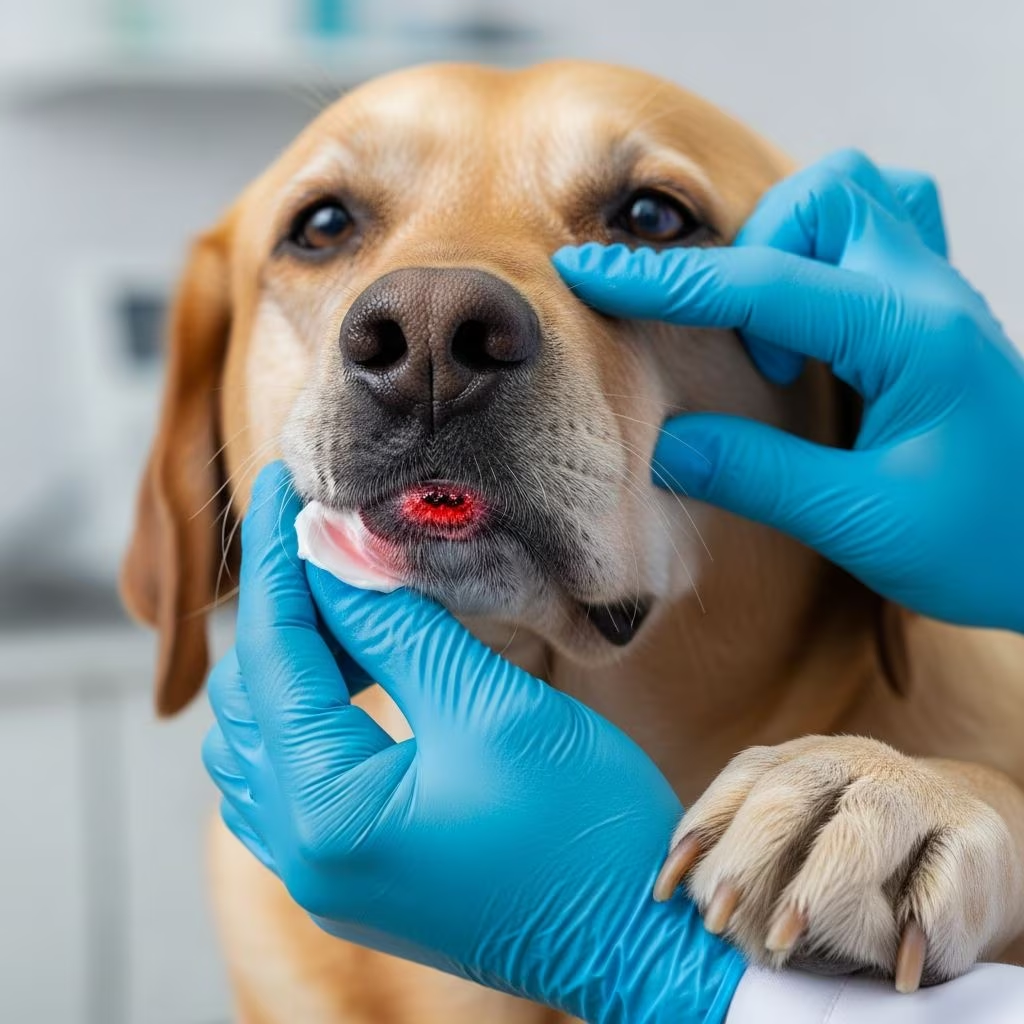
Electrical injuries in dogs often occur when curious pets chew on cords or encounter live wires, leading to burns, shock, and potential internal damage. Prompt action is critical to improve outcomes, as complications like pulmonary edema or cardiac issues can arise even if initial signs seem mild.
Understanding the Risks of Electrocution in Canines
Dogs, especially puppies and chew-prone breeds, face high risk from household electrical hazards. Low-voltage sources like extension cords cause oral burns and muscle fasciculations, while higher voltages lead to deeper tissue damage. Alternating current (AC) is particularly dangerous, causing sustained muscle contractions that prevent release from the source. Internal effects include neurogenic pulmonary edema (NPE), where fluid leaks into lungs due to electrical stress on the nervous system, and cardiac arrhythmias.
Symptoms vary: immediate signs include salivation, pawing at the mouth, collapse, or seizures. Delayed issues like respiratory distress from lung edema may appear hours later, emphasizing the need for veterinary evaluation even in seemingly recovered dogs.
Critical First Aid Steps for Safety
Before approaching an electrocuted dog, ensure the power source is disconnected to avoid personal risk. Do not touch the pet while it’s in contact with electricity. Once safe:
- Assess vital signs: Check for heartbeat and breathing. If absent, initiate CPR: 30 chest compressions (rate 100-120/min) followed by 2 breaths, repeating until help arrives.
- Cool external burns: Gently rinse mouth or paw burns with cool (not ice-cold) water for 10-20 minutes to reduce tissue damage. Avoid applying creams or ointments initially.
- Prevent shock: Wrap the dog in blankets to maintain body temperature, as burns cause rapid heat loss. Transport immediately to a vet without delaying for home remedies.
These steps stabilize the dog en route but do not replace professional care.
Diagnostic Approaches in Veterinary Clinics
Vets perform a full examination upon arrival. Key diagnostics include:
| Diagnostic Tool | Purpose | Common Findings |
|---|---|---|
| Physical Exam & Oral Inspection | Identify burns, fractures, or ulcerations | Mouth/paw burns, dental damage |
| ECG (Electrocardiogram) | Assess heart rhythm | Arrhythmias from electrical conduction disruption |
| Chest X-rays/Ultrasound (TFAST) | Detect lung edema or trauma | B-lines indicating fluid, alveolar patterns |
| Blood Tests | Monitor oxygenation, organ function | Low oxygen levels, kidney/liver stress |
| Advanced Imaging (CT/MRI) | Evaluate brain/skin/lung damage in severe cases | Hidden internal injuries |
Point-of-care ultrasound like Vet BLUE aids rapid NPE diagnosis. Monitoring continues for 24-72 hours, as edema peaks later.
Core Treatment Protocols for Stabilization
Treatment prioritizes life threats: shock, breathing issues, and pain. Initial steps include:
- Fluid Therapy: IV crystalloids (e.g., lactated Ringer’s, 10-20 mL/kg bolus) restore blood pressure cautiously, avoiding overload that worsens pulmonary edema.
- Oxygen Support: Oxygen cages (40% FiO2) or masks; severe cases need mechanical ventilation with lung-recruitment maneuvers.
- Medications: Analgesics (methadone 0.1 mg/kg IV), bronchodilators (terbutaline 0.01 mg/kg SC), diuretics (furosemide 1 mg/kg IV, limited to 1-2 doses), and anti-arrhythmics if needed.
Burn management involves cleaning with antiseptics, antibiotics to prevent infection, and debridement. Large burns may require grafts.
Addressing Specific Complications
Managing Pulmonary Edema
NPE, common post-electrocution, resolves in 1-3 days with supportive care but can be fatal. Treatment combines oxygen, cautious fluids, bronchodilators, and ventilation. High-protein edema limits diuretic efficacy.
Cardiac and Neurological Care
Arrhythmias may need defibrillation; comatose dogs receive intensive support including ventilation. Brain damage prognosis is guarded.
Burn Wound Care Progression
Electrical burns deepen over days. Stages include cleaning, topical antimicrobials, bandaging, and surgery if fistulas form. Soft foods aid oral healing.
Recovery Timeline and Home Care
Mild cases recover in days with outpatient pain relief and antibiotics. Moderate/severe require hospitalization (2-7 days), followed by:
- Restricted activity for 2 weeks.
- Soft diet, monitoring for infection/swelling.
- Follow-up exams, X-rays.
Full recovery takes weeks to months; scars may cause contractures needing physio.
Prognosis Factors Explained
| Injury Severity | Prognosis | Key Influences |
|---|---|---|
| Mild (oral burns only) | Good | Quick care, young age |
| Moderate (burns + edema) | Guarded-Fair | Early intervention, no heart issues |
| Severe (coma, multi-organ) | Poor-Grave | High voltage, delayed treatment |
Young, healthy dogs fare best; voltage/current type matters.
Prevention Strategies for Pet Owners
Minimize risks by:
- Unplugging cords or using bitter sprays/encasements.
- Supervising puppies.
- Securing outlets in chew zones.
- Installing grounded plugs.
Annual home checks prevent tragedies.
Frequently Asked Questions (FAQs)
Can my dog recover fully from electrocution?
Yes, many do, especially mild cases treated promptly. Severe internal damage lowers odds.
How long do electrical burns take to heal?
Oral burns: 1-2 weeks; deep wounds: months, possibly with surgery.
Is home treatment safe for burns?
No—always seek vet care for infection risk and hidden issues.
What if my dog seems fine after a shock?
Still visit a vet; delayed lung/heart problems occur.
Does breed affect risk?
Chewers like Labs/Retrievers are prone, but all dogs risk it.
References
- What should I do if my dog is electrocuted? — Vets Now. 2023. https://www.vets-now.com/pet-care-advice/my-dog-has-been-electrocuted/
- Electrocution – Dogs — Lort Smith Melbourne Animal Hospital. 2024. https://lortsmith.com/need-help-now/dog/injury-trauma/electrocution/
- Electric Cord Bite Injury in Dogs — Vetster. 2024. https://vetster.com/en/conditions/dog/electric-cord-bite-injury
- Determining a Treatment Plan for Electrocution in Dogs — Clinician’s Brief. 2023. https://www.cliniciansbrief.com/article/electrocution-emergency-puppy
- Electrocution in Dogs — PetMD. 2024. https://www.petmd.com/dog/conditions/cardiovascular/electrocution-dogs
- Successful management of pulmonary edema secondary to electrocution in a dog — PMC (NCBI). 2024-04-15. https://pmc.ncbi.nlm.nih.gov/articles/PMC11027353/



