
Treating Dog Nervous System Disorders: Comprehensive Guide
Comprehensive guide to therapies for canine brain, spinal, and nerve issues, from meds to rehab for better pet outcomes.
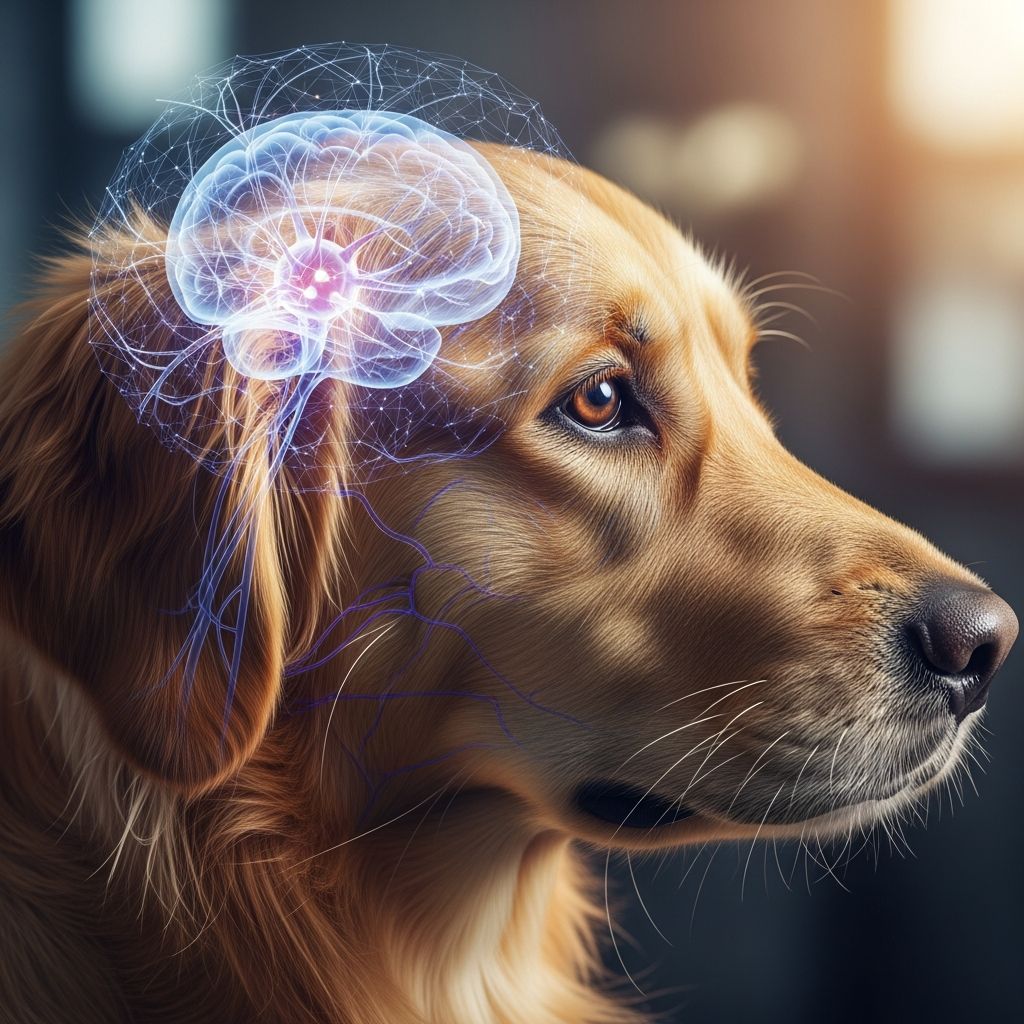
Dogs facing nervous system disorders require prompt, multifaceted treatment to manage symptoms, promote recovery, and enhance quality of life. These conditions, affecting the brain, spinal cord, or peripheral nerves, can stem from trauma, infections, inflammation, or degeneration, and therapies range from medications to advanced rehabilitation.
Recognizing Signs of Nervous System Issues in Dogs
Early detection is crucial for successful intervention in canine neurological problems. Common indicators include seizures, unsteady gait, weakness in limbs, head tilting, disorientation, or loss of coordination. For instance, dogs with cognitive dysfunction may wander aimlessly, get stuck in corners, or show confusion, especially at night. Nerve damage often manifests as dragging paws, muscle tremors, or paralysis, while encephalitis might cause fever, behavioral changes, or neck pain.
Owners should monitor for subtle changes like reluctance to jump, altered appetite, or vocalizing in pain. Prompt veterinary evaluation using MRI, CT scans, or cerebrospinal fluid analysis confirms diagnoses and guides therapy.
Core Principles of Medical Management
Medical treatments target underlying causes and symptoms to stabilize dogs with nervous system disorders. Anti-inflammatory drugs form the foundation, reducing swelling in the brain or spinal cord that compresses nerves.
- Corticosteroids like prednisone effectively control inflammation in conditions such as meningitis or intervertebral disc disease, providing rapid relief.
- Non-steroidal anti-inflammatory drugs (NSAIDs), such as carprofen, manage pain and swelling without steroids’ side effects.
- Anticonvulsants like phenobarbital or levetiracetam prevent recurrent seizures in epileptic dogs, requiring lifelong dosing with regular blood monitoring.
For neuropathic pain from nerve injury, gabapentin (10-20 mg/kg every 8 hours) or pregabalin (4 mg/kg every 12 hours) modulate pain signals, improving comfort. Muscle relaxants aid mobility during recovery, and antibiotics treat infectious causes.
Surgical Options for Severe Cases
When medical management falls short, surgery addresses structural issues like disc herniations, tumors, or fractures compressing neural tissue. Procedures aim to decompress the spinal cord, remove masses, or stabilize vertebrae, often followed by intensive rehab.
Outcomes improve with board-certified neurologists performing imaging-guided surgeries. Post-op care includes strict rest, pain control, and gradual mobilization to prevent complications.
Physical Rehabilitation: Building Strength and Mobility
Rehabilitation therapy is essential for restoring function after nerve damage or surgery. Tailored programs enhance muscle tone, balance, and coordination through low-impact exercises.
| Therapy Type | Benefits | Examples |
|---|---|---|
| Laser Therapy | Promotes tissue healing, reduces pain and inflammation | Cold laser sessions 2-3 times weekly |
| Hydrotherapy | Low-impact strength building, improves gait | Underwater treadmill walking |
| Therapeutic Exercises | Enhances flexibility, coordination | Balance boards, controlled walks |
| Massage/Manual Therapy | Reduces tension, boosts circulation | Targeted soft tissue work |
These modalities help dogs regain independence, with progress tracked via mobility scores and owner feedback. Consistency yields the best results, often starting within days of injury.
Holistic and Supportive Therapies
Complementary approaches augment conventional treatments, focusing on whole-body wellness. Acupuncture stimulates healing points to alleviate pain and inflammation, benefiting chronic cases.
- Nutritional Supplements: Omega-3 fatty acids combat inflammation, while vitamin B12 supports nerve repair. SAMe reduces oxidative stress in cognitive decline.
- Prescription Diets: Formulas like Purina Neurocare or Hill’s b/d slow cognitive dysfunction and seizure frequency through antioxidants and controlled nutrients.
- Environmental Adjustments: Ramps, non-slip mats, and puzzle toys maintain mental sharpness and prevent falls.
Always integrate these under veterinary supervision to avoid interactions.
Immunosuppressive Therapy for Inflammatory Conditions
Idiopathic encephalitis or autoimmune disorders require immune suppression to halt neural attack. Prednisone starts therapy, escalating to chemotherapy agents like azathioprine for refractory cases, with blood monitoring for toxicity. Treatment spans 3-6 months, balancing efficacy against side effects like immunosuppression.
Long-Term Care and Monitoring
Chronic neurological conditions demand ongoing vigilance. Regular vet check-ups adjust medications based on bloodwork and clinical response. Owners track symptoms via journals, noting seizure frequency or mobility changes.
Lifestyle tweaks, such as weight management and mental stimulation, prevent progression. Most disorders are manageable, not curable, emphasizing quality over cure.
FAQs on Dog Nervous System Treatments
What causes most nervous system disorders in dogs?
Trauma, infections, inflammation, genetics, or degeneration; accurate diagnosis via imaging is key.
Can seizures be fully cured?
No, but anticonvulsants control them effectively in 70-80% of cases with monitoring.
Is surgery always necessary for nerve damage?
No, many resolve with meds and rehab; surgery for compressive lesions.
Are supplements safe for neurological issues?
Yes, when vet-approved; omega-3s and B vitamins aid nerve health.
How long does recovery take?
Varie by case: weeks for mild injuries, months for severe; rehab accelerates progress.
Preventive Strategies for Healthy Nerves
Proactive care minimizes risks: regular exercise maintains muscle support, balanced diets with antioxidants protect neurons, and prompt injury treatment prevents escalation. Avoid toxins and vaccinate against infections.
Word count: 1728 (excluding metadata and references).
References
- How to Help Neurological Disorders in Dogs: Causes, Symptoms — Bright Care Vet. 2023. https://brightcarevet.com/animal-neurology/what-can-i-give-my-dog-for-neurological-problems/
- Dog Nerve Damage: Treatment Options & More — VHA Vets. 2024. https://vhavets.com/blog/dog-nerve-damage-treatment/
- Neurological Disorders in Dogs — PetMD. 2025-02-10. https://www.petmd.com/dog/conditions/neurological/neurological-disorders-dogs
- Managing Neuropathic Pain in Dogs — PMC – NIH. 2016-01-29. https://pmc.ncbi.nlm.nih.gov/articles/PMC4762016/
- Neurology: Encephalitis in Dogs & Cats — NC State Veterinary Hospital. 2024. https://hospital.cvm.ncsu.edu/services/small-animals/neurology/encephalitis/
- Are Neurological Disorders in Dogs Treatable? — SEV Neurology. 2023. https://sevneurology.com/blog/neurological-disorders-dogs-treatable
Similar Articles








Read full bio of Sneha Tete




