

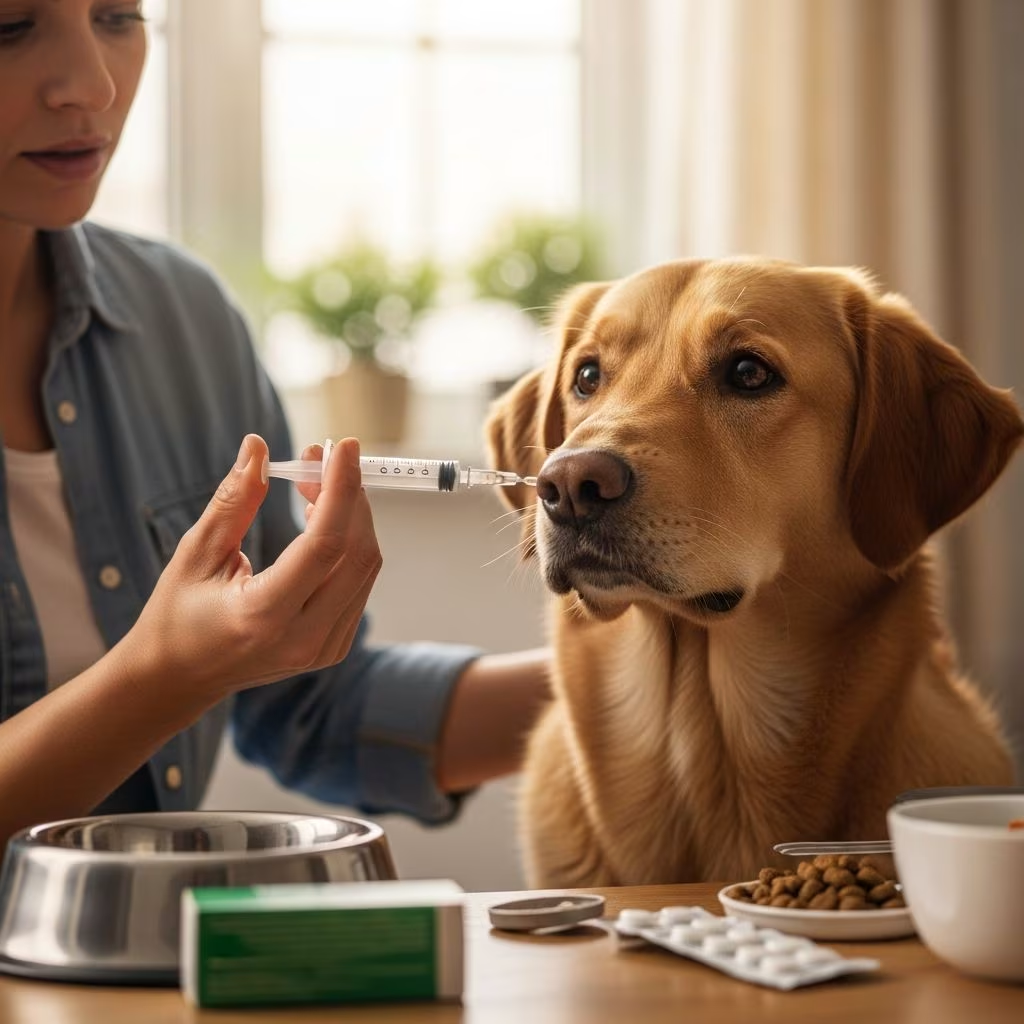
Dog diarrhea often signals underlying issues like parasitic infections, which dewormers can effectively target. This guide outlines causes, treatments, and prevention for pet owners seeking reliable solutions.
Understanding Diarrhea in Dogs
Diarrhea in dogs manifests as loose, watery stools passed more frequently than normal. It disrupts the gastrointestinal tract, leading to dehydration if untreated. Acute cases last under 48 hours, while chronic ones persist longer, requiring deeper investigation.
- Common symptoms include frequent bowel movements, straining, mucus or blood in stool, and lethargy.
- Puppies and senior dogs face higher risks due to immature or weakened immune systems.
- Dehydration signs: dry gums, sunken eyes, and skin that tents when pinched.
Parasites: A Leading Cause of Canine Diarrhea
Intestinal parasites like roundworms, hookworms, whipworms, and giardia frequently cause diarrhea by irritating the gut lining and interfering with nutrient absorption. These organisms thrive in contaminated environments, spreading via feces, soil, or infected prey.
| Parasite | Symptoms | Transmission |
|---|---|---|
| Roundworms | Pot-bellied appearance, vomiting, diarrhea | Fecal-oral, mother to puppies |
| Hookworms | Bloody diarrhea, anemia, weight loss | Skin penetration, ingestion |
| Whipworms | Bloody mucus in stool, chronic diarrhea | Ingestion of eggs in soil |
| Giardia | Foul-smelling greasy stools, gas | Contaminated water, cysts |
Dewormers are essential for eliminating these invaders, restoring gut balance.
Types of Dewormers for Dogs
Dewormers, or anthelmintics, target specific parasites. Veterinarians prescribe them based on fecal tests confirming infection types.
- Broad-spectrum options like pyrantel pamoate and fenbendazole treat multiple worms effectively.
- Prescription-strength medications such as milbemycin oxime or ivermectin handle heartworms alongside intestinal parasites.
- Natural alternatives like pumpkin seeds or diatomaceous earth offer milder support but lack robust efficacy data.
Always follow dosage by weight: small dogs need precise measurements to avoid toxicity. Repeat treatments may be required every 2-3 weeks for heavy infestations.
Step-by-Step Home Treatment Protocol
For mild diarrhea potentially linked to parasites, combine deworming with supportive care. Consult a vet first for diagnosis.
- Assess severity: If no blood, vomiting, or lethargy, proceed with home care; otherwise, seek immediate vet attention.
- Withhold food: Fast for 12-24 hours to rest the gut, providing constant fresh water.
- Administer dewormer: Use vet-recommended product per instructions.
- Introduce bland diet: Boiled chicken and white rice in 1:3 ratio, small meals 4-6 times daily for 48 hours.
- Add probiotics: Canine-specific formulas replenish beneficial bacteria.
- Transition slowly: Mix regular food gradually over 3-5 days.
Monitor hydration: Skin pinch test should snap back instantly.
Supportive Therapies for Faster Recovery
Beyond dewormers, these enhance healing.
- Probiotics and prebiotics: Restore microbiome balance post-diarrhea. Studies show 60.8% of acute cases benefit from complementary feeds.
- Homeopathic aids: Arsenicum album 30C, dosed 3 times daily for 2-3 days, eases acute symptoms.
- Hydration boosts: Unflavored Pedialyte or bone broth if water intake is low.
- Pumpkin puree: 1-2 tablespoons daily adds soluble fiber to firm stools.
When to Seek Veterinary Intervention
Professional care is crucial for persistent or severe cases. Vets use diagnostics like fecal flotation and bloodwork.
- Red flags: Diarrhea over 48 hours, blood, fever, collapse.
- Treatments: IV fluids at 70-120 mL/kg/day, anti-nausea meds, or antibiotics if bacterial.
- For dehydration: Subcutaneous fluids at home under guidance or clinic IV therapy.
In parvovirus suspicions, early enteral nutrition aids recovery despite symptoms.
Preventing Recurrent Diarrhea and Parasites
Proactive steps minimize risks.
- Monthly preventives: Heartworm meds often include deworming.
- Hygiene: Prompt poop pickup, regular yard deworming.
- Diet: High-quality, balanced food supports immunity.
- Vet checkups: Annual fecal exams catch issues early.
Puppies need deworming at 2, 4, 6, and 8 weeks, then monthly until 6 months.
FAQs on Dog Diarrhea and Dewormers
Can dewormers cause diarrhea?
Yes, as parasites die off, temporary loose stools occur. This resolves in 24-48 hours; persistency warrants vet follow-up.
How long after deworming does diarrhea stop?
Typically 1-3 days with supportive care. Chronic cases may need retesting.
Is pumpkin safe for all dogs with diarrhea?
Plain canned pumpkin yes, in moderation; pie filling contains sugar harmful to digestion.
Do probiotics replace dewormers?
No, they support gut flora but don’t kill parasites. Use both for optimal results.
What if home remedies fail?
Visit vet immediately to rule out serious conditions like parvo or IBD.
Nutrition Plans for Diarrhea Recovery
A structured feeding table aids transition.
| Day | Diet Ratio | Portion Frequency |
|---|---|---|
| 1-2 | 100% Bland (chicken/rice) | 5-6 small meals |
| 3-4 | 75% Bland / 25% Regular | 4 meals |
| 5-6 | 50/50 | 3 meals |
| 7+ | 100% Regular | Normal schedule |
Adjust based on stool improvement.
Integrating dewormers with diet and probiotics addresses root causes holistically, promoting long-term gut health. Always prioritize vet guidance for tailored plans.
References
- Acute Diarrhea in Dogs: Current Management and Potential Role of… — PMC (National Center for Biotechnology Information). 2020-08-12. https://pmc.ncbi.nlm.nih.gov/articles/PMC7465157/
- Diarrhea | Cornell University College of Veterinary Medicine — Cornell University College of Veterinary Medicine (.edu). Accessed 2026. https://www.vet.cornell.edu/departments-centers-and-institutes/riney-canine-health-center/canine-health-topics/diarrhea
- Diarrhoea in Dogs – A Guide for Pet Owners — Lynbrook Veterinary Clinic. Recent update. https://lynbrookvet.com.au/diarrhoea-in-dogs-pet-owners-guide/
- Stop Diarrhea, IBD & Leaky Gut in Dogs, Naturally — Peter Dobias Natural Pet Health. Recent. https://peterdobias.com/blogs/blog/stop-dog-diarrhea
- What to Feed a Dog with Diarrhea: A Complete Guide — Tempe Pet Hospital. 2023. https://tempepethospital.com/what-to-feed-a-dog-with-diarrhea-a-complete-guide-from-tempe-lake-veterinary-clinic-and-pet-resort/



