

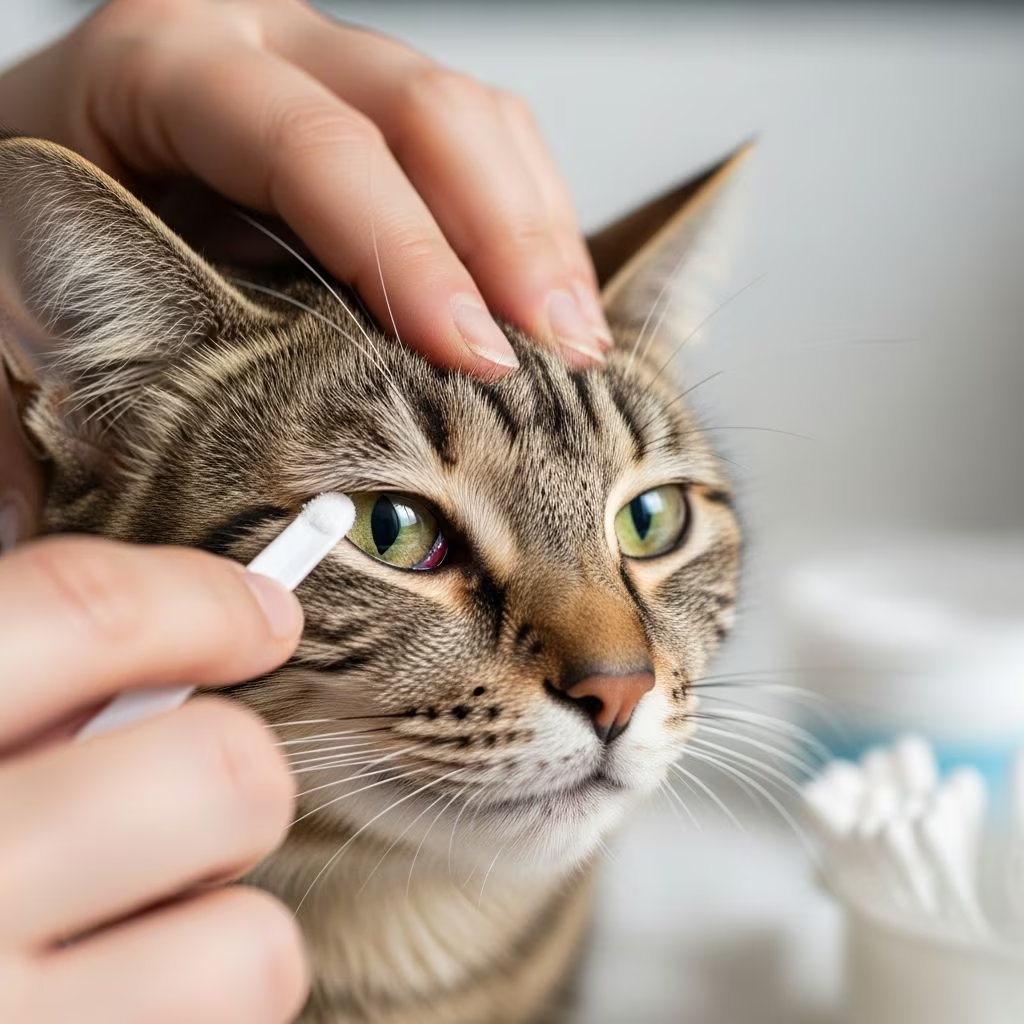
Cat conjunctivitis, often called feline pink eye, is a frequent issue where the thin membrane covering the eye becomes inflamed, leading to discomfort and potential vision risks if untreated. Home solutions like boric acid washes offer a gentle, supportive option alongside veterinary care, helping cleanse and soothe irritated eyes caused by common triggers such as viruses or bacteria.
Understanding Feline Conjunctivitis Basics
The conjunctiva is the protective layer lining a cat’s eyelids and covering the white part of the eye, shielding it from debris and pathogens. When inflamed, it results in redness, swelling, and discharge, making everyday activities painful for felines. This condition ranks among the top eye problems in cats, affecting cats of all ages, particularly kittens in multi-cat homes or shelters.
Symptoms typically appear suddenly and can impact one or both eyes. Cats may paw at their face excessively, keep eyes partially closed, or show cloudy discharge ranging from watery to thick and pus-like. Additional signs include sneezing, nasal congestion, or lethargy if linked to respiratory issues. Early detection prevents complications like corneal ulcers or chronic inflammation.
Primary Causes Behind Cat Eye Inflammation
Multiple factors contribute to conjunctivitis in cats, with infections being the leading culprits. Viral agents dominate, especially feline herpesvirus-1 (FHV-1), which resides latently in nerve tissues and reactivates under stress, illness, or poor immunity. Feline calicivirus (FCV) also plays a role, often alongside upper respiratory symptoms.
Bacterial infections, including Chlamydophila felis and Mycoplasma species, cause persistent cases with follicular swelling and membrane formation. These pathogens spread via direct contact or shared environments, thriving in catteries or households with unvaccinated cats. Non-infectious triggers encompass allergens like pollen or dust, chemical irritants, foreign objects such as grass seeds, or structural issues like entropion where eyelids roll inward.
- Viral dominance: FHV-1 accounts for most recurrent episodes, self-resolving in two weeks but requiring intervention.
- Bacterial involvement: Chlamydia and Mycoplasma demand targeted antibiotics.
- Environmental factors: Allergies or trauma exacerbate symptoms in sensitive cats.
Cats with compromised immunity from FIV or FeLV face higher risks, as do those exposed to smoke or household cleaners.
Why Consider Boric Acid for Home Care?
Boric acid, a mild antiseptic powder, dissolves in water to create an isotonic eyewash that flushes irritants, reduces bacterial load, and promotes healing without harsh chemicals. Long used in veterinary and human ophthalmology, it matches the eye’s natural pH, minimizing sting while drawing out pus and debris. For mild cases or as adjunct therapy, it empowers owners to provide immediate relief before vet visits.
Unlike steroid drops, boric acid lacks anti-inflammatory potency but excels in cleansing, preventing secondary infections. It’s cost-effective, accessible at pharmacies, and safe when prepared correctly, making it ideal for multi-cat households battling outbreaks.
Step-by-Step Guide to Preparing Boric Acid Solution
Creating a proper solution requires precision to ensure sterility and correct concentration—typically 1-2% for feline use.
- Gather materials: Distilled water (1 cup), boric acid powder (1-2 teaspoons), clean glass jar, saucepan, cheesecloth or coffee filter.
- Boil water: Bring distilled water to a rolling boil for 5 minutes to sterilize.
- Dissolve powder: Remove from heat, stir in boric acid until fully dissolved (solution turns clear).
- Cool and strain: Let cool to room temperature, then filter into a sterile dropper bottle.
- Store properly: Refrigerate up to 7 days; discard if cloudy.
Always test temperature on your wrist before application. Fresh batches prevent contamination risks.
Safe Application Techniques for Your Cat
Gentle handling is crucial—cats resist eye treatments, so use a towel wrap or helper.
| Step | Action | Tips |
|---|---|---|
| 1. Secure cat | Wrap in towel, expose only face | Use treats post-session for positive association |
| 2. Clean exterior | Wipe fur around eye with warm damp cloth | Avoid cotton balls that shed fibers |
| 3. Flush eye | Drop 2-3 drops into upper lid pocket, let drain | Blink encouragement naturally flushes |
| 4. Dry gently | Pat with clean tissue | Repeat 3-4 times daily |
Monitor for worsening redness or pain; discontinue if irritation increases.
Expected Outcomes and Duration of Use
Improvements often show within 24-48 hours: reduced swelling, clearer discharge. Continue 5-7 days or until symptoms vanish, but pair with vet-prescribed antibiotics for bacterial cases. Chronic FHV-1 may need ongoing management. Track progress with daily photos for vet consultations.
Potential Risks and Safety Precautions
Boric acid is generally safe but overuse or impure solutions can cause dryness or allergic reactions. Never ingest—keep away from kittens or curious pets. Cats with ulcers or severe infections risk worsening without diagnosis. Consult vets for pregnant or very young cats.
- Contraindications: Deep ulcers, glaucoma, known sensitivities.
- Overdose signs: Excessive tearing, behavioral changes—rinse immediately.
Integrating with Professional Veterinary Treatments
Boric acid supports but doesn’t replace vet care. Professionals diagnose via fluorescein staining, cytology, or PCR for precise causes, prescribing terramycin, tobramycin, or antivirals like famciclovir for FHV-1. Oral doxycycline tackles Chlamydia. Anti-inflammatories and pain relief enhance comfort.
Preventive Strategies for Recurring Eye Issues
Vaccination against FHV-1 and FCV forms the cornerstone, alongside stress reduction via pheromones or play. Maintain hygiene: separate food bowls, regular litter changes. Boost immunity with lysine supplements for herpes-prone cats.
Frequently Asked Questions (FAQs)
Can boric acid cure cat conjunctivitis completely?
No, it cleanses and soothes but targets underlying causes require vet intervention like antivirals or antibiotics.
How often should I apply the solution?
3-4 times daily for mild cases; follow vet dosing for combinations.
Is boric acid safe for kittens?
Use diluted (1%) under vet guidance; avoid in neonates.
What if symptoms persist after a week?
Seek immediate vet exam—could indicate ulcers or systemic issues.
Can allergies mimic conjunctivitis?
Yes; antihistamines or environment changes help differentiate.
Long-Term Management for Chronic Cases
Recurrent conjunctivitis demands holistic approaches: routine eye exams, immune boosters, and environmental controls. Cats with FIV/FeLV need tailored protocols. Owners report success combining washes with L-lysine (500mg daily) to suppress viral shedding.
Word count: 1678 (excluding metadata and references).
References
- Conjunctivitis in Cats (Cat Pink Eye) — PetMD. 2023. https://www.petmd.com/cat/conditions/eyes/c_ct_conjunctivitis
- Cat Conjunctivitis: Should You See the Vet for Feline Pink Eye? — Saratoga Veterinary Hospital. 2023. https://saratogavethosp.com/blog/cat-conjunctivitis/
- Diagnosing, Treating, and Managing Causes of Conjunctivitis in Dogs and Cats — Today’s Veterinary Practice. 2022. https://todaysveterinarypractice.com/ophthalmology/conjunctivitis-in-dogs-and-cats/
- Conjunctivitis in Cats: A Comprehensive Guide for Pet Owners — MedVet. 2024. https://www.medvet.com/conjunctivitis-in-cats/
- Cat conjunctivitis: causes, symptoms and treatment — Vets Now. 2023. https://www.vets-now.com/pet-care-advice/cat-conjunctivitis-causes-symptoms-and-treatment/
- Conjunctivitis — Cornell University College of Veterinary Medicine. 2023. https://www.vet.cornell.edu/departments-centers-and-institutes/cornell-feline-health-center/health-information/feline-health-topics/conjunctivitis



