

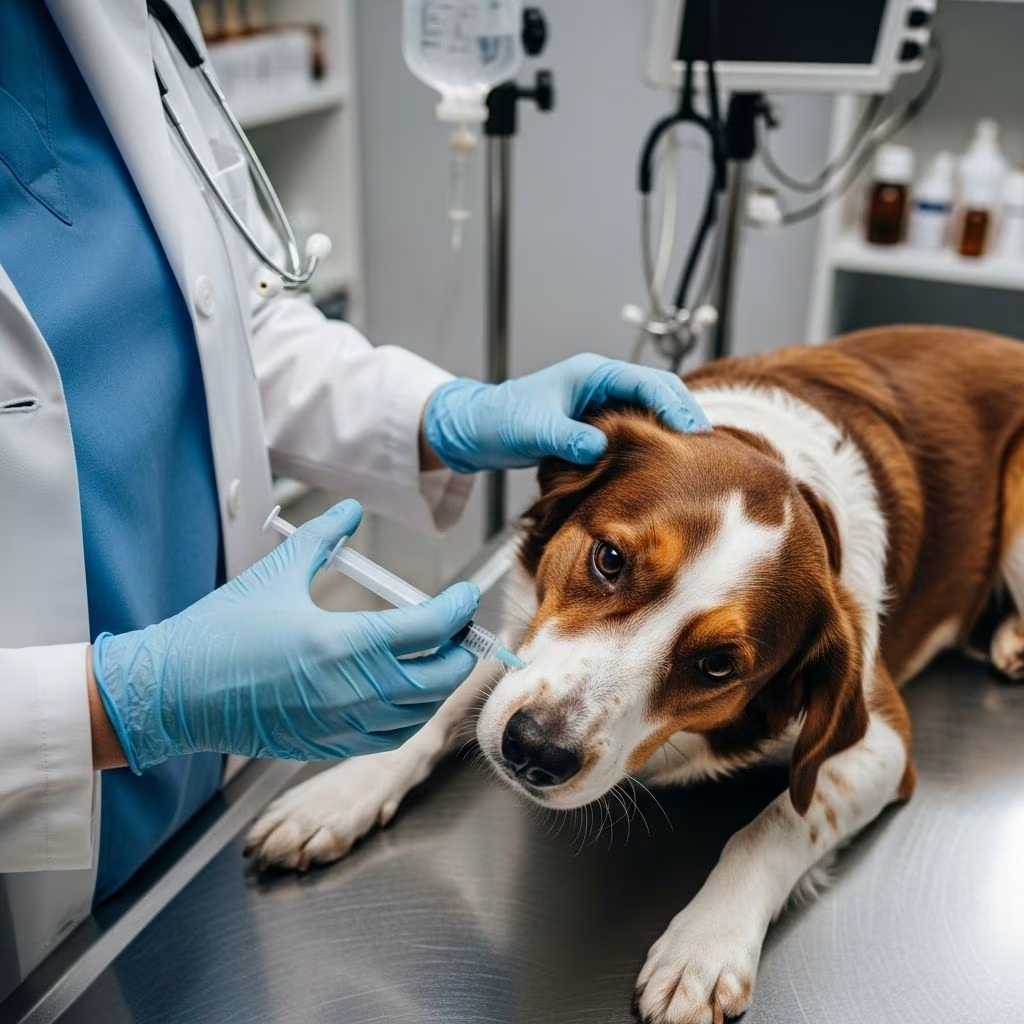
Effective management of poisoning in animals requires a systematic approach prioritizing patient stability, toxin removal, and targeted therapies. Veterinary professionals follow structured protocols to address toxicoses from household hazards, chemicals, and plants, improving survival rates through timely intervention.
Initial Assessment and Stabilization
The first step in handling a suspected poisoning case involves rapid triage using the ABC framework: airway, breathing, and circulation. Clinicians evaluate vital signs, address life-threatening issues like shock or seizures, and stabilize the patient before further diagnostics.
- Check airway patency and provide oxygen if respiratory distress is evident.
- Assess circulation; initiate IV fluids for hypovolemia or dehydration.
- Monitor temperature, as hypothermia or hyperthermia can complicate toxicoses.
Collecting baseline samples—blood, urine, vomitus—prior to treatments aids in toxin identification. History from owners, including exposure details, guides subsequent actions.
Decontamination Techniques
Preventing toxin absorption is critical, especially soon after exposure. Methods vary by route of exposure and toxin type, balancing efficacy with safety risks like aspiration.
Gastrointestinal Decontamination
For recent ingestions, induce emesis in dogs and cats using apomorphine or hydrogen peroxide, effective within 2-3 hours post-exposure, removing up to 60% of gastric contents. Contraindicated in cases of corrosives, petroleum products, or compromised consciousness.
Gastric lavage follows emesis if needed, flushing the stomach with water via tube. Activated charcoal binds many toxins; multiple doses enhance elimination for sustained-release substances. Administer 1-2 g/kg orally, spacing from other meds.
| Method | Indications | Dosage/Notes | Contraindications |
|---|---|---|---|
| Emesis | Dogs/cats, early ingestion | Apomorphine 0.04 mg/kg IV | Corrosives, seizures |
| Activated Charcoal | Most oral toxins | 1-4 g/kg PO | Ingestion <1h with emetic |
| Cathartics | Enhance charcoal | Sodium sulfate 250 mg/kg | Dehydrated patients |
Dermal and Inhalation Decontamination
Bathe animals exposed dermally with mild soap and water, avoiding further absorption. For inhalants, move to fresh air, provide oxygen, and monitor for pulmonary edema.
Corrosive exposures demand dilution with water or milk, never inducing emesis. Neutralize only if advised, as reactions generate heat.
Enhancing Toxin Elimination
After decontamination, promote excretion via diuresis, cathartics, or dialysis. IV fluids at 2-4x maintenance rates maintain urine output, aiding renal clearance.
- Monitor fluid balance with urinary catheters.
- Use mannitol for oliguria in certain toxicoses.
- Dialysis for severe cases like ethylene glycol, though less common in veterinary practice.
Specific Antidotes and Therapies
Antidotes counteract toxins directly, vastly improving prognosis when available. Selection depends on confirmed or suspected agent.
Ethylene Glycol (Antifreeze) Poisoning
Rapidly absorbed, treatment within 6 hours is ideal. Fomepizole (125 mg/kg IV loading, then 31.25 mg/kg at 12,24,36h) or ethanol infusion inhibits metabolism to toxic acids.
Support with fluids and monitor for renal failure. Prognosis worsens post-metabolite formation.
Paracetamol (Acetaminophen) Toxicity
Cats are highly susceptible due to deficient glucuronidation. N-acetylcysteine (NAC) replenishes glutathione: 140 mg/kg loading PO/IV, then 70 mg/kg q4-6h for 7 doses.
Oxygen therapy, blood transfusions combat methemoglobinemia and hemolysis. Avoid oral NAC post-charcoal without delay.
Other Common Antidotes
| Toxin | Antidote | Dosage |
|---|---|---|
| Organophosphates | Atropine + Pralidoxime | Atropine 0.2-0.5 mg/kg IV; 2-PAM 20 mg/kg |
| Cholecalciferol (Vitamin D) | Pamidronate | 1.3-2 mg/kg IV over 2h |
| Metaldehyde | Methocarbamol | 55 mg/kg IV slowly |
| Xylitol | Dextrose | 0.5-1 ml/kg/min IV |
For serotonin syndrome from SSRIs, cyproheptadine (2-4 mg/cat PO) antagonizes effects.
Supportive Care Essentials
Ongoing support addresses organ dysfunction and symptoms. Tailor to clinical signs: antiemetics (maropitant 1 mg/kg SQ), anticonvulsants (diazepam 0.5 mg/kg IV), muscle relaxants (methocarbamol for tremors).
- GI protectants: sucralfate, omeprazole for ulcers.
- Thermoregulation: warming blankets.
- Nutritional support if prolonged anorexia.
Monitor PCV, electrolytes, renal parameters serially. Prognosis hinges on toxin, dose, and intervention speed.
Common Toxicoses and Tailored Protocols
Corrosive Agents
Dilute immediately; manage pain, fluids for shock. No emesis. Diazepam for seizures.
Chocolate and Caffeine
Activated charcoal multi-dose; propranolol or esmolol for tachyarrhythmias.
Smoke Inhalation
Oxygen, bronchodilators, monitor blood gases.
Prevention and Owner Education
Secure toxins, use pet-safe products. Early vet contact via poison hotlines improves outcomes. Teach recognition of signs: vomiting, ataxia, seizures.
Frequently Asked Questions (FAQs)
What should I do if my pet ingests a toxin?
Prevent further access, note substance/time, contact vet or poison control immediately. Do not induce vomiting without guidance.
Is activated charcoal safe for all animals?
Generally yes for oral toxins, but avoid in dehydrated patients or with cathartics causing issues.
How soon after exposure is treatment most effective?
Within 1-6 hours for best decontamination; antidotes like fomepizole work best early.
Can cats be treated with the same protocols as dogs?
Similar but dose-adjusted; cats need NAC for paracetamol, avoid certain emetics.
What is the role of IV fluids in toxicoses?
Correct dehydration, promote diuresis, support organs.
References
- Feline Toxicological Emergencies: When to Suspect and what to do — PMC. 2024. https://pmc.ncbi.nlm.nih.gov/articles/PMC11220931/
- Practical Toxicology: How to Be Prepared for Most Toxic Exposures in Dogs and Cats — Today’s Veterinary Practice. 2017-03-04. https://todaysveterinarypractice.com/wp-content/uploads/sites/4/2017/03/TVP-2017-0304_Column_APCC-Practical-Toxicology_FORWEB.pdf
- Recognizing & Treating Toxicities: Poisons of the Pacific Northwest — Oregon VMA. N/A. https://www.oregonvma.org/sites/default/files/Houchen%20Recognizing%20&%20Treating%20Toxicities.pdf
- Toxicoses From Corrosive Agents in Animals — MSD Veterinary Manual. N/A. https://www.msdvetmanual.com/toxicology/toxicoses-from-household-hazards/toxicoses-from-corrosive-agents-in-animals
- Toxicology — Veterian Key. N/A. https://veteriankey.com/toxicology-2/
- Basic principles, diagnosis and management of toxic exposures — dvm360. N/A. https://www.dvm360.com/view/basic-principles-diagnosis-and-management-toxic-exposures-proceedings



