Treating Aggression Towards Other Household Cats
Learn effective strategies to manage and resolve aggressive behavior between cats in your home.
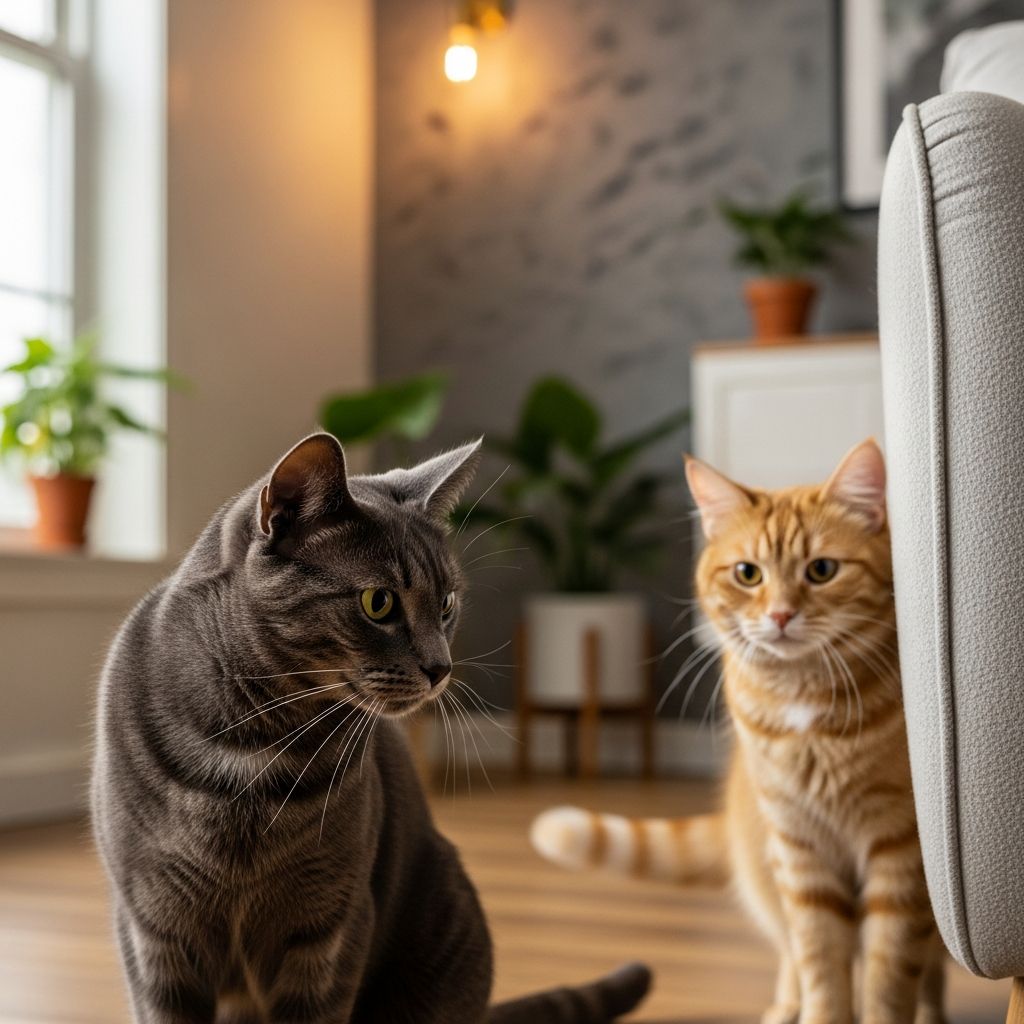
Understanding and Treating Aggression Towards Other Household Cats
When multiple cats share the same home, aggression between them can create stress for both the animals and their owners. Whether the problem stems from territorial disputes, fear-based reactions, or improper introductions, understanding the root cause and implementing appropriate treatment strategies is essential for creating a harmonious multi-cat household. This comprehensive guide explores evidence-based approaches to managing feline aggression and helping your cats coexist peacefully.
What Causes Aggression Between Household Cats?
Aggression between cats can manifest for various reasons, and identifying the underlying cause is the first step toward effective treatment. Cats may display aggressive behavior due to territorial concerns, fear or anxiety about unfamiliar felines, lack of adequate resources, or simply because of how they were introduced to one another. Understanding what triggers the aggressive response allows you and your veterinarian to develop a targeted treatment plan that addresses the specific motivation behind the behavior.
The Importance of Professional Assessment
When cats in your household are exhibiting aggressive behavior toward each other, professional evaluation is crucial. A veterinary behaviorist can conduct a thorough assessment to determine the specific type of aggression and the factors contributing to it. This professional diagnosis ensures that the treatment program is tailored to your cats’ unique situation rather than relying on generic solutions that may not address the root cause. During the veterinary visit, both cats should be examined to rule out any underlying medical conditions that might be contributing to the aggressive behavior.
Desensitization and Counterconditioning: The Gold Standard
The most effective approach to treating aggression between household cats is a desensitization and counterconditioning program. This process involves gradually exposing the cats to each other’s presence while pairing that exposure with positive experiences, such as treats or play. The goal is to change each cat’s emotional response to the other from negative to neutral or positive over time. This method is particularly valuable when introducing a new cat to a household or reintroducing cats that have had conflict.
How Desensitization Works
Desensitization involves exposing cats to the stimulus that triggers their aggression—in this case, each other—at a very low intensity and gradually increasing that intensity. Rather than forcing the cats together, you keep them separated initially and allow them to become accustomed to each other’s presence through scent and sound before any visual contact occurs. This slow progression gives each cat time to adapt psychologically to the other’s presence without the stress of direct confrontation.
Counterconditioning Strategies
Counterconditioning works alongside desensitization by teaching cats to associate positive outcomes with the presence of the other cat. Offering small meal portions on opposite sides of a doorway, for example, creates a positive association with being near each other while maintaining safe distance. As the cats become more comfortable, you can gradually increase their proximity and interaction time.
Step-by-Step Introduction Protocol
A successful cat introduction requires patience, planning, and careful progression through several phases. Following this structured approach minimizes conflict and increases the likelihood of long-term compatibility.
Phase One: Separation and Scent Introduction
Begin by confining the new or reintroduced cat to a separate room equipped with its own litter box, food, water, and bedding. This allows both cats to become accustomed to each other’s scent without direct contact. Use pheromone diffusers or sprays, such as Feliway, to help each cat adapt and settle more quickly. During this phase, allow the cats to smell each other under doors and gradually swap their living spaces to familiarize each with the other’s scent.
Phase Two: Visual Introduction
Once both cats are calm when exposed to each other’s scent, introduce visual contact through a barrier such as a baby gate or cracked door. Reward calm behavior with treats and praise. This phase may last several days or weeks, depending on how the cats respond. Only proceed to the next phase when both cats show no signs of fear, anxiety, or threatening behavior.
Phase Three: Controlled Exposure
When the cats demonstrate comfort during visual separation, allow brief supervised interactions in neutral territory. Keep these sessions short and positive, with plenty of treats and toys available. If tension arises, separate the cats immediately and resume the previous phase for a longer period before attempting again.
Phase Four: Gradual Integration
As the cats show increasing comfort with each other, gradually extend the time they spend together. Monitor their interactions closely and be prepared to separate them if signs of aggression emerge. Ensure adequate resources are available throughout the home—separate litter boxes, food stations, and hiding places reduce competition and territorial disputes.
Environmental Management and Resource Provision
Creating an enriched environment that minimizes conflict is fundamental to managing multi-cat households. Cats require multiple resources to reduce competition and territorial stress.
Essential Environmental Components
Provide at least one litter box per cat, plus one extra. Place these boxes in different locations to prevent territorial guarding. Similarly, maintain multiple food and water stations in separate areas of the home. Vertical space is equally important—install cat trees, wall-mounted shelves, and perches that allow cats to retreat to safe areas away from each other. These elevated spaces provide escape routes and reduce feelings of confinement that can trigger aggression.
Using Pheromone Products
Feliway diffusers and sprays release synthetic feline pheromones that promote calmness and reduce anxiety-related aggression. These products can be particularly helpful during the introduction phase and ongoing management. Pheromone products are non-sedating and work by creating a calming chemical environment that helps cats feel more secure in their shared space.
Behavioral Modification Techniques
Beyond desensitization and environmental management, specific behavioral techniques can help redirect and control aggressive interactions.
Distraction and Redirection
When signs of fear or escalating tension emerge between cats, redirect their attention using positive commands such as “come.” Reward-trained recall commands are particularly effective because they give cats an alternative behavior and remove them from the threatening situation. Leashes and harnesses, left attached during potentially problematic times, provide additional control without physical confrontation.
Reward-Based Training
Consistently reward the aggressive cat when it comes to you, settles down, and leaves the other cat alone. Simultaneously, reward the fearful cat for not running away and remaining calm in the presence of the other cat. This dual approach helps rebuild confidence in the fearful cat while teaching the aggressive cat that peaceful coexistence brings positive rewards.
Avoiding Physical Punishment
Physical punishment is counterproductive and should never be used to address feline aggression. Hitting or striking a cat may increase aggressive behavior by causing pain and can damage the cat’s trust in you. Punishment can also increase fear and anxiety, making aggression worse. Instead, use positive reinforcement to encourage desired behaviors and gentle deterrents such as water sprays or noise devices only when necessary and without physical contact.
When Medication May Be Necessary
For some cats, behavioral modification alone may be insufficient to control aggression. In these cases, veterinary medication can be a valuable tool when used in conjunction with behavioral and environmental interventions. Anti-anxiety medications or other psychotropic drugs may help reduce the emotional intensity driving the aggressive response, making the cat more receptive to behavior modification training. Medication should never be viewed as a standalone solution but rather as a support mechanism that enables behavioral change.
Advanced Management Strategies
When aggression is severe or persistent, additional management techniques may be necessary to ensure safety while continuing treatment efforts.
Controlled Separation Protocols
In cases of severe aggression, it may be necessary to separate the cats at times when supervision is impossible. This approach prevents the escalation of conflict and the development of negative associations. Long-term separation can eventually be transitioned to supervised interaction only, with full integration as a long-term goal if the treatment program proves successful.
Electronic Cat Doors and Access Control
Installing electronic cat doors that recognize microchips or activation collars allows each cat to have its own safe retreat space while maintaining partial household integration. This technology prevents the aggressive cat from blocking access to food, water, or litter boxes while giving each cat control over its movement throughout the home.
Feeding Management Strategies
Mealtime can be a trigger for aggression, particularly in households where cats compete for resources. Implementing strategic feeding protocols can significantly reduce tension. Offer small meal portions rather than free-choice feeding to create multiple feeding opportunities and allow the cats to be separated during mealtimes. Feeding cats on opposite sides of a closed door during the introduction phase helps create positive associations with each other’s presence without competition.
Understanding Individual Cat Temperaments
Not all cats respond similarly to cohabitation or to treatment interventions. Some cats are naturally more social and adaptable, while others are inherently territorial or anxious. Understanding your individual cats’ temperaments helps set realistic expectations and guides treatment planning. Cats with a history of aggression, past trauma, or natural territorial inclinations may require more intensive or prolonged intervention than naturally sociable cats.
When Permanent Separation May Be Necessary
Despite slow and careful progression through desensitization and behavior modification protocols, some cats may continue to display aggression toward each other. In these situations, the most humane option may be permanent or long-term separation. Cats living in separate areas of the home, with separate resources and limited supervised contact, can live reasonably content lives without the constant stress of territorial conflict. This approach, while not ideal, is preferable to maintaining aggressive confrontations that create ongoing stress and fear.
Timeline and Realistic Expectations
Treating inter-cat aggression is not a quick process. Desensitization and counterconditioning programs typically require weeks to months to show significant improvement, depending on the severity of the aggression and the cats involved. Early intervention provides the best outcomes, as established aggressive patterns are more difficult to modify than emerging behavioral problems. Consistency, patience, and adherence to the prescribed program are essential for success.
Post-Vet Visit Aggression Considerations
If aggression emerges after one cat returns from a veterinary visit, this may be due to the altered scent of the veterinary clinic on the returning cat. Resume the desensitization protocol from an earlier phase to help the cats readjust to each other. This temporary aggression often resolves within a few days once the cats become familiar with each other’s scent again.
Frequently Asked Questions
Q: How long does it typically take to resolve aggression between cats?
A: The timeline varies depending on the severity of aggression and the cats involved, but most programs require weeks to months. Early intervention and consistent adherence to behavior modification protocols typically produce the best results within three to six months.
Q: Can I use physical barriers to separate aggressive cats?
A: Yes, baby gates, cardboard panels, and other lightweight barriers are effective tools for maintaining safe separation while allowing visual and auditory contact. Never put your hands between fighting cats, as you risk serious injury.
Q: Is medication always necessary to treat cat aggression?
A: No, many cases can be resolved through behavior modification and environmental management alone. However, medication may be recommended for severe aggression or when behavioral strategies alone prove insufficient. Medication works best in combination with behavioral interventions.
Q: What role do pheromones play in treating aggression?
A: Synthetic pheromone products like Feliway create a calming effect that can reduce anxiety and stress-related aggression. They are most effective when used as part of a comprehensive treatment program that includes behavior modification and environmental enrichment.
Q: What should I do if my cats fight despite my efforts?
A: If fights occur, separate the cats immediately using barriers rather than your hands. Resume the desensitization protocol from an earlier phase, increase separation time, and consult with your veterinarian about additional interventions including medication or permanent separation options.
Q: How many litter boxes do I need in a multi-cat household?
A: The general rule is one litter box per cat, plus one additional box. Place them in different locations throughout the home to reduce territorial conflicts and prevent one cat from preventing another from accessing the box.
References
- Treating Aggression Towards Other Household Cats — VCA Animal Hospitals. 2024. https://vcahospitals.com/know-your-pet/treating-aggression-towards-other-household-cats
- Cat Behavior Problems: Aggression Towards Other Household Cats — VCA Animal Hospitals. 2024. https://vcahospitals.com/know-your-pet/cat-behavior-problems–aggression-in-cats-fear-and-territorial-to-other-household-cats
- Feline Behavior Problems: Aggression — Cornell University College of Veterinary Medicine. 2024. https://www.vet.cornell.edu/departments-centers-and-institutes/cornell-feline-health-center/health-information/feline-health-topics/feline-behavior-problems-aggression
- Play and Predatory Aggression in Cats — VCA Animal Hospitals. 2024. https://vcahospitals.com/know-your-pet/play-and-predatory-aggression-in-cats
- Cat Behavior Problems: Petting Aggression — VCA Animal Hospitals. 2024. https://vcahospitals.com/know-your-pet/cat-behavior-problems—aggression—petting-aggression
- Addressing Canine and Feline Aggression in the Veterinary Clinic — PubMed. 2008. https://pubmed.ncbi.nlm.nih.gov/18672150/
Similar Articles








Read full bio of Sneha Tete