

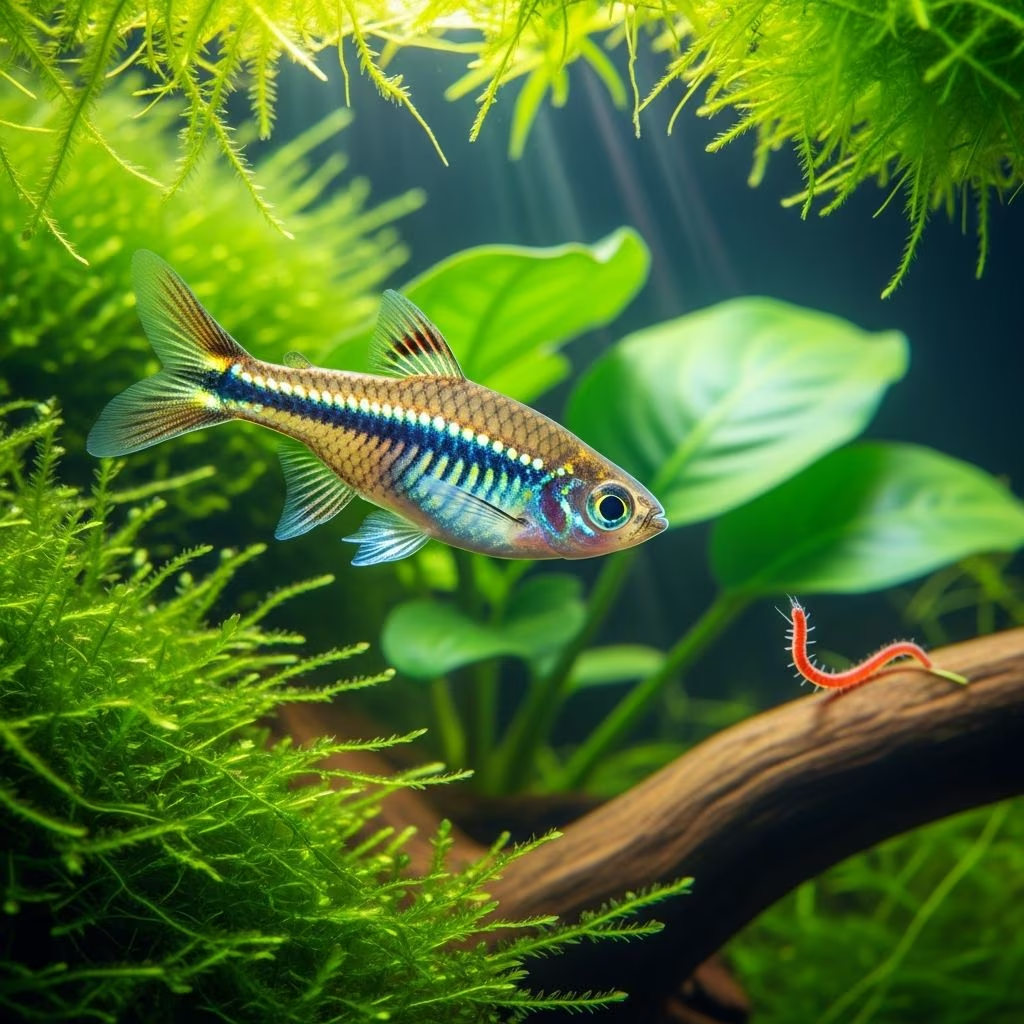
Understanding Camallanus Worms
Camallanus worms are parasitic roundworms that commonly affect freshwater aquarium fish, particularly livebearers, barbs, and cichlids. These parasites can severely compromise fish health if left untreated, making it essential for aquarium keepers to understand how to identify, treat, and prevent infections. The good news is that with proper knowledge and consistent treatment protocols, camallanus worms can be effectively managed and eliminated from your aquarium.
Camallanus worms are among the most prevalent nematodes found in tropical aquarium species, and they primarily feed on fish blood. Understanding the life cycle of these parasites is crucial for successful treatment. The worms have distinct life stages, and certain treatments only affect specific stages, which is why repeated dosing is necessary for complete eradication.
Identifying Camallanus Worm Infections
The first step in combating camallanus worms is recognizing the signs of infection in your fish. Infected fish may display several telltale symptoms that indicate a parasitic problem:
- Red or pink worm-like protrusions from the fish’s anus, resembling small threads extending from the rear end
- Loss of appetite and reduced feeding activity
- Lethargy and decreased movement or activity levels
- Weight loss and a thin or emaciated appearance
- Fading colors or dull appearance
- Behavioral changes such as hiding or isolation from other fish
- General signs of stress or illness
If you notice any combination of these symptoms, particularly the characteristic red worms protruding from the anus, it’s important to act quickly. Early detection and treatment significantly improve recovery outcomes and prevent the infection from spreading to other fish in your tank.
Treatment Methods for Camallanus Worms
Once you’ve confirmed a camallanus worm infection, several treatment options are available. The most effective and widely recommended approach involves using medications containing levamisole, a selective nematocide that targets roundworms specifically.
Medication-Based Treatment
Levamisole hydrochloride is the gold standard for treating camallanus worms in aquariums. This medication works by disrupting the worms’ nerve-signal transmission, causing paralysis that forces the parasites out of the fish’s intestines where they can be removed through water changes and substrate cleaning. The recommended therapeutic concentration for ornamental fish is approximately 2 mg/L of levamisole hydrochloride for 24 hours.
Products like Fritz Expel-P contain levamisole and are specifically formulated for treating parasitic infections in aquarium fish. When using these medications, follow the manufacturer’s instructions carefully, typically dosing one packet per 10 gallons of water.
Treatment Protocol
For optimal results when treating camallanus worms, follow this evidence-based protocol:
- Day 1: Turn off aquarium lights, as levamisole degrades rapidly in light. Remove activated carbon, resins like Purigen, and disable UV clarifiers or sterilizers if present. Dose the aquarium with your chosen medication according to package directions. Maintain good surface agitation and aeration. Keep lights off for 24 hours.
- After 24 hours: Perform a 25% water change to remove excreted parasites and dead worms. Clean the substrate thoroughly with a gravel vacuum to remove any paralyzed parasites.
- Repeat treatment: Wait 2-3 weeks before administering a second dose. This interval is critical because camallanus worms mature from larvae to adults in approximately 3-4 weeks at tropical aquarium temperatures. The second treatment eliminates the next generation of worms that have matured since the initial dose.
- Optional third treatment: Some aquarists prefer a third treatment after another 2-3 weeks to ensure complete eradication.
Supporting Fish Recovery
Beyond medication, several supporting measures significantly enhance recovery success. Minimize stress in the aquarium by maintaining stable water parameters and providing a calm environment. Feed high-quality foods frequently to help infected fish regain weight and strength, enabling them to expel worms more efficiently. Maintain excellent water quality through regular water changes and frequent substrate vacuuming. Consider using broad-spectrum antibiotics or antifungal treatments if secondary infections are present, as compromised fish are vulnerable to opportunistic pathogens.
Equipment Sanitation
To prevent cross-contamination during treatment, disinfect all nets, siphons, and shared equipment between tanks. Use separate equipment exclusively for tanks containing infected fish to avoid spreading the parasite to other aquariums.
Prevention Strategies for Camallanus Worms
Preventing camallanus worm infections is far more effective than treating established infestations. Implementing robust prevention strategies protects your entire aquarium collection from parasitic diseases.
Quarantine Protocols
The most important prevention measure is establishing a comprehensive quarantine system for all new fish. Quarantine all new additions for at least 4-6 weeks before introducing them to your display tanks. During this observation period, closely monitor fish behavior, appetite, and overall health. This extended quarantine allows any parasitic infections to manifest, preventing their introduction into your established collection.
Maintain the quarantine tank in a separate area with dedicated equipment—never share nets, siphons, or other tools with your main display tank. Wash your hands thoroughly after handling quarantined fish and before touching other tanks. These hygiene measures are essential for preventing accidental parasite transmission.
Preventative Medication Treatments
Consider treating new fish with a quarantine medication trio that addresses bacterial, fungal, and parasitic infections. If you’re specifically concerned about camallanus worms, add levamisole-based treatment as a separate regimen after completing the initial quarantine medication protocol. This proactive approach significantly reduces the risk of introducing infected fish to your display tanks.
Live Food Management
Live foods can harbor parasites and intermediate hosts for camallanus worms. Avoid feeding wild-collected live foods when possible, as these carry the highest risk of parasite transmission. If using commercial live foods, rinse them thoroughly or freeze them before offering them to your fish. This simple step eliminates many parasitic larval stages and their crustacean intermediate hosts.
Environmental Optimization
Maintaining optimal aquarium conditions strengthens fish immune systems and reduces overall disease susceptibility. Keep water parameters stable with regular water changes and quality filtration. Maintain appropriate temperatures for your fish species, as stress from temperature fluctuations compromises immune function. Ensure adequate tank size for your fish population to minimize stress and aggression. Provide suitable habitat structures and hiding places that help fish feel secure and reduce stress-related immune suppression.
Dietary Considerations
Feed high-quality, varied diets to support robust immune function. Avoid heavily processed foods and incorporate fresh, nutrient-dense options when possible. Well-nourished fish have stronger immune systems that resist parasitic infections more effectively. This preventative nutrition approach is far more cost-effective than treating established infections.
Comparison of Treatment Approaches
| Treatment Method | Advantages | Disadvantages | Best For |
|---|---|---|---|
| Water Dosing (Levamisole) | Treats entire tank; ensures all fish receive medication; effective even if fish stop eating; easy administration | Requires removing carbon and UV equipment; need to turn off lights | Community tanks; multiple infected fish; aggressive or reclusive fish |
| Medicated Food | Targets specific fish; doesn’t require tank shutdown; lower systemic dose | Unreliable if fish lose appetite; difficult to control individual dosing; slow action | Single infected fish with normal appetite; mild infestations |
| Fenbendazole | Slow, steady worm removal; added to food; alternative option | Slower action; requires consistent feeding protocol; longer treatment duration | Fish sensitive to rapid worm death; prefer gradual treatment approach |
Important Treatment Considerations
Several critical points ensure successful camallanus worm treatment and prevent common mistakes. Never attempt to tear down and sterilize your entire aquarium—this extreme measure is unnecessary and counterproductive. Camallanus worms don’t produce persistent eggs in the aquarium environment, so complete sterilization provides no additional benefit beyond thorough substrate cleaning.
Avoid excessive or arbitrary levamisole doses promoted by unreliable online sources. Higher doses than the recommended 2 mg/L concentration have not demonstrated improved efficacy and only increase stress and toxicity risks, particularly for sensitive species like puffers, loaches, and shrimp.
Remember that levamisole only affects adult worms and late-stage juveniles actively feeding inside the fish’s intestines. It does not affect early larvae free in the water, substrate, or filter, nor those protected within intermediate crustacean hosts. This is why consistent, properly-timed repeat treatments are absolutely essential for completely breaking the parasite’s life cycle.
Common Mistakes to Avoid
Understanding common errors helps ensure your treatment success. Many aquarists panic and implement unnecessary tank breakdowns or excessive treatments. With consistent, properly-timed levamisole dosing and good husbandry practices, camallanus worms are readily eliminated. Don’t use arbitrary high doses—stick to evidence-based concentrations. Never skip the repeat treatment—this is the most critical step for eradication. Don’t neglect substrate cleaning during treatment—thorough vacuuming removes paralyzed worms.
Frequently Asked Questions
Q: How long does it take to cure camallanus worms?
A: With proper treatment, adult worms are paralyzed within 24 hours of levamisole administration. However, complete eradication requires repeat treatments 2-3 weeks apart to eliminate successive generations. Most aquarists see significant improvement within 4-6 weeks of starting treatment.
Q: Can I treat only affected fish instead of the whole tank?
A: While medicated food allows targeted treatment of specific fish, water dosing treats the entire tank and is more effective, especially if fish lose appetite. Water dosing ensures all potentially infected fish receive medication regardless of feeding behavior.
Q: Is it safe to use levamisole with sensitive fish species?
A: Levamisole is generally safe at recommended concentrations (2 mg/L) for most fish species. However, puffers, loaches, and shrimp can be sensitive. Consult species-specific care guides and consider hospital tank treatment if your sensitive species are affected.
Q: What if my fish stop eating during infection?
A: Water dosing with levamisole becomes the only viable option when fish stop eating. Fish readily absorb levamisole through their skin and gills, so medicated food isn’t necessary. This is another advantage of water-based treatment.
Q: How can I prevent bringing camallanus worms into my aquarium?
A: Implement strict quarantine protocols for all new fish (4-6 weeks minimum), avoid wild-collected live foods, rinse or freeze commercial live foods, and maintain optimal water quality and tank conditions to support strong fish immune systems.
Q: Do I need to perform water changes during levamisole treatment?
A: Yes, perform a 25% water change 24 hours after initial dosing to remove excreted parasites and dead worms. Continue regular water changes as part of normal maintenance throughout the treatment period.
Q: Can natural remedies cure camallanus worms?
A: While strong immune systems and excellent water quality support fish health, camallanus worms typically require pharmaceutical treatment with levamisole or similar medications for reliable eradication. Natural approaches alone are insufficient for established infections.
References
- How to Treat Camallanus Red Worms in Freshwater Aquarium Fish — Aquarium Coop. 2024. https://www.aquariumcoop.com/blogs/aquarium/camallanus-worms
- Camallanus Worms in Aquarium Fish: An Evidence-Based Guide — Pufferfish Enthusiasts Worldwide. 2024. https://www.pufferfishenthusiastsworldwide.com/post/camallanus-worms
- Natural Prevention and Treatment of Aquarium Fish Parasites — All Natural Pet Care. 2012. https://allnaturalpetcare.com/blog/2012/01/31/natural-prevention-and-treatment-of-aquarium-fish-parasites/
- Treating Fish for Camallanus and Other Nematodes — Diana Walstad. 2017. https://dianawalstad.com/wp-content/uploads/2017/12/camallanusarticle4.pdf



