

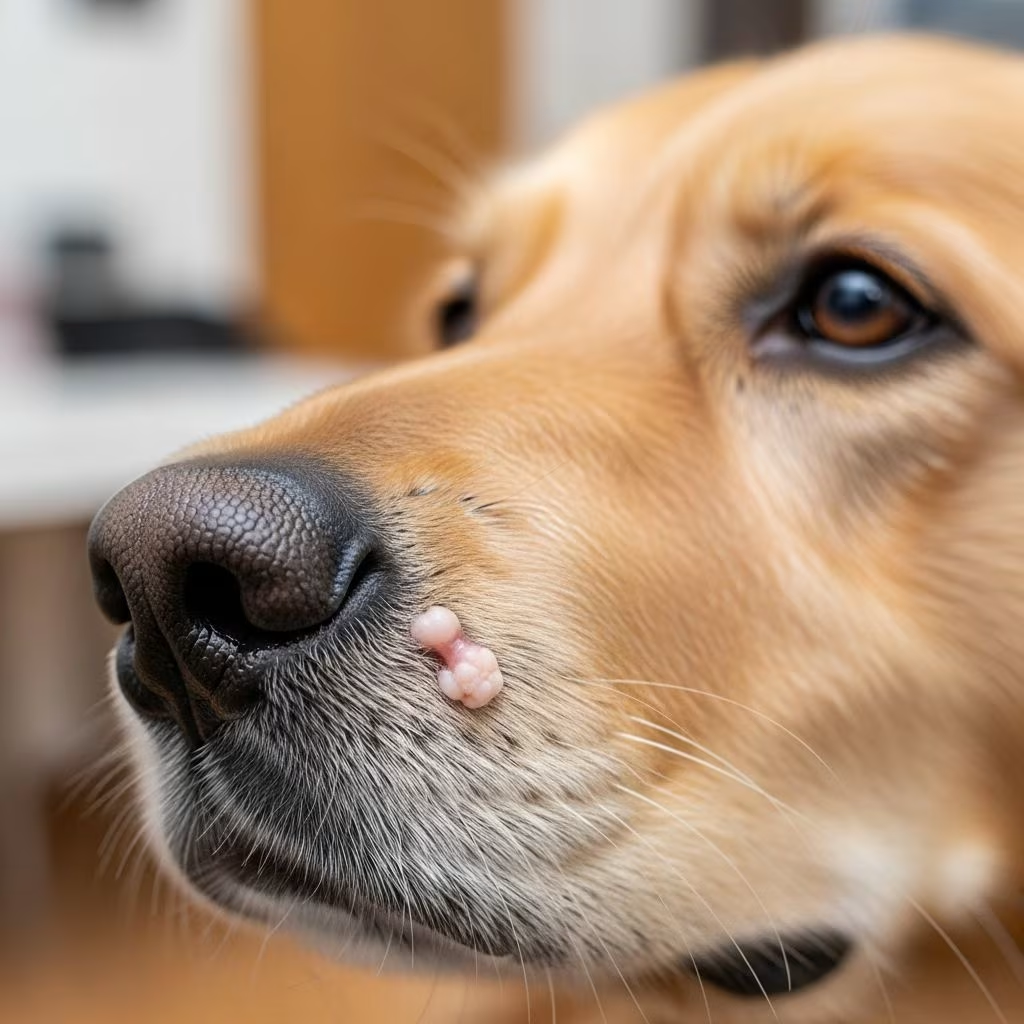
Dog warts, also known as canine papillomas, are benign skin growths caused by the canine papillomavirus (CPV). These common growths often appear in young dogs or those with weakened immune systems and can resolve on their own, but treatment may be necessary if they cause discomfort, bleed, or persist.
What Are Dog Warts?
Dog warts are non-cancerous tumors triggered by infection with canine papillomavirus, a DNA virus that targets skin and mucous membranes. Unlike human warts, dog warts are species-specific and cannot be transmitted to people. They typically present as small, raised, cauliflower-like lesions that can cluster in groups.
These growths most commonly affect puppies and young dogs under two years old, as their immune systems are still developing. Adult dogs with compromised immunity—due to illness, stress, or medications—may also develop them. Warts can appear singly or in large numbers, sometimes dozens or hundreds, overwhelming the body’s natural defenses.
What Causes Dog Warts?
Dog warts result from infection by canine papillomavirus (CPV), with at least seven strains identified. CPV-1 primarily causes oral and facial warts, while CPV-2 affects paws, legs, and belly. About 20% of cases involve co-infection with both types. The virus enters through minor skin abrasions and replicates in epithelial cells, leading to abnormal growth.
Transmission occurs via direct contact with infected dogs or contaminated surfaces like bowls, toys, or grooming tools. Puppies in multi-dog households, dog parks, or kennels face higher risk. Immunocompromised dogs—those on corticosteroids, chemotherapy, or with conditions like distemper—struggle to clear the virus naturally.
Signs and Symptoms of Dog Warts
Dog warts vary in appearance but share distinct features:
- Cauliflower-like texture: Rough, bumpy surfaces on small (pea-sized) to larger growths.
- Common locations: Lips, gums, tongue, roof of mouth, eyelids, ears, paws, genitals, or belly.
- Color: Flesh-toned, white, gray, or pink; may darken if irritated.
- Symptoms: Usually asymptomatic, but large oral warts can interfere with eating, cause drooling, or bleed when chewed. Infected warts may ooze pus or develop foul odor.
Inverted warts, a rarer form, grow inward and require prompt removal as they do not regress spontaneously. Monitor for secondary bacterial infections, especially in the mouth, which can lead to pain and weight loss.
How to Identify Dog Warts vs. Other Growths
Not all lumps are warts. Differentiate them from:
| Growth Type | Appearance | Behavior |
|---|---|---|
| Dog Warts (Papillomas) | Cauliflower, multiple, young dogs | Often regress in 1-3 months |
| Sebaceous Adenoma | Smooth, oily, older dogs | Benign, stable |
| Mast Cell Tumor | Raised, red, itchy | May ulcerate, malignant potential |
| Histiocytoma | Button-like, hairless | Regresses in young dogs |
Always consult a vet for biopsy if unsure, as malignant tumors like squamous cell carcinoma can mimic warts.
How to Treat Dog Warts
Treatment depends on wart size, number, location, and symptoms. Many resolve spontaneously within 8-12 weeks as immunity develops, but intervention prevents complications.
Watch and Wait
For asymptomatic warts, monitoring is often best. The immune system typically clears CPV infection naturally. Vets recommend intervention if no improvement after 3 months, or if warts grow, bleed, or impair function. Keep the dog isolated from others to prevent spread.
Surgical Removal
Surgical excision using scalpel is definitive for isolated warts, done under local anesthesia. It provides tissue for pathology and quick healing.
- Laser surgery: Ideal for multiple warts or sensitive areas like eyes/ears; precise, minimal bleeding, faster recovery.
- Cryosurgery: Liquid nitrogen freezes warts, effective for clusters. Stimulates immunity but may cause pain, swelling, or pigment changes.
Medical Treatments
Medications boost immunity or target the virus:
- Azithromycin: Antibiotic with immunomodulatory effects; resolves lesions in 10-15 days. Safe and effective per studies.
- Interferon: Oral/injectable antiviral; accelerates resolution, reduces recurrence.
- Imiquimod cream: Topical immune stimulator applied 3-5x/week for 4-8 weeks.
- Cimetidine: Oral antacid with immune benefits; useful adjunct.
- Retinoids/Antivirals: Oral or topical for stubborn cases.
Autogenous Vaccines
Vets process removed wart tissue into a custom vaccine injected to prime immunity against the specific CPV strain. Highly effective for recurrent or multiple warts; takes weeks to prepare.
Alternative and Supportive Therapies
Emerging options include:
- Topical botanicals: Sarracenia purpurea, Melissa officinalis, etc., resolved warts in ~9 days in case studies.
- Homeopathy: Thuja occidentalis with wart vaccine showed success in trials.
- Nutrition: Omega-3s, medicinal mushrooms (chaga, turkey tail) support immunity.
- Reduce immunosuppressants: If possible, taper steroids to aid viral clearance.
Improvement timelines: Surgery offers immediate results; meds show change in 2-4 weeks. Temporary worsening may occur with immune therapies.
When to See a Vet
Seek care if warts:
- Grow rapidly or change appearance.
- Bleed, ulcerate, or smell bad (infection).
- Interfere with eating, walking, or vision.
- Appear in adult dogs (rule out cancer).
- Number exceeds 10-20 (systemic issue).
Prompt vet evaluation prevents chronicity, especially in immunocompromised dogs.
Preventing Dog Warts
No vaccine exists for CPV, but prevention focuses on immunity and hygiene:
- High-quality diet: AAFCO-approved with omega-3s for skin/immune health.
- Vaccination/Wellness: Core vaccines, annual exams catch issues early.
- Hygiene: Clean shared items; isolate new dogs 1-2 months.
- Avoid high-risk areas: Limit dog park exposure for puppies.
- Immune support: Manage stress, treat illnesses promptly.
Bottom Line
Dog warts are contagious, benign growths from CPV, often self-resolving but treatable via surgery, meds, or vaccines if needed. Early vet consultation ensures safe management and prevents spread.
Frequently Asked Questions (FAQs)
Q: How do you treat warts on dogs?
A: Options include watch-and-wait, surgical removal (scalpel, laser, cryo), medications (azithromycin, interferon), or autogenous vaccines. Consult a vet.
Q: Do dog warts go away on their own?
A: Yes, most resolve in 1-3 months via immunity, but persistent ones need treatment.
Q: Are dog warts contagious?
A: Yes, via direct contact or fomites; isolate affected dogs.
Q: Can I use home remedies for dog warts?
A: Avoid unproven remedies; vet-approved options like botanicals or Thuja may help, but evidence varies.
Q: What if my adult dog has warts?
A: Biopsy to rule out malignancy; treat underlying immunity issues.
References
- Dog Wart Treatment: Essential Guide For Pet Owners — Devil Dog Petco. 2023. https://devildogpetco.com/blogs/the-devil-dog-blog/dog-wart
- How to Identify and Treat Dog Warts — Kinship. 2023. https://www.kinship.com/dog-health/treat-dog-warts
- A topical botanical therapy for the treatment of canine papilloma — Elsevier Pure (ASU). 2021. https://asu.elsevierpure.com/en/publications/a-topical-botanical-therapy-for-the-treatment-of-canine-papilloma
- Therapeutic management of canine papilloma: a study of six cases — Veterinary Paper. 2023-07-01. https://www.veterinarypaper.com/pdf/2023/vol8issue3/PartB/8-3-9-532.pdf
- Canine pedal papilloma identification and management — PubMed/NCBI. 2021-07-01. https://pubmed.ncbi.nlm.nih.gov/34212427/
- Effective Treatment for Canine Papillomatosis — Clinician’s Brief. 2023. https://www.cliniciansbrief.com/column/category/column/capsules/effective-treatment-canine-papillomatosis



