

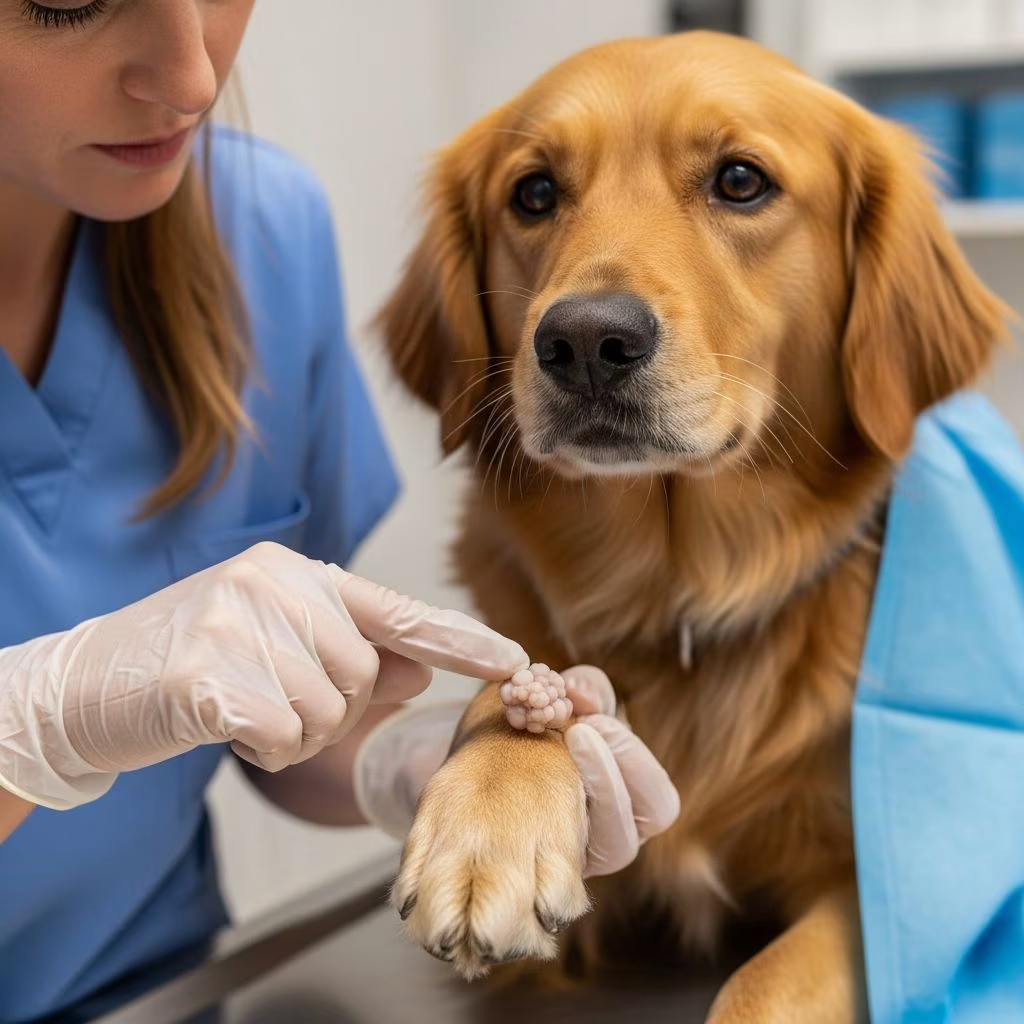
Dog warts, also known as canine viral papillomas, are common benign growths caused by the canine papillomavirus (CPV). These cauliflower-like lesions primarily affect young dogs, puppies, and those with compromised immune systems, appearing on the lips, muzzle, eyelids, mouth, or paws. While most warts resolve spontaneously within 1-2 months as the dog’s immune system develops immunity, persistent, infected, or problematic warts require veterinary intervention to prevent discomfort, secondary infections, or rare malignant transformation.
What Are Dog Warts?
Dog warts result from infection with one of over 24 identified strains of canine papillomavirus (CPV), a DNA virus that targets epithelial tissues. Unlike human papillomavirus, CPV is species-specific and cannot transmit to humans or other animals. The virus enters through breaks in the skin or mucous membranes, proliferating in keratinocytes to form hyperplastic growths with a characteristic rough, cauliflower-like surface.
Warts most commonly affect puppies and young dogs under 2 years due to immature immune systems, but older dogs on immunosuppressive drugs like cyclosporine are also susceptible. Lesions typically emerge 4-8 weeks post-exposure and regress once immunity develops, rendering the dog non-contagious to the same strain—though reinfection with different strains remains possible.
Types of Dog Warts
Dog warts are classified into four main types based on location, age predisposition, and clinical features:
- Canine Mucous Membrane Papillomatosis: Multiple warts on lips, muzzle, eyelids, or oral cavity. Common in young dogs; severe cases impair chewing or swallowing.
- Digital Papillomas: Occur on footpads and interdigital spaces. Painful, prone to infection, and higher risk of malignant conversion in chronic cases.
- Skin Warts: Solitary lesions on the body, more frequent in older dogs, particularly breeds like Cocker Spaniels and Kerry Blue Terriers.
- Skin Inverted Papilloma: Depressed lesions on the lower abdomen in young adults.
Regardless of type, warts appear as rounded, flesh-colored growths ranging from 1mm to several centimeters, often in clusters.
Symptoms of Dog Warts
Early warts present as small, raised bumps with a frond-like or cauliflower texture. They may be flesh-toned, pink, or pigmented, starting smooth before roughening. Common signs include:
- Clusters on muzzle, lips, gums, or tongue causing drooling, bad breath, or eating difficulties.
- Eye or eyelid involvement leading to irritation or vision issues.
- Paw warts causing limping, licking, or secondary bacterial infections.
- Bleeding, ulceration, or foul odor if traumatized.
Monitor for rapid growth, color changes, or persistence beyond 2-3 months, as these warrant veterinary evaluation to rule out malignancy.
Causes and Transmission of Dog Warts
CPV spreads via direct contact with infected dogs or contaminated fomites like bowls, toys, bedding, or grooming tools. The virus persists in environments for weeks, infecting dogs with skin abrasions or weakened immunity. Puppies in multi-dog households, kennels, or dog parks face higher risk. Incubation averages 1-2 months.
Breeds with skin folds or those on immunosuppressants are predisposed. Unlike bacterial infections, healthy intact skin resists entry.
Diagnosis of Dog Warts
Veterinarians often diagnose based on classic appearance in at-risk dogs—no tests needed for typical cases. Confirmation involves:
- Fine Needle Aspiration (FNA): Cells extracted via needle for cytological exam; quick, minimally invasive.
- Biopsy: Surgical excision for histopathology if FNA inconclusive or malignancy suspected; often therapeutic.
Prognosis is excellent for benign papillomas, with 90% spontaneous resolution.
Treatment Options for Dog Warts
Observation suffices for asymptomatic warts expected to regress in 1-2 months. Intervene if warts:
- Persist >2 months or grow.
- Cause pain, bleeding, infection, or functional impairment.
- Affect immunocompromised dogs.
Surgical and Procedural Treatments:
- Surgical Excision: Scalpel removal under sedation; ideal for few lesions. Costs $300-$1000.
- Cryotherapy: Liquid nitrogen freezing; outpatient, minimal scarring.
- Electrosurgery/Laser: Precise cautery for oral or paw warts, as in severe bulldog cases.
- Crushing: Blunt trauma to stimulate immunity; simple for small warts.
Medical Therapies (for Multiple Warts):
- Azithromycin: Oral antibiotic with immunomodulatory effects; effective in studies.
- Interferon: Boosts antiviral response; costly, variable efficacy.
- Imiquimod/Cimetidine: Topicals/orals enhancing immunity.
- Autogenous Vaccines: Injections from dog’s own wart tissue to trigger response.
| Treatment | Best For | Pros | Cons |
|---|---|---|---|
| Surgery | Single/large warts | Definitive, diagnostic | Anesthesia needed |
| Cryotherapy | Surface lesions | Quick, no sutures | Multiple sessions |
| Azithromycin | Multiple oral warts | Non-invasive | Off-label use |
Home Remedies and Natural Treatments
Avoid unproven remedies like apple cider vinegar, banana peels, or duct tape, as they risk irritation, infection, or delayed care. No high-quality evidence supports OTC topicals for CPV. Focus on supportive care: clean lesions gently, prevent trauma, and boost immunity via balanced diet, probiotics, and stress reduction. Consult vets before supplements.
When to See a Vet for Dog Warts
Seek immediate care if warts:
- Number >10, bleed, ulcerate, or smell.
- Impede eating, walking, or vision.
- Appear in adult/immunosuppressed dogs.
- Don’t shrink after 2 months.
Early intervention prevents complications like squamous cell carcinoma (rare, <1%).
Prevention of Dog Warts
No vaccine exists for all CPV strains, but strategies include:
- Isolate dogs with visible warts.
- Disinfect shared items with bleach (1:30 dilution).
- Avoid high-risk environments for puppies.
- Maintain skin integrity and overall health.
- Annual vet checks for early detection.
Recovered dogs gain strain-specific immunity but monitor for new types.
How Much Does Dog Wart Removal Cost?
Costs vary by method, location, and complexity:
- Consult/Exam: $50-$100
- FNA/Biopsy: $200-$500
- Simple Surgery: $300-$1000
- Extensive/Laser: $1000-$2500
- Medications: $50-$300/course
Pet insurance may cover if deemed medically necessary. Shop specialists for quotes.
Frequently Asked Questions (FAQs)
Are dog warts contagious to humans?
No, canine papillomavirus is species-specific and poses no risk to humans or cats.
Do dog warts go away on their own?
Yes, most resolve in 1-2 months via immunity; treat if persistent or problematic.
Can I pop my dog’s warts?
No—risks bleeding, infection, and virus spread. Seek professional removal.
What breeds are prone to warts?
All, but Cocker Spaniels, Kerry Blues, and puppies/immunosuppressed dogs higher risk.
Can warts turn cancerous in dogs?
Rarely; digital/oral warts persisting >3-5 months may transform—biopsy advised.
References
- Dog Wart Removal: Procedure, Coverage and Costs Explained — CareCredit Well-U. 2023. https://www.carecredit.com/well-u/pet-care/dog-wart-removal/
- All About Dog Warts: Types, Causes, and Treatments — PetMD. 2024-01-15. https://www.petmd.com/dog/conditions/all-about-dog-warts-types-causes-and-treatments
- Can Dogs Get Skin Tags? Causes and Treatments — Kinship. 2023. https://www.kinship.com/dog-health/can-dogs-get-skin-tags



