

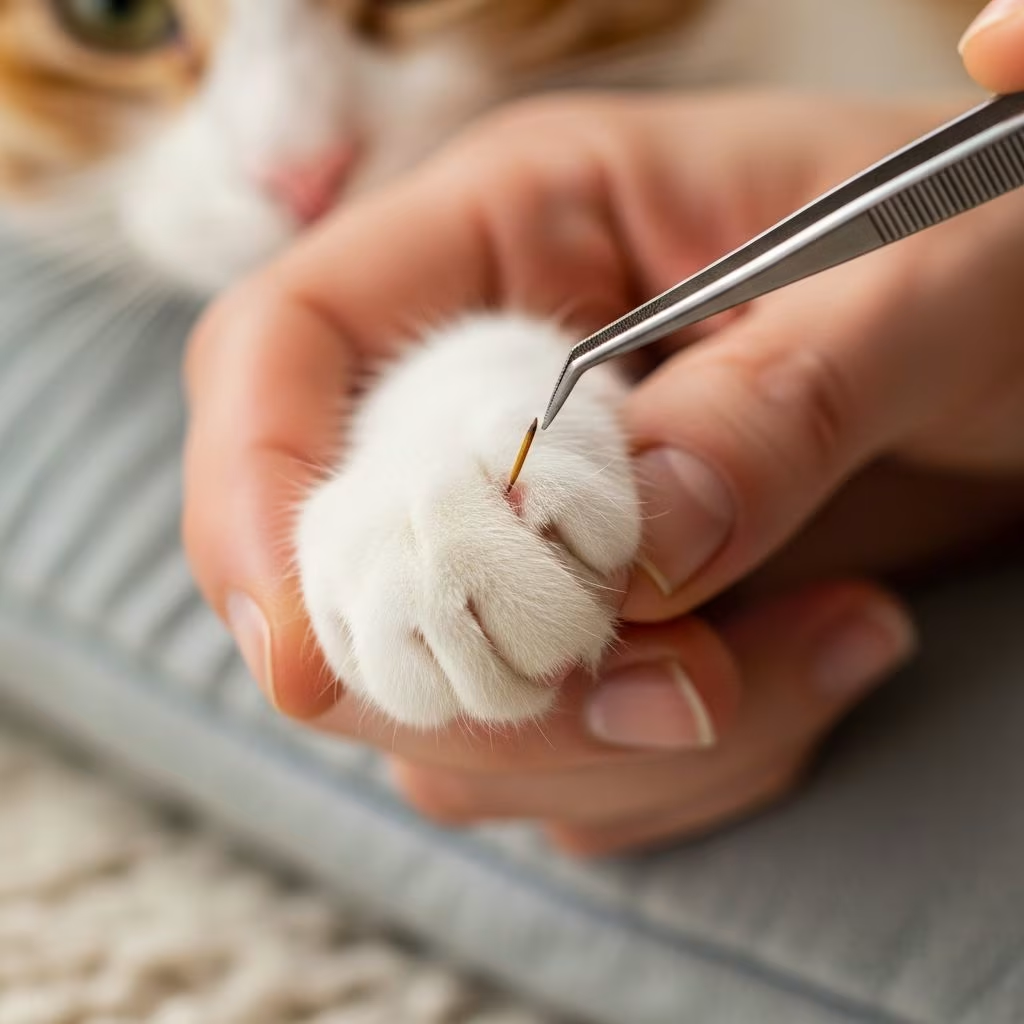
Bee stings are a common outdoor hazard for curious cats, causing pain, swelling, and sometimes severe allergic reactions. While most stings resolve with simple home care, knowing how to respond quickly can prevent complications and ensure your feline friend’s safety. This comprehensive guide covers symptoms, immediate first aid, when to call the vet, and prevention tips, drawing from veterinary expertise to help you act confidently.
Symptoms of a Bee Sting in Cats
Cats often react swiftly to bee stings, showing localized pain and inflammation within minutes. Common signs include swelling at the sting site, excessive licking or biting of the area, pawing or limping if stung on a limb, and vocalizing in distress such as yowling or meowing. If the sting is near the mouth or face, you may notice drooling or difficulty eating. Redness, warmth, and a small puncture wound often mark the spot, with a visible stinger in bee cases.
These mild reactions typically peak within 20 minutes and subside over 24-48 hours. However, monitor closely as cats are adept at hiding discomfort. Behavioral shifts like agitation, withdrawal, or compulsive grooming signal ongoing irritation.
Signs of an Allergic Reaction or Anaphylaxis
Not all stings are benign; some cats experience anaphylaxis, a life-threatening allergic response occurring within 30-60 minutes or even hours later. Seek emergency vet care immediately for severe symptoms including:
- Excessive swelling, especially around the face, throat, or mouth that could obstruct breathing
- Vomiting, diarrhea, or excessive drooling
- Difficulty breathing, wheezing, rapid panting, or pale gums
- Hives, weakness, collapse, disorientation, or seizures
- Irregular heartbeat, cold limbs, or low body temperature
Stings in sensitive areas like the mouth, multiple stings, or prior allergies heighten risk. Anaphylaxis demands rapid intervention to stabilize breathing, blood pressure, and prevent shock.
What to Do Immediately If Your Cat Is Stung
Stay calm—your composure helps your cat. Follow these steps promptly:
- Locate and remove the stinger: Bees leave barbed stingers that continue injecting venom; wasps do not. Use a credit card edge or fingernail to scrape it out gently—avoid pinching or tweezers, which squeeze more venom. If embedded deeply or in mouth/throat, rush to vet.
- Clean the area: Rinse with cool water to soothe and remove debris.
- Neutralize venom: Bee venom is acidic—apply a baking soda paste (mixed with water) for 10-15 minutes. For wasp’s alkaline venom, use vinegar.
- Reduce swelling: Apply a cold compress (ice pack wrapped in cloth/towel) for 10-15 minutes, testing temperature first to avoid frostbite. Repeat as needed.
- Monitor closely: Restrict activity, observe for 24 hours. Offer rest in a quiet space.
For mouth stings, avoid home remedies and contact vet immediately due to swelling risks. Never give human pain meds like ibuprofen—they’re toxic to cats.
Home Remedies and Aftercare
Support healing with safe, vet-approved options:
- Oatmeal bath: For multiple stings, soothe skin irritation with a lukewarm oatmeal bath.
- Chamomile lotion: Diluted, it calms inflammation.
- Antihistamines: Only per vet dosing, e.g., diphenhydramine (Benadryl)—confirm cat-safe formulation without additives.
Ensure fresh water and soft food intake. Symptoms should improve within 24 hours; persistent pain warrants a vet check.
When to See a Vet
Don’t hesitate—err on caution. Rush to emergency vet for anaphylaxis signs or if:
- Swelling worsens or spreads after 24 hours
- Your cat refuses food/water, limps severely, or shows distress
- Stinger can’t be removed or sting is in eye/mouth/throat
- Any systemic symptoms appear
Vet treatments for mild cases: antihistamines, steroids for inflammation. Severe: IV fluids, oxygen, airway support, hospitalization (2-3 days monitoring). Most cats recover fully with prompt care.
Prevention Tips for Bee Stings in Cats
Minimize risks during peak bee season (spring-summer):
- Supervise outdoor time; avoid flowers/beehives.
- Keep indoors during dawn/dusk when bees forage.
- Maintain yard: remove standing water, tall grass attracting insects.
- Train ‘leave it’ for curious paws.
- Stock pet first-aid kit: tweezers, Benadryl (vet-dosed), cold packs.
Indoor cats face fewer risks, but screens prevent intruders.
FAQs
Will my cat be OK after a bee sting?
Yes, most recover fully from single mild stings with home care within 48 hours. Allergic cats or multiple stings need vet attention but fare well if treated quickly.
How long does a bee sting last in cats?
Mild swelling/pain resolves in 24-48 hours. Monitor up to 72 hours for delayed reactions.
Can I give my cat Benadryl for a bee sting?
Only under vet guidance—typical dose 1mg/lb every 8-12 hours, using plain diphenhydramine.
What if my cat ate a bee?
Mouth/throat stings risk airway blockage. Watch for drooling, gagging, breathing issues—seek emergency care.
Do wasps sting cats differently than bees?
Wasps don’t leave stingers; their alkaline venom needs vinegar neutralization vs. baking soda for bees. Symptoms similar.
Key Differences: Bee vs. Wasp Stings
| Aspect | Bee Sting | Wasp Sting |
|---|---|---|
| Stinger | Barbed, often left behind | Smooth, usually retracts |
| Venom Type | Acidic (baking soda) | Alkaline (vinegar) |
| Reaction Time | Immediate swelling | Similar, potentially repeat stings |
| Treatment | Scrape stinger, neutralize | Clean, cold compress |
Both can cause anaphylaxis; prevention and monitoring apply equally.
References
- Bee and wasp stings in cats — Joii Pet Care. 2023. https://www.joiipetcare.com/blogs/health-conditions/bee-and-wasp-stings-in-cats
- What to Do if Your Cat is Stung by a Bee — Furkin Pet Insurance. 2023. https://www.furkin.com/blog/cat-bee-stings
- What To Do When Your Cat Is Stung by a Bee or Wasp — Chewy. 2023. https://www.chewy.com/education/cat/health-and-wellness/cat-stung-by-bee
- What to do if your dog or cat gets stung by a bee — Wisdom Panel. 2023. https://www.wisdompanel.com/en-us/blog/dog-or-cat-bee-sting
- Cat Stung by Bee or Wasp? What You Need to Know — Hill’s Pet. 2023. https://www.hillspet.com/cat-care/healthcare/cat-gets-stung-by-bee-wasp
- First Aid for Insect Stings in Cats — VCA Animal Hospitals. 2023. https://vcahospitals.com/know-your-pet/first-aid-for-insect-stings-in-cats
- Bee or wasp stings in cats — Cats Protection. 2023. https://www.cats.org.uk/cats-blog/bee-or-wasp-stings-in-cats



