

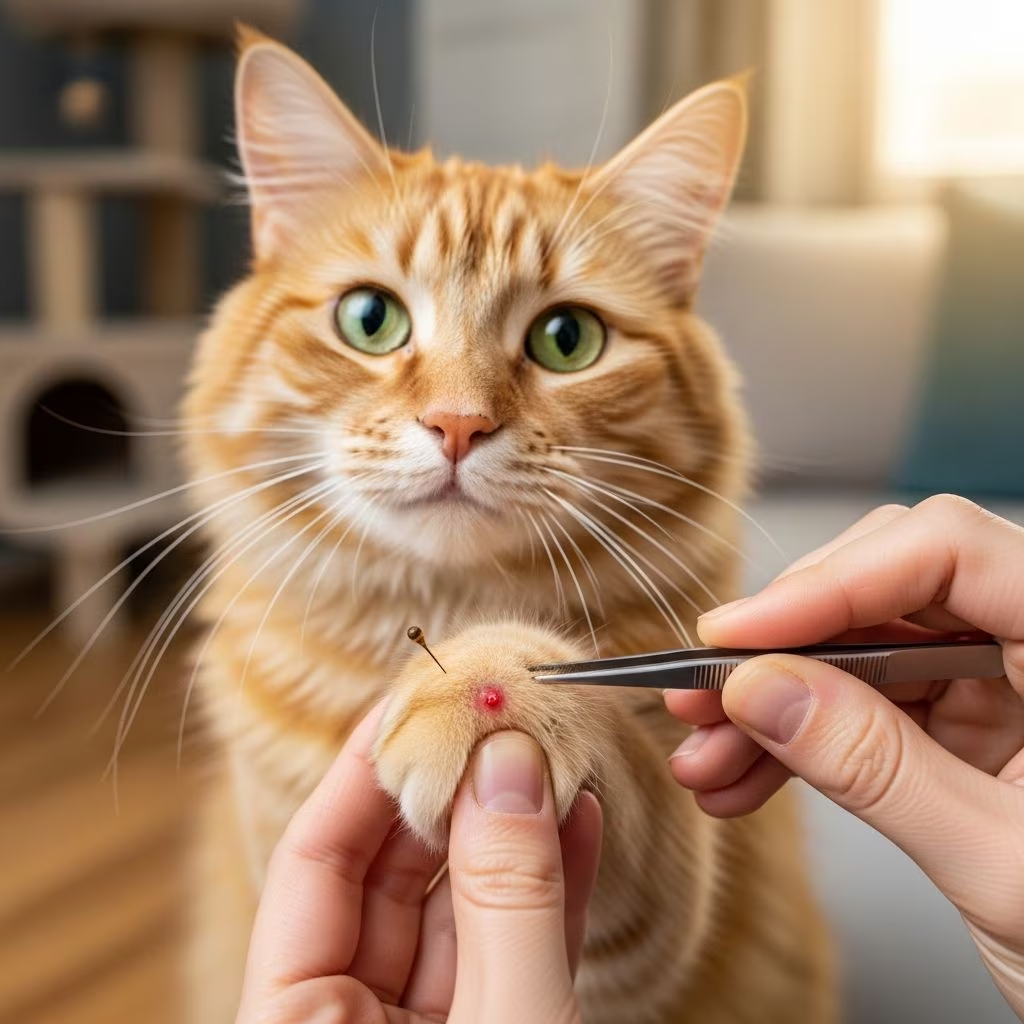
Seeing your cat suddenly yowl, paw frantically at their face, or limp after chasing a buzzing intruder in the yard can be alarming. Bee stings are common in curious felines, especially during warmer months when insects are active. While most cat bee stings cause only localized pain and swelling that resolves within 24-48 hours, some can trigger severe allergic reactions known as anaphylaxis, which is life-threatening and requires immediate veterinary intervention.
This comprehensive guide covers everything cat owners need to know: recognizing symptoms, safe first aid steps, home care tips, when to seek professional help, and prevention strategies. Acting quickly can prevent complications and ensure your cat recovers comfortably. Most mild reactions respond well to simple interventions like cold compresses and monitoring, but vigilance is key since anaphylactic symptoms can appear within minutes to hours post-sting.
Symptoms of a Bee Sting in Cats
Bee stings deliver venom that causes immediate inflammation. Cats often react dramatically due to their sensitivity, pawing at the site or vocalizing in distress. Common symptoms appear quickly, usually within minutes.
- Swelling and redness at the sting site, which can be pronounced on the face, paws, or mouth
- Pain indicators: Limping if stung on a leg, flinging the paw, or excessive licking/scratching/biting the area
- Vocal distress: Yowling, whining, meowing, or growling
- Behavioral changes: Agitation, restlessness, hiding, or lethargy
- Drooling or facial swelling, especially if stung near the mouth, potentially leading to difficulty eating
- Hives or itching across the body
Mild symptoms typically peak within 20 minutes and subside over 24 hours with proper care. However, watch for escalating signs indicating a more serious issue.
Signs of Anaphylaxis or Severe Reaction in Cats
Anaphylaxis is a rapid, systemic allergic response that can occur 10 minutes to several hours after the sting, more commonly with mouth stings or multiples. It affects breathing, circulation, and can lead to collapse or death without prompt treatment. Rush to an emergency vet if you observe:
- Breathing difficulties: Rapid/shallow breathing, wheezing, panting, or open-mouth breathing
- Severe swelling: Especially face/throat, obstructing airways
- Gastrointestinal upset: Vomiting, diarrhea
- Neurological signs: Disorientation, stumbling, weakness, collapse, seizures
- Circulatory issues: Pale gums, rapid/slow heartbeat, cold limbs, shock
- Excessive drooling or agitation from throat swelling
These symptoms demand immediate action; delay can be fatal. Even if initial signs seem mild, monitor for 24-48 hours as delayed reactions occur.
First Aid: What to Do if Your Cat Gets Stung by a Bee
Stay calm—your composure helps your cat. Follow these steps immediately upon suspecting a sting.
- Locate and isolate the stinger: Bees leave barbed stingers behind (wasps do not). Use a credit card edge or tweezers to gently scrape it out—never squeeze, as this releases more venom. If embedded deeply or your cat resists, seek vet removal.
- Clean the area: Rinse with cool water to remove venom residue.
- Neutralize the venom:
- Bee stings (acidic): Apply baking soda paste (mixed with water) for 10-15 minutes.
- Wasp stings (alkaline): Use diluted vinegar.
- Reduce swelling: Apply a cold compress (ice pack wrapped in towel/cloth) for 10-15 minutes, reapplying as needed. Test temperature on yourself first to avoid frostbite.
- Administer antihistamine if advised: Contact your vet for Benadryl (diphenhydramine) dosage—typically 1mg/lb, but confirm as some formulations are unsafe for cats. Avoid without guidance.
For multiple stings, an oatmeal bath can soothe widespread irritation. Keep your cat calm, confined to prevent further pawing, and monitor closely.
Home Treatment and Recovery Timeline
For mild stings without severe symptoms, home care suffices.
- Rest: Limit activity to aid healing; provide a quiet space.
- Continue compresses/paste every few hours.
- Monitor vitals: Check gums (pink, moist), breathing, and behavior hourly initially.
- Oatmeal bath for multiples: Colloidal oatmeal soothes skin.
Expect improvement in 24 hours; full resolution in 48. Chamomile lotion may calm irritation. If no progress or worsening, vet visit essential.
| Timeline | Expected Changes | Action if Not Met |
|---|---|---|
| 0-20 min | Initial pain, minor swelling | Apply first aid |
| 20 min-2 hrs | Peak swelling | Monitor for anaphylaxis |
| 24 hrs | Subsiding symptoms | Vet if persistent |
| 48 hrs | Full recovery | Professional eval |
Veterinary Treatment for Bee Stings in Cats
If symptoms persist >24 hours, are severe, or anaphylaxis suspected, seek vet care immediately. Treatments include:
- Medications: Antihistamines, steroids for inflammation, pain relief.
- For anaphylaxis: IV fluids, oxygen, epinephrine for stabilization; intubation if breathing compromised; 2-3 day hospitalization.
- Wound care: Stinger removal, cleaning, antibiotics if infected.
Prognosis excellent for mild cases; good with prompt anaphylaxis treatment.
Prevention Tips to Protect Your Cat from Bee Stings
Minimize risks proactively:
- Supervise outdoors: Especially in flowers/gardens.
- Avoid swatting: Teach gentle redirection.
- Yard maintenance: Remove nests, standing water.
- Indoor enrichment: Window perches for safe watching.
- First aid kit: Stock baking soda, Benadryl (vet-approved), compresses.
Kittens, seniors, or allergic cats need extra caution.
Frequently Asked Questions (FAQs)
Will my cat be okay after a bee sting?
Yes, most cats recover fully from single mild stings within 48 hours with home care. Severe reactions need vet intervention but have good outcomes if treated promptly.
How long do bee sting symptoms last in cats?
Mild swelling/pain: 24-48 hours. Anaphylaxis signs emerge in 10 min- hours.
Can I give my cat Benadryl for a bee sting?
Only under vet guidance—correct dose is crucial; some products toxic.
What if the sting is in my cat’s mouth or throat?
High anaphylaxis risk due to swelling; emergency vet immediately.
Do wasps sting cats differently than bees?
Wasps lack barbs, sting repeatedly; venom alkaline (use vinegar). Symptoms similar.
References
- Bee and wasp stings in cats — Joii Pet Care. 2023. https://www.joiipetcare.com/blogs/health-conditions/bee-and-wasp-stings-in-cats
- What to Do if Your Cat is Stung by a Bee — Furkin Pet Insurance. 2024. https://www.furkin.com/blog/cat-bee-stings
- What To Do When Your Cat Is Stung by a Bee or Wasp — Chewy. 2024. https://www.chewy.com/education/cat/health-and-wellness/cat-stung-by-bee
- What to do if your dog or cat gets stung by a bee — Wisdom Panel. 2023. https://www.wisdompanel.com/en-us/blog/dog-or-cat-bee-sting
- Cat Stung by Bee or Wasp? What You Need to Know — Hill’s Pet. 2024. https://www.hillspet.com/cat-care/healthcare/cat-gets-stung-by-bee-wasp
- First Aid for Insect Stings in Cats — VCA Animal Hospitals. 2023. https://vcahospitals.com/know-your-pet/first-aid-for-insect-stings-in-cats
- Bee or wasp stings in cats — Cats Protection. 2024. https://www.cats.org.uk/cats-blog/bee-or-wasp-stings-in-cats



