

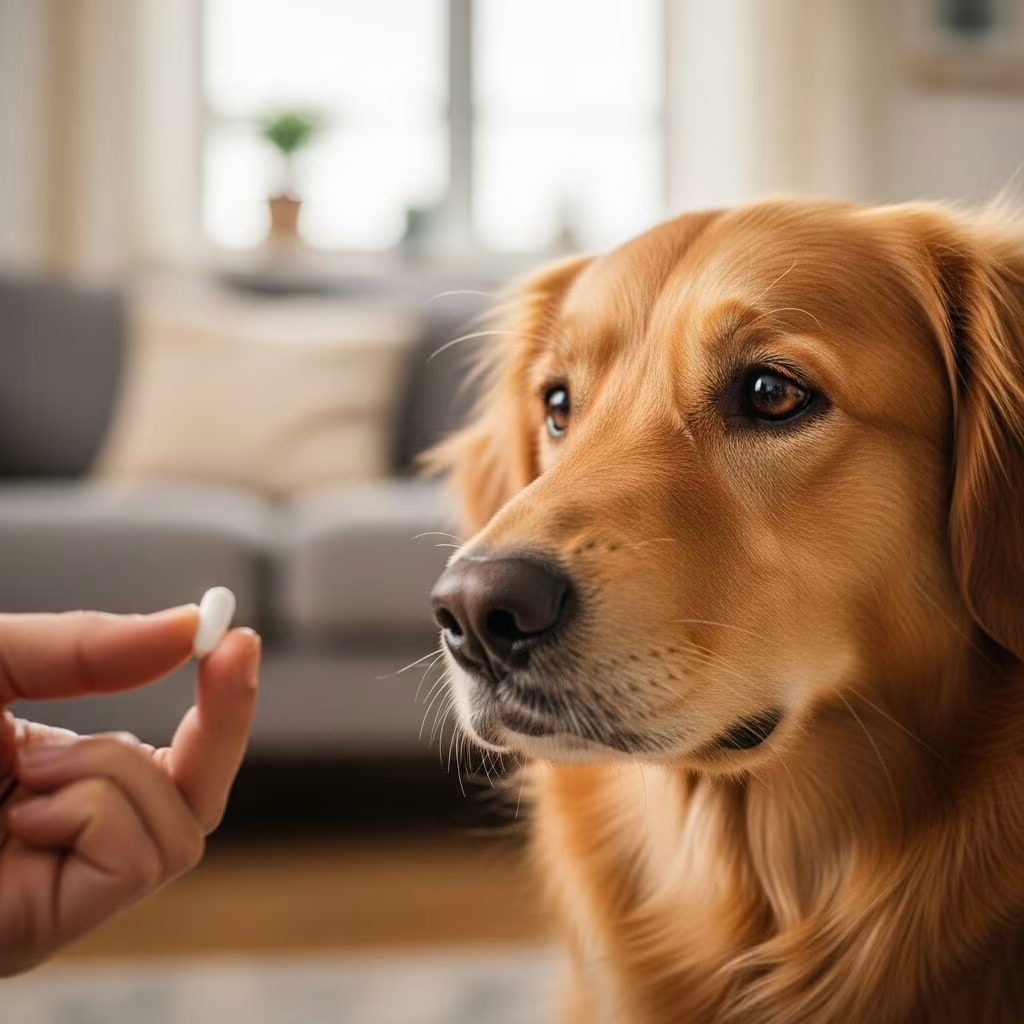
Anxiety disorders in dogs affect millions of pets worldwide, manifesting through destructive behaviors, excessive vocalization, and stress responses during routine situations. Trazodone has emerged as a valuable pharmaceutical option in veterinary medicine to help manage these anxiety-related conditions. Originally developed for human use in treating depression and anxiety disorders, this medication has been successfully adapted for canine patients, offering veterinarians a well-tolerated approach to behavioral modification and stress relief.
Understanding Trazodone: Mechanism and Classification
Trazodone belongs to a class of medications called serotonin antagonist and reuptake inhibitors (SARIs). Unlike traditional antidepressants that work through a single mechanism, trazodone operates on multiple neurochemical pathways. The medication functions as a serotonin 2A antagonist while simultaneously inhibiting serotonin reuptake, meaning it both blocks certain serotonin receptors and prevents the reabsorption of serotonin in the brain. This dual action creates a balanced neurochemical environment that promotes emotional stability and reduces anxiety responses in canine patients.
The medication has been utilized in veterinary medicine since the early 2000s, with pivotal research demonstrating its safety profile and therapeutic efficacy. Studies examining trazodone’s use in combination with behavioral modification therapy have shown promising results, establishing it as a reliable tool in treating various anxiety presentations in dogs.
Primary Applications of Trazodone in Canine Practice
Veterinarians prescribe trazodone for multiple anxiety-related conditions, each requiring different dosing strategies and treatment durations:
- Situational anxiety management: Dogs experiencing acute stress from specific events benefit from as-needed dosing administered before anticipated stressors
- Separation anxiety: Long-term daily administration helps dogs cope with owner absence and associated behavioral problems
- Environmental phobias: Thunderstorms, fireworks, and other noise-related triggers respond well to preventive trazodone therapy
- Post-surgical recovery: The medication’s calming effects promote healing by restricting movement in dogs recovering from orthopedic procedures
- Behavioral aggression: Anxiety-driven aggressive behaviors may improve when trazodone reduces underlying emotional reactivity
- Hospitalization anxiety: Veterinary facilities use trazodone to maintain calm behavior in hospitalized dogs requiring extended recovery
- Travel-related stress: Car rides, airplane travel, and visits to grooming facilities become less distressing with appropriate medication
Dosing Protocols and Administration Guidelines
Trazodone dosing in dogs varies considerably based on individual weight, health status, and treatment indication. The standard therapeutic range in veterinary medicine typically falls between 1.7 to 19.5 mg/kg daily, administered as immediate-release tablets rather than extended-release formulations. This broad dosing window reflects the significant variation in individual dog responses and the flexibility required for different clinical scenarios.
For situational anxiety where the dog faces a predictable stressor, veterinarians typically recommend administering trazodone 60 to 90 minutes before the anxiety-inducing event. This timing allows the medication to reach peak blood levels and maximum therapeutic effect during the stressful period. The drug’s onset of action occurs within 30 to 60 minutes in most dogs, making it practical for pre-event administration.
When trazodone is combined with other psychiatric medications such as tricyclic antidepressants or selective serotonin reuptake inhibitors (SSRIs), starting doses are typically reduced to 2 to 5 mg/kg daily, with careful titration to a maximum of 14 mg/kg daily to prevent adverse interactions. These combination therapies require closer monitoring and more conservative dosing due to additive serotonergic effects.
Trazodone can be administered with or without food, providing flexibility for pet owners. The medication’s duration of action typically extends 6 to 12 hours in dogs with normal liver and kidney function, though this duration may be substantially prolonged in animals with organ dysfunction.
Efficacy and Therapeutic Benefits
Research examining trazodone’s effectiveness in canine populations demonstrates significant therapeutic benefits when used appropriately. Studies tracking dogs prescribed trazodone alongside behavior modification therapy show measurable improvements in anxiety-related behavioral problems without excessive sedation at properly titrated doses.
The medication’s primary benefit centers on its ability to reduce anxiety and promote a calmer demeanor, ultimately improving quality of life for both dogs and their owners. For dogs with chronic anxiety conditions, consistent daily trazodone administration creates a stable emotional baseline that facilitates easier handling, reduces reactivity in multi-pet households, and decreases destructive or attention-seeking behaviors.
In post-surgical contexts, trazodone’s calming properties enable veterinarians to enforce activity restrictions essential for healing. Dogs receiving appropriate trazodone dosing demonstrate reduced excitement and movement, minimizing complications from premature exertion during recovery periods. This application is particularly valuable following orthopedic procedures requiring extended confinement.
Side Effects and Safety Considerations
While trazodone demonstrates a favorable safety profile in canine patients, pet owners should understand potential adverse effects to facilitate early detection and appropriate management. The most commonly reported side effects include sedation and lethargy, occurring in approximately 43% of dogs experiencing adverse effects from the medication. Additional behavioral side effects reported in clinical experiences include depression, somnolence, and subdued behavior at therapeutic doses.
Neurological side effects warrant monitoring, particularly ataxia (loss of coordination), reported in approximately 16% of dogs with adverse effects. This symptom typically manifests as wobbling, uncoordination, or difficulty maintaining balance, usually resolving with dose reduction. Gastrointestinal disturbances, particularly vomiting, have been documented in approximately 14% of dogs experiencing adverse effects.
One important consideration involves the masking of underlying medical issues. Because trazodone’s sedative effects reduce overall activity and responsiveness, pain or discomfort from unrelated conditions may become less apparent to observers. Pet owners should maintain careful monitoring of their dog’s behavior and physical condition when initiating trazodone therapy to ensure underlying medical problems are not inadvertently overlooked.
Serotonin syndrome represents a potentially serious though rare complication requiring immediate veterinary attention. This condition develops from excessive serotonin accumulation in the central nervous system, particularly when trazodone is combined with other serotonergic medications. Symptoms include agitation, rapid heart rate, elevated body temperature, muscle rigidity, and altered consciousness. Pet owners should seek emergency veterinary care if these signs develop.
Dogs with liver or kidney disease require modified dosing or careful monitoring due to reduced medication clearance, potentially leading to drug accumulation and increased side effect risk. Similarly, dogs with underlying heart conditions warrant additional caution before trazodone initiation.
Combining Trazodone with Other Medications
Trazodone frequently serves as part of a broader pharmaceutical approach to anxiety management in dogs. The medication works synergistically with gabapentin, an anti-seizure drug also utilized for anxiety and pain management in canines. Veterinarians commonly combine these medications following surgery, with the gabapentin providing additional pain relief and sedation while trazodone addresses anxiety-driven behavioral responses.
When combining medications, veterinarians must carefully consider cumulative effects and potential drug interactions. Adding trazodone to existing SSRI or tricyclic antidepressant therapy requires conservative dosing and increased monitoring to prevent excessive serotonergic stimulation. Close communication between pet owners and veterinarians becomes essential when managing multiple psychiatric medications simultaneously.
Frequently Asked Questions About Canine Trazodone
How quickly does trazodone work in dogs?
Trazodone typically begins taking effect within 1 to 3 hours of administration, with peak effects occurring around 90 minutes to 2 hours in most dogs. This onset timeline makes the medication suitable for pre-event dosing before anticipated anxiety-triggering situations.
How long does trazodone’s effect last?
The medication’s therapeutic effects typically persist for 6 to 12 hours in dogs with normal organ function. Dogs with liver or kidney compromise may experience prolonged duration due to slower drug metabolism and elimination.
Can trazodone be used long-term in dogs?
Yes, trazodone can be administered daily for extended periods in dogs with chronic anxiety conditions. However, daily therapy requires gradual dose titration to achieve desired behavioral effects while minimizing sedative side effects. Veterinarians typically establish an effective maintenance dose through careful observation and adjustment over several weeks.
Is trazodone safe for senior dogs?
Older dogs may tolerate trazodone well, but age-related changes in liver and kidney function can affect medication clearance. Senior dogs typically require more conservative dosing and closer monitoring. Veterinarians should evaluate overall health status before prescribing trazodone to geriatric patients.
What should I do if my dog overdoses on trazodone?
Trazodone overdose in dogs is managed through supportive and symptomatic care provided by veterinary professionals. Affected dogs may require IV fluid support, monitoring of vital signs, and management of specific symptoms. Contact your veterinarian or emergency veterinary facility immediately if overdose is suspected.
Alternative Approaches and Integrative Therapies
While trazodone offers significant benefits for many anxious dogs, alternative pharmaceutical and non-pharmaceutical approaches exist. Behavioral modification training represents the foundation of anxiety management, with or without medication support. Desensitization and counterconditioning protocols can substantially reduce anxiety responses over time when implemented consistently.
Environmental modifications, including creating safe spaces, reducing exposure to known triggers, and maintaining consistent routines, support anxiety reduction without pharmacological intervention. Some pet owners benefit from anxiety wraps, calming supplements containing ingredients like L-theanine or valerian root, and pheromone diffusers designed to promote relaxation.
Integrative medicine approaches including acupuncture, massage therapy, and dietary modifications may complement trazodone therapy or serve as alternatives for dogs with contraindications or who are unable to tolerate the medication. These approaches work best when combined with professional behavioral guidance and veterinary supervision.
Working with Your Veterinarian on Trazodone Therapy
Successful trazodone therapy requires close collaboration between pet owners and veterinary professionals. Before initiating treatment, discuss your dog’s complete medical history, current medications, and specific anxiety presentations with your veterinarian. Provide detailed information about your dog’s behavior patterns, trigger identification, and how anxiety affects daily activities and quality of life.
After beginning trazodone, maintain detailed observations of your dog’s behavioral changes, side effects, and response to dosing. Document any improvements or concerning symptoms to share with your veterinarian during follow-up visits. Most dogs require dose adjustments or timing modifications based on individual response, necessitating ongoing communication with your veterinary team.
Regular check-ins with your veterinarian allow for dose optimization and assessment of long-term therapy effectiveness. For dogs on daily trazodone, periodic bloodwork may be recommended to monitor liver and kidney function, particularly in older dogs or those with pre-existing organ concerns.
Conclusion: Making Informed Decisions About Canine Anxiety Treatment
Trazodone represents a valuable tool in modern veterinary medicine for managing anxiety-related disorders in dogs. Its favorable safety profile, established efficacy, and flexibility in dosing make it suitable for diverse anxiety presentations, from situational stress to chronic behavioral disorders. Understanding how trazodone works, recognizing its potential benefits and side effects, and maintaining open communication with veterinary professionals empowers pet owners to make informed decisions about their dog’s anxiety management.
Whether used as a standalone intervention or as part of a comprehensive anxiety management plan incorporating behavioral modification and environmental adjustments, trazodone can significantly improve quality of life for dogs struggling with anxiety while strengthening the bond between pets and their owners.
References
- Trazodone in Dogs: Benefits and Potential Risks — Today’s Veterinary Nurse. 2024. https://todaysveterinarynurse.com/toxicology/trazodone-in-veterinary-medicine/
- Trazodone for Dogs: Dosage, Uses, and Side Effects — GoodRx. 2024. https://www.goodrx.com/pet-health/dog/trazodone-for-dogs
- Trazodone for Dogs: What to Know — American Kennel Club. 2024. https://www.akc.org/expert-advice/health/trazodone-for-dogs/
- Trazodone for Dogs: A Guide for Pet Owners — MedVet. 2024. https://www.medvet.com/trazodone-for-dogs/
- Trazodone.pdf — Sirius Veterinary Orthopedic Center. https://siriusvet.com/storage/app/media/Trazodone.pdf
- Trazodone for Dogs & Cats: Dosage & Side Effects — VCA Animal Hospitals. 2024. https://vcahospitals.com/know-your-pet/trazodone



