

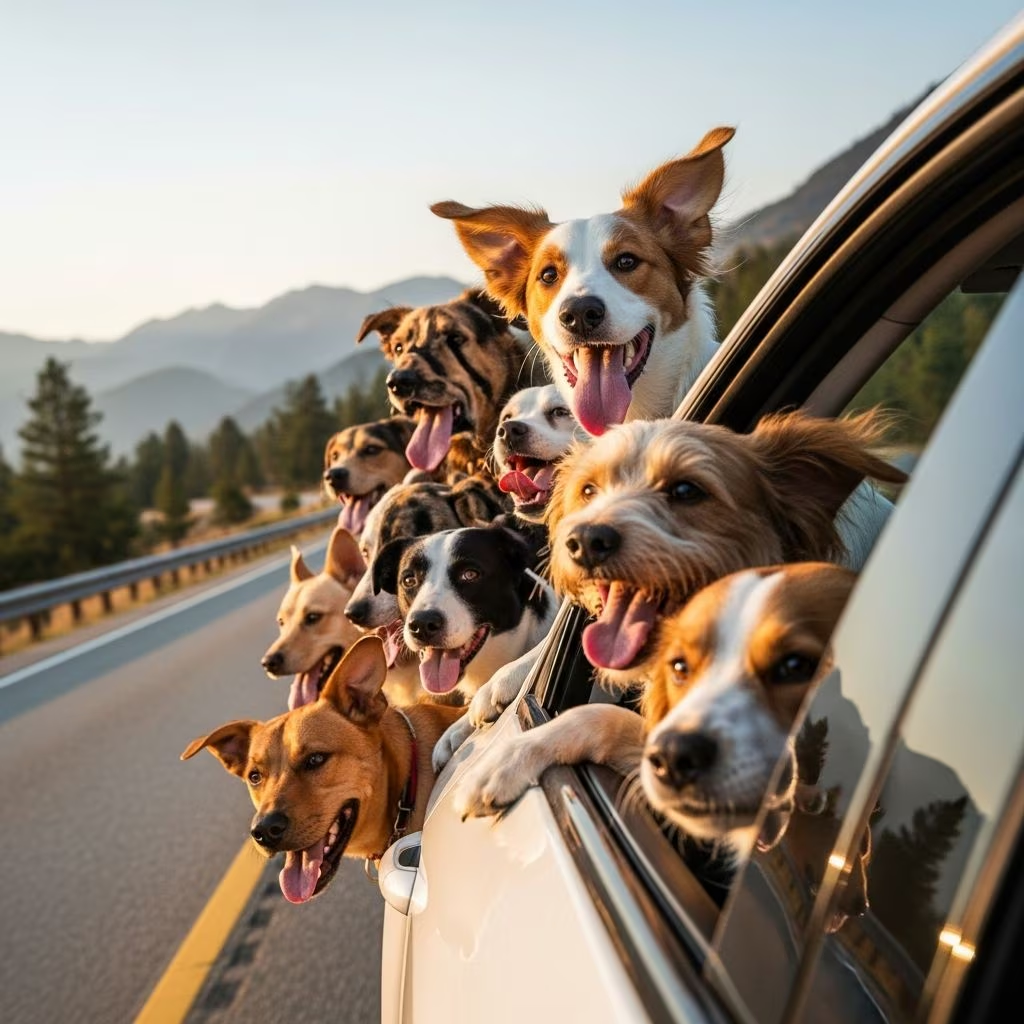
Traveling With Dogs: 11 Dogs Who Love Car Rides
Road trips with your furry best friend can be one of life’s greatest adventures. While some dogs experience anxiety or motion sickness during car rides, others absolutely thrive on the open road. Whether you’re planning a weekend getaway or a cross-country adventure, understanding which dog breeds are naturally suited for travel can help you choose the perfect companion for your journeys. In this comprehensive guide, we’ll explore 11 dog breeds that genuinely love car rides and provide practical tips to ensure safe, comfortable travel for your canine companion.
Why Some Dogs Love Car Rides
Not all dogs view car travel the same way. Some breeds have been developed for active outdoor work, while others possess naturally curious and adventurous temperaments. Dogs that love car rides typically share certain characteristics: they’re adaptable, curious about new environments, and possess the physical and mental resilience to handle the stimulation of travel. Understanding your dog’s breed tendencies can help you prepare them for successful road trips and create positive associations with vehicle travel.
11 Dog Breeds That Love Car Rides
1. Golden Retrievers
Golden Retrievers are among the most travel-friendly dogs you’ll encounter. Their laid-back temperament, combined with their love of adventure and new experiences, makes them ideal road trip companions. These intelligent and adaptable dogs enjoy exploring new environments and are generally comfortable with the sensations of car travel. Golden Retrievers’ calm demeanor means they’re unlikely to become anxious or overly excited during long drives, making them perfect for extended road trips.
2. Labrador Retrievers
Labrador Retrievers share many characteristics with their Golden cousins, making them excellent candidates for car travel. Labs are energetic, curious, and naturally adventurous dogs that thrive on new experiences. Their even temperament and intelligence make them easy to train for car safety protocols. Whether it’s a day trip to the beach or a week-long vacation, Labradors typically embrace car travel with enthusiasm and rarely experience motion sickness.
3. Beagles
Despite their small size, Beagles possess an adventurous spirit that drives them to explore new territories. Originally bred as scent hounds, Beagles are naturally curious and driven by the desire to investigate new smells and environments. This innate curiosity translates well to car travel, as they’re genuinely interested in new destinations. Their compact size also makes them convenient for various vehicle configurations and travel accommodations.
4. Australian Shepherds
Australian Shepherds are highly intelligent working dogs bred for herding livestock across varied terrain. This heritage makes them naturally suited for travel and outdoor adventures. These active dogs need regular mental and physical stimulation, making road trips to new locations ideal for their psychological well-being. Australian Shepherds are adaptable, trainable, and typically handle car rides with ease and enthusiasm.
5. Border Collies
As one of the most intelligent dog breeds, Border Collies approach car travel as a novel experience to understand and navigate. These highly trainable dogs quickly learn car safety procedures and tend to view travel as an exciting mental challenge. Border Collies’ problem-solving abilities and adaptability make them excellent candidates for road trips, provided they receive adequate mental stimulation at your destinations.
6. Vizslas
Vizslas are elegant, high-energy dogs with an intense bond to their owners. Often called “velcro dogs,” Vizslas are happiest when they’re with their human companions, regardless of location. This trait makes them natural road trip enthusiasts, as they view car travel as quality time with their beloved owners. Their sleek build and athletic nature make them adaptable to various travel situations.
7. Weimaraners
Weimaraners are powerful, athletic dogs originally bred for hunting. Their high energy levels and love of outdoor adventure make them perfect companions for active travelers. These dogs thrive on new experiences and environmental stimulation, making road trips to natural landscapes particularly appealing. Weimaraners are generally hardy travelers who handle car rides confidently.
8. Portuguese Water Dogs
Portuguese Water Dogs are intelligent, energetic swimmers bred for working alongside fishermen. Their adventurous nature and love of water activities make them ideal for road trips to lakes, beaches, and water-based destinations. These dogs are highly trainable and possess the adaptability necessary for comfortable car travel. Their enthusiasm for new experiences translates well to vehicle journeys.
9. Rhodesian Ridgebacks
Rhodesian Ridgebacks are confident, independent dogs bred for hunting in African terrain. Despite their large size and strong personality, these dogs are surprisingly adaptable to travel. Their calm demeanor and preference for their owner’s company make them reliable road trip companions. Ridgebacks typically handle extended car rides without developing anxiety or motion sickness.
10. Brittany Spaniels
Brittany Spaniels are energetic sporting dogs with excellent temperaments and strong people-pleasing instincts. Originally bred as hunting companions, these dogs possess the physical stamina and mental flexibility for road travel. Their medium size and cooperative nature make them convenient and enjoyable travel partners. Brittanys are generally comfortable with car rides and eager to explore new hunting grounds.
11. Jack Russell Terriers
Despite their small size, Jack Russell Terriers possess enormous personalities and adventurous spirits. These clever, energetic dogs are incredibly adaptable and often view car travel as another opportunity for excitement and stimulation. Their compact size makes them convenient for vehicle travel, and their intelligence allows them to quickly learn car safety protocols and travel routines.
Essential Safety Tips for Car Travel With Dogs
Proper Restraint and Equipment
One of the most critical aspects of safe dog car travel is proper restraint. Your dog should never roam freely in your vehicle, as this creates safety hazards for both your pet and yourself as a driver. The safest options include carriers that are secured to the vehicle with seatbelts, specifically designed dog car harnesses, or rear seat hammocks that prevent your dog from moving between the front and back seats. Ensure any carrier is large enough for your dog to stand, turn around, and lie down comfortably. Never allow your dog to ride in the front seat, as airbags can cause serious injury or death in accidents.
Pre-Trip Preparation
Before embarking on a long road trip, take several short practice trips with your dog to acclimate them to car travel. Start with brief rides to positive destinations like the dog park or pet store, which help create favorable associations with vehicle travel. Gradually increase trip duration to build your dog’s comfort level. During these practice runs, ensure your dog is properly restrained in their chosen safety equipment, allowing them time to adjust to the feel and confinement.
Feeding and Hydration
Feed your dog a light meal three to four hours before departure to minimize the risk of car sickness. During the trip, never feed your dog while the vehicle is moving, as this increases choking risk and motion sickness. Stop frequently to allow your dog to eat small meals and access fresh water. Keep your dog hydrated throughout the journey, but monitor intake to reduce frequent bathroom breaks.
Frequent Rest Breaks
Plan to stop every two to three hours during extended drives. These breaks serve multiple purposes: they allow your dog to relieve themselves, stretch their legs, burn off energy, and prevent muscle stiffness. Use these stops as opportunities for play, engagement, and exercise to keep your dog mentally stimulated and physically comfortable. Research your route in advance to identify pet-friendly rest stops with designated dog areas.
Temperature Control
Never leave your dog unattended in a parked vehicle, even with the windows cracked open. Car interiors can reach dangerous temperatures rapidly, creating a life-threatening situation for your pet. During travel, maintain comfortable cabin temperatures and provide adequate ventilation. Ensure your dog has access to shade and never allow them to ride with their head out the window, as flying debris can cause serious injury.
Packing Essentials for Dog Road Trips
Proper preparation ensures your dog’s comfort and safety throughout your journey. Here are critical items to pack:
Health and Safety Items
Keep updated dog tags and vaccination records readily accessible. Pack a pet-specific first aid kit containing bandages, antiseptic ointment, medications your dog regularly takes, and any prescription items recommended by your veterinarian. Include copies of your dog’s medical records in case of emergency access to veterinary care during your trip. Consider carrying a recent photo of your dog in case they become lost during your journey.
Comfort and Convenience Items
Bring a comfortable dog bed, blanket, or yoga mat to create a cozy designated space within your vehicle. Pack a spare collar and leash, as losing these items can create dangerous situations. Include quick-dry towels for cleaning your dog if they get wet or dirty during stops. Consider seat covers to protect your vehicle’s upholstery and a portable car vacuum for easy cleanup. If your dog tends to get muddy, carry a short hose attachment for rinsing at water hookups.
Entertainment and Training Supplies
Bring favorite toys, chews, and treats to keep your dog mentally stimulated during travel. Pack training treats to reward positive behaviors, such as remaining calm in the car, waiting patiently during stops, and jumping in and out of the vehicle on command. Mental stimulation through treats and toys helps prevent anxiety and problematic behaviors during extended drives.
Training Your Dog for Car Travel Success
Positive Association Building
Start by rewarding your dog for simply getting into the vehicle. Provide high-value treats when your dog climbs into the car without coercion, establishing a positive connection with the vehicle itself. Gradually increase the complexity of behaviors you reward: reward bathroom breaks at rest stops, quiet behavior while traveling, and appropriate re-entry into the vehicle after stops.
Crate or Harness Training
If using a carrier, employ crate-training principles by leaving the door open initially, allowing your dog to explore and enter at their own pace. Reward each entry with treats or toys, and consider feeding regular meals inside the carrier to build positive associations. Once your dog willingly enters, gradually increase the duration the door remains closed, starting with just a few minutes and building up over time. If using a safety harness, practice wearing it around the house for short periods initially, gradually increasing duration as your dog becomes comfortable with the sensation.
Managing Common Car Travel Challenges
Motion Sickness and Anxiety
Some dogs experience motion sickness or anxiety during car rides despite breed tendencies. If your dog shows signs of distress, consult with your veterinarian about potential behavioral training techniques or medication options. Start with very short trips and gradually work up to longer distances. Never force your dog into vehicles if they show extreme anxiety, as this can reinforce negative associations.
Preventing Escape Attempts
Use harnesses with short attachment leads that secure your dog to the seat, preventing sudden bolting when doors open. Train your dog to wait for permission before exiting the vehicle, teaching them to remain calm even when excited about arriving at a destination. This training protects your dog from darting into traffic or getting lost in unfamiliar areas.
Solo Travel Solutions
If traveling alone with your dog, plan for meal breaks carefully. You cannot safely leave your dog unattended in a parked vehicle. Consider purchasing meals at drive-through establishments or pack your meals to consume in the car while your dog remains safely secured. Alternatively, coordinate travel timing to minimize eating needs or arrange rest stops at pet-friendly establishments that allow dogs in dining areas.
Pre-Trip Veterinary Consultation
Before undertaking a significant road trip, consult with your veterinarian to ensure your dog is physically healthy enough for extended travel. Discuss any breed-specific health concerns, and review your dog’s current medications and vaccination status. Your vet can provide advice about motion sickness prevention, recommend appropriate first aid supplies, and identify any health conditions that might complicate travel planning.
Choosing Pet-Friendly Destinations
When planning your route, research pet-friendly accommodations, restaurants, and attractions. Most major rest stops include designated dog areas where your pet can safely relieve themselves, stretch, and play. Many hotels, vacation rentals, and restaurants now cater to traveling dogs, making multi-day trips more convenient and enjoyable. Planning around pet-friendly amenities ensures your entire trip is stress-free for both you and your canine companion.
Frequently Asked Questions
Q: At what age can puppies safely travel in cars?
A: Puppies can begin short car trips as early as 8-12 weeks old, provided they’re properly restrained and vaccinated. Start with very brief trips and gradually increase duration as they grow and adjust to vehicle travel. Always consult your veterinarian before traveling with young puppies.
Q: How can I tell if my dog gets motion sickness?
A: Signs of car sickness include excessive drooling, whining, vomiting, loss of appetite, or unusual lethargy during or after car rides. Consult your veterinarian if your dog displays these symptoms, as medication or behavioral training might help.
Q: Is it safe to leave my dog in the car during rest stops?
A: Never leave your dog unattended in a parked vehicle, as cars heat up rapidly to dangerous temperatures. Always take your dog with you on stops or arrange for another person to supervise them while you’re away.
Q: What should I do if my dog escapes during travel?
A: Prevent escape attempts through proper restraint and training. If your dog does escape, immediately contact local animal shelters and post on lost pet networks. Proper identification tags and microchipping increase recovery chances significantly.
Q: How often should I stop during long road trips?
A: Plan rest stops every two to three hours during extended drives. These breaks allow your dog to relieve themselves, exercise, hydrate, and rest, making the trip more comfortable for everyone.
References
- How to Travel with Your Dog: Car Travel with Pets: 10 Tips for Safety and Security — WebMD. https://www.webmd.com/pets/dogs/how-to-travel-with-your-dog
- How To Road Trip With Your Dog: 15 Practical Tips — Bearfoot Theory. https://bearfoottheory.com/dog-road-trip-tips/
- Essential Road-Trip Safety Tips for Traveling With Your Dog — American Kennel Club (AKC). https://www.akc.org/expert-advice/health/dog-road-trip-safety/
- 11 Tips for Planning a Road Trip With a Dog — Chewy. https://www.chewy.com/education/dog/general/road-trips-with-a-dog
- How to Travel With a Dog on a Road Trip — Professional Dog Training Resources. https://www.youtube.com/watch?v=3s6zOMq864Q



