

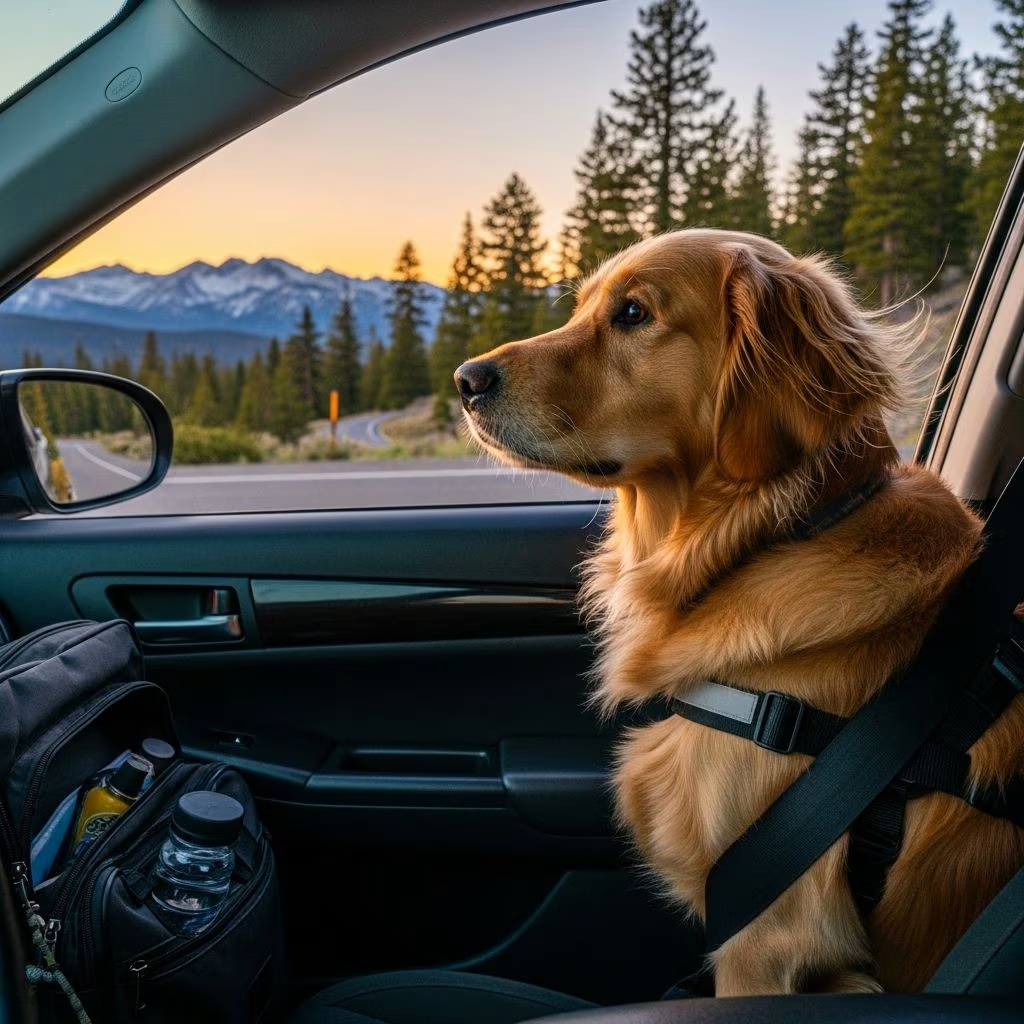
Bringing your dog along on vacations transforms trips into shared adventures, but success hinges on thoughtful preparation. Pet-friendly hotels offer welcoming spaces where canine companions thrive, provided owners prioritize facility quality, personal packing, and pet acclimation strategies.
Finding the Perfect Pet-Welcoming Accommodation
Locating suitable lodging starts with targeted research using platforms that filter for animal-inclusive options. Resources like BringFido highlight establishments across hotels, eateries, and attractions, streamlining the search process. Reputable chains such as Kimpton Hotels and Virgin Hotels stand out for their accommodating policies, often waiving size limits and minimizing extra charges.
Direct communication with properties reveals critical details: inquire about breed restrictions, weight caps, and per-pet fees, which can range from modest daily surcharges to none at all. Facilities like Coast Canmore Hotel provide perks including complimentary beds, bowls, and treats upon arrival, enhancing the stay for both owner and pet.
Evaluating Facility Standards for Canine Comfort
Superior pet hotels prioritize spacious interiors to curb stress and promote natural movement. Adequate sizing prevents overcrowding, aligning with ASPCA recommendations that emphasize roomy environments to alleviate separation anxiety. Outdoor zones with secure fencing enable safe exercise, vital for physical vitality and psychological balance as per American Kennel Club insights on obesity prevention.
Capacity management ensures individualized attention; facilities limiting dogs per area foster calmer interactions. Isolation protocols for unwell animals safeguard herd health, a hallmark of responsible operations featuring dedicated recovery spaces.
Assessing Staff Expertise and Safety Protocols
Trained personnel versed in breed-specific behaviors and body language cues form the backbone of quality care. Certified handlers adept at medication administration, feeding routines, and behavioral management elevate the experience beyond basics. Surveillance via cameras bolsters security, while rigorous maintenance eliminates hazards like faulty equipment.
Policies on vaccinations, feeding schedules, and pest prevention underscore commitment to welfare. Flexible drop-off times and daily outing frequencies accommodate varied needs, with positive guest testimonials serving as reliable endorsements.
Comprehensive Packing Guide for Dog Vacations
A well-curated travel kit mitigates disruptions, maintaining familiarity amid new surroundings. Core items span identification, nutrition, hygiene, and comfort, tailored to journey duration and climate.
| Category | Essentials | Purpose |
|---|---|---|
| Identification & Safety | Collar/harness with ID tags, leash, microchip info, recent photo | Quick recovery if separated; legal compliance in public areas |
| Nutrition & Hydration | Food supply, collapsible bowls, slop mat, can opener (if needed) | Dietary consistency; mess-free meals |
| Hygiene & Cleanup | Poop bags, grooming wipes, shampoo, towels, stain remover | Respectful shared spaces; impromptu cleanups |
| Comfort & Entertainment | Bed/blanket, toys, crate/pad, white noise device | Familiar scents reduce anxiety; mental stimulation |
| Health & Weather | Medications, first aid kit, cooling vest/jacket, bug repellent bandana | Address medical needs; adapt to conditions |
Hotels may supply beds or bowls, allowing lighter packing, but personal favorites ensure solace for anxious travelers. Microfiber towels handle drying, while protective sheets shield furnishings from shedding.
Health Preparations Before Departure
Veterinary clearance confirms fitness for travel, including updated vaccines and parasite preventives. Microchipping with current registration bolsters identification. Trial runs with crates or car rides desensitize pets to motion, minimizing en-route distress.
Pack ample medications with instructions, plus ear cleaners and wipes for maintenance. For extended stays, verify boarding-adjacent services like grooming or training sessions to sustain routines.
Arrival and Settling-In Strategies
Upon check-in, tour premises to note play areas, relief spots, and staff routines. Introduce environments gradually, starting with leashed explorations to gauge reactions. Maintain feeding and walk timings to stabilize biorhythms.
Perks like on-site dog parks at Home2 Suites by Hilton Plano Richardson or local vet referrals from Homewood Suites exemplify supportive amenities. Sheets protect upholstery, and familiar toys distract from novelty.
Daily Routines and Enrichment During Stays
Structured days blend rest, activity, and socialization. Morning walks leverage nearby off-leash zones, followed by supervised playgroups for outgoing pups. Quiet afternoons suit nappers, with evening potty breaks bookending meals.
- Monitor for stress signals: pacing, whining, or appetite loss prompts adjustments.
- Leverage hotel grooming for post-adventure refreshes.
- Incorporate training treats for positive reinforcement amid group interactions.
Exploring Local Attractions with Your Pet
Pet-inclusive destinations amplify joy; pre-plan hikes, parks, and patios. Canadian Rockies bases like Coast Canmore offer trail access and daycare options. Always carry waste bags and water, respecting no-pet zones.
Bandana treatments deter insects, while cooling gear suits warm treks. Advance bookings secure spots at popular venues.
Frequently Asked Questions
Do all pet-friendly hotels charge fees?
Many impose daily pet fees from $25 upward, but chains like Kimpton often waive them; confirm policies directly.
What if my dog needs medication?
Reputable spots handle administration; provide labeled supplies and vet notes.
Are there breed restrictions?
Some limit certain breeds or sizes; inquire pre-booking to avoid surprises.
How to handle anxious dogs in new places?
Use familiar bedding, pheromone diffusers, and gradual exposure; consult vets for aids.
Can I leave my dog alone in the room?
Check house rules; many require attendance or offer daycare alternatives.
Potential Challenges and Solutions
Overcrowding stresses shy dogs—opt for low-ratio facilities. Noise disrupts sleep; white noise apps help. Picky eaters benefit from home food shipments. Emergency contacts include 24-hour vets shared by proactive hotels.
Post-trip debriefs refine future plans, noting what soothed or unsettled your pet.
References
- Pet Travel Checklist — Pet Friendly Travel Guide. Accessed 2026. https://www.petfriendly.ca/checklist.php
- Dog Travel Checklist — Sundays for Dogs. Accessed 2026. https://sundaysfordogs.com/blog/dog-travel-checklist
- Packing Checklist for Traveling with a Pet — Hilton Stories. Accessed 2026. https://stories.hilton.com/pets/travel-with-pets-packing-checklist
- Dog Packing Checklist for Travel to the Rockies — Coast Hotels. Accessed 2026. https://www.coasthotels.com/coast-canmore-hotel-and-conference-centre/local-experiences/dog-packing-checklist-for-travel-to-the-rockies
- A Comprehensive Checklist to Choose Right Dog Hotel for Your Pet — Very Important Paws. Accessed 2026. https://www.veryimportantpaws.com/choosing-right-dog-hotel-checklist/



