

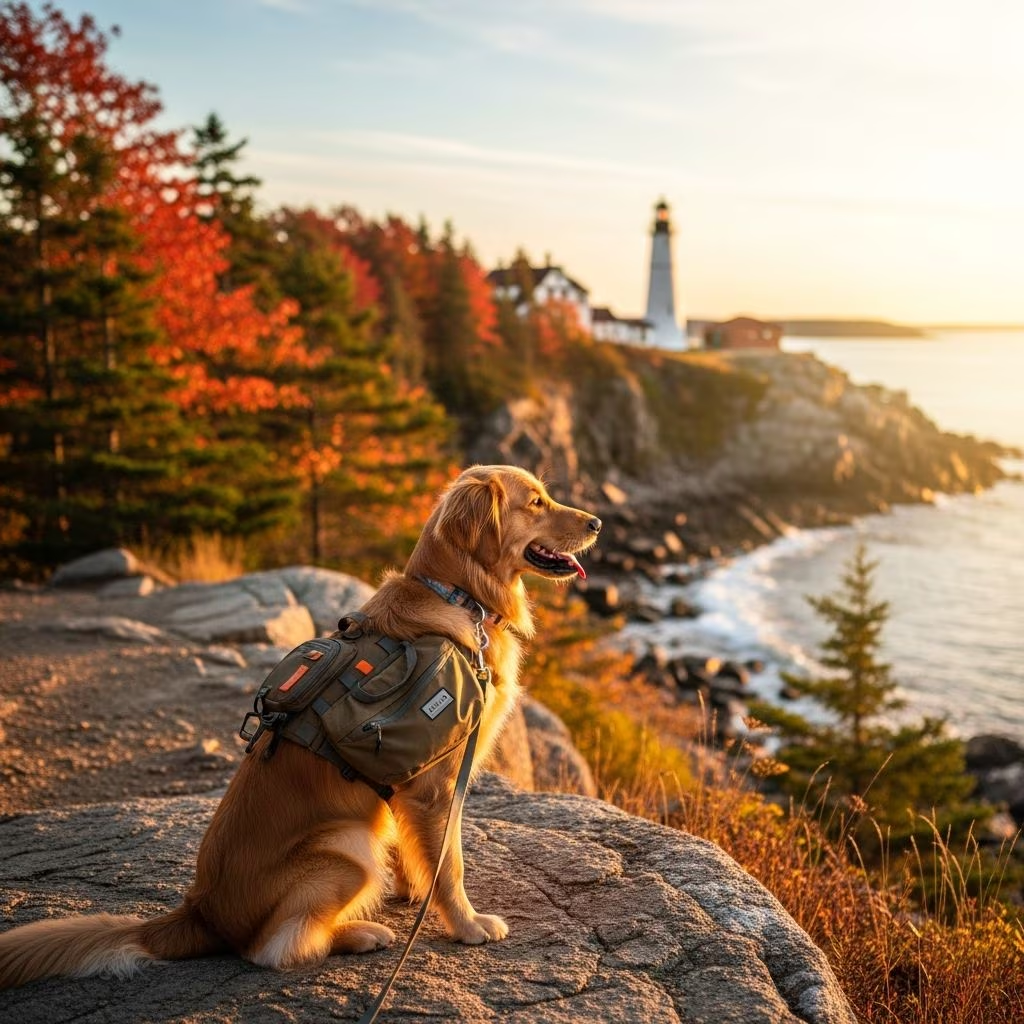
Dog Travel Tips: Knox Bear’s New England Adventure Guide
Traveling with your dog can be one of the most rewarding experiences of pet parenthood, but it requires careful planning and preparation. Whether you’re embarking on a weekend getaway to nearby destinations or planning an extended vacation across multiple states, understanding how to properly travel with your canine companion makes all the difference. This guide draws inspiration from real-world dog travel experiences, including the adventures of pets like Knox Bear, who has become an ambassador for stress-free dog travel in the New England region and beyond.
Understanding Dog Travel Challenges
Many first-time dog travelers underestimate the complexities involved in taking their pets on journeys. Dogs thrive on routine and familiarity, and sudden changes in their environment, schedule, and surroundings can create significant stress. Long car rides, bustling airports, and unfamiliar hotel rooms can disorient even the most well-behaved dogs. Understanding these challenges before you begin your journey allows you to implement strategies that keep your dog safe, comfortable, and happy throughout the entire travel experience.
The key to successful dog travel lies in preparation. From researching pet-friendly routes to packing essential supplies, every detail contributes to a smoother journey. Learning from the experiences of other dog parents who have navigated these challenges successfully provides valuable insights that can help you avoid common mistakes.
Pre-Travel Preparation Strategies
Before embarking on any trip with your dog, invest time in thorough preparation. This foundation ensures that both you and your pet are ready for the adventure ahead.
Assess Your Dog’s Travel Readiness
Not all dogs have the same tolerance for travel. If your dog hasn’t experienced much car time or unfamiliar environments, gradual acclimation is essential. Start with short practice trips around your neighborhood or to a nearby park. These shorter journeys help your dog become comfortable with the car environment and build positive associations with travel. End these practice trips at rewarding destinations like dog parks or favorite stores to reinforce that car rides lead to fun experiences.
Visit Your Veterinarian
Schedule a pre-travel veterinary appointment to ensure your dog is in optimal health for traveling. Discuss any specific concerns related to motion sickness, anxiety, or behavioral issues that might arise during travel. Your veterinarian can provide recommendations for managing these issues and may suggest calming supplements or medications if necessary. Additionally, ensure your dog’s vaccinations are current and obtain health certificates if you’re traveling across state lines or internationally.
Update Identification and Documentation
Before traveling, ensure your dog has proper identification. Update microchip information, attach an ID tag with your contact information, and consider having a recent photo of your dog available in case they become lost. Carry copies of vaccination records, medical history, and any necessary health certificates. These documents are essential for hotel check-ins, air travel, and in emergency situations.
Planning Your Route and Stops
Strategic route planning is crucial for comfortable dog travel, particularly on longer journeys.
Identify Pet-Friendly Rest Stops
Research your route in advance to locate pet-friendly rest stops where your dog can safely relieve themselves and stretch their legs. Most major rest stops throughout the country have designated dog areas. Plan your travel itinerary around these stops, aiming to provide breaks every 2-3 hours. This frequent stopping schedule accommodates your dog’s bathroom needs while preventing restlessness and anxiety.
Find Dog-Friendly Accommodations
Whether you’re staying overnight during a road trip or planning a multi-day vacation, finding dog-friendly hotels and accommodations is essential. Research properties in advance to understand their pet policies, additional fees, and available amenities for dogs. Many hotels now offer pet-friendly rooms with special bedding, food bowls, and designated relief areas.
Locate Emergency Veterinary Services
Before departing, identify emergency veterinary clinics along your route and at your destination. Having this information readily available provides peace of mind and ensures quick access to medical care if needed during your travels.
Essential Packing Checklist for Dog Travel
Packing the right items makes a significant difference in your dog’s travel experience. Create a dedicated dog travel bag that you can maintain and replenish between trips.
Food and Water Supplies
Pack sufficient quantities of your dog’s regular food to avoid digestive upset from dietary changes. Bring food for the entire trip plus extra for unexpected delays. Include collapsible food and water bowls for convenient feeding at rest stops and accommodations. Pack fresh water from home, as changes in water sources can sometimes cause stomach upset in sensitive dogs.
Medications and Health Items
Carry all necessary medications in their original labeled containers. Include:
- Regular maintenance medications
- Motion sickness remedies if needed
- Anti-diarrheal medication
- First-aid kit with bandages, antiseptic, and pain relief
- Any prescription items your veterinarian recommends
Comfort and Entertainment Items
Familiar items reduce travel anxiety significantly. Pack:
- Your dog’s regular bed or blanket from home
- Favorite toys and chew toys
- Long-lasting chews for extended travel periods
- Training treats for positive reinforcement
- Grooming wipes for cleaning between stops
Safety and Hygiene Essentials
Always carry an adequate supply of waste bags, a secure leash and well-fitted collar or harness, and a crate or carrier for safe travel in vehicles. Include grooming supplies and any special cleaning products your dog uses regularly.
Safe Car Travel Practices
Road trips with dogs require specific safety measures to protect both your pet and other vehicle passengers.
Secure Restraint Systems
Never allow your dog to roam freely in a vehicle. Use appropriate restraint systems such as:
- A crash-tested travel crate positioned securely in the vehicle
- A harness connected to the vehicle’s safety belt system
- A pet barrier separating the cargo area from passengers
Proper restraint prevents your dog from becoming a projectile in sudden stops or accidents, and it minimizes distractions for the driver.
Maintain Appropriate Temperature
Keep your vehicle at a comfortable temperature throughout the journey. Never leave your dog unattended in a parked car, regardless of weather conditions. Vehicles can reach dangerous temperatures within minutes during warm months and can become dangerously cold during winter travel.
Take Regular Breaks
Plan to stop every 2-3 hours, allowing your dog to exercise, eliminate waste, and hydrate. These breaks also benefit human passengers by providing opportunities to stretch and rest.
Managing Dog Behavior During Travel
Keeping your dog entertained and calm during travel makes the journey more pleasant for everyone.
Provide Mental Stimulation
Long-lasting chews keep dogs occupied during extended driving periods. Bring a variety of options to maintain interest throughout the journey. Interactive toys and puzzle feeders can also provide mental engagement.
Maintain Exercise Routines
Dogs that receive adequate exercise before traveling are typically calmer during the journey. Take a longer walk or play session before departing to help your dog settle during travel.
Create a Familiar Environment
Bring your dog’s regular bed, blankets, and favorite toys to create a sense of familiarity in unfamiliar spaces. This environmental comfort reduces anxiety and promotes better behavior.
Air Travel Considerations
Flying with dogs requires additional planning and preparation compared to car travel.
Understand Airline Pet Policies
Each airline maintains different pet travel policies. Research your specific airline’s requirements regarding crate specifications, pet fees, and in-cabin versus cargo travel options. Most airlines allow one pet per passenger in coach class, with fees typically ranging from $25 each way for domestic flights under seven hours.
Carrier Training
Before your flight, train your dog to be comfortable in their travel carrier. Gradual introduction to the carrier in your home, combined with positive reinforcement, helps your dog view the carrier as a safe space rather than a stressful containment.
Prepare for Airport Navigation
Keep your dog on a leash at all times in airports. Research where your dog can relieve themselves at both departure and arrival airports. New places can be exciting and distracting for dogs, even those accustomed to off-leash freedom at home.
Hotel and Accommodation Tips
When staying overnight, specific strategies help your dog adjust to temporary accommodations.
Choose Pet-Friendly Properties
Select hotels that welcome dogs and understand pet needs. Many properties now offer special amenities for traveling pets, including pet beds, bowls, and designated relief areas.
Establish Routines
Maintain your dog’s regular feeding and exercise schedules as closely as possible. Familiar routines provide comfort and stability in unfamiliar environments.
Manage Alone Time
When you need to leave your dog in the hotel room, ensure they have access to water, appropriate toys, and comfort items. Consider using a crate to provide a secure den-like space.
Stress Reduction Techniques
Travel inherently creates some stress for dogs. Implementing stress-reduction strategies helps minimize negative impacts.
Calming Products
Consider using anxiety-reducing products such as calming treats, supplements, or pheromone diffusers. Discuss options with your veterinarian before traveling.
Positive Reinforcement
Use training treats and praise to reward calm behavior during travel. This positive association helps your dog develop better travel attitudes over time.
Familiar Comfort Items
Pack items with familiar scents, including your dog’s regular bed, blankets, and toys. These items provide psychological comfort in unfamiliar environments.
Learning from Travel Mistakes
Many experienced dog travelers have learned valuable lessons from mistakes made during early travels. Common errors include:
Insufficient Planning
Rushing through preparation leads to forgotten items and preventable problems. Allocate adequate time for planning before departure.
Ignoring Your Dog’s Comfort
Failing to prioritize your dog’s comfort needs results in stressed, anxious pets. Remember that your dog depends on you to ensure their wellbeing during travel.
Skipping Practice Trips
Dogs unfamiliar with car travel benefit tremendously from practice. Skipping this step often leads to car sickness and behavioral issues.
Inadequate Rest Stops
Pushing through long drives without adequate breaks creates stress and increases behavioral problems. Plan regular stops even if you could technically complete the journey without them.
Regional Travel Considerations for New England
Traveling with dogs in the New England region presents specific opportunities and challenges.
Seasonal Weather Variations
New England experiences dramatic seasonal changes. Winter travel requires extra caution regarding temperature management in vehicles and accommodations. Summer travel in bustling tourist areas means finding adequate rest stops and water availability.
Local Dog-Friendly Resources
New England has abundant dog-friendly accommodations, parks, and attractions. Local communities often provide resources for traveling dog owners, including designated dog areas at rest stops and visitor information about pet-friendly activities.
Popular Dog-Friendly Destinations
The region offers numerous opportunities for dog-friendly travel, from coastal walks to mountain hiking. Research specific destinations to ensure they accommodate dogs and provide appropriate facilities for their needs.
Frequently Asked Questions About Dog Travel
Q: How can I reduce my dog’s car sickness during travel?
A: Start with short practice trips to acclimate your dog to the car. Avoid feeding immediately before travel, and consider discussing motion sickness medication with your veterinarian. Maintaining a comfortable temperature and providing frequent breaks also helps.
Q: What should I do if my dog has separation anxiety while traveling?
A: Gradual desensitization to travel experiences, using calming products, maintaining familiar routines, and bringing comfort items can help. Consult your veterinarian about anxiety management strategies specific to your dog’s needs.
Q: Can I leave my dog in a hotel room alone while I go out?
A: Brief periods are generally acceptable if your dog is comfortable being alone. Provide water, appropriate toys, and consider using a crate for security. However, extended periods alone can cause distress and behavioral issues.
Q: How often should I stop during road trips with my dog?
A: Plan stops every 2-3 hours to allow for bathroom breaks, exercise, hydration, and stretching. Puppies and senior dogs may require more frequent stops.
Q: What paperwork do I need when traveling with my dog?
A: Carry vaccination records, health certificates for interstate travel, veterinary contact information, and copies of microchip registration. These documents prove your dog’s health status and facilitate quick medical care if needed.
Q: Is it better to travel by car or plane with my dog?
A: Car travel is often less stressful for dogs as it allows them to remain with their owners and maintains familiar environments. However, some dogs adapt well to air travel with proper preparation. Consider your dog’s temperament and the distance when deciding.
Conclusion
Traveling with your dog transforms ordinary vacations into shared adventures and creates lasting memories. By implementing the strategies outlined in this comprehensive guide, you can ensure that your dog’s travel experience is safe, comfortable, and enjoyable. The key to successful dog travel lies in thorough preparation, understanding your individual dog’s needs, and maintaining patience throughout the journey. Whether you’re embarking on a short road trip to nearby destinations or planning an extended vacation across multiple states, these principles apply universally. Draw inspiration from successful dog travelers like Knox Bear and other adventurous pets who have mastered stress-free travel. With proper planning, the right equipment, and a commitment to your dog’s wellbeing, traveling with your furry companion can become one of the most rewarding aspects of pet parenthood.
References
- 11 Tips for Surviving Road Trips With Your Dog — Chewy. 2025. https://www.chewy.com/education/dog/general/road-trips-with-a-dog
- How To Travel With a Dog Anywhere, According to Experts — Chewy. 2025. https://www.chewy.com/education/dog/general/how-to-travel-with-a-dog
- Packing Essentials for a Day Trip with Your Dog — Chewy. 2025. https://www.chewy.com/education/dog/general/pet-parenting-travel-packing-essentials-for-a-day-trip-with-your-dog
- Stress-Free Tips for Traveling With a Dog This Holiday Season — Chewy. 2025. https://www.chewy.com/education/dog/pet-parenting/stress-free-tips-traveling-dog-holiday-season
- How to Travel With a Dog by Plane, Train and Automobile — Chewy. 2025. https://www.chewy.com/education/dog/general/tips-to-road-trip-with-dog
- Pet Travel Gear for a Stress-Free Getaway — Chewy. 2025. https://www.chewy.com/education/dog/general/pet-travel-gear-for-a-stress-free-getaway



