
Traumatic Eye Penetrations In Pets: Vet Guide For Urgent Care
Essential guide to recognizing, diagnosing, and treating severe eye injuries in dogs and cats from penetrating trauma.
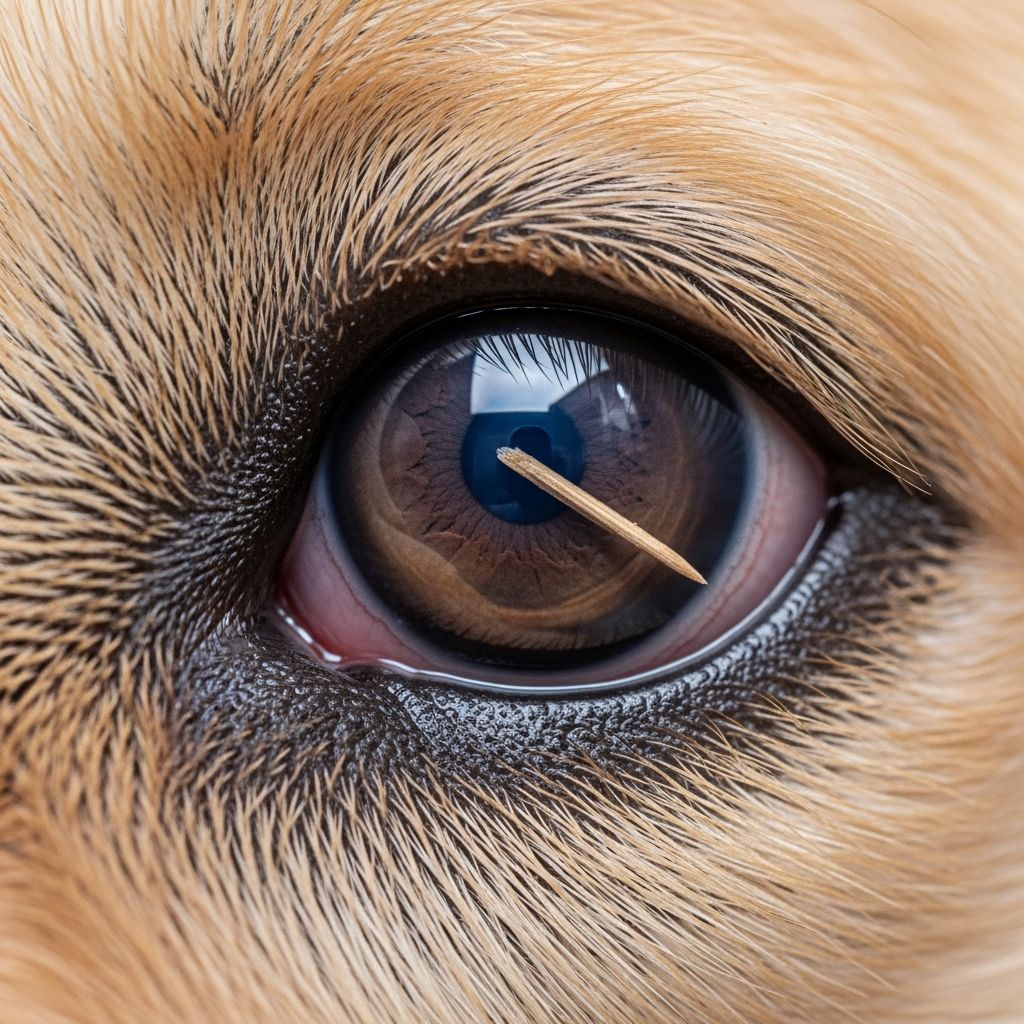
Penetrating injuries to the eye represent some of the most urgent conditions encountered in small animal veterinary practice, often resulting from sharp objects or animal attacks that breach the eye’s outer layers. These full-thickness wounds can lead to rapid vision loss if not addressed swiftly, affecting structures like the cornea, sclera, lens, and retina. Understanding the mechanisms, clinical presentations, and intervention strategies is vital for veterinarians to improve outcomes in dogs and cats.
Common Triggers of Ocular Penetrations
Everyday hazards frequently cause these injuries in household pets. Cat scratches, dog bites, and encounters with sharp foreign bodies such as sticks or debris top the list of culprits. Vehicular accidents and fights between animals can propel blunt or sharp forces into the eye, while unusual cases involve dental procedures or explosions. The eye’s protective bony orbit shields against blunt impacts, making penetrating trauma the predominant threat.
- Bite wounds: Common in inter-animal altercations, piercing the globe directly.
- Foreign objects: Sticks, thorns, or metal shards that lodge intraocularly.
- Scratches from claws: Especially prevalent in cats fighting or playing roughly.
- High-impact events: Car strikes or falls leading to secondary perforations.
In dogs, corneal entries are more visible, whereas scleral breaches in both species may hide under conjunctiva, delaying detection.
Immediate Physiological Disruptions
Once penetrated, the eye undergoes cascading inflammatory responses. Loss of aqueous humor causes globe collapse, while uveitis triggers miosis, iris swelling, and flare in the anterior chamber. Bleeding manifests as hyphema or vitreous hemorrhage, and lens capsule tears promote cataracts and phacoclastic inflammation. Posterior involvement risks retinal detachment and orbital cellulitis.
| Injury Site | Key Disruptions | Potential Long-term Effects |
|---|---|---|
| Cornea | Fibrin deposition, stromal edema, iris prolapse | Scarring, synechiae |
| Sclera | Subconjunctival hemorrhage, hidden penetration | Endophthalmitis, phthisis bulbi |
| Lens | Capsule rupture, cataract formation | Phacoclastic uveitis, glaucoma |
| Retina/Vitreous | Hemorrhage, detachment | Blindness, vitreal opacities |
These changes underscore the need for immediate stabilization to curb secondary damage.
Spotting the Signs in Clinic
Owners often notice squinting, pawing at the face, or visible wounds, prompting emergency visits. Clinically, subconjunctival bleeding, corneal defects, or air bubbles in the anterior chamber signal perforation. Hyphema clouds the view, complicating assessments, while posterior injuries show minimal anterior signs but demand fundus evaluation.
- Epiphora and blepharospasm from pain.
- Altered pupillary responses or dyscoria.
- Cloudy cornea or hyphema obscuring deeper views.
- Absence of dazzle or menace reflexes indicating poor visual prognosis.
Avoid tear tests or tonometry in acute cases to prevent exacerbating the wound; reserve for chronic suspicions.
Diagnostic Approaches for Precision
Thorough exams under sedation use magnification to inspect all surfaces. Topical anesthetics like proparacaine aid manipulation without added trauma. Assess cranial nerve functions—palpebral, menace, dazzle—to gauge vision potential.
Ultrasonography is indispensable when hemorrhage or opacity blocks direct visualization, revealing vitreous issues, retinal tears, or foreign bodies. B-mode ultrasound excels in emergencies, identifying detachments hidden by hyphema. Pupil dilation and contralateral eye checks complete the protocol.
Stabilization and Initial Management
Protect the eye first: apply gentle pressure dressings to minimize leakage, administer systemic analgesics, and antibiotics to combat infection. Control inflammation with topical or oral corticosteroids judiciously, avoiding in contaminated wounds. Hypotensive agents manage elevated intraocular pressure if safe.
For hyphema-dominant cases, rest the eye in a dark kennel and monitor resorption; smaller bleeds carry better outlooks.
Surgical Interventions: When and How
Many cases necessitate surgery. Primary closure suturing seals corneal or limbal lacerations under magnification. Foreign body extraction requires precise removal to avert ongoing irritation. Ruptured globes often lead to enucleation for pain relief, preferred over chronic meds.
- Corneal repair: Fine sutures, possible conjunctival grafts.
- Lens involvement: Lensectomy if cataractogenic.
- Posterior fixes: Vitrectomy for hemorrhage, though rare in general practice.
- Enucleation: For irreparable damage or infection.
Refer to specialists for complex repairs, enhancing success rates.
Anticipating Complications and Prognosis
Outcomes hinge on injury depth, promptness of care, and intraocular involvement. Lens penetration worsens forecasts, as does absent dazzle reflex. Complications span glaucoma, endophthalmitis, synechiae, and phthisis bulbi. Vision salvage is feasible with rapid action, but blindness looms in severe posterior cases.
| Prognostic Factor | Favorable | Unfavorable |
|---|---|---|
| Time to Treatment | <6 hours | >24 hours |
| Visual Reflexes | Intact dazzle/menace | Absent |
| Structures Affected | Cornea only | Lens/retina |
| Hyphema Extent | Mild, resolving | Severe, persistent |
Post-Treatment Monitoring and Recovery
Follow-ups track healing with serial exams, IOP checks, and imaging. E-collar use prevents self-trauma, paired with tapered meds. Recovery spans weeks for simple wounds, longer for surgeries. Owners must watch for worsening pain or discharge.
Preventive Strategies for Pet Owners
Supervise play, trim claws, and secure environments to curb risks. Prompt vet visits for any eye trauma maximize salvage chances.
Frequently Asked Questions (FAQs)
What should I do if my pet’s eye is injured?
Prevent touching the eye, cover loosely with a clean cloth, and rush to a vet—do not flush or apply pressure aggressively.
Can vision return after penetration?
Yes, if anterior and treated fast; posterior hits often impair permanently.
Is surgery always needed?
No, minor sealed wounds may heal medically, but most require intervention.
How do I know if the globe ruptured?
Signs include collapse, air bubbles, or shallow chamber; ultrasound confirms.
What’s the role of antibiotics?
Broad-spectrum to fight endophthalmitis risk from contaminated wounds.
References
- Penetrating Ocular Trauma – Canine — Indy Animal Eye Clinic. 2023. https://indyanimaleyeclinic.com/veterinary-ophthalmology-publications/penetrating-ocular-trauma-canine/
- Dealing with penetrating foreign bodies in the eyes of small animals — Companion Animal. 2022-01-26. https://www.magonlinelibrary.com/doi/abs/10.12968/coan.2022.0005
- Hyphema: Considerations in the Small Animal Patient — PMC (NCBI). 2020. https://pmc.ncbi.nlm.nih.gov/articles/PMC7173179/
- Eye Injury in Dogs: Symptoms, Causes & What to Do — Northwest Animal Eye Specialists. 2024-07-30. https://www.northwestanimaleye.com/site/blog/2024/07/30/eye-injury-dogs
Similar Articles








Read full bio of medha deb


