

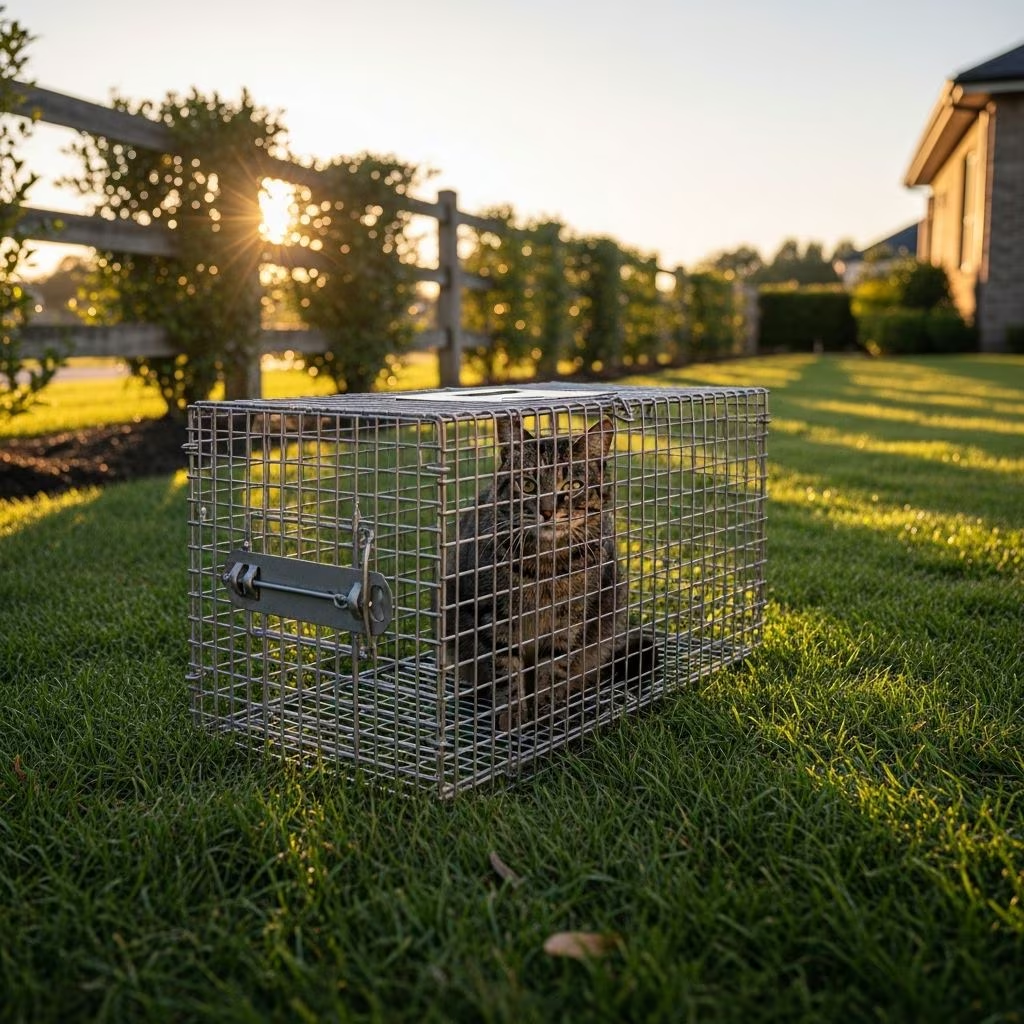
Property owners often face challenges when uninvited cats frequent their yards, damaging gardens or disrupting wildlife. Understanding the legal framework for addressing these intrusions is essential to avoid fines, lawsuits, or cruelty charges. This guide examines regulations across jurisdictions, differentiates between owned pets and community cats, and offers practical, lawful solutions.
Understanding Property Rights vs. Animal Protections
Owning land grants certain rights to manage nuisances, but these are balanced against animal welfare statutes. Cats, whether domestic or feral, receive protections under anti-cruelty laws in most U.S. states. Trapping may seem straightforward, but it can lead to legal complications if the animal belongs to someone else or if methods cause harm.
State legislatures prioritize preventing unnecessary suffering, mandating humane handling. For instance, relocation without permission often equates to theft or abandonment, both prosecutable offenses. Local ordinances further refine these rules, sometimes requiring professional intervention over DIY efforts.
Key Legal Distinctions: Pets, Strays, and Ferals
- Domestic Pets: Cats with collars, microchips, or healthy appearances are likely owned. Trapping them without owner consent risks civil claims for property interference.
- Strays: Recently abandoned or lost pets still hold protected status; shelters must scan for chips before any action.
- Feral Cats: Unsociable, wild-living felines adapted to outdoor life. They benefit from Trap-Neuter-Return (TNR) protocols rather than removal.
Identifying these categories prevents mishaps. A well-groomed cat scavenging suggests ownership, while ear-tipped ferals indicate prior TNR participation, signaling release back to their territory.
State and Local Regulations Overview
Laws vary significantly by location, with no uniform federal standard. Most regulations stem from state animal codes and municipal bylaws.
| State Example | Trapping Rules | Key Restrictions | Alternatives |
|---|---|---|---|
| Ohio | Permitted for nuisance wildlife with limits; cats as companion animals | No cruel methods; permission needed on others’ land | Contact humane societies for TNR |
| General U.S. | Local ordinances govern; leash laws often unenforceable for ferals | Abandonment illegal; TNR not considered dumping | Animal control or shelters |
In Ohio, cats are legally companion animals regardless of ferality, complicating private trapping. Nuisance wildlife rules apply selectively, excluding domesticated species. Always consult your state’s wildlife agency or attorney for precise guidance.
Trap-Neuter-Return Programs: A Legal and Humane Option
TNR has gained traction as a community-endorsed strategy. Participants humanely capture ferals, sterilize, vaccinate, and return them to origin points. This stabilizes populations without shelter overload.
Benefits include:
- Reducing breeding cycles effectively.
- Compliance with anti-abandonment statutes, as cats return to familiar habitats.
- Ear-tipping for identification, deterring repeat trapping.
To participate, connect with local TNR groups or shelters providing loaner traps and veterinary services. Private efforts must mimic these standards: painless drop-traps, immediate food/water, and weather protection.
Risks and Penalties of Unauthorized Trapping
Violations carry serious repercussions. Trapping a microchipped pet could prompt theft charges, especially sans collar. Abandonment—dumping cats elsewhere—violates cruelty laws, with fines up to thousands or jail time.
Even on your property, leg-hold traps or neglect during confinement breach humane standards. Neighbors may sue for emotional distress if their pet suffers. Courts increasingly recognize cats’ legal status, heightening accountability.
Humane Deterrence Strategies Without Trapping
Avoid legal pitfalls by repelling cats proactively. These methods respect laws while reclaiming your space.
Physical Barriers
- Install motion-activated sprinklers to startle intruders.
- Use fencing with roller bars atop, preventing climbs.
- Apply mulch or prickly plants around gardens.
Scent and Sound Repellents
Cats detest citrus, vinegar, or commercial repellents. Ultrasonic devices emit high-frequency sounds inaudible to humans but aversive to felines.
Habitat Modification
- Remove food sources: secure trash, feed birds midday.
- Eliminate shelter: trim bushes, block crawl spaces.
These approaches yield long-term results without confrontation.
When to Involve Professionals
For persistent issues, summon experts:
- Animal Control: Handles nuisances legally; may enforce leash laws if applicable.
- Humane Societies: Offer TNR support, mediation with neighbors.
- Wildlife Agencies: Advise on feral management under nuisance rules.
Document incidents—photos, dates—to strengthen requests. Warn known owners first, fostering cooperation.
Common Myths Debunked
- Myth: All outdoor cats are fair game. Fact: Pets retain ownership protections.
- Myth: TNR abandons cats. Fact: Courts affirm it as caretaking.
- Myth: Private land overrides laws. Fact: Animal codes apply universally.
Frequently Asked Questions (FAQs)
Is it ever okay to trap a cat myself?
Only if local laws permit and you’re TNR-trained. Otherwise, delegate to professionals to sidestep liability.
What if the cat destroys my property?
Document damage and report to authorities. Civil remedies may apply against negligent owners.
Can I relocate a feral cat?
No, unless part of approved TNR; arbitrary moves constitute abandonment.
How do I check for microchips?
Universal scanners at vets or shelters detect them reliably.
Are there federal laws on this?
No, but states harmonize with welfare standards like the Animal Welfare Act.
Building Community Solutions
Neighbor disputes escalate unnecessarily. Host discussions or petitions for area-wide TNR, promoting harmony. Education on cat behaviors fosters empathy, reducing conflicts.
In summary, while frustrations are valid, lawful paths prioritize welfare and rights. Proactive deterrence trumps risky trapping, ensuring sustainable peace.
References
- Can I Legally Trap Cats on My Property? Facts & FAQ — Catster. 2023. https://www.catster.com/lifestyle/can-i-legally-trap-cats-on-my-property/
- Is it illegal in Ohio to trap and spay/neuter cats? — Avvo Legal Answers. 2023. https://www.avvo.com/legal-answers/is-it-illegal-in-ohio-to-trap-and-spay-neuter-cats-4634983.html
- Cats and the Law: Finding and Understanding Laws That Impact Cats — Alley Cat Allies. 2024. https://www.alleycat.org/resources/findcatlaws/
- What to Do About Unwanted Cats in Your Yard — American Bird Conservancy. 2011. https://abcbirds.org/wp-content/uploads/2015/05/WhattoDo2011.pdf
- Rule 1501:31-15-03 | Nuisance wild animal control — Ohio Laws and Administrative Rules. 2024. https://codes.ohio.gov/ohio-administrative-code/rule-1501:31-15-03
- Ohio Feral Cat Laws — Holland & Muirden. 2023. https://holland-muirden.com/feral-cat-laws/
- My neighbors are trapping cats and dumping them — Animal League. 2023. https://www.animalleague.org/blog/advice/pet-legal-advice/my-neighbors-are-trapping-cats-and-dumping-them/



