

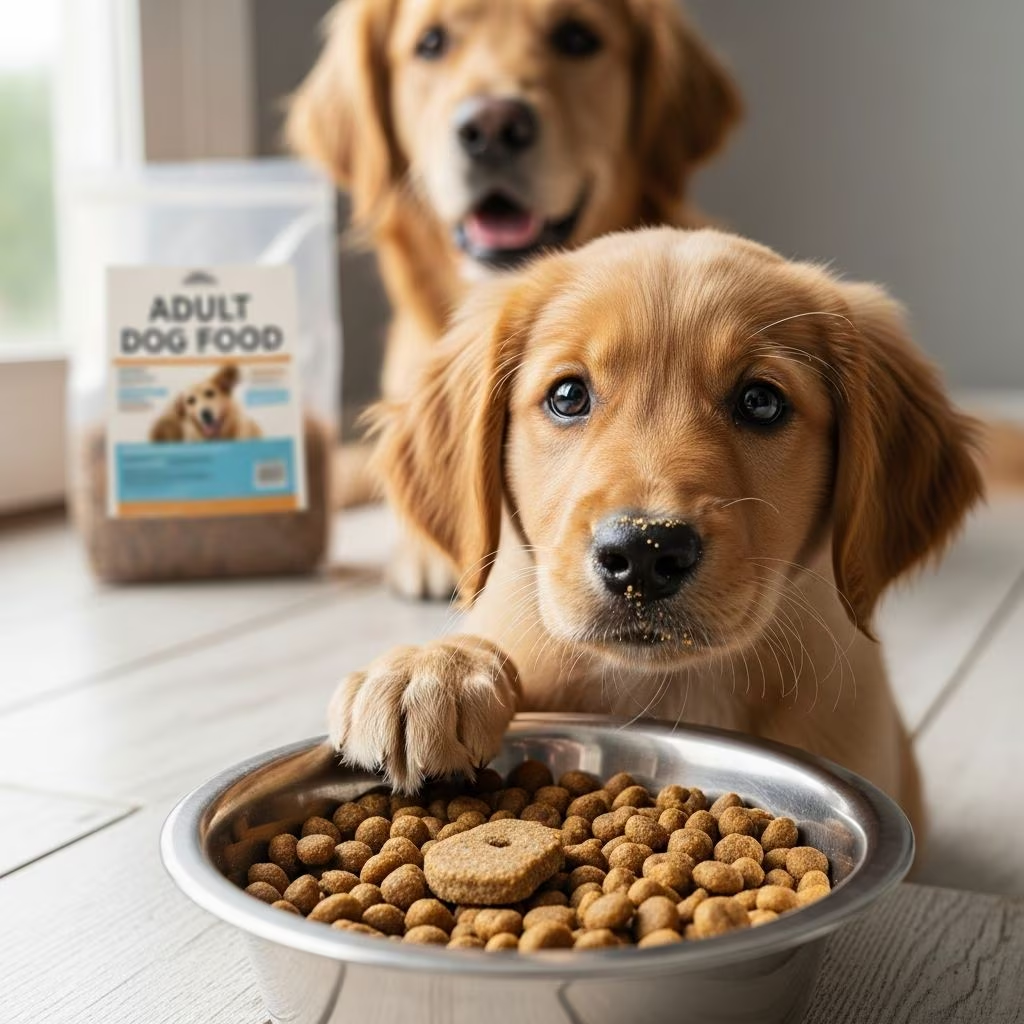
Puppies require specialized nutrition to fuel their rapid growth, but switching to adult dog food at the appropriate time is essential for long-term health. The timing hinges on factors like breed size, growth rate, and individual development, ensuring puppies get the right balance of proteins, fats, and minerals without excess calories leading to obesity.
Understanding Puppy Nutrition Needs
Puppy formulas are designed with higher levels of protein, fat, and specific minerals like calcium and phosphorus to support bone development, muscle growth, and organ maturation. These nutrients prevent deficiencies that could lead to skeletal issues, eye problems, or cognitive delays. However, once growth slows, continuing puppy food can promote unwanted weight gain due to its calorie density.
Adult dog food shifts focus to maintenance, with moderated calories and nutrients suited for steady energy and weight control. The key is identifying when your puppy has reached physical maturity, typically when they’ve achieved about 80-90% of their expected adult weight and height.
Factors Influencing the Switch Timing
Several variables determine the best moment to transition:
- Breed Size: Smaller dogs mature faster, while giants take longer.
- Spay/Neuter Status: These procedures reduce calorie needs, often prompting an earlier switch.
- Activity Level: High-energy pups may need puppy food longer for sustained growth.
- Health Conditions: Joint concerns in large breeds may require careful monitoring.
Consulting a veterinarian provides personalized advice, especially for mixed breeds where adult size is unpredictable.
Timing by Breed Size Categories
Dogs vary widely in maturation timelines. Here’s a breakdown:
| Breed Size | Expected Adult Weight | Maturity Age | Switch Recommendation |
|---|---|---|---|
| Small | Under 25 lbs | 9-12 months | 7-10 months, or at 80% adult size |
| Medium | 25-50 lbs | 12-15 months | 12-15 months |
| Large | 50-100 lbs | 15-24 months | 14-24 months |
| Giant | Over 100 lbs | 18-24+ months | 18-24 months or full growth |
Small breeds like Chihuahuas often stop growing by 9-10 months, allowing a switch around 7-9 months. Medium breeds such as Beagles reach maturity at 12 months. Large breeds like Labradors may need puppy food until 15 months, and giants like Great Danes up to 24 months to support their extended skeletal development.
Signs Your Puppy is Ready for Adult Food
Rely on physical cues rather than age alone:
- Weight stabilizes at 80-90% of projected adult size (use breed standards or vet estimates).
- Height growth plates close (X-rays can confirm if needed).
- Energy levels even out without rapid spurts.
- No further filling out in chest or hips.
For mixed breeds, track weight weekly and compare to growth charts. If unsure, err on keeping puppy food longer to avoid stunting growth.
Risks of Switching Too Early or Too Late
Too Early: Depriving growth nutrients risks underdeveloped bones, joints, brain function, and vision. Large breeds are particularly vulnerable to lifelong orthopedic diseases.
Too Late: Excess calories from puppy food lead to obesity, increasing diabetes and heart disease risks. In large breeds, prolonged high-protein intake can accelerate growth, stressing joints and causing dysplasia.
Balanced timing prevents these issues, promoting a lean, healthy adult.
Step-by-Step Transition Process
A gradual switch over 7-10 days minimizes digestive upset like diarrhea or vomiting. Monitor closely and pause if issues arise, consulting a vet.
- Days 1-2: 75% puppy food + 25% adult food.
- Days 3-4: 50% each.
- Days 5-6: 25% puppy + 75% adult.
- Day 7+: 100% adult, adjusting portions for weight maintenance.
Mix foods thoroughly and feed at usual times. Fresh water is crucial. For picky eaters, add warm water to enhance aroma.
Choosing the Right Adult Dog Food
Select based on life stage, breed needs, and health:
- All-life-stages formulas work if AAFCO-approved for growth and maintenance.
- Breed-specific options for large joints (e.g., glucosamine-enriched).
- Grain-free or limited-ingredient for allergies.
Match calorie density to activity: higher for working dogs, lower post-neuter.
Special Considerations for Large and Giant Breeds
These dogs benefit from controlled growth puppy foods with precise calcium-phosphorus ratios to prevent hip dysplasia. Avoid generic puppy foods; opt for large-breed specific until 18-24 months. Post-switch, prioritize joint-supportive adults.
Impact of Spaying or Neutering
Sterilization lowers metabolism by 20-30%, reducing calorie needs. Switch soon after if near maturity to curb obesity. Intact pups may stay on puppy food longer.
Monitoring Health Post-Transition
Weigh monthly, check body condition (ribs palpable, waist visible), and watch for lethargy or coat changes. Annual vet checkups ensure nutritional adequacy.
Frequently Asked Questions (FAQs)
When can most puppies switch to adult food?
Around 12 months for small/medium breeds, longer for larger ones.
Can I use all-life-stages food instead?
Yes, if labeled for all stages, but consult vet for growing pups.
What if my puppy refuses adult food?
Slow the transition, mix flavors, or try toppers; persistence pays off.
Is wet food okay for transitions?
Yes, follow same gradual mix; it aids hydration.
How do I know my mixed-breed puppy’s adult size?
Vet estimates via paws, weight trends, or parent sizes.
Conclusion
Timing the switch from puppy to adult food optimizes health across a dog’s life. Tailor to breed, monitor growth, and transition slowly for best results. Your vet is your best partner in this process.
References
- When to Stop Feeding Puppy Food — Whole Dog Journal. 2023. https://www.whole-dog-journal.com/puppies/when-to-stop-feeding-puppy-food/
- When Should You Switch From Puppy to Adult Dog Food? — PetMD. 2023. https://www.petmd.com/dog/nutrition/when-should-you-switch-puppy-adult-dog-food
- How Long to Feed Puppy Food & Switching to Adult Dog Food — Purina. 2023. https://www.purina.com/articles/dog/puppy/feeding/how-long-to-feed-puppy-food
- When to Switch to Adult Dog Food — NutriSource Pet Foods. 2023. https://nutrisourcepetfoods.com/blog/pet-parents/when-to-switch-to-adult-dog-food/
- When can I stop feeding puppy food? — Fromm Family Pet Food. 2023. https://frommfamily.com/about/question-and-answer/nutrition/puppy-food-time-frame/



