
Transitioning Pet Food Safely
Master the art of switching your dog's or cat's diet without digestive drama—expert timelines and tips inside.
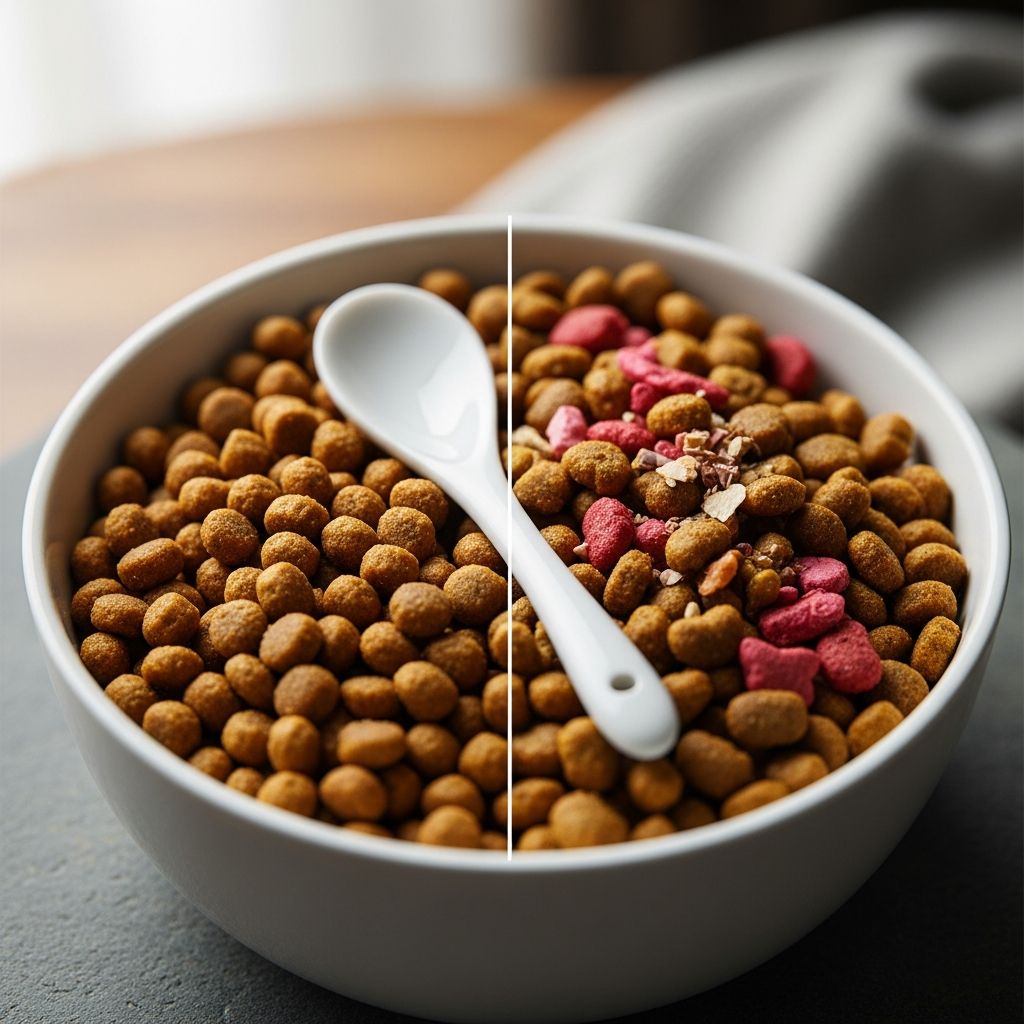
Switching your pet’s food requires careful planning to protect their digestive health. Abrupt changes can lead to diarrhea, vomiting, or refusal to eat, but a structured approach over 7-14 days allows the gut microbiome to adapt smoothly.
Why Gradual Changes Matter for Pet Digestion
Pets’ digestive systems thrive on consistency. Sudden shifts in diet disrupt gut bacteria balance, enzymes, and intestinal lining, causing discomfort. Veterinary guidelines emphasize slow introductions to new proteins, fibers, and fats, minimizing risks especially for sensitive animals like puppies, seniors, or those with histories of tummy troubles.
Research from veterinary nutritionists shows that transitions spanning at least one week reduce upset incidence by giving time for microbial populations to adjust. This is crucial for both dogs and cats, though felines often need longer due to pickier eating habits.
Standard 7-Day Transition Schedule for Dogs
For most healthy dogs, a one-week plan works well. Measure daily portions accurately and mix thoroughly to prevent selective eating.
| Days | New Food Ratio | Old Food Ratio | Notes |
|---|---|---|---|
| 1-2 | 25% | 75% | Introduce flavors gently; watch for gas or soft stools. |
| 3-4 | 50% | 50% | Equal mix; energy levels should stabilize. |
| 5-6 | 75% | 25% | Gut adapting; stools firming up. |
| 7+ | 100% | 0% | Full switch; monitor 2-3 more days. |
This timeline, endorsed by multiple pet nutrition sources, suits average adults. Adjust slower for pups or those changing food types (e.g., kibble to wet).
Extended 10-14 Day Plan for Cats and Sensitive Pets
Cats and dogs with delicate stomachs benefit from prolonged phases. Extend each step if loose stools appear, staying at the prior ratio until resolved.
- Days 1-4: 25% new / 75% old – Prime acclimation period.
- Days 5-7: 50% / 50% – Midway check; add water to dry mixes if needed.
- Days 8-11: 75% / 25% – Near completion; appetite should increase.
- Day 12+: 100% new – Celebrate with treats if all clear.
For seniors or history of GI issues, stretch to 21 days. Always prioritize comfort over speed.
Signs to Monitor During the Switch
Track these daily to gauge progress:
- Firm, consistent stools (ideal indicator of balance).
- Normal appetite and enthusiasm at meals.
- No vomiting, excessive gas, or bloating.
- Steady energy and no lethargy post-eating.
- Regular hydration intake.
Mild gas on day 2-3 is common but should fade. Persistent issues? Pause and consult a vet.
Troubleshooting Common Transition Challenges
Picky Eaters Refusing New Food
If your pet snubs the mix, enhance appeal without compromising health:
- Top with low-sodium broth (chicken/beef for dogs, tuna for cats).
- Mix in a teaspoon of plain canned pumpkin for fiber and allure.
- Warm slightly to release aromas.
- Use the same bowl and feeding spot for familiarity.
Managing Digestive Setbacks
Diarrhea or vomiting signals overload. Solutions include:
| Issue | Action | Duration |
|---|---|---|
| Soft stools | Revert to previous ratio; add probiotics. | 2-3 extra days |
| Vomiting | Fast 12 hours, then bland rice/chicken; vet check. | Until resolved |
| Refusal >48 hours | Mix faster-fading old food; try flavors. | Consult vet |
Probiotics from vet-recommended sources aid gut recovery.
When Quick Switches Are Necessary
Rarely, urgency arises (e.g., recall, allergy diagnosis). Shift over 1-3 days with vet oversight, supplementing electrolytes and bland diets. Not ideal, but manageable.
Preparation Steps Before Starting
- Consult your vet: Especially for prescription diets, allergies, or conditions like IBD.
- Calculate portions: Base on weight and activity; new food may differ calorically.
- Stock supplies: Both foods, measuring tools, broth toppers.
- Baseline health check: Note pre-transition stool/energy for comparison.
Fresh water always available; consider smaller, frequent meals during transition.
Food Type Considerations
- Kibble to kibble: Easiest; straightforward mixing.
- Dry to wet: Blend or alternate meals; expect looser stools initially.
- Grain-free to grain-inclusive: Slower pace due to fiber shifts.
- Raw/fresh introductions: 10-14 days minimum; high moisture aids but monitor bacteria risks.
Match life stage (puppy/adult/senior) and needs for optimal nutrition post-switch.
Long-Term Benefits of Proper Transitions
Smooth switches pave the way for better health outcomes. Pets on well-tolerated diets show shinier coats, vibrant energy, and ideal weights. Regular vet check-ins post-transition confirm sustained success.
Frequently Asked Questions
How long does a pet food transition take?
Typically 7-12 days for dogs, 10-14 for cats. Extend as needed for sensitivity.
Can I speed up the process?
Not recommended unless vet-directed; risks outweigh benefits.
What if my pet has allergies?
Vet-supervised only; hypoallergenic trials may require elimination diets first.
Is pumpkin safe during transitions?
Yes, plain canned (1-2 tsp) adds fiber without sugar.
Should I change water bowls too?
No, maintain routine; fresh water is key.
Mastering pet food transitions empowers you to optimize nutrition confidently. Patience yields healthier, happier companions.
References
- How To Transition — Redbarn Pet Products. 2023. https://www.redbarn.com/pages/how-to-transition
- A Complete Guide to Transitioning Dog and Cat Food — Nulo. 2024. https://nulo.com/blogs/nutrition/a-complete-guide-to-transitioning-dog-and-cat-food
- How to Switch Your Dog’s Food — PetMD. 2025-03-15. https://www.petmd.com/dog/nutrition/how-to-switch-your-dogs-food
- How to Transition Your Dog to a New Food — Nutrena Animal Feeds. 2024. https://nutrenaworld.com/blog/dogs-cats/how-to-transition-your-dog-to-a-new-food/
- How do I switch my pet’s food? — Tufts University Cummings School of Veterinary Medicine. 2019-11-24. https://sites.tufts.edu/petfoodology/2019/11/24/how-do-i-switch-my-pets-food/
- How to Transition Your Pet to Fresh Food — Freshpet. 2024. https://www.freshpet.com/blog/how-to-transition-your-pet-to-fresh-food
- Tips and Timelines for Switching Dog or Cat Food — Hill’s Pet Nutrition. 2025. https://www.hillspet.com/transitiontips
- Tips and Timelines for Transitioning Your Pet to a New Food — American Animal Hospital Association (AAHA). 2021. https://www.aaha.org/wp-content/uploads/globalassets/05-pet-health-resources/nutritionalresources/petparent/aaha-tips-and-timelines.pdf
Similar Articles








Read full bio of Sneha Tete


