
Transitioning Outdoor Cats to Indoor Life
Discover proven strategies to safely convert your free-roaming feline into a content indoor companion with enrichment and training.
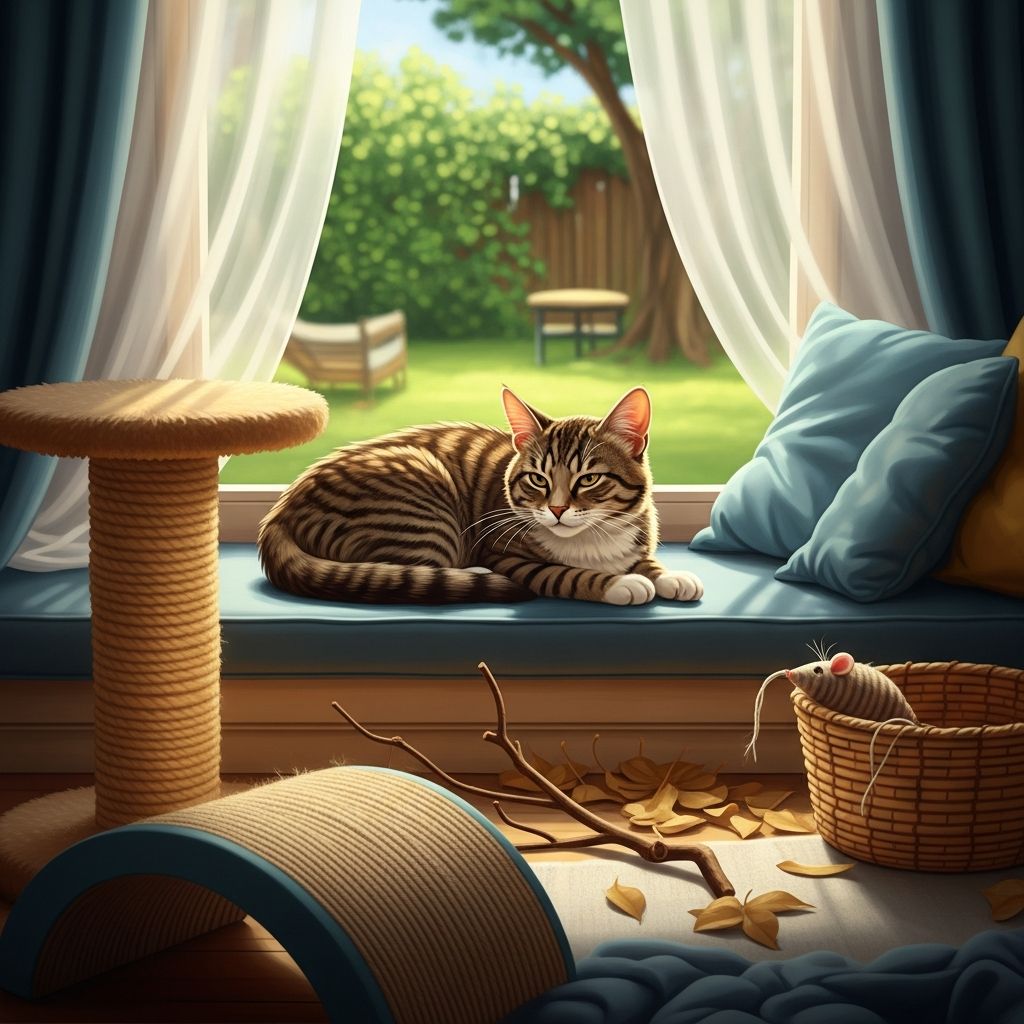
Bringing an outdoor cat indoors permanently requires patience, strategic planning, and a commitment to creating a stimulating environment. This shift protects cats from traffic, predators, toxins, and diseases while promoting a longer, healthier life. Indoor cats often live 10-15 years longer than their outdoor counterparts, thanks to reduced risks and better veterinary access.
Why Make the Switch to Indoors?
Outdoor life exposes cats to numerous hazards. Vehicles cause thousands of feline fatalities annually, while fights with strays spread infections like feline leukemia. Parasites, poisons, and extreme weather add further dangers. Indoors, owners control diet, monitor health, and prevent escapes, fostering security and routine.
However, abrupt confinement frustrates accustomed roamers, leading to vocalizing, door-scratching, or destructive behaviors. A thoughtful transition minimizes stress, transforming potential misery into contentment through enrichment mimicking outdoor adventures.
Preparing Your Home for an Indoor Feline
Start by cat-proofing spaces. Secure windows with screens, block small gaps, and install door sweeps. Provide multiple litter boxes—one per cat plus one extra—in quiet, accessible spots. Introduce scratching posts near former outdoor exits to redirect clawing instincts.
Stock up on essentials: puzzle feeders, wand toys, tunnels, and vertical climbers. Designate feeding zones indoors if meals were once outdoor rituals. Gradually shift routines to build positive associations with home confinement.
Step-by-Step Transition Strategies
A gradual approach works best for most cats, easing them into extended indoor time. Here’s a phased plan:
- Week 1: Short Indoor Sessions – Feed indoors only, then release after eating. Extend retention by 15-30 minutes daily, using play to distract.
- Week 2-3: Scheduled Confinement – Keep indoors during peak outdoor times like dawn/dusk. Reward calm behavior with treats and affection.
- Week 4+: Full Transition – Lock doors permanently. Monitor for distress; consult vets for calming aids if needed.
For stubborn cases, a “cold turkey” method—sudden full lockdown—may succeed, especially in winter when warmth appeals. Pair with heightened interaction to offset freedom loss.
Enriching the Indoor Environment
Indoor success hinges on replicating outdoor stimuli: hunting, climbing, exploring. Vertical space is crucial—cats feel secure elevated. Install multi-level trees, shelves, and wall perches near windows for bird-watching.
| Enrichment Type | Examples | Benefits |
|---|---|---|
| Vertical Structures | Cat trees, floating shelves, window perches | Climbing exercise, territory marking, observation spots |
| Interactive Play | Wand toys, laser pointers, battery-operated mice | Hunting simulation, bonding, stamina building |
| Puzzle Feeders | Treat balls, food mazes, DIY containers | Mental workout, slows eating, prevents boredom |
| Sensory Items | Catnip toys, grass pots, scent diffusers | Natural grazing, chewing outlet, aroma stimulation |
Rotate toys weekly to maintain novelty. Place perches by windows for safe outdoor views, stirring curiosity without risk. Short 3-5 minute sessions multiple times daily suit cats’ bursty energy.
Training Techniques for Better Adjustment
Positive reinforcement training channels energy and builds confidence. Reward desired actions with treats, praise, or play—never punish, as it breeds fear. Clicker training marks exact moments precisely, accelerating learning.
Begin with basics:
- Sit Command: Lure with treat over head; click and reward lowered haunches.
- Target Touch: Present chopstick or finger; reward nose contact. Progress to spins, high-fives.
- Leash Walking: Acclimate to harness indoors first, then outdoors in safe yards.
Sessions last 5 minutes; stop if cat disengages. Shelter studies show 79% of cats master targeting after 15 sessions. Tricks like waving enhance mental stimulation and owner bonds.
Safe Outdoor Access Alternatives
Some cats crave breezes and sights. Harness training enables leashed yard strolls—introduce gradually with treats. Better yet, construct a catio: screened enclosures attached to windows or patios for secure fresh air. DIY options use wire mesh, wood frames; commercial kits suit apartments.
These satisfy exploration urges risk-free, blending indoor safety with outdoor perks.
Addressing Common Challenges
- Door Darting: Train “wait” cue; use baby gates during transition.
- Boredom Destructiveness: Increase play; provide destructible toys like cardboard scratchers.
- Litter Avoidance: Scoop daily; try different litters if issues arise.
- Meowing Excess: Ignore attention bids; engage in structured play instead.
Household cooperation is key—everyone must enforce rules consistently.
Health and Nutrition for Indoor Cats
Indoor living demands proactive wellness. Schedule bi-annual vet checks for weight management, as reduced activity risks obesity. Puzzle feeders combat overeating. Offer kitten-like diets for seniors to maintain muscle.
Supplements like omega-3s support coat health sans outdoor grooming partners. Vaccinations and parasite preventives remain essential indoors.
Long-Term Success Tips
Monitor body language: flattened ears signal stress; relaxed play indicates thriving. Multi-cat homes need individual resources to curb tension. Annual enrichments—like new towers—prevent staleness.
Owners report transitioned cats become more affectionate, sleeping curled nearby versus roaming. Patience yields lap cats from former ferals.
Frequently Asked Questions
Can any outdoor cat adapt to indoors?
Most do with time; feral backgrounds may challenge, but enrichment aids even them.
How long does transition take?
Weeks to months; vary by cat personality and consistency.
What if my cat won’t eat indoors?
Withhold meals briefly; use enticing wet food or toppers.
Is a catio worth building?
Yes, for nature lovers—provides safe stimulation boosting happiness.
Should I declaw for indoor safety?
No; it’s painful and impairs natural behaviors. Provide posts instead.
References
- The Best Indoor Cat Enrichment Ideas: Toys, Puzzles, and More — Best Friends Animal Society. 2023. https://bestfriends.org/pet-care-resources/best-indoor-cat-enrichment-ideas-toys-puzzles-and-more
- How to train a cat — British Psychological Society. 2023. https://www.bps.org.uk/psychologist/how-train-cat
- Exercising Your Indoor Cat — Atlanta Humane Society. 2023. https://atlantahumane.org/blog/exercising-your-indoor-cat-2/
- Training Your Cat To Stay Inside — Wisconsin Humane Society. 2023. https://www.wihumane.org/behavior/ask-the-experts/cat-behavior/training-your-cat-to-stay-inside
- Cat Behavior and Training – Enrichment for Indoor Cats — VCA Animal Hospitals. 2023. https://vcahospitals.com/know-your-pet/cat-behavior-and-training—enrichment-for-indoor-cats
Similar Articles








Read full bio of medha deb




