

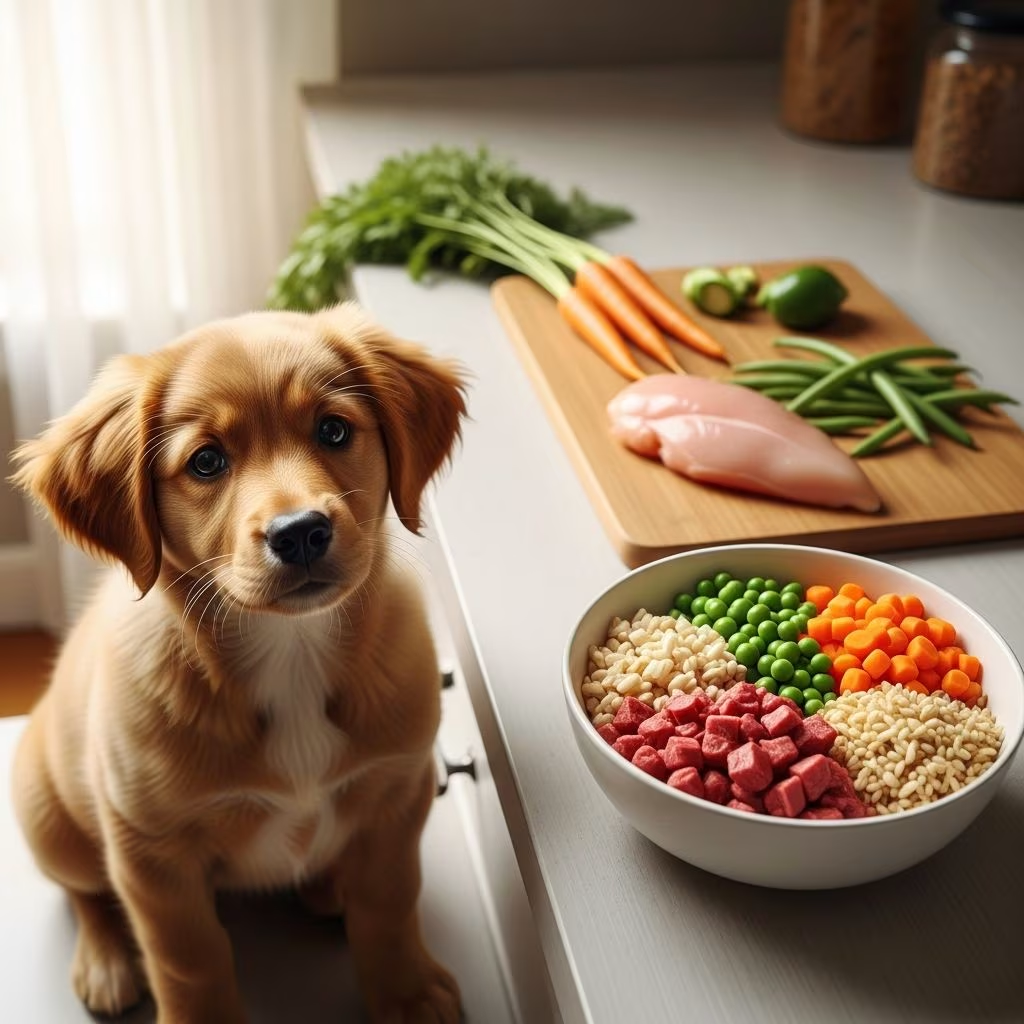
Bringing home a new dog requires careful attention to their diet to prevent digestive disturbances and ensure a smooth adjustment. Abrupt food changes can disrupt a dog’s gut microbiome, leading to issues like diarrhea, vomiting, or dehydration, particularly in rescues or puppies from varied backgrounds.
Why Diet Stability Matters for Newly Adopted Dogs
New dogs often arrive with unknown dietary histories, making transitions delicate. Their digestive systems are tuned to specific nutrient profiles, and sudden shifts in proteins or carbs can overwhelm beneficial bacteria in the gut. Veterinary guidelines emphasize gradual introductions to maintain microbiome balance and minimize stress.
- Gut Microbiome Sensitivity: Dogs’ intestinal flora adapts slowly; rapid changes provoke imbalance, causing loose stools or nausea.
- Stress Amplification: Adoption stress combined with food upset heightens anxiety, potentially worsening behaviors like pacing or whining.
- Health Risks: Dehydration from prolonged diarrhea poses dangers, especially for small breeds or seniors.
Optimal Times for Dietary Adjustments in Dogs
Timing food switches aligns with life stages and health needs. Puppies grow rapidly, demanding calorie-dense formulas until maturity, typically around one year for most breeds, though large dogs may need longer.
| Life Stage | Typical Switch Age | Key Nutritional Shift |
|---|---|---|
| Puppy to Adult | 12-18 months (breed-dependent) | Reduce calories; balance for maintenance |
| Adult to Senior | 7+ years | Lower calories, add joint/kidney support |
| Health Condition | Immediate vet-directed | Prescription formulas for allergies or illness |
Consult a vet for breed-specific advice, as small dogs mature faster than giants like Great Danes.
Step-by-Step Guide to a Seamless Food Transition
A seven-to-fourteen day gradual mix prevents most issues. Start with small amounts of new food to allow enzyme production and bacterial adaptation.
- Days 1-2: 75% old food + 25% new food. Observe stool firmness and energy.
- Days 3-5: 50/50 blend. Introduce as separate meals if picky.
- Days 6-7: 25% old + 75% new. Use new food in treats for palatability.
- Day 8+: 100% new. Monitor for two weeks post-transition.
For sensitive stomachs, extend to two weeks or add probiotics. Wet-to-dry or raw switches follow the same ratios.
Recognizing and Handling Transition Challenges
Not all dogs adapt smoothly; watch for red flags like persistent soft stools, refusal to eat, or lethargy. Fiber content influences preferences—high-fiber foods may reduce intake initially, per research on dietary composition.
- Common Symptoms: Gas, mild diarrhea, picky eating.
- Solutions: Slow the pace, incorporate bone broth for soothing, or vet-recommended enzymes.
- When to Call the Vet: Blood in stool, vomiting over 24 hours, or weight loss.
Breeds like Beagles may eat less of new foods due to innate preferences, while seasons affect appetite—hot weather suppresses intake.
Beyond Digestion: How Food Changes Influence Behavior
Diet profoundly shapes canine mood and cognition. Nutrient-poor foods cause blood sugar swings, leading to hyperactivity or anxiety, while balanced ones stabilize energy.
Protein-rich diets with slow carbs like pumpkin support steady serotonin production. Deficiencies in magnesium or B vitamins from poor kibble exacerbate stress. Studies link medium-chain triglycerides to better cognitive performance in seniors, countering age-related decline akin to Alzheimer’s.
A gradual switch to nutrient-dense food often yields calmer demeanor and sharper focus within weeks.
Health Outcomes Tied to Primary Diets
Commercial kibble correlates with better overall health versus raw or home-cooked in large surveys. Raw-fed dogs face higher respiratory risks; home-cooked links to organ strains.
| Diet Type | Health Correlation | Risk Multiplier |
|---|---|---|
| Kibble | Healthiest baseline | 1x |
| Commercial Raw | Respiratory issues | 1.7x |
| Home-Cooked | Liver/kidney/GI disease | 1.3-1.6x |
Activity levels influence choices—active dogs thrive on raw, but kibble suits most households.
Pro Tips for Picky or Special-Needs Dogs
Enhance acceptance with toppers like yogurt or fish oil. For rescues, match the shelter’s food initially. Seniors benefit from senior blends with antioxidants for brain health.
- Use new food in puzzle toys to build positive associations.
- Rotate proteins gradually to prevent allergies.
- Track changes in a journal: appetite, stool, behavior.
FAQs: Common Questions on Dog Food Switches
Can I switch my dog’s food immediately?
Rarely—only under vet orders for medical urgency. Otherwise, gradual is safest.
How long until I see behavior improvements post-switch?
1-4 weeks, as gut-brain links stabilize.
What if my dog refuses the new food?
Mix longer, add enticing flavors, or try warming wet food.
Does breed affect transition ease?
Yes—working breeds adapt faster; toys may need slower paces.
Are probiotics always needed?
Helpful for sensitivities; vet-approved strains work best.
Long-Term Strategies for Optimal Canine Nutrition
Regular vet check-ups guide ongoing adjustments. Balanced diets support heart, joints, and immunity. Avoid overfeeding during transitions to prevent weight gain.
Incorporate variety thoughtfully: occasional novel proteins maintain interest without microbiome shocks. Monitor seasonal intake drops by offering cooler foods in summer.
References
- When (and How) to Change Your Dog’s Food — Zoetis Petcare. 2023. https://www.zoetispetcare.com/blog/article/change-dog-food
- Food Preferences in Dogs: Effect of Dietary Composition — PMC/NCBI (Peer-reviewed). 2019-06-11. https://pmc.ncbi.nlm.nih.gov/articles/PMC6562821/
- Can Nutrition Influence Your Dog’s Behavior? — Taste of the Wild. 2024. https://www.tasteofthewildpetfood.com/articles/nutrition/can-nutrition-influence-your-dogs-behavior/
- How dog owner feeding choices correlate with nutritional health outcomes — AVMA. 2023. https://www.avma.org/news/how-dog-owner-feeding-choices-correlate-nutritional-health-outcomes
- The Impact Of Dog’s Diet On Your Dog’s Behavior — East Valley K9. 2024. https://eastvalleyk9.com/the-impact-of-diet-on-your-dogs-behavior/



