

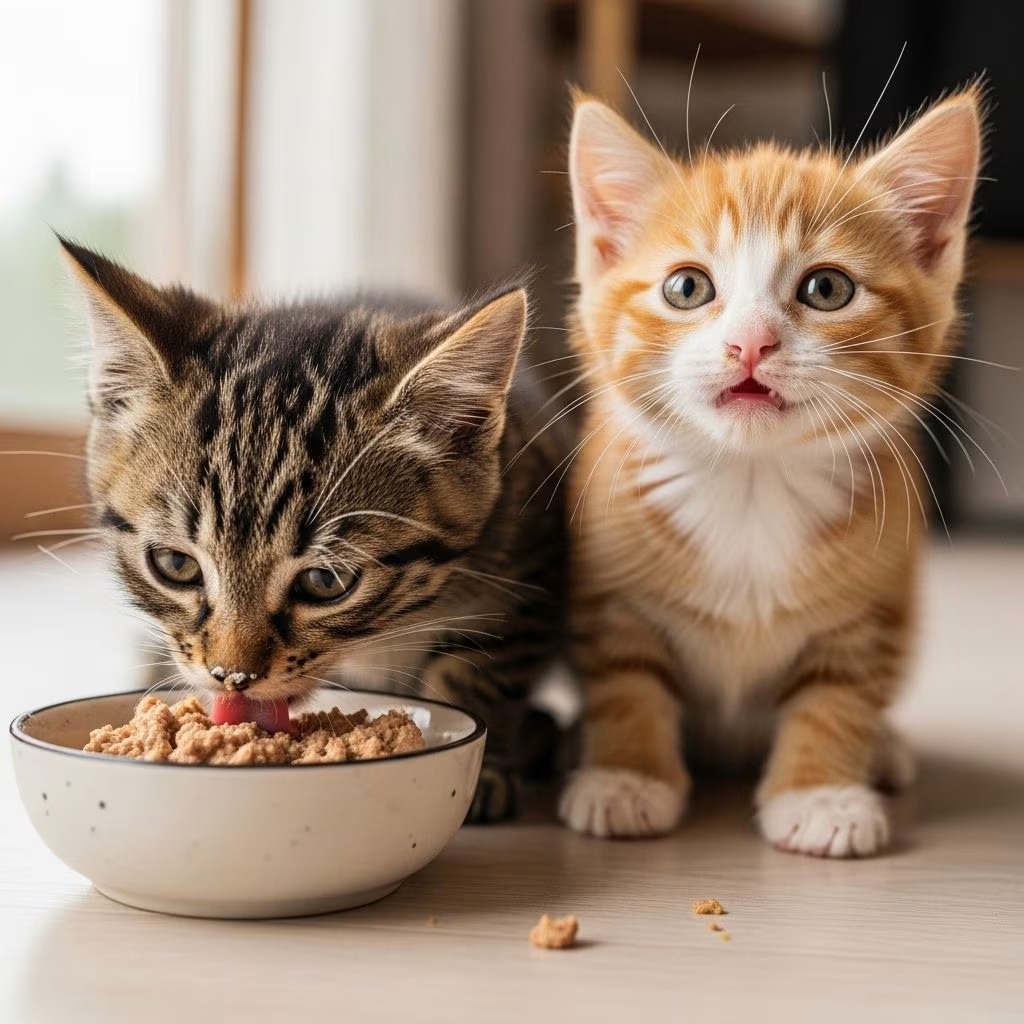
The transition from nursing to eating solid food is one of the most critical stages in a kitten’s development. Understanding when and how to introduce your kitten to new foods ensures they receive proper nutrition and develop healthy eating habits. This comprehensive guide covers everything you need to know about the weaning process, from identifying readiness signs to successfully completing the transition to adult kitten nutrition.
Recognizing When Your Kitten Is Ready for Solid Food
Before beginning the weaning process, it’s essential to identify whether your kitten has reached the appropriate developmental stage. Not all kittens mature at the same rate, so understanding the key indicators of readiness helps prevent complications and ensures the transition occurs smoothly.
Most kittens become candidates for weaning between 3 and 4 weeks of age, though the exact timing varies based on individual development and circumstances. Several physical and behavioral changes signal that a kitten is prepared to begin eating solid foods alongside continued nursing or formula feeding.
Key Developmental Milestones
- Tooth eruption: The emergence of deciduous (baby) canine and incisor teeth indicates that a kitten’s mouth is developing the necessary structures for consuming solid foods.
- Increased mobility: Kittens that are becoming more active and exploring their environment are typically ready to investigate new food sources.
- Curiosity about adult food: When kittens show genuine interest in their mother’s food or formula, this is a strong indicator they’re physiologically prepared for the transition.
- Enhanced playfulness: More engaged and playful behavior often accompanies the developmental readiness for solid food introduction.
Selecting Appropriate Nutrition for Growing Kittens
The food you choose during the weaning process dramatically impacts your kitten’s growth, bone development, and overall health trajectory. Selecting foods specifically formulated for kittens ensures they receive the precise balance of nutrients required during this critical growth phase.
When evaluating commercial kitten foods, verify that the product carries an official statement from the Association of American Feed Control Officials (AAFCO) confirming that it meets established nutritional requirements for growing kittens. This certification guarantees that the food contains appropriate levels of protein, essential amino acids, vitamins, and minerals necessary for proper development.
Food Types for Weaning Kittens
Wet or canned kitten food serves as an ideal starting point during weaning because of its soft texture and higher moisture content, which mirrors the consistency of natural nursing. The palatability of canned food also encourages young kittens to eat independently.
Dry kibble represents the eventual dietary foundation and should be introduced gradually after kittens have successfully adapted to wet food. The progression from wet to dry food helps kittens adjust their digestive systems and chewing mechanics over time.
Avoid cow’s milk and other dairy products, as these can cause gastrointestinal upset in developing kittens. Instead, use kitten formula or warm water to mix with solid foods during the transition phase.
Creating Independence Through Gradual Separation
If you’re weaning kittens directly from their mother, strategically timed separations encourage the kittens to develop independence and motivation to eat solid foods. This approach complements the natural weaning process, which mother cats often initiate independently.
Begin by separating kittens from their mother for brief periods, typically lasting up to one hour and aligned with regular feeding times. These strategic breaks prevent the kittens from relying entirely on nursing and encourage them to explore alternative food sources. Most mother cats naturally complete the weaning process as their kittens mature, but these structured separations accelerate the transition and give you more control over the feeding schedule.
The Step-by-Step Weaning Process
Phase One: Introducing Wet Food (Weeks 4-5)
Beginning the weaning process with wet food creates a bridge between nursing and independent eating. The soft texture and appealing aroma of canned food typically interest young kittens more readily than dry kibble.
Start by mixing a small quantity of canned kitten food with kitten formula or warm water to create a porridge-like consistency. Offer this mixture using a shallow dish, spoon, or your fingertip, allowing the kitten to lick and consume small amounts.
Once your kitten demonstrates interest in this mixture, gradually increase the proportion of solid food while decreasing the liquid component. This transition typically requires several days to one week as the kitten’s digestive system adjusts and their eating skills develop.
During this phase, bottle feeding with formula should continue to ensure adequate nutrition. However, if the kitten is consuming sufficient quantities of wet food and consistently gaining weight, supplemental bottle feedings may become unnecessary.
Phase Two: Introducing Dry Food (Weeks 5-8)
After your kitten has successfully adapted to wet food, typically around 5 to 6 weeks of age, you can begin introducing dry kibble. This phase typically begins approximately one week after wet food introduction has become established.
Follow the same gradual mixing approach used with wet food. Mix dry kitten kibble with kitten formula or warm water to soften the pieces and make them easier for young kittens to consume. Start with small amounts of kibble mixed into liquid, then progressively reduce the liquid content as the kitten becomes accustomed to the texture and taste.
By 8 weeks of age, most kittens should be consuming dry kibble without supplemental liquid, though individual variation exists. The complete transition timeline varies depending on your kitten’s appetite, learning speed, and individual preferences.
Timeline and Duration of the Weaning Process
Understanding the expected duration of weaning helps you monitor progress and identify potential concerns. The complete weaning process typically spans 4 to 6 weeks, with most kittens fully transitioned to solid food by 8 weeks of age.
| Age Range | Primary Food Source | Feeding Frequency | Supplemental Nutrition |
|---|---|---|---|
| 3-4 weeks | Nursing or formula | Every 4-6 hours | Begin wet food introduction |
| 4-5 weeks | Wet food + nursing/formula | Every 4-6 hours | Continue bottle feeding as needed |
| 5-6 weeks | Wet food primary | 3-4 times daily | Begin dry food introduction |
| 6-8 weeks | Wet and dry food mix | 3-4 times daily | Gradual reduction of formula |
| 8+ weeks | Dry kibble and wet food | 2-3 times daily | Fully weaned |
Practical Tips for Successful Weaning
Maintaining Food Freshness and Safety
Young kittens are susceptible to foodborne illness and digestive upset, making food freshness critical during weaning. Replace wet food every 3 to 4 hours to prevent bacterial growth and spoilage. Dry kibble can remain available longer but should be replenished daily to ensure freshness.
Always use clean dishes and utensils when preparing and serving kitten food. Sanitize feeding bowls between meals to reduce the risk of infection or contamination.
Managing the Messiness of Weaning
Weaning is inherently messy as kittens learn to eat from dishes and explore their food with enthusiasm. Expect spills, paw prints in wet food, and general chaos during meal times. Keep kittens clean and dry after every meal by gently wiping their face, paws, and body with a soft cloth or towel. This prevents skin irritation and reduces the risk of infection.
Ensuring Consistent Weight Gain
Monitor your kitten’s weight throughout the weaning process to confirm they’re receiving adequate nutrition. If your kitten is not eating recommended amounts of solid food and is not gaining weight consistently, continue supplemental formula feeding until they’re eating sufficient quantities on their own. Contact your veterinarian if weight gain plateaus or declines, as this may indicate digestive issues or other health concerns.
Addressing Common Weaning Challenges
Kittens Refusing Solid Food
Some kittens require patience and persistence before accepting solid foods. If your kitten initially rejects the food mixture, try different approaches such as offering food from your finger, using a shallow plate instead of a bowl, or adjusting the consistency of the mixture.
Temperature also matters—many kittens prefer warm food that resembles the temperature of their mother’s milk. Warming wet food or formula slightly can increase palatability and encourage consumption.
Digestive Upset During Transition
Changes in diet commonly cause temporary digestive upset in young kittens. Diarrhea, constipation, or vomiting may occur as kittens adjust to solid foods. Gradual transitions that take several days or even a week help minimize these issues. Avoid dairy products entirely, as lactose intolerance is common in weaning kittens.
If digestive problems persist beyond a few days or worsen, contact your veterinarian for guidance. Persistent vomiting or diarrhea may indicate an allergy or intolerance to the specific food you’ve selected.
Nutritional Considerations for Optimal Development
Kitten nutrition during weaning directly influences growth rate, bone development, immune function, and long-term health. Formulas and kitten foods specifically designed for this life stage contain appropriate ratios of protein, taurine, calcium, and phosphorus necessary for proper skeletal development and organ function.
Protein requirements for growing kittens are higher than for adult cats, supporting rapid muscle development and tissue growth. Taurine, an essential amino acid, is crucial for normal heart and vision development. Ensuring adequate calcium and phosphorus maintains strong bones and prevents developmental orthopedic diseases.
When to Seek Veterinary Guidance
While most kittens wean successfully without complications, certain situations warrant veterinary attention. Contact your veterinarian if your kitten exhibits persistent refusal to eat solid foods, experiences ongoing digestive issues, fails to gain weight appropriately, or shows signs of dehydration or illness during the weaning process. Your veterinarian can rule out underlying health conditions and provide customized feeding recommendations based on your kitten’s individual needs.
Conclusion: Setting the Foundation for Lifelong Health
Successful weaning represents a fundamental milestone in your kitten’s development, establishing patterns of healthy eating and nutrition that persist into adulthood. By understanding the developmental timeline, selecting appropriate foods, and following a gradual transition process, you’ll help your kitten thrive during this critical period. Patience, observation, and willingness to adjust your approach based on your individual kitten’s needs ensure a smooth transition from nursing to independent eating, setting the stage for a healthy and vibrant future.
References
- Weaning Kittens: When and How To Introduce Solid Food — PetMD. 2024. https://www.petmd.com/cat/general-health/weaning-kittens
- Weaning Kitten Care Four to Eight Weeks Old — Best Friends Animal Society. https://bestfriends.org/sites/default/files/inline-files/Weaning%20Kittens.pdf
- Raising Kittens — VCA Animal Hospitals. https://vcahospitals.com/know-your-pet/kitten-raising-kittens
- Feeding Orphaned Kittens From Birth Through Weaning — Today’s Veterinary Nurse. 2024. https://todaysveterinarynurse.com/wp-content/uploads/sites/3/2024/03/TVN-2024-02_Neonate-Milk-Replacers.pdf
- How to Wean Puppies and Kittens — PetAg. https://petag.com/how-to-wean-puppies-and-kittens/
- Caring for Young Kittens and Their Moms — Animal Humane Society. https://www.animalhumanesociety.org/resource/caring-young-kittens-and-their-moms
- Weaning Kittens: From the Milk Bar to the Buffet (Part 1) — Kitten Coalition. https://kittencoalition.org/weaning-kittens-from-the-milk-bar-to-the-buffet/



